








1 / 10 Questions
0 Points

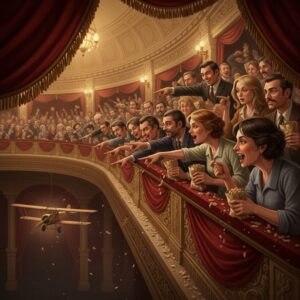
Which airline first made peanuts their signature snack, launching the era of airplane peanuts?

Pan Am in the 1960s

Southwest Airlines in 1971

Delta Airlines in 1985

Eastern Airlines in the 1950s

Points won
0
Correct score
0%

More Quizzes

More Articles

Top 10 Films That Were Banned in Multiple Countries

Top 10 Films That Were Banned in Multiple Countries

⏱️ 6 min read

Throughout cinema history, filmmakers have pushed boundaries and challenged societal norms, often resulting in their works being censored or outright banned across multiple nations. These controversial films sparked debates about artistic freedom, moral standards, and cultural sensitivities. While some were banned for political reasons, others faced censorship due to explicit content, religious themes, or social commentary that authorities deemed too provocative for public viewing.

Films That Shocked the World

1. A Clockwork Orange - Stanley Kubrick's Dystopian Masterpiece

Stanley Kubrick's 1971 adaptation of Anthony Burgess's novel became one of the most controversial films in cinema history. The film's graphic depictions of violence and sexual assault led to bans in countries including Ireland, South Korea, and Singapore. Even Kubrick himself requested its withdrawal from British cinemas after receiving death threats. The film explores themes of free will, behavioral conditioning, and state control through the story of Alex DeLarge and his gang of droogs. Despite its artistic merit and cultural significance, many nations kept the ban in place for decades, with some restrictions continuing into the 21st century.

2. The Last Temptation of Christ - Religious Controversy Ignited

Martin Scorsese's 1988 biblical drama sparked outrage among religious communities worldwide. The film's portrayal of Jesus Christ experiencing human temptations, including a dream sequence of married life with Mary Magdalene, was deemed blasphemous by many. Countries including Mexico, Chile, Argentina, Turkey, and the Philippines imposed bans on the film. Religious groups organized protests and even attacked theaters showing the film. While the movie was intended as a serious exploration of Christ's humanity, its controversial interpretations led to widespread censorship that lasted years in some nations.

3. Cannibal Holocaust - The Found Footage Horror That Went Too Far

Ruggero Deodato's 1980 horror film remains one of the most banned films globally. The Italian director was actually arrested and charged with murder because authorities believed the film's realistic violence was genuine. The film features graphic scenes of violence, sexual assault, and actual animal killings. Countries including Australia, Iceland, Ireland, Germany, Norway, and Singapore banned the film, with many maintaining restrictions for decades. Despite being recognized as influential in developing the found-footage genre, its extreme content continues to generate controversy and censorship discussions.

4. Salò, or the 120 Days of Sodom - Pier Paolo Pasolini's Final Statement

Released in 1975, Pier Paolo Pasolini's final film remains banned or heavily restricted in numerous countries. The film depicts extreme sexual violence and degradation set during the fascist Salò Republic of World War II Italy. Countries including Australia, New Zealand, Finland, and various others banned the film for its graphic content. While film scholars recognize it as a powerful allegory about fascism and power abuse, its disturbing imagery has kept it from public viewing in many regions. The film's artistic intentions are often overshadowed by its shocking content.

5. The Texas Chain Saw Massacre - The Slasher That Changed Horror

Tobe Hooper's 1974 horror classic was banned in multiple countries including Australia, Brazil, Chile, Finland, France, Iceland, Ireland, Norway, Singapore, Sweden, and West Germany. Despite containing relatively little on-screen blood, the film's intense atmosphere and implications of violence proved too much for many censors. The movie's raw, documentary-style filmmaking and disturbing premise of a family of cannibals terrorizing travelers created widespread moral panic. Some countries didn't lift their bans until the 1990s, decades after its initial release.

6. The Exorcist - Demonic Possession Terrifies Censors

William Friedkin's 1973 supernatural horror film faced bans and restrictions across numerous countries. The film's depiction of a young girl possessed by a demon, including shocking scenes of religious desecration and bodily trauma, proved too controversial for many nations. Countries including the United Kingdom imposed various restrictions, while others banned it outright for periods. The film sparked debates about religious representation, the impact of horror on audiences, and the boundaries of acceptable cinema. Its cultural impact was so significant that reports of audience members fainting or experiencing psychological distress influenced censorship decisions.

7. Natural Born Killers - Oliver Stone's Media Satire

Oliver Stone's 1994 satirical crime film about mass murderers and media exploitation faced bans in Ireland and was heavily censored in numerous other countries. The film's stylized violence, unconventional editing, and controversial themes about media glorification of criminals made censors uncomfortable worldwide. Several real-life crimes were allegedly inspired by the film, leading to increased calls for bans. Countries including the United Kingdom delayed its video release for years. The film's critique of media violence paradoxically became a target of censorship itself, creating ongoing debates about artistic responsibility.

8. Life of Brian - Monty Python's Religious Satire

This 1979 comedy from Monty Python faced bans in Ireland, Norway, and various other locations for its satirical portrayal of religious themes. The film tells the story of Brian Cohen, born on the same day as Jesus Christ, who is mistaken for the Messiah. Religious groups condemned it as blasphemous, leading to widespread censorship. Some towns and cities maintained bans for decades, with certain areas not screening the film until the 21st century. Despite being a comedy, its religious satire proved more controversial than many explicit dramatic films.

9. Battle Royale - Japan's Controversial Youth Violence Epic

Kinji Fukasaku's 2000 film about teenagers forced to fight to the death was banned or restricted in Germany, South Korea, and other nations. The film's premise of state-sanctioned violence against children proved too controversial for many countries. Despite its popularity in Japan and cult status internationally, censors worried about its potential influence on young audiences. The film sparked debates about violence in media and governmental control. Its influence on later works like The Hunger Games demonstrates its cultural significance, yet many countries maintained restrictions on its distribution.

10. Pink Flamingos - John Waters' Transgressive Underground Classic

John Waters' 1972 exploitation film was banned in Australia, Norway, and other countries for its extreme content designed to shock audiences. The film deliberately pushed every boundary of taste with scenes of cannibalism, sexual perversion, and acts too explicit to describe in detail. Waters created the film specifically to be "the most disgusting film ever made," and censors worldwide agreed it crossed acceptable lines. Despite its underground cult status and eventual recognition as a landmark of transgressive cinema, many countries maintained bans or heavy restrictions for years.

The Legacy of Cinematic Censorship

These ten films represent different eras, genres, and reasons for censorship, from political content to religious controversy to extreme violence and sexual content. While many bans have been lifted over time as social attitudes evolved, these films remain testament to the ongoing tension between artistic expression and societal boundaries. They continue to spark discussions about freedom of speech, the role of government in regulating content, and the power of cinema to challenge, disturb, and provoke audiences worldwide.

12 Crazy Facts About Hollywood Red Carpets

12 Crazy Facts About Hollywood Red Carpets

⏱️ 7 min read

The glamorous red carpet has become synonymous with Hollywood luxury, but behind the velvet ropes and flashing cameras lies a world of surprising traditions, astronomical costs, and bizarre rituals that most viewers never see. From its unexpected origins to the carefully orchestrated chaos of modern award shows, the red carpet experience is far stranger and more fascinating than it appears on television.

The Surprising Origins and Evolution of Red Carpet Culture

The Ancient Greek Origins of Rolling Out Red

The tradition of red carpets dates back to ancient Greece in 458 BCE, first mentioned in the play "Agamemnon" by Aeschylus. In the play, a crimson path is laid out for the titular king, symbolizing a divine walkway worthy only of gods. The color red was incredibly expensive to produce in ancient times, requiring thousands of crushed insects or rare mollusks to create the dye. This made red carpets an ultimate status symbol reserved for royalty and deities. Hollywood merely borrowed this ancient tradition and transformed it into the entertainment spectacle we know today.

The First Hollywood Red Carpet Debuted at a Movie Theater

Contrary to popular belief, the first Hollywood red carpet wasn't rolled out at an awards ceremony but at the Egyptian Theatre in Hollywood for the premiere of "Robin Hood" starring Douglas Fairbanks in 1922. Sid Grauman, the theater's owner, installed a crimson carpet to add grandeur to the event. The Academy Awards didn't adopt the red carpet tradition until much later, with the first Oscar red carpet appearing in 1961 at the 33rd Academy Awards ceremony.

Red Carpets Cost Up to $100,000 Per Event

A single red carpet at a major awards ceremony can cost anywhere from $25,000 to $100,000 or more. These aren't ordinary carpets—they're specially manufactured, flame-retardant, weather-resistant fabrics that must meet strict safety codes. The carpet for the Academy Awards stretches approximately 500 feet and weighs over 3,000 pounds. After the event, these expensive carpets are typically recycled, donated to charities, or occasionally sold in pieces to collectors and superfans willing to pay hundreds of dollars for a small square.

Behind the Scenes Secrets and Logistics

Celebrities Get Detailed Instruction Packets Before Walking

Before stepping onto the red carpet, celebrities and their teams receive comprehensive briefing packets that outline everything from arrival times to where they should pause for photos. These documents include maps showing designated interview zones, photographer positions, and escape routes. A-list stars are assigned specific time slots to avoid awkward encounters or carpet congestion. The packets even specify which outlets have been granted interview privileges and how long each interview should last—typically no more than 30-60 seconds per media organization.

Professional Pullers Are Hired to Manage Dresses

The glamorous gowns celebrities wear often require dedicated handlers called "dress wranglers" or "pullers" who walk behind or beside stars to arrange trains, prevent tripping, and ensure the garments photograph perfectly from every angle. These professionals are skilled in emergency fashion repairs and can execute quick fixes for wardrobe malfunctions invisible to cameras. Some high-profile celebrities employ their own personal dress wranglers, while others rely on teams provided by designers or event organizers.

The Mani-Cam and Fashion Technology Have Changed Red Carpet Coverage

In 2013, E! Entertainment introduced the "Mani-Cam," a miniature camera runway where celebrities could show off their manicures by walking their fingers down a tiny red carpet. While it received mixed reactions and was eventually discontinued, it represented a broader trend of technological innovation in red carpet coverage. Today, 360-degree cameras, augmented reality graphics, and live-streaming platforms have transformed how millions of viewers worldwide experience these events, creating an immersive experience that extends far beyond traditional television broadcasts.

The Business and Politics of Red Carpet Appearances

Jewelry Worn Is Often Worth More Than Homes

The jewelry adorning celebrities on the red carpet frequently carries values exceeding millions of dollars. At the 2019 Academy Awards, Lady Gaga wore the legendary Tiffany Diamond, a 128.54-carat yellow diamond worth approximately $30 million, making her one of only three people to ever wear it publicly. These pieces come with armed security guards, insurance policies with seven-figure premiums, and sometimes tracking devices. Jewelry houses compete fiercely for celebrity placements, as a single red carpet appearance can generate millions in publicity and boost sales exponentially.

Designers Pay Celebrities to Wear Their Creations

While many assume designers simply loan dresses to celebrities for free publicity, the reality is more complex. Top-tier celebrities often receive payment ranging from $100,000 to $250,000 to wear specific designers on major red carpets. These arrangements involve detailed contracts stipulating which accessories must be worn, how the celebrity will credit the designer in interviews, and social media posting requirements. Lesser-known actors, conversely, may actually pay stylists thousands of dollars to secure designer loans, creating a fascinating economic hierarchy on the red carpet.

Unusual Traditions and Superstitions

The Secret Language of Carpet Positioning

Where a celebrity is positioned on the red carpet reveals their status in Hollywood's hierarchy. The most prestigious spots are near the main entrance where photographers congregate most densely. Publicists negotiate these positions months in advance, and arrival times are strategically planned so their clients hit peak photographer and media presence. Lesser-known actors are often scheduled for earlier arrival times before major media outlets are fully staffed, while A-listers arrive during prime coverage windows when viewership peaks.

Many Celebrities Don't Eat for Days Before Major Carpets

Fashion and fitness preparations for major red carpet events often involve extreme measures. Many celebrities undertake severe dietary restrictions, with some consuming only liquids for 24-48 hours before an event to appear more streamlined in form-fitting gowns and tuxedos. Personal trainers report increased session requests beginning months before award season. Some stars even use temporary cosmetic procedures, special undergarments that redistribute body shape, and strategic taping techniques to achieve the desired silhouette. This intense preparation culture has sparked important conversations about body image and the unrealistic standards perpetuated by Hollywood.

Modern Changes and Environmental Concerns

Sustainable Red Carpets Are Becoming the New Standard

Environmental consciousness has finally reached red carpet culture, with recent years seeing a shift toward sustainability. Some events now use recycled materials for carpets, while others have experimented with alternative colors like green or blue to promote environmental messages. Celebrities increasingly wear vintage designer pieces, rent their outfits, or choose designers committed to sustainable practices. The 2020 BAFTAs encouraged guests to "re-wear" previous outfits or choose sustainable options, with many stars proudly announcing their eco-friendly choices in interviews.

The Red Carpet Generates Billions in Economic Impact

The economic influence of major red carpets extends far beyond the event itself, generating an estimated $5 billion annually in combined revenue across fashion, jewelry, beauty, and media industries. A single well-executed red carpet appearance can increase a designer's brand value by millions and create fashion trends that influence retail for entire seasons. Social media has amplified this effect, with red carpet looks generating billions of impressions, countless think-pieces, and immediate consumer demand for similar styles. This economic powerhouse has transformed the red carpet from a simple entrance into a crucial marketing platform that shapes global fashion and entertainment industries.

Conclusion

The Hollywood red carpet represents far more than a glamorous entrance to awards ceremonies—it's a complex intersection of ancient tradition, modern marketing, technological innovation, and cultural influence. From its origins in Greek theater to its current status as a multi-billion-dollar industry, the red carpet has evolved into a carefully choreographed spectacle where every detail matters. Behind the seemingly effortless elegance lies a world of strategic planning, astronomical costs, and occasionally absurd logistics. Understanding these hidden aspects doesn't diminish the magic of red carpet moments; rather, it reveals the extraordinary effort required to create the illusion of effortless Hollywood glamour that captivates millions of viewers worldwide. As the industry continues evolving with growing emphasis on sustainability and inclusivity, the red carpet remains an enduring symbol of entertainment excellence and aspirational luxury.