
⏱️ 6 min read
The planet’s biodiversity faces unprecedented threats as habitat destruction, climate change, poaching, and human encroachment push countless species toward extinction. While conservation efforts have achieved notable successes, many animals remain on the brink of disappearing forever. Understanding which species are most critically endangered helps focus conservation resources and raises awareness about the urgent need for environmental protection. The following animals represent some of the most vulnerable creatures on Earth, each facing unique challenges that threaten their survival in 2025.
The World’s Most Critically Endangered Animals
1. Javan Rhinoceros: Down to the Last Dozens
With fewer than 80 individuals remaining in a single population in Ujung Kulon National Park, Indonesia, the Javan rhinoceros stands as one of the rarest large mammals on Earth. These solitary creatures once roamed throughout Southeast Asia, but habitat loss and poaching for their horns decimated populations. The species faces the additional threat of existing in just one location, making them vulnerable to natural disasters, disease outbreaks, or volcanic activity from nearby Krakatoa. Conservation efforts focus on habitat protection and exploring possibilities for establishing a second population to ensure species survival.
2. Vaquita Porpoise: The World’s Rarest Marine Mammal
Fewer than 10 vaquitas remain in Mexico’s Gulf of California, making this small porpoise the most endangered marine mammal globally. These shy creatures, measuring just five feet long, are casualties of illegal gillnet fishing for totoaba fish, whose swim bladders are valued in traditional Chinese medicine. Despite fishing bans and conservation initiatives, vaquitas continue to drown in illegal nets. The Mexican government and international organizations have intensified efforts to remove ghost nets and enforce fishing restrictions, but time is running critically short for this species.
3. Amur Leopard: The Rarest Big Cat
Approximately 100 Amur leopards survive in the wild, primarily in the Russian Far East and northeastern China. These magnificent cats, adapted to cold climates with thick fur and pale coats, face threats from poaching, prey depletion, habitat fragmentation, and inbreeding. Conservation programs have shown promise, with populations slowly increasing from a low of just 30 individuals in the early 2000s. Protected areas like Land of the Leopard National Park provide crucial habitat, while anti-poaching patrols and community engagement programs work to secure the species’ future.
4. Sumatran Orangutan: Losing Ground in Disappearing Forests
With approximately 14,000 individuals remaining, the Sumatran orangutan faces extinction due to rapid deforestation driven by palm oil plantations, logging, and agricultural expansion. These intelligent great apes, found only on the Indonesian island of Sumatra, require large territories of intact forest to survive. Habitat fragmentation isolates populations, reducing genetic diversity and making orangutans vulnerable to local extinctions. Conservation efforts emphasize protecting remaining forests, creating wildlife corridors, and rehabilitating rescued orangutans, while sustainable palm oil initiatives aim to balance economic needs with conservation.
5. Hawksbill Sea Turtle: Victims of the Illegal Trade
The hawksbill sea turtle population has declined by over 80% in the past century, primarily due to the illegal trade in their beautiful shells, known as “tortoiseshell.” These critically endangered reptiles face additional threats from plastic pollution, coastal development destroying nesting beaches, climate change affecting sand temperatures and sex ratios, and entanglement in fishing gear. Found in tropical oceans worldwide, hawksbills play crucial ecological roles in maintaining healthy coral reef ecosystems by consuming sponges. International protection under CITES and local conservation programs work to protect nesting sites and reduce bycatch.
6. Saola: The Asian Unicorn Rarely Seen
Discovered only in 1992 in the Annamite Mountains of Vietnam and Laos, the saola remains so rare that scientists have never observed one in the wild. Population estimates are uncertain, with possibly fewer than 100 individuals surviving. Often called the “Asian unicorn” due to its rarity and distinctive parallel horns, this forest-dwelling bovine faces threats from habitat loss and hunting, often caught in snares set for other animals. The saola’s elusive nature makes conservation challenging, with efforts focusing on removing snares, protecting habitat, and using camera traps to gather information about this mysterious species.
7. Philippine Eagle: Majestic Raptor of Vanishing Forests
Fewer than 400 Philippine eagles remain in the wild, inhabiting only four islands in the Philippines. As one of the world’s largest and most powerful eagles, this apex predator requires vast territories of primary forest—each breeding pair needs approximately 25-50 square miles. Deforestation has destroyed over 90% of the Philippines’ old-growth forests, leaving eagles with fragmented habitats. The Philippine Eagle Foundation leads conservation efforts through captive breeding, habitat restoration, community education, and working with indigenous peoples to protect remaining forests. Shooting and trapping also pose significant threats to this national symbol.
8. Sumatran Elephant: Shrinking Herds in Fragmented Habitats
The Sumatran elephant population has plummeted to fewer than 2,000 individuals, representing a 70% decline over the past generation. These smaller Asian elephants face severe habitat loss as forests are converted to palm oil plantations and agricultural land. Human-elephant conflict intensifies as elephants raid crops, leading to retaliatory killings. Populations are increasingly isolated in small, fragmented patches of forest, limiting genetic diversity and natural behaviors. Conservation strategies include establishing protected corridors between forest patches, mitigating human-elephant conflict through community-based programs, and enforcing laws against habitat destruction and poaching for ivory.
9. Black Rhino: Recovering but Still Critical
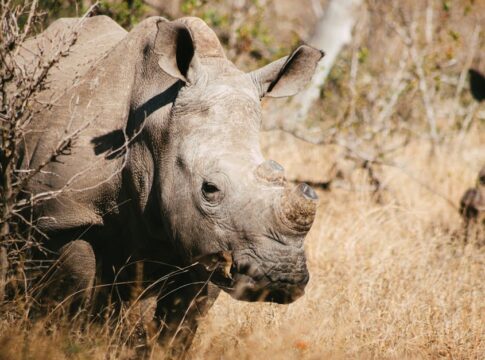
While black rhino numbers have increased from their all-time low of 2,400 in 1995 to approximately 6,000 today, they remain critically endangered. Poaching for rhino horn, driven by demand in Asian markets where it’s falsely believed to have medicinal properties, continues to threaten populations across Africa. Conservation successes result from intensive protection efforts, including anti-poaching units, translocation programs to establish new populations, and community conservation initiatives. However, ongoing poaching, habitat loss, and political instability in some range countries mean black rhinos require continued vigilant protection.
10. Yangtze Finless Porpoise: China’s Freshwater Cetacean in Crisis
Approximately 1,000 Yangtze finless porpoises survive in China’s Yangtze River and associated lakes, making them one of the few remaining freshwater cetacean species after the functionally extinct baiji dolphin. These intelligent, smiling porpoises face threats from vessel strikes, entanglement in fishing gear, electrofishing, pollution, and habitat degradation from dam construction and development. The Three Gorges Dam has significantly altered river ecosystems, affecting prey populations. China has implemented fishing bans, established nature reserves, and relocated porpoises to safer habitats, but the species’ future remains uncertain as the Yangtze continues to face intensive human use and environmental challenges.
The Path Forward for Conservation
These ten species represent just a fraction of the biodiversity crisis facing our planet, but their stories highlight common themes: habitat destruction, human-wildlife conflict, illegal trade, and climate change. Successful conservation requires coordinated international efforts, adequate funding, community engagement, habitat protection, and addressing root causes like unsustainable consumption. While the challenges are immense, conservation successes demonstrate that with commitment and resources, species can recover from the brink of extinction. The survival of these magnificent creatures depends on actions taken today to protect habitats, combat illegal wildlife trade, and create a sustainable coexistence between human development and wildlife conservation.