




⏱️ 5 min read
Elite military units around the world undergo some of the most rigorous survival training known to humanity. These special operations forces must be prepared to operate in hostile environments with minimal resources, often behind enemy lines where conventional support is unavailable. The survival techniques they employ have been refined through decades of real-world experience and represent the pinnacle of human adaptability in extreme conditions.
The Foundation of Special Forces Survival Training
Special forces operators receive extensive training in survival, evasion, resistance, and escape (SERE) protocols. This comprehensive program prepares them for scenarios where they must survive independently in any terrain or climate. Unlike recreational survival training, military survival techniques prioritize remaining undetected while maintaining operational capability. Every skill learned serves dual purposes: staying alive and completing the mission.
The psychological component of special forces survival training distinguishes it from civilian approaches. Operators are conditioned to maintain mental clarity under extreme stress, manage fear effectively, and make rational decisions when exhausted or injured. This mental fortitude often proves more valuable than any physical skill or piece of equipment.
Water Procurement in Austere Environments
Special forces personnel are trained in multiple water sourcing methods applicable to diverse environments. In arid regions, they learn to identify vegetation indicators that signal underground water sources and employ solar stills to extract moisture from soil. The military-grade solar still technique involves digging a hole, placing a container at the bottom, covering it with clear plastic, and allowing condensation to drip into the collection vessel.
In tropical environments, operators know how to safely extract water from vines, bamboo, and certain trees. They're also trained to recognize the dangers of contaminated water sources and carry compact filtration systems. When filtration isn't available, they employ multi-stage purification techniques including sedimentation, boiling, and chemical treatment using iodine or chlorine tablets carried in survival kits.
Water Storage and Conservation
Special forces operators learn critical water conservation techniques that extend survival time significantly. These include breathing through the nose rather than mouth, minimizing physical exertion during peak heat hours, and creating shade structures. They're trained to maximize water retention by avoiding alcohol, caffeine, and high-protein foods when water is scarce, as these substances increase dehydration.
Advanced Fire Craft Techniques
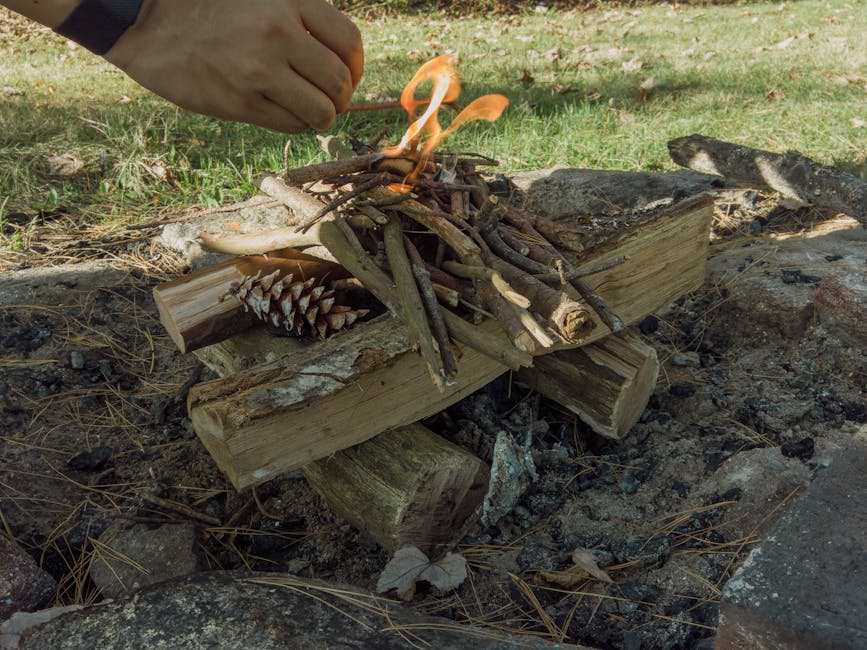
Fire creation remains a fundamental survival skill, but special forces take it to an advanced level. Operators master multiple ignition methods, ensuring they can create fire even when conditions are unfavorable. Beyond standard ferro rods and waterproof matches, they learn friction-based methods including bow drills and hand drills that work with minimal materials.
More importantly, special forces personnel understand fire discipline in tactical situations. They learn to create smokeless fires using properly seasoned wood, build fires in concealed positions, and employ Dakota fire holes that minimize light signature while maximizing heat efficiency. These techniques allow them to gain fire's benefits while avoiding enemy detection.
Shelter Construction for Tactical Situations
Special forces shelter building differs significantly from standard survival instruction because concealment often takes priority over comfort. Operators learn to construct low-profile shelters that blend into the natural environment, using local materials and minimizing disturbance to surrounding vegetation. These shelters must protect against the elements while remaining virtually invisible to hostile forces.
The A-frame debris shelter, lean-to variations, and ground burrows are adapted for tactical use. Special forces personnel are trained to assess terrain for natural shelter opportunities such as rock overhangs, fallen trees, and dense vegetation that can be minimally modified rather than building from scratch. This reduces construction time and evidence of human presence.
Food Procurement and Field Nutrition
Special forces survival training includes extensive instruction in identifying edible plants, insects, and small game across different geographic regions. Operators learn the universal edibility test for unknown plants, though they also memorize specific edible species for regions where they may operate. This knowledge proves invaluable when isolation extends beyond anticipated timeframes.
Primitive Hunting and Trapping Methods
Special forces personnel become proficient in creating improvised snares, deadfall traps, and fishing implements from natural materials. These passive hunting methods allow them to secure food while conserving energy and maintaining operational focus. They're trained in trap placement, understanding animal behavior, and maximizing success rates with minimal equipment.
Improvised fishing techniques include creating hooks from thorns or carved bone, fashioning cordage from plant fibers, and constructing fish traps from woven branches. In coastal environments, operators learn tidal pool harvesting and safe shellfish identification.
Navigation Without Modern Technology
While special forces operators carry sophisticated GPS equipment, their training emphasizes navigation without technology. They master celestial navigation using stars, sun position, and moon phases to determine direction and approximate location. Understanding natural navigation indicators such as moss growth patterns, prevailing wind directions, and terrain features allows them to maintain orientation even when equipment fails or must be abandoned.
Terrain association and dead reckoning become second nature through intensive training. Operators learn to estimate distances traveled, account for elevation changes, and create mental maps of their environment. This spatial awareness proves critical during evasion scenarios when speed and stealth prevent frequent map consultation.
Medical Self-Care in Isolation
Special forces medical training extends well beyond basic first aid. Operators learn to treat traumatic injuries, manage infections with limited resources, and create improvised medical supplies from natural materials. They're trained in wound irrigation using boiled water, creating antiseptic solutions from plants with antimicrobial properties, and fashioning splints and stretchers from available materials.
Prevention receives equal emphasis to treatment. Special forces personnel understand how to avoid common survival medicine scenarios through proper hygiene, careful movement to prevent injuries, and recognizing early symptoms of hypothermia, heat exhaustion, and dehydration. This proactive approach significantly increases survival odds during extended isolation.
Signaling and Recovery Techniques
Special forces operators balance the need for rescue with operational security requirements. They're trained in creating various signal types including ground-to-air panels, signal fires, and reflected light signals using mirrors or improvised reflective surfaces. Importantly, they understand when signaling is appropriate and when remaining concealed takes priority. These techniques represent the culmination of survival training—successfully maintaining life until recovery becomes possible.