










1 / 10 Questions
0 Points

What flavor is the white part of a candy corn?

Vanilla

Honey

All three flavors taste identical

Unflavored sugar

Points won
0
Correct score
0%

More Quizzes

More Articles

Did You Know? Hippos Sweat Sunscreen?

Did You Know? Hippos Sweat Sunscreen?

⏱️ 5 min read

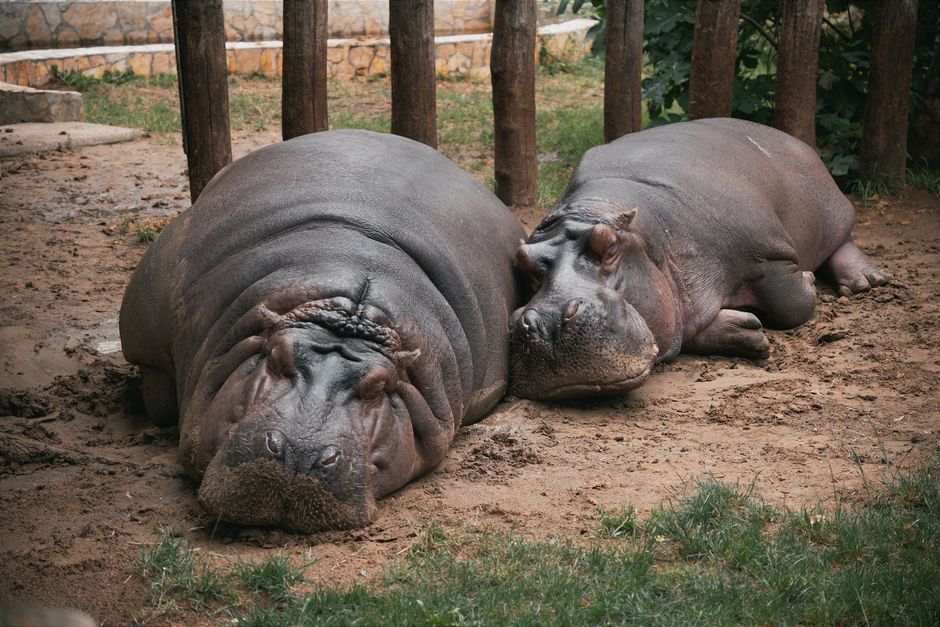
Hippopotamuses are among the most fascinating creatures in the animal kingdom, and one of their most remarkable features often goes unnoticed by casual observers. These massive semi-aquatic mammals possess a unique biological adaptation that has captured the attention of scientists and nature enthusiasts alike: they produce a natural substance that functions remarkably similar to sunscreen. This extraordinary secretion, often mistaken for blood-tinged sweat, serves multiple purposes that help hippos survive in the harsh African climate.

The Science Behind Hippo Secretions

Despite popular belief, hippos don't actually sweat in the traditional sense. Unlike humans who produce perspiration through sweat glands to regulate body temperature, hippos secrete a completely different substance from specialized glands in their skin. This viscous, oily fluid starts out colorless but quickly turns red-orange and eventually brown when exposed to air and sunlight. The dramatic color change led to ancient myths about hippos sweating blood, but modern science has revealed the true nature and purpose of this remarkable adaptation.

Researchers have identified two key pigments in this secretion: hipposudoric acid, which appears reddish-orange, and norhipposudoric acid, which has a more orange hue. These complex molecules are chromophores, meaning they absorb light in specific wavelengths, particularly in the ultraviolet range. This chemical composition gives the secretion its distinctive color and its powerful sun-protective properties.

Natural UV Protection in Action

The hippopotamus skin is remarkably thin and sensitive for such a large animal, measuring only about one inch thick in most areas. Without adequate protection, this delicate skin would suffer severe damage from the intense African sun. The natural secretion acts as a highly effective sunscreen by absorbing ultraviolet radiation before it can penetrate the skin and cause cellular damage.

Laboratory studies have demonstrated that the hipposudoric acid absorbs UV light in the range of 290-340 nanometers, which includes the most harmful UVB rays. This absorption spectrum is comparable to many commercial sunscreens designed for human use. The secretion spreads across the entire body surface, creating a protective barrier that shields the hippo from solar radiation during the hours they spend out of water grazing and socializing.

Beyond Sun Protection: Multiple Functions

The remarkable properties of hippo secretion extend far beyond simple sun protection. Scientific analysis has revealed that this substance serves several vital functions:

  • Antibiotic properties: The secretion contains compounds that inhibit the growth of various pathogenic bacteria, helping prevent infections in wounds and abrasions
  • Antifungal action: Similar antimicrobial effects protect against fungal infections that could thrive in the warm, moist environments hippos frequent
  • Moisture regulation: The oily consistency helps prevent excessive water loss through the skin during time spent on land
  • Insect deterrent: The secretion may help repel biting insects that could otherwise plague these animals during terrestrial activities

The Daily Rhythm of Secretion

Hippos produce this protective secretion throughout the day, but production increases during periods of stress, physical exertion, or extended exposure to sunlight. The glands work continuously, coating the animal's body with a fresh layer of protection. Within minutes of emerging from water, a hippo's skin will begin to glisten with the secretion, and within an hour, the characteristic reddish-orange color becomes clearly visible.

This process is automatic and involuntary, much like human sweating, but it serves different physiological purposes. The secretion rate can increase dramatically when hippos are agitated or during territorial disputes, leading to particularly dramatic displays of the reddish coating that covers their entire body.

Behavioral Adaptations and Habitat Use

Despite having this remarkable natural sunscreen, hippos haven't abandoned their aquatic lifestyle. They still spend the majority of daylight hours submerged in water or mud, emerging primarily at night to graze on grass. This behavior pattern reflects the limitations of even their impressive secretion—it provides protection, but extended exposure to the intense African sun would still pose challenges.

The combination of behavioral adaptations and chemical protection demonstrates the complex strategies animals employ to survive in challenging environments. Hippos have evolved both the physical means to protect their skin and the instinctive behaviors to minimize sun exposure, creating a comprehensive survival strategy.

Implications for Human Science

The discovery and analysis of hippo secretion has generated considerable interest in the pharmaceutical and cosmetic industries. Researchers are studying these compounds to understand how they might inspire new sunscreen formulations or antibiotic treatments. The dual-action nature of providing both UV protection and antimicrobial benefits makes these substances particularly intriguing for potential medical applications.

Scientists continue to investigate the exact mechanisms by which these molecules provide such effective protection. Understanding the chemical structure and function of hipposudoric acid could lead to the development of more effective, longer-lasting sunscreens for human use, or new approaches to treating antibiotic-resistant bacterial infections.

Conservation Considerations

Understanding the unique biology of hippos, including their remarkable skin secretions, underscores the importance of conservation efforts. As hippo populations face threats from habitat loss and human conflict, preserving these animals means protecting millions of years of evolutionary innovation. The specialized adaptations that allow hippos to thrive in their environment represent irreplaceable biological solutions to environmental challenges.

This natural sunscreen system exemplifies the sophisticated adaptations that make hippos perfectly suited to their ecological niche, reminding us that nature's solutions to survival challenges often exceed human engineering in elegance and effectiveness.
Top 10 Natural Wonders of the World

Top 10 Natural Wonders of the World

⏱️ 6 min read

Our planet showcases breathtaking natural formations that have captivated humanity for millennia. From cascading waterfalls to vast canyons, these geological and ecological masterpieces represent nature's extraordinary power and beauty. These remarkable sites attract millions of visitors annually and serve as vital reminders of Earth's incredible diversity and the importance of conservation efforts worldwide.

Remarkable Natural Formations Across the Globe

1. The Grand Canyon's Layered Geological History

Carved over millions of years by the Colorado River, the Grand Canyon in Arizona stands as one of Earth's most dramatic geological features. Stretching 277 miles long, up to 18 miles wide, and over a mile deep, this immense gorge reveals nearly two billion years of geological history through its colorful rock layers. The canyon's stratified bands tell stories of ancient seas, volcanic activity, and continental shifts. Visitors can witness the interplay of erosion and geological forces that continue to shape this magnificent landscape, while the Colorado River still actively carves deeper into the canyon floor.

2. The Great Barrier Reef's Living Ecosystem

Located off Australia's northeastern coast, the Great Barrier Reef represents the world's largest coral reef system, comprising over 2,900 individual reefs and 900 islands spanning approximately 1,400 miles. This underwater wonderland hosts an astonishing biodiversity, including over 1,500 fish species, 400 coral varieties, and countless other marine organisms. Visible from space, this living structure was built by billions of tiny coral polyps over thousands of years. The reef plays a crucial role in marine ecosystems and faces ongoing conservation challenges due to climate change and ocean acidification.

3. Victoria Falls' Thundering Waters

Straddling the border between Zambia and Zimbabwe, Victoria Falls ranks among the world's most spectacular waterfalls. Known locally as "Mosi-oa-Tunya" or "The Smoke That Thunders," this natural wonder spans over 5,600 feet in width and drops approximately 355 feet. During peak flow, more than 500 million liters of water cascade over the falls every minute, creating a mist visible from miles away and producing perpetual rainbows. The surrounding rainforest ecosystem thrives on the constant spray, creating a unique microclimate supporting rare plant species.

4. Mount Everest's Towering Peak

Standing at 29,032 feet above sea level, Mount Everest represents Earth's highest point and the ultimate challenge for mountaineers. Located in the Himalayan mountain range on the border between Nepal and Tibet, this massive peak formed approximately 60 million years ago through the collision of the Indian and Eurasian tectonic plates. The mountain continues to grow slightly each year due to ongoing geological activity. Extreme weather conditions, including hurricane-force winds and temperatures plummeting to -76°F, make Everest one of the planet's harshest environments, yet its magnetic appeal draws hundreds of climbers annually.

5. The Northern Lights' Celestial Display

The Aurora Borealis, or Northern Lights, creates one of nature's most mesmerizing spectacles across Arctic regions. This atmospheric phenomenon occurs when charged particles from solar winds collide with gases in Earth's atmosphere, producing luminous displays of green, pink, purple, and red across the night sky. Best viewed in countries like Norway, Iceland, Finland, and Canada, these dancing lights have inspired countless myths and legends throughout human history. The Southern Hemisphere experiences a similar phenomenon called Aurora Australis, though it's less accessible to most observers.

6. Paricutin Volcano's Sudden Emergence

In a Mexican cornfield in 1943, witnesses observed one of geology's rarest events: the birth of a volcano. Paricutin emerged from flat farmland, growing to 1,100 feet within its first year. This cinder cone volcano provided scientists with an unprecedented opportunity to study volcanic formation from inception. The volcano remained active for nine years, eventually covering two villages with lava and ash. Today, Paricutin stands as a dormant monument to Earth's dynamic geological processes, with the church tower of the buried village of San Juan Parangaricutiro still visible above the hardened lava fields.

7. The Harbor of Rio de Janeiro's Natural Beauty

Guanabara Bay in Brazil creates one of the world's most spectacular natural harbors, surrounded by dramatic granite peaks including the iconic Sugarloaf Mountain and Corcovado. This magnificent harbor was formed by erosion and the Atlantic Ocean flooding a river valley. The unique topography combines tropical forests, pristine beaches, and distinctive rock formations sculpted over millions of years. The harbor's strategic location and natural beauty made Rio de Janeiro one of South America's most important cities, while the surrounding landscape continues to define the region's identity.

8. The Amazon Rainforest's Biodiversity Haven

Spanning nine countries across South America, the Amazon Rainforest represents Earth's largest tropical rainforest, covering approximately 2.1 million square miles. This vital ecosystem contains an estimated 390 billion individual trees representing 16,000 species and supports unparalleled biodiversity, including one in ten known species on Earth. The Amazon River system, fed by over 1,100 tributaries, moves more water than the next seven largest rivers combined. This forest generates approximately 20% of the world's oxygen and plays a critical role in regulating global climate patterns.

9. Jeita Grotto's Subterranean Splendor

Located in Lebanon's Nahr al-Kalb valley, Jeita Grotto comprises two separate interconnected limestone caves featuring spectacular stalactite and stalagmite formations. The upper galleries showcase stunning crystalline formations and vast chambers adorned with natural sculptures created over millions of years by water erosion and mineral deposits. The lower cave features an underground river navigable by boat, revealing towering stone curtains and columns. These caves have served various purposes throughout history, from prehistoric shelter to modern tourist attraction, demonstrating the enduring relationship between humans and geological wonders.

10. The Bay of Fundy's Extreme Tides

Located between New Brunswick and Nova Scotia in Canada, the Bay of Fundy experiences the highest tides in the world, with water levels changing up to 56 feet between high and low tide. This extraordinary tidal range results from the bay's unique funnel shape and the resonance between the Atlantic Ocean's tidal period and the bay's natural oscillation period. Twice daily, approximately 160 billion tons of seawater flow in and out of the bay, sculpting dramatic coastal formations and creating unique ecosystems. The Hopewell Rocks, with their distinctive flowerpot shapes, exemplify the bay's erosive power.

Preserving Natural Heritage

These ten natural wonders represent just a fraction of Earth's geological and ecological treasures. Each site demonstrates the planet's dynamic processes, from tectonic movements to water erosion, from atmospheric phenomena to biological diversity. These locations serve as crucial reminders of nature's power and beauty while highlighting the importance of conservation efforts. As human activities increasingly impact natural environments, protecting these irreplaceable wonders becomes essential for future generations to experience and study. Whether formed over billions of years or emerging suddenly, these natural marvels continue to inspire awe and deepen our understanding of the planet we inhabit.