











1 / 10 Questions
0 Points
Points won
0
Correct score
0%

More Quizzes

More Articles

Animals That Can Survive Extreme Conditions

Animals That Can Survive Extreme Conditions

⏱️ 5 min read

Life on Earth exists in some of the most inhospitable environments imaginable, from the frozen wastelands of Antarctica to the scorching deserts and crushing depths of the ocean. While these extreme conditions would quickly prove fatal to most organisms, certain remarkable animals have evolved extraordinary adaptations that allow them not just to survive, but to thrive where others cannot. These extremophile creatures challenge our understanding of biological limits and continue to fascinate scientists studying the boundaries of life itself.

The Microscopic Marvel: Tardigrades

Perhaps no creature better exemplifies survival against impossible odds than the tardigrade, also known as the water bear. These microscopic animals, measuring just 0.5 millimeters in length, possess survival capabilities that seem almost supernatural. Tardigrades can withstand temperatures ranging from just above absolute zero (-272°C) to well above the boiling point of water (150°C). They can survive radiation levels hundreds of times higher than what would kill a human, and they've even survived the vacuum of space during experiments conducted outside the International Space Station.

The secret to their resilience lies in a process called cryptobiosis, specifically anhydrobiosis. When conditions become unfavorable, tardigrades can expel nearly all water from their bodies, reducing their water content to less than 3%. In this desiccated state, their metabolism slows to 0.01% of normal rates, allowing them to remain dormant for decades until conditions improve. Scientists have successfully revived tardigrades that had been frozen for over 30 years.

Arctic and Antarctic Survivors

The Emperor Penguin

In Antarctica, where temperatures can plummet to -40°C with wind chills reaching -60°C, emperor penguins have mastered the art of extreme cold survival. These remarkable birds breed during the Antarctic winter, the harshest season on the continent. Males endure two months of complete fasting while incubating eggs on their feet, huddling together in groups of thousands to conserve warmth. Their multilayered feather system, combined with a thick layer of blubber, provides exceptional insulation. Additionally, their circulatory system features heat-exchange mechanisms that minimize heat loss through their extremities.

Arctic Ground Squirrels

Arctic ground squirrels showcase one of nature's most extreme adaptations to cold. During hibernation, their body temperature can drop to -2.9°C, the lowest body temperature ever recorded in a mammal. Despite their blood temperature falling below freezing, these animals avoid tissue damage through a process called supercooling, where bodily fluids remain liquid below their normal freezing point. Their hearts beat just once per minute during deep hibernation, and they take only one breath every few minutes.

Desert Dwellers: Masters of Heat and Drought

The Saharan Silver Ant

In the Sahara Desert, where sand temperatures can exceed 70°C, the Saharan silver ant has adapted to forage during the hottest parts of the day when predators seek shelter. These insects can tolerate body temperatures up to 53.6°C, among the highest recorded for any land animal. Their silver appearance comes from specialized hairs that reflect solar radiation and facilitate heat dissipation. They navigate using polarized light and can sprint at remarkable speeds to minimize contact time with scorching sand, making brief foraging trips lasting just minutes.

Kangaroo Rats

Desert kangaroo rats represent the ultimate water conservation specialists. These small rodents can survive their entire lives without drinking a single drop of water, obtaining all necessary moisture from metabolizing seeds. They possess highly efficient kidneys that produce extremely concentrated urine, and they rarely sweat or pant. Their burrows provide refuge from desert heat, and they have evolved specialized nasal passages that capture moisture from their own breath before it leaves their bodies.

Deep Sea Extremophiles

The ocean's depths present extreme challenges: crushing pressure, near-freezing temperatures, and complete darkness. At depths exceeding 8,000 meters, pressure reaches over 800 atmospheres. Snailfish hold the record for the deepest-living fish, discovered at depths of 8,178 meters in the Mariana Trench. These ghostly creatures lack swim bladders, which would collapse under such pressure, and instead have gelatinous, flexible bodies that can withstand the extreme forces.

Near hydrothermal vents, where superheated water exceeds 400°C erupts from the ocean floor, Pompeii worms thrive in temperatures up to 80°C, the highest known for any animal. These worms are covered in bacteria that may provide insulation and help process toxic chemicals from the vents. Their tail ends withstand temperatures 60°C higher than their heads, representing the largest thermal gradient any animal tolerates across its body.

Radiation-Resistant Organisms

The bacterium Deinococcus radiodurans, while not technically an animal, deserves mention for surviving radiation levels 1,000 times greater than would kill humans. In the animal kingdom, cockroaches can survive radiation doses 10 times higher than lethal human levels, though this is far less than commonly believed. Certain species of bdelloid rotifers, microscopic freshwater animals, can withstand high radiation through exceptional DNA repair mechanisms, making them subjects of intense scientific study for understanding cellular damage and repair.

Implications for Science and Future Exploration

Studying extremophile animals provides crucial insights into the limits of life and potential for organisms to exist in extreme environments beyond Earth. Understanding the molecular mechanisms behind extreme survival has practical applications in medicine, agriculture, and biotechnology. Enzymes from extremophiles are already used in industrial processes, and research into their survival strategies may lead to improved methods for preserving organs for transplant or protecting crops from environmental stress. As humanity contemplates exploring and potentially colonizing other planets, these remarkable creatures offer blueprints for survival in the most challenging conditions imaginable.
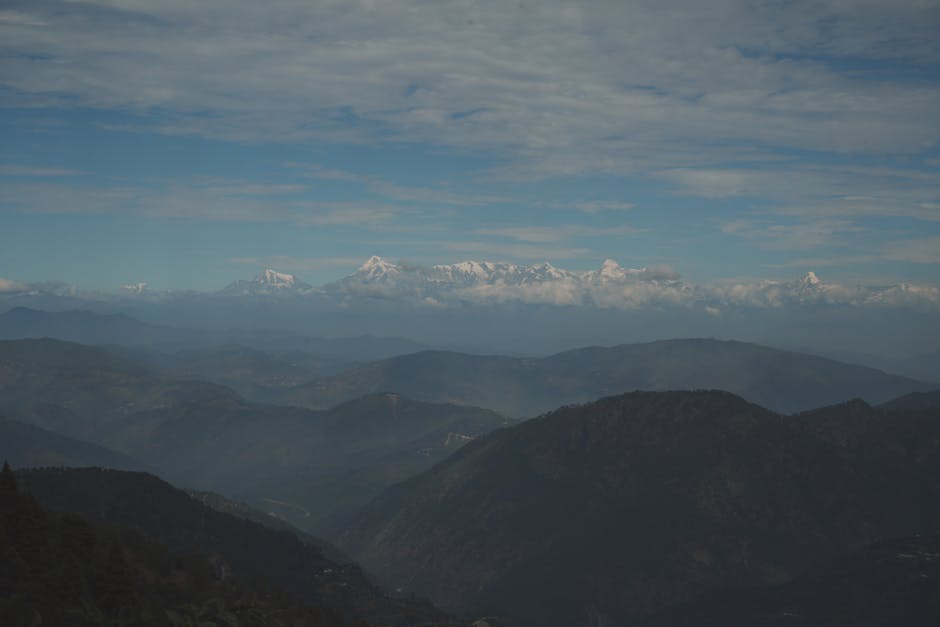
14 Amazing Facts About Asia’s Geography

14 Amazing Facts About Asia’s Geography

⏱️ 6 min read

Asia stands as the world's largest and most diverse continent, covering approximately 17.2 million square miles and hosting over 4.6 billion people. From the highest peaks on Earth to the lowest points on land, from vast deserts to lush rainforests, Asia's geographical features present some of the most extraordinary natural phenomena on our planet. The continent's unique positioning, geological history, and climatic variations have created landscapes that continue to fascinate geographers, scientists, and travelers alike.

Remarkable Geographic Features of the Asian Continent

1. Mount Everest: The World's Highest Point Above Sea Level

Standing at 29,032 feet (8,849 meters) above sea level, Mount Everest represents the ultimate geographical superlative. Located in the Himalayas on the border between Nepal and Tibet, this massive peak continues to grow approximately 4 millimeters each year due to ongoing tectonic activity. The mountain's extreme elevation creates a unique environment where atmospheric pressure is only one-third of that at sea level, making it one of the most challenging places for human survival on Earth.

2. The Dead Sea: Earth's Lowest Land Elevation

The Dead Sea's surface sits at approximately 1,410 feet (430 meters) below sea level, making it the lowest point on Earth's land surface. This hypersaline lake bordered by Jordan, Israel, and the West Bank contains salt concentrations nearly ten times higher than ocean water. The unique geological depression continues to drop by about 3 feet annually, creating ongoing changes to this remarkable geographical feature.

3. The Himalayas: The World's Youngest Mountain Range

Formed approximately 50 million years ago when the Indian subcontinent collided with the Eurasian plate, the Himalayas represent the world's youngest major mountain range. This massive chain stretches across 1,500 miles and includes over 100 peaks exceeding 23,600 feet. The continuing collision causes the Himalayas to rise several millimeters annually, making them a living example of Earth's dynamic geological processes.

4. Lake Baikal: The World's Deepest and Oldest Freshwater Lake

Located in southern Siberia, Russia, Lake Baikal plunges to depths of 5,387 feet, making it the deepest lake on Earth. At approximately 25-30 million years old, it also holds the distinction of being the world's oldest lake. This ancient body of water contains roughly 20% of the world's unfrozen freshwater reserves and hosts over 1,700 species of plants and animals, two-thirds of which exist nowhere else on the planet.

5. The Arabian Desert: A Massive Sand Sea

Covering approximately 900,000 square miles across the Arabian Peninsula, the Arabian Desert ranks among the world's largest continuous sand deserts. The Rub' al Khali, or Empty Quarter, within this desert represents the largest continuous sand desert in the world, featuring sand dunes that reach heights of 820 feet. This harsh environment experiences some of the highest temperatures on Earth, regularly exceeding 130°F during summer months.

6. The Yangtze River: Asia's Longest Waterway

Flowing 3,915 miles from the Tibetan Plateau to the East China Sea, the Yangtze River stands as Asia's longest river and the world's third-longest overall. This mighty waterway drains one-fifth of China's land area and provides water resources for approximately 400 million people. The river's basin encompasses diverse ecosystems, from high-altitude glaciers to subtropical wetlands.

7. Indonesia's Archipelago: The World's Largest Island Nation

Indonesia comprises approximately 17,000 islands stretching across 3,200 miles, making it the world's largest archipelagic state. This unique geography spans both sides of the equator and includes four of the world's twenty-five most populous islands. The nation's position along the Pacific Ring of Fire results in over 130 active volcanoes, representing one-quarter of the world's total.

8. The Gobi Desert: A Cold Desert of Extremes

Unlike typical desert imagery, the Gobi Desert experiences freezing temperatures and occasional snowfall, making it one of the world's largest cold deserts. Spanning 500,000 square miles across northern China and southern Mongolia, the Gobi expands southward at an alarming rate of 1,390 square miles annually due to desertification. This desert contains important paleontological sites where numerous dinosaur fossils and eggs have been discovered.

9. The Maldives: The World's Lowest-Lying Country

The Maldives holds the distinction of being the world's lowest country, with an average ground level of just 4.9 feet above sea level. This nation of 1,200 coral islands faces existential threats from rising sea levels, with 80% of its land area lying less than 3.3 feet above current sea levels. The geography consists entirely of coral atolls formed atop ancient volcanic mountains.

10. Siberia: A Vast Wilderness of Extremes

Covering approximately 5.1 million square miles, Siberia represents roughly 77% of Russia's total land area yet hosts only 27% of its population. This massive region experiences some of Earth's most extreme temperature variations, with the town of Oymyakon recording temperatures as low as -96°F. Siberia contains the world's largest forest, the taiga, and sits atop vast deposits of permafrost that store immense quantities of frozen carbon.

11. The Ganges Delta: The World's Largest River Delta

Formed by the confluence of the Ganges, Brahmaputra, and Meghna rivers, this delta system spans approximately 41,000 square miles across Bangladesh and India. The delta features the world's largest mangrove forest, the Sundarbans, which serves as critical habitat for the endangered Bengal tiger. This fertile region supports over 140 million people, making it one of the most densely populated areas on Earth.

12. The Caucasus Mountains: A Natural Continental Divide

Stretching approximately 750 miles between the Black Sea and Caspian Sea, the Caucasus Mountains form a natural barrier that traditionally marks the boundary between Europe and Asia. Mount Elbrus, Europe's highest peak at 18,510 feet, rises within this range. The region's complex topography has created numerous microclimates and isolated valleys that preserve unique linguistic and cultural diversity.

13. The Deccan Plateau: A Ancient Volcanic Formation

Covering most of central and southern India, the Deccan Plateau represents one of Earth's oldest landforms, composed primarily of volcanic basalt rock. This elevated region averages 2,000 feet in elevation and was formed by massive volcanic eruptions approximately 66 million years ago. These ancient lava flows created some of the world's thickest sequences of volcanic rock, reaching depths of over 6,500 feet in some areas.

14. The Ural Mountains: Earth's Oldest Mountain Range

Extending approximately 1,550 miles from the Arctic Ocean to Kazakhstan, the Ural Mountains represent one of the world's oldest mountain ranges, formed between 250-300 million years ago. These ancient mountains traditionally mark the continental boundary between Europe and Asia. Despite their age and relatively modest heights, with the highest peak reaching only 6,217 feet, the Urals contain rich mineral deposits including precious metals, gemstones, and fossil fuels.

Understanding Asia's Geographic Significance

These fourteen remarkable geographical features demonstrate Asia's extraordinary diversity and global significance. From holding both the highest and lowest points on Earth's surface to containing the world's oldest mountains and youngest peaks, Asia's geography represents billions of years of geological evolution. The continent's varied landscapes support immense biodiversity, provide resources for billions of people, and continue to shape global climate patterns. Understanding these geographical marvels helps us appreciate the dynamic nature of our planet and the delicate balance between human civilization and natural forces that continues to evolve across this vast continent.