









1 / 10 Questions
0 Points

What Snack Did A Janitor Invent While Cleaning?

Flamin' Hot Cheetos

Cheez-Its

Pringles

Doritos

Points won
0
Correct score
0%

More Quizzes

More Articles

The History of Ice Cream Cones

The History of Ice Cream Cones

⏱️ 5 min read

The ice cream cone stands as one of the most iconic and beloved food innovations of the modern era. This edible vessel transformed the way people enjoyed frozen desserts, turning a simple treat into a portable pleasure that could be savored anywhere. The evolution of this crispy, sweet container spans continents and centuries, involving numerous inventors, chance encounters, and cultural adaptations that ultimately created the dessert staple recognized worldwide today.

Early Origins and Pre-Cone Containers

Before the ice cream cone became ubiquitous, frozen desserts faced a significant portability problem. In the 19th century, ice cream vendors typically served their products in small glass dishes called "penny licks," which customers would lick clean and return to the vendor. These glasses were rarely washed properly between uses, creating serious sanitation concerns and contributing to the spread of diseases like tuberculosis and cholera.

Some vendors attempted alternatives, including edible cups made from paper-thin pastry or serving ice cream between wafer cookies. French confectioners had been creating rolled wafer cookies since the early 1800s, and similar crispy, cone-shaped pastries existed in various European cuisines. However, these innovations remained localized and hadn't yet merged with the growing ice cream industry in a meaningful way.

The 1904 World's Fair: A Turning Point

The most famous origin story of the ice cream cone centers on the 1904 World's Fair in St. Louis, Missouri, though this account remains hotly debated among food historians. According to popular legend, an ice cream vendor named Arnold Fornachou ran out of serving dishes during the fair's sweltering summer days. A neighboring waffle vendor, commonly identified as Ernest Hamwi, a Syrian concessionaire, allegedly came to the rescue by rolling up his thin, warm waffles into cone shapes to hold the ice cream.

While this story has become deeply embedded in American food folklore, research suggests the reality was more complicated. Multiple vendors at the fair later claimed to have invented the ice cream cone, including Abe Doumar, Nick and Albert Kabbaz, and David Avayou. The proliferation of competing claims indicates that the ice cream cone concept likely emerged simultaneously from several sources during this period of culinary experimentation.

Earlier Patent Claims and Innovations

Documentary evidence reveals that the ice cream cone concept predates the 1904 World's Fair considerably. Italian immigrant Italo Marchiony filed a patent application in 1903 for an ice cream cup mold, receiving patent approval in December of that year. Marchiony had been serving ice cream in hand-molded edible cups on Wall Street in New York City as early as 1896, motivated by the same sanitation concerns that plagued the penny lick system.

Marchiony's patent described a device for creating waffle-style cups with handles, though these differed significantly from the rolled cone shape that would eventually dominate. His innovation demonstrated that American entrepreneurs were actively seeking edible container solutions well before the St. Louis exposition, suggesting that the fair may have simply popularized and refined an idea already in development.

European Predecessors and Influences

Evidence of cone-shaped edible containers extends even further back in European culinary traditions. French cookbooks from the 1820s contain recipes for cornets, thin rolled wafers that could be filled with various creams and confections. In England, "cornucopias" or "cream cornets" appeared in Victorian-era recipe collections, showcasing similar techniques for creating crispy, cone-shaped pastries.

These European antecedents suggest that immigrants brought wafer-rolling techniques to America, where they eventually converged with the country's growing ice cream industry. The cultural melting pot of late 19th and early 20th century America provided the perfect environment for this fusion of Old World pastry craftsmanship and New World entrepreneurial innovation.

Commercial Development and Mass Production

Regardless of its precise origin, the ice cream cone exploded in popularity following the 1904 World's Fair. Entrepreneurs quickly recognized its commercial potential, and several companies emerged to manufacture cones on an industrial scale. The Cornucopia Waffle Company, founded by Hamwi in 1910, became one of the first major cone manufacturers, though numerous competitors soon entered the market.

Technological advances in the 1920s enabled automated cone production, dramatically reducing costs and increasing availability. Manufacturing innovations included:

  • Automated baking machines that could produce hundreds of cones per hour
  • Standardized molds ensuring uniform size and shape
  • Improved recipes that enhanced durability and prevented premature sogginess
  • Packaging solutions that allowed cones to be shipped nationwide

The Evolution of Cone Varieties

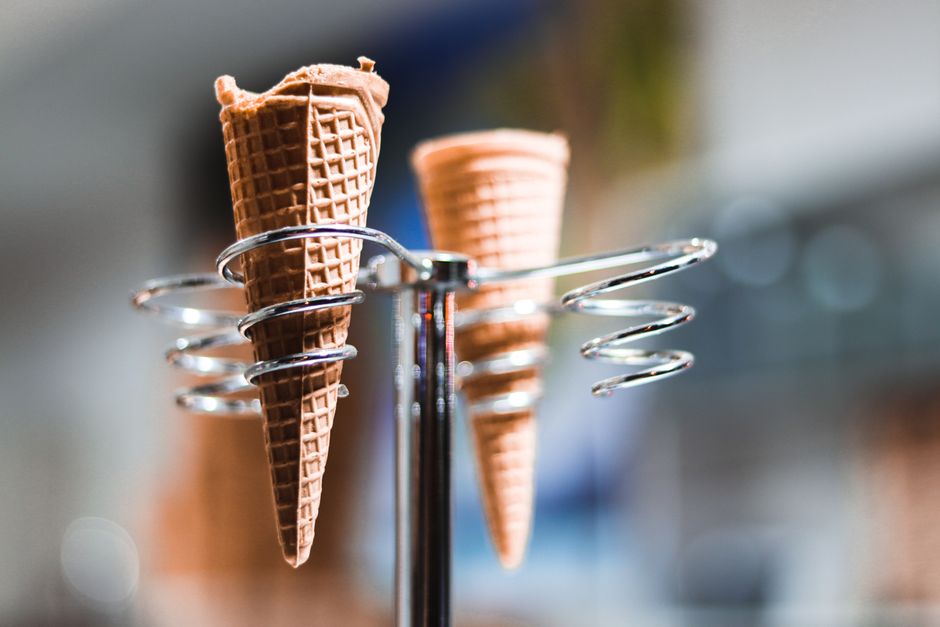
As the ice cream cone industry matured, manufacturers developed numerous variations to suit different tastes and applications. The sugar cone emerged in the 1920s, offering a sweeter, sturdier alternative to the original rolled waffle cone. These featured a denser composition and distinctive crosshatch pattern that helped them support heavier ice cream servings.

The cake cone, also called a wafer cone, appeared as a more economical option with a lighter, crunchier texture. Its industrial production methods made it the most affordable choice for vendors and consumers alike. Later innovations included the pretzel cone, chocolate-dipped varieties, and waffle bowl adaptations designed for sundaes and other elaborate presentations.

Cultural Impact and Lasting Legacy

The ice cream cone fundamentally transformed dessert culture by making ice cream a truly portable treat. This innovation enabled the growth of ice cream parlors, street vendors, and eventually drive-through soft-serve establishments. The cone became an enduring symbol of summer, childhood, and simple pleasures, appearing countless times in art, literature, and popular culture.

Today, manufacturers worldwide produce billions of ice cream cones annually, serving as the foundation for a multi-billion-dollar global industry. From its contested origins to its current status as an indispensable component of frozen dessert service, the ice cream cone represents a remarkable convergence of necessity, innovation, and cultural exchange that continues to delight consumers more than a century after its popularization.
The Science Behind Why We Crave Sugar

The Science Behind Why We Crave Sugar

⏱️ 5 min read

Sugar cravings are a universal human experience, transcending cultures, ages, and dietary preferences. That intense desire for something sweet isn't simply a matter of weak willpower or poor discipline—it's rooted in complex biological mechanisms that have evolved over millions of years. Understanding the science behind these cravings can help explain why resisting that slice of cake or afternoon candy bar feels like such a monumental challenge.

The Evolutionary Advantage of Sugar Preference

Human attraction to sugar is fundamentally an evolutionary adaptation. Our ancestors lived in environments where calorie-dense foods were scarce and unpredictable. Sweet-tasting foods in nature, such as ripe fruits and honey, provided quick energy and essential nutrients while being safe to consume. Unlike bitter or sour tastes that often signaled toxins or unripe foods, sweetness indicated a reliable calorie source.

This preference became hardwired into our biology through natural selection. Individuals who sought out and consumed sweet foods had better survival rates and produced more offspring, passing this trait down through generations. Today, even though most people in developed nations have constant access to food, this ancient programming remains deeply embedded in our neurological and hormonal systems.

How the Brain Responds to Sugar

When sugar touches the tongue, it activates sweet taste receptors that send signals to the brain's reward system. This triggers a cascade of neurological responses that make sugar consumption feel pleasurable and reinforcing.

The Dopamine Connection

Sugar consumption stimulates the release of dopamine, a neurotransmitter associated with pleasure, motivation, and reward. The dopamine is released in the nucleus accumbens, often called the brain's reward center. This same system activates when engaging in other pleasurable activities or, notably, when using addictive substances.

Research has shown that sugar can produce dopamine surges comparable to those caused by certain drugs. With repeated sugar consumption, the brain begins to associate sweet foods with pleasure and reward, creating powerful neural pathways that drive future cravings. Over time, regular sugar intake can lead to a form of tolerance, where more sugar is needed to achieve the same pleasurable effect.

Opioid System Activation

Beyond dopamine, sugar also activates the brain's endogenous opioid system, which is involved in pleasure and pain relief. When we eat sugar, the brain releases natural opioids called endorphins, which create feelings of euphoria and comfort. This explains why people often turn to sweet foods during times of stress or emotional distress—the temporary relief is biochemically real.

Hormonal Influences on Sugar Cravings

Several hormones play crucial roles in regulating appetite, energy balance, and specifically, sugar cravings.

Insulin and Blood Sugar Fluctuations

When we consume sugar, blood glucose levels spike rapidly, prompting the pancreas to release insulin. Insulin helps cells absorb glucose from the bloodstream for energy. However, consuming large amounts of simple sugars can cause insulin to overshoot, leading to a subsequent drop in blood sugar levels. This crash often triggers intense cravings for more sugar as the body seeks to quickly restore glucose levels.

This cycle of spikes and crashes creates a rollercoaster effect that perpetuates sugar cravings throughout the day. Regular consumption of refined sugars and simple carbohydrates can lead to insulin resistance over time, further complicating blood sugar regulation and intensifying cravings.

Leptin and Ghrelin: The Hunger Hormones

Leptin, produced by fat cells, signals satiety to the brain, while ghrelin, produced in the stomach, stimulates appetite. Sugar consumption, particularly fructose, can interfere with leptin signaling, preventing the brain from recognizing that the body has consumed sufficient calories. This leptin resistance can lead to continued eating despite adequate energy intake.

Additionally, diets high in sugar can disrupt ghrelin regulation, causing elevated hunger levels even after meals. This hormonal dysregulation creates a perfect storm for persistent sugar cravings and overeating.

The Gut-Brain Axis and Sugar Preference

Recent research has revealed that the gut microbiome plays a significant role in sugar cravings. The trillions of bacteria living in the digestive system influence brain function through various pathways, including the production of neurotransmitters and metabolites that affect mood and appetite.

Certain bacterial species thrive on sugar and can actually influence host eating behavior to increase sugar consumption. These microbes can send signals through the vagus nerve or release compounds that affect neurotransmitter production, effectively manipulating cravings to serve their own nutritional needs. When sugar intake is reduced, these bacteria die off, which may explain why sugar cravings often decrease after several weeks of a lower-sugar diet.

Stress, Cortisol, and Comfort Eating

The relationship between stress and sugar cravings is mediated primarily through cortisol, the body's main stress hormone. When cortisol levels rise during stressful situations, the brain seeks quick energy sources to deal with perceived threats. Sugar provides rapid glucose availability, making it the perfect target for stress-related cravings.

Chronic stress leads to persistently elevated cortisol, which can increase appetite and specifically drive cravings for sweet, high-calorie foods. This biological response made sense ancestrally when stress typically involved physical threats requiring immediate energy, but in modern life, psychological stress triggers the same mechanisms without the corresponding energy expenditure.

Sleep Deprivation and Sugar Appetite

Insufficient sleep significantly impacts sugar cravings through multiple mechanisms. Sleep deprivation disrupts the balance of hunger hormones, increasing ghrelin and decreasing leptin, which leads to greater appetite and reduced satiety signals. Studies have shown that people who are sleep-deprived tend to consume significantly more calories, particularly from sugary foods.

Poor sleep also impairs the prefrontal cortex, the brain region responsible for decision-making and impulse control, while simultaneously activating reward centers. This combination makes resisting sugar cravings substantially more difficult when tired, as the brain becomes more reactive to food rewards while losing its ability to exercise restraint.

Breaking the Cycle

Understanding the biological basis of sugar cravings reveals that overcoming them requires addressing multiple systems simultaneously. Strategies include stabilizing blood sugar through balanced meals with protein and fiber, managing stress through non-food-related activities, prioritizing adequate sleep, and gradually reducing sugar intake to allow the microbiome and neural pathways to adapt. Rather than relying solely on willpower, working with the body's biology provides a more sustainable approach to managing sugar consumption.