



1 / 20 Questions
0 Points

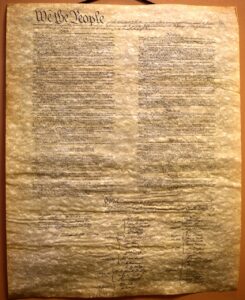
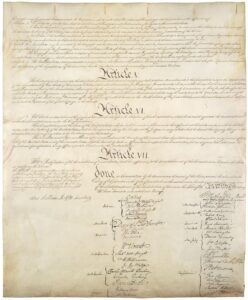
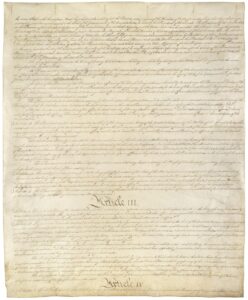
What was the minimum age set for U.S. Senators?

25 years

30 years

35 years

40 years

Points won
0
Correct score
0%

More Quizzes

More Articles

Animals That Use Tools

Animals That Use Tools

⏱️ 5 min read

For centuries, humans believed that tool use was the defining characteristic that separated us from the rest of the animal kingdom. However, decades of research have revealed that numerous species across diverse taxonomic groups possess the remarkable ability to manipulate objects in their environment to achieve specific goals. From birds fashioning hooks to extract insects from tree bark to dolphins using sponges to protect their snouts while foraging, tool use in the animal world demonstrates sophisticated cognitive abilities and problem-solving skills that continue to fascinate scientists and challenge our understanding of animal intelligence.

The Remarkable Intelligence of Primates

Among non-human animals, primates exhibit some of the most complex tool-using behaviors documented in nature. Chimpanzees, our closest living relatives, demonstrate exceptional versatility in their tool use. These great apes fashion fishing rods from twigs to extract termites from their mounds, use stones as hammers and anvils to crack open hard-shelled nuts, and employ leaves as sponges to soak up drinking water from tree hollows. Different chimpanzee communities across Africa have developed distinct tool-using traditions, passed down through generations via social learning, effectively creating unique cultural practices.

Orangutans in Borneo and Sumatra display equally impressive tool-using abilities. They craft specialized tools to extract seeds from heavily protected fruits, use leafy branches as makeshift umbrellas during rainstorms, and employ sticks to test water depth before crossing streams. Capuchin monkeys in South America have been observed using stones to crack open nuts with such force and precision that archaeologists have discovered monkey "workshops" littered with stone fragments bearing striking similarities to early human archaeological sites.

Avian Engineers and Problem Solvers

Birds have repeatedly demonstrated that large brains relative to body size are not prerequisites for sophisticated tool use. New Caledonian crows, native to the islands of New Caledonia in the South Pacific, are perhaps the most celebrated avian tool users. These remarkable birds manufacture hooks from twigs and leaves to extract grubs from crevices, demonstrating not only tool use but tool manufacture with specific design features. What makes their behavior even more impressive is their ability to solve multi-step problems, using one tool to retrieve another tool necessary to access food rewards.

Egyptian vultures have developed an ingenious technique for accessing the nutritious contents of ostrich eggs. Unable to break through the thick shells with their beaks alone, these birds search for suitable rocks, which they then throw at the eggs repeatedly until the shells crack open. Woodpecker finches in the Galápagos Islands use cactus spines or small twigs to probe bark for insects, while some species of herons have been observed dropping small objects onto water surfaces as lures to attract curious fish within striking range.

Marine Mammals and Their Underwater Innovations

The underwater realm presents unique challenges and opportunities for tool use, and several marine mammal species have risen to meet them. Bottlenose dolphins in Shark Bay, Australia, demonstrate a behavior known as sponging, where individuals tear off cone-shaped marine sponges and wear them over their rostrums while foraging along the seafloor. This protective covering prevents injuries from sharp rocks, venomous creatures, and abrasive substrates while the dolphins search for hidden fish. This behavior appears to be culturally transmitted from mothers to offspring, primarily along female lineages.

Sea otters are among the few marine mammals that regularly use tools, and they do so with impressive frequency. These charismatic creatures use rocks as anvils, placing them on their chests while floating on their backs and smashing hard-shelled prey such as abalone, clams, and sea urchins against the stone surface. Individual otters often develop preferences for particular rocks, carrying their favorite tools with them in the loose skin pouches under their forelimbs.

Unexpected Tool Users Across the Animal Kingdom

Tool use extends far beyond mammals and birds, appearing in species that might seem unlikely candidates for such sophisticated behavior. Several species of octopuses have been observed collecting coconut shell halves and carrying them considerable distances across the ocean floor. When threatened, these intelligent cephalopods assemble the shells around themselves, creating portable shelters. This behavior requires planning, as the octopuses must anticipate future needs while moving awkwardly with their protective shells.

Certain species of ants use debris, leaf fragments, and even pebbles as tools to transport liquid food back to their colonies. By dipping these absorbent materials into liquid sources, the ants can carry far more food than they could in their mouths or crops alone. Even some fish species have joined the tool-using club. Tuskfish and some wrasse species carry clams to favorite rocks, which they use as anvils to smash open the shellfish, demonstrating that complex cognition associated with tool use exists even in animals with relatively small brains.

What Tool Use Reveals About Animal Cognition

The widespread occurrence of tool use across diverse animal groups challenges previous assumptions about intelligence, consciousness, and cognitive evolution. Tool use typically requires several cognitive components: recognizing a problem, understanding the physical properties of potential tools, planning sequences of actions, and in some cases, modifying natural objects into functional implements. These abilities suggest sophisticated mental processes including mental representation, causal reasoning, and forward planning.

The discovery of cultural transmission of tool-using behaviors in multiple species further complicates our understanding of animal cognition. When specific tool-using techniques are passed down through generations within particular populations but not others of the same species, it demonstrates that these behaviors are learned rather than purely instinctive. This social learning capacity indicates that many tool-using species possess the cognitive flexibility to innovate, imitate, and accumulate knowledge over time.

As research continues to unveil new examples of tool use across the animal kingdom, the boundaries of what we consider uniquely human continue to shift. These discoveries not only enhance our appreciation for the cognitive abilities of our fellow creatures but also provide crucial insights into the evolutionary origins of human intelligence and the diverse pathways through which complex cognition can emerge.

Top 10 Movies With the Best Costume Design

Top 10 Movies With the Best Costume Design

⏱️ 7 min read

Costume design in cinema serves as a powerful storytelling tool, transforming actors into characters while establishing time periods, social hierarchies, and emotional atmospheres. The finest costume work transcends mere clothing to become an integral part of a film's visual language. From period dramas requiring meticulous historical research to fantasy epics demanding boundless imagination, exceptional costume design elevates cinematic experiences and often becomes as iconic as the films themselves. The following selections represent pinnacle achievements in the art of costume design, each earning recognition for their extraordinary contributions to filmmaking.

Exceptional Costume Design in Cinema

1. Marie Antoinette (2006) - A Modern Take on 18th Century Opulence

Sofia Coppola's biographical drama showcased costume designer Milena Canonero's magnificent interpretation of 18th-century French court fashion. The film featured over 100 custom-made gowns, incorporating historically accurate silhouettes with contemporary color palettes and fabrics. Canonero's work brilliantly captured the excess and frivolity of Versailles while making the period accessible to modern audiences. The costumes evolved throughout the film, reflecting Marie Antoinette's journey from Austrian princess to French queen. The designer's use of pastel colors, elaborate embroidery, and luxurious materials like silk and taffeta created a visual feast that earned the film an Academy Award for Best Costume Design.

2. Black Panther (2018) - Afrofuturism Meets Traditional African Design

Ruth E. Carter's groundbreaking work on Black Panther revolutionized superhero costume design by drawing inspiration from various African cultures. The designer researched traditional garments from the Maasai, Himba, Dogon, and Basotho peoples, adapting these elements into futuristic designs for the fictional nation of Wakanda. Each tribe within Wakanda received distinct visual identities through color schemes, patterns, and silhouettes. The Border Tribe's blue blankets referenced Basotho heritage, while the Dora Milaje's red armor incorporated Maasai beadwork. Carter's achievement in blending cultural authenticity with science fiction aesthetics earned her the first Academy Award for Costume Design won by an African American, making cinematic history.

3. The Grand Budapest Hotel (2014) - Whimsical European Elegance

Milena Canonero's second appearance on this list demonstrates her versatility, transforming Wes Anderson's quirky vision into sartorial reality. The costume design perfectly complemented Anderson's symmetrical cinematography and pastel color palette. Canonero created distinct looks for different time periods within the film, using purple as the signature color for the 1930s Grand Budapest Hotel staff. The concierge uniforms, featuring sharp lines and rich fabrics, conveyed both elegance and authority. Supporting characters wore meticulously detailed period-appropriate attire that enhanced the film's storybook quality while maintaining historical plausibility.

4. Phantom Thread (2017) - Post-War London Haute Couture

Mark Bridges captured the rarefied world of 1950s London haute couture in Paul Thomas Anderson's psychological drama. The designer created garments that functioned as both costumes and actual fashion pieces, reflecting the obsessive perfectionism of the film's protagonist, a renowned dressmaker. Bridges researched post-war British fashion houses and constructed dresses using period-appropriate techniques, including hand-stitching and traditional draping. The "Never Cursed" wedding dress, a pivotal element in the narrative, required weeks of detailed embroidery work. The costumes' construction became essential to the storytelling, illustrating themes of control, artistry, and obsession.

5. Lawrence of Arabia (1962) - Epic Desert Costuming

Phyllis Dalton's iconic work on David Lean's masterpiece established a gold standard for historical epic costuming. The designer faced the challenge of clothing hundreds of extras in authentic Bedouin attire while ensuring lead actors remained visually distinct in desert landscapes. T.E. Lawrence's white robes became one of cinema's most memorable costume pieces, symbolizing his transformation and cultural adaptation. Dalton researched extensively, consulting historical photographs and Middle Eastern textile experts to achieve authenticity. The flowing garments needed to function practically in harsh desert filming conditions while photographing beautifully in the extreme brightness of desert locations.

6. Chicago (2002) - Roaring Twenties Glamour and Seduction

Colleen Atwood brought Jazz Age decadence to life through sultry, form-fitting costumes that enhanced the musical numbers' choreography. The designer created over 1,500 costume pieces, each reflecting 1920s silhouettes while allowing performers freedom of movement during complex dance sequences. Atwood's palette of blacks, silvers, and golds created a sophisticated atmosphere, while strategic use of fringe, sequins, and beading added movement and visual interest. The iconic "Cell Block Tango" black lingerie looks became instantly recognizable, balancing historical accuracy with theatrical flair. Each principal character received a distinct color scheme that reflected their personality and role in the narrative.

7. My Fair Lady (1964) - Edwardian Elegance and Transformation

Cecil Beaton's legendary costume design showcased Eliza Doolittle's transformation from flower girl to lady through meticulously crafted garments. The film featured some of cinema's most elaborate costume work, including the famous Ascot Racecourse scene with its striking black-and-white ensembles. Beaton created the iconic black-and-white striped dress that became synonymous with the film, combining massive hats with coordinated parasols for a stunning visual statement. Eliza's progression was charted through increasingly sophisticated clothing, from tattered street wear to elegant gowns. The designer's backgrounds in fashion photography and theatrical design informed his cinematic approach, resulting in costumes that photographed magnificently.

8. The Favourite (2018) - Darkly Comedic Georgian Splendor

Sandy Powell's unconventional approach to 18th-century British court fashion perfectly matched the film's sardonic tone. The designer maintained historical silhouettes while incorporating modern fabrics and unexpected details, creating visually accurate yet distinctly stylized costumes. Powell used costume to illustrate power dynamics, with Queen Anne's elaborate gowns contrasting with Sarah Churchill's riding habits and Abigail Hill's servant attire. The designer's strategic use of black, white, and jewel tones created stark visual contrasts that emphasized the film's psychological warfare. Period-appropriate construction techniques were employed, but Powell wasn't afraid to prioritize dramatic effect over strict historical accuracy when serving the story.

9. Crouching Tiger, Hidden Dragon (2000) - Qing Dynasty Martial Arts Elegance

Tim Yip's costume design merged historical Chinese fashion with the practical demands of wire-fu martial arts choreography. The designer created flowing garments that moved beautifully during fight sequences while maintaining period authenticity. Each character's costume reflected their social position and martial arts philosophy, from Li Mu Bai's scholar-warrior robes to Jade Fox's darker, more aggressive attire. Yip employed traditional Chinese textile techniques, including detailed embroidery and layered construction. The costumes needed to function during complex wire work while photographing elegantly in both intimate scenes and spectacular action sequences, a challenging balance Yip achieved masterfully.

10. Little Women (2019) - American Civil War Era Authenticity

Jacqueline Durran's approach to Louisa May Alcott's classic tale emphasized both historical accuracy and character development through costume evolution. The designer differentiated the March sisters through distinct color palettes and silhouettes that reflected their personalities while maintaining period authenticity. Jo's practical, somewhat masculine attire contrasted with Amy's fashion-conscious choices and Meg's attempts at respectability despite financial constraints. Durran researched Civil War-era American fashion, incorporating authentic construction methods and fabrics. The non-linear narrative required careful costume continuity, with subtle aging and alterations marking different time periods. The designer's work earned an Academy Award for its seamless blend of historical detail and character-driven storytelling.

The Lasting Impact of Exceptional Costume Design

These ten films demonstrate that costume design extends far beyond superficial decoration. Whether recreating historical periods with painstaking accuracy, imagining fantastical worlds with cultural authenticity, or using garments to illustrate character psychology and narrative themes, exceptional costume work becomes inseparable from cinematic storytelling. The designers behind these achievements spent countless hours researching, constructing, and perfecting their creations, often employing traditional techniques while innovating for modern filmmaking demands. Their contributions earned critical recognition through Academy Awards and industry acclaim while creating enduring visual images that continue influencing fashion, film, and popular culture. These masterworks remind us that costume design, when executed with vision and skill, transforms cinema into wearable art.