










1 / 10 Questions
0 Points

What animal can sleep for three years straight?

Koala

Sloth

Bear

Snail

Points won
0
Correct score
0%

More Quizzes

More Articles

How History Repeats in Unexpected Ways

How History Repeats in Unexpected Ways

⏱️ 5 min read

Throughout centuries of human civilization, patterns emerge that seem eerily familiar despite occurring in vastly different contexts. While the adage "history repeats itself" has become somewhat clichéd, the reality is far more nuanced and fascinating. Rather than exact repetition, history often echoes through parallel circumstances, revealing fundamental aspects of human nature, societal structures, and the cyclical patterns of progress and decline. These repetitions manifest in unexpected ways, offering valuable insights for understanding contemporary challenges and anticipating future developments.

Economic Bubbles Across Centuries

One of the most striking examples of historical repetition appears in economic cycles, particularly speculative bubbles. The Dutch Tulip Mania of 1637 stands as one of the earliest recorded financial bubbles, where tulip bulb prices reached extraordinarily inflated levels before dramatically collapsing. Fast forward to the late 1990s, and the dot-com bubble exhibited remarkably similar characteristics: massive speculation on assets with questionable intrinsic value, frenzied buying behavior, and an inevitable crash that devastated investors.

More recently, the cryptocurrency boom and subsequent volatility of the 2010s and 2020s displayed nearly identical patterns. Despite technological advances and supposedly more sophisticated financial understanding, human psychology remained constant. The fear of missing out, herd mentality, and irrational exuberance drove prices to unsustainable levels, just as they had centuries earlier with tulip bulbs. These cycles demonstrate that while the assets change—from flowers to technology stocks to digital currencies—the underlying human behaviors driving financial manias remain remarkably consistent.

Technological Disruption and Social Anxiety

The arrival of transformative technologies has repeatedly triggered similar patterns of fear, resistance, and eventual adaptation throughout history. When the printing press emerged in the 15th century, religious and political authorities worried about losing control over information dissemination. Critics claimed it would spread dangerous ideas and undermine established order. These concerns mirror almost exactly the anxieties expressed about the internet in the 1990s and social media platforms in the 2000s and 2010s.

The Industrial Revolution provides another compelling parallel to contemporary technological disruption. The Luddite movement of the early 19th century, where textile workers destroyed machinery they believed threatened their livelihoods, finds its echo in modern concerns about artificial intelligence and automation displacing human workers. While the technologies differ dramatically, the fundamental tension between technological progress and economic security repeats itself with each major technological shift.

Pandemics and Public Health Responses

The COVID-19 pandemic of 2020 revealed striking similarities to historical disease outbreaks, particularly the 1918 influenza pandemic. Both events saw:

  • Initial downplaying of severity by authorities and public figures
  • Debates over quarantine measures and individual liberty
  • Waves of infection following premature relaxation of restrictions
  • Economic devastation accompanying public health crises
  • Scapegoating of particular populations or groups
  • The spread of misinformation and competing health remedies

Perhaps most surprisingly, resistance to mask-wearing and public health measures in 2020 mirrored opposition to similar measures during the 1918 pandemic, complete with "anti-mask leagues" in cities like San Francisco. Even the progression of both pandemics—with devastating second and third waves—followed similar patterns, suggesting that despite a century of medical advances, human behavioral responses to widespread disease remain remarkably consistent.

Immigration Debates Through Different Eras

Immigration has been a recurring flashpoint throughout American and European history, with debates following predictable patterns across different immigrant groups. In the 1840s and 1850s, Irish Catholic immigrants faced intense discrimination and were accused of threatening American Protestant culture, refusing to assimilate, and taking jobs from native-born workers. Political cartoons depicted them as violent, drunken, and intellectually inferior.

These same accusations reappeared with each subsequent wave of immigration: directed at Italian and Eastern European immigrants in the early 20th century, Mexican immigrants throughout the late 20th century, and Middle Eastern and African immigrants in the early 21st century. The rhetoric, concerns, and political movements opposing immigration have remained remarkably consistent across more than 150 years, despite the changing identities of the immigrant groups themselves. Ironically, descendants of previously vilified immigrant groups often become vocal opponents of newer arrivals, perpetuating the cycle.

The Rise and Fall of Empires

Historical scholarship has long noted patterns in the life cycles of empires and great powers. Edward Gibbon's analysis of Rome's decline identified factors including military overextension, political corruption, economic strain, and internal division. These same factors appear repeatedly in the decline of subsequent empires, from the Ottoman Empire to the British Empire.

Contemporary observers note similar warning signs in modern great powers: infrastructure decay, political polarization, military commitments exceeding resources, and wealth inequality. While historical comparison has limitations, the recurring patterns suggest certain structural vulnerabilities consistently emerge in dominant civilizations, regardless of their specific cultural or technological contexts.

Youth Movements and Generational Tension

Each generation tends to view its conflicts as unprecedented, yet generational tensions follow recognizable patterns. The countercultural movements of the 1960s shocked older generations with their rejection of traditional values, unconventional appearance, and confrontational politics. Yet similar dynamics occurred during the Romantic movement of the early 19th century, the bohemian movements of the late 19th century, and the jazz age of the 1920s.

Today's debates about youth activism, changing social norms, and generational values continue this pattern. The medium may be TikTok rather than underground newspapers, but the fundamental dynamic of younger generations challenging established norms while older generations express alarm remains constant across centuries.

Understanding the Patterns

Recognizing these historical patterns doesn't mean events are predetermined or that specific outcomes are inevitable. Rather, understanding these repetitions provides valuable perspective on current challenges and reveals the enduring aspects of human nature beneath surface-level technological and cultural changes. By studying how history echoes across different eras, societies can potentially make more informed decisions, avoid repeating past mistakes, and better anticipate the consequences of current trends. The unexpected ways history repeats itself ultimately demonstrate that while circumstances change dramatically, fundamental human behaviors, social dynamics, and institutional patterns remain surprisingly consistent across time.
The Role of Bees in Global Agriculture

The Role of Bees in Global Agriculture

⏱️ 5 min read

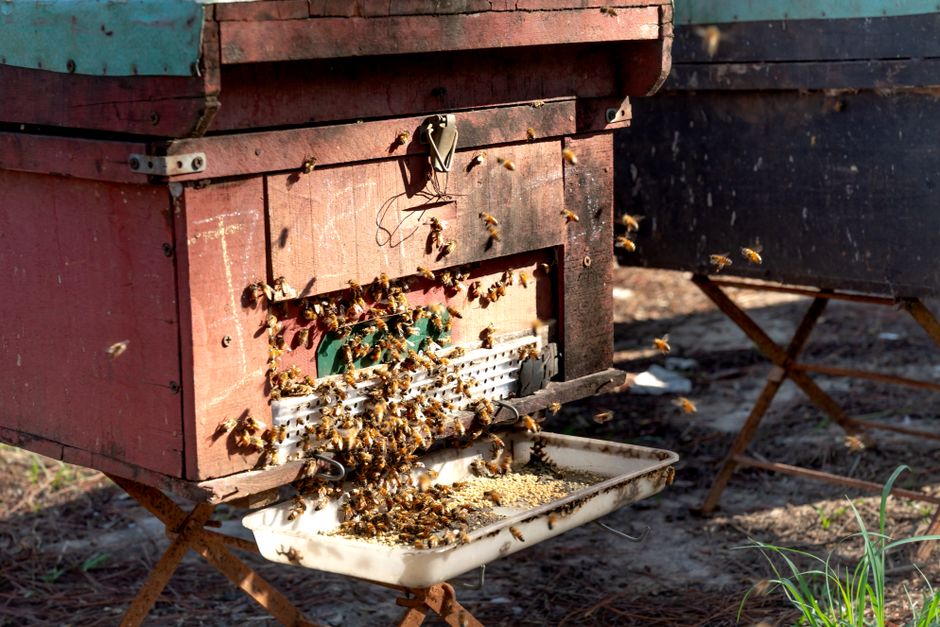
Bees represent one of nature's most industrious and essential creatures, serving as the backbone of agricultural systems worldwide. These remarkable insects facilitate the reproduction of countless plant species through pollination, directly influencing food security, biodiversity, and economic stability across every continent. Understanding their multifaceted contributions to agriculture reveals why their declining populations have become a critical concern for scientists, farmers, and policymakers alike.

The Pollination Process and Agricultural Productivity

Pollination occurs when bees transfer pollen grains from the male parts of flowers to the female parts, enabling fertilization and seed production. This seemingly simple act creates profound impacts on crop yields and quality. Approximately 75% of the world's food crops depend at least partially on animal pollination, with bees performing the majority of this work. Unlike wind or other pollinators, bees actively collect pollen and nectar, making them highly efficient pollinators that visit numerous flowers during single foraging trips.

The economic value of bee pollination reaches staggering proportions. Global estimates place the annual worth of pollination services between $235 billion and $577 billion, accounting for 9.5% of total agricultural production value. This contribution extends beyond mere numbers, as bee-pollinated crops typically exhibit improved fruit set, enhanced nutritional content, and better uniformity in size and shape—qualities that command premium prices in international markets.

Diversity of Bee Species in Agriculture

While honeybees often dominate discussions about agricultural pollination, the reality encompasses far greater diversity. Over 20,000 bee species exist globally, with wild bees frequently outperforming their domesticated counterparts in pollinating specific crops. Bumblebees excel at "buzz pollination," a technique essential for tomatoes, blueberries, and cranberries, where they vibrate their flight muscles to release pollen from flowers with specific anatomical structures.

Solitary bees, including mason bees and leafcutter bees, demonstrate remarkable efficiency despite their lesser-known status. A single female mason bee can pollinate as effectively as 100 honeybees in apple orchards. These diverse species exhibit different foraging patterns, weather tolerances, and flower preferences, creating redundancy in pollination services that strengthens agricultural resilience against environmental fluctuations.

Crops Most Dependent on Bee Pollination

Certain agricultural sectors rely almost exclusively on bee activity for commercial viability. Almond production represents the most striking example, requiring approximately 2.8 million honeybee colonies annually in California alone—nearly 70% of all managed colonies in the United States. Without adequate bee populations, almond yields would plummet, disrupting a $6 billion industry.

Additional crops demonstrating heavy reliance on bee pollination include:

  • Fruits: apples, cherries, blueberries, strawberries, melons, and kiwis
  • Vegetables: cucumbers, pumpkins, squash, and tomatoes
  • Nuts: almonds, cashews, and Brazil nuts
  • Oilseeds: sunflowers, canola, and some varieties of cotton
  • Stimulants: coffee and cocoa

These crops constitute essential components of human nutrition, providing vitamins, minerals, healthy fats, and dietary diversity that prevent malnutrition and support public health initiatives worldwide.

Economic Impacts on Farming Communities

Bee populations directly influence the livelihoods of millions of farmers, particularly smallholders in developing nations. In regions where industrial agriculture remains limited, wild bee populations provide free ecosystem services that enable crop production without significant capital investment. Studies from tropical regions demonstrate that proximity to natural habitats supporting diverse bee populations correlates with increased coffee yields, sometimes improving productivity by 20% or more.

Commercial beekeeping operations also generate substantial income through pollination services. Farmers increasingly rent honeybee hives during blooming periods, creating a specialized industry worth billions annually. This practice has become so integral to modern agriculture that hive rental prices have increased dramatically, particularly for high-value crops, transforming beekeeping from primarily a honey-production endeavor into a pollination-focused business.

Threats to Bee Populations and Agricultural Stability

Multiple stressors converge to threaten bee populations globally, creating cascading risks for agricultural systems. Habitat loss through agricultural intensification paradoxically eliminates the wild spaces bees require for nesting and foraging on diverse floral resources. Monoculture farming creates nutritional deficiencies for bees, forcing them to subsist on limited pollen sources that lack essential amino acids and micronutrients.

Pesticide Exposure

Neonicotinoid insecticides and other agricultural chemicals present significant hazards to bee health. These substances impair navigation abilities, reduce reproductive success, and compromise immune function, making bees vulnerable to diseases and parasites. Sub-lethal exposure effects prove particularly insidious, weakening colonies gradually rather than causing immediate mortality that might prompt regulatory intervention.

Climate Change Considerations

Shifting temperature patterns and precipitation regimes disrupt the synchronization between flower blooming and bee emergence. These phenological mismatches reduce food availability during critical periods, while extreme weather events destroy nests and eliminate forage resources. Range shifts force bee species toward cooler regions, potentially leaving agricultural areas without adequate pollinator populations.

Conservation Strategies for Agricultural Sustainability

Protecting bee populations requires integrated approaches combining habitat restoration, pesticide reduction, and farming practice modifications. Establishing wildflower margins around agricultural fields provides continuous floral resources and nesting sites for diverse bee species. Reducing tillage preserves underground nesting habitats for the majority of bee species that nest in soil rather than hives.

Implementing integrated pest management reduces reliance on broad-spectrum insecticides, while timing applications to avoid blooming periods minimizes direct exposure. Supporting diverse agricultural landscapes through crop rotation and polyculture systems creates heterogeneous environments that sustain larger, more stable bee populations capable of providing consistent pollination services.

The future of global food security remains inextricably linked to bee conservation. Recognizing these insects as agricultural infrastructure rather than mere wildlife transforms conservation from an environmental concern into an economic imperative, ensuring continued productivity for generations ahead.