








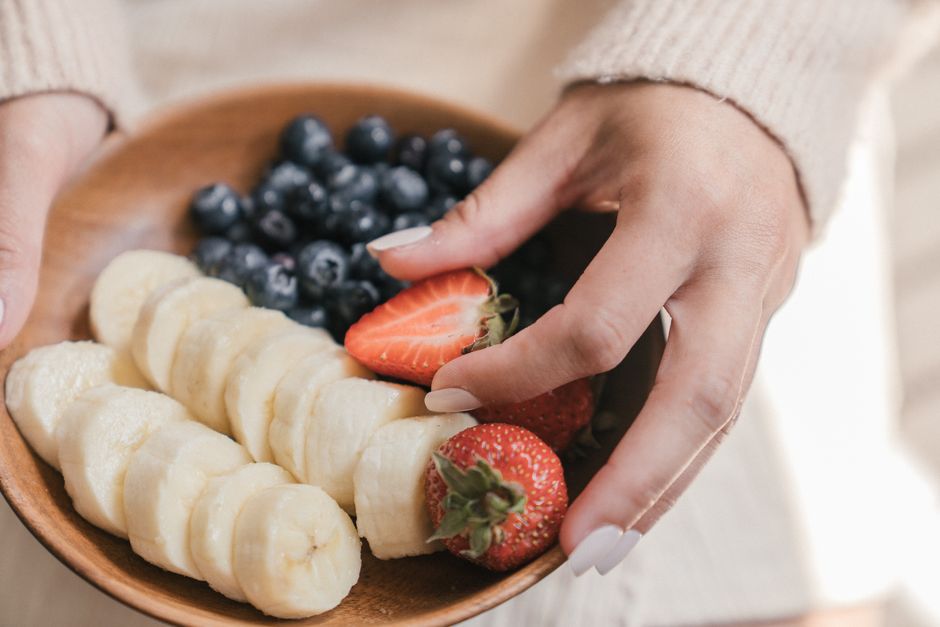
Why Bananas Are Berries But Strawberries Are Not
By Trivia Daily, Staff Writer — Published August 27, 2026
Table of Contents
- Key Takeaways
- The Botanical Definition of a True Berry
- Why Bananas Qualify as Botanical Berries
- Why Strawberries Fail the Berry Test
- Surprising True Berries and Berry Imposters
- Why the Confusion Exists
- Frequently Asked Questions
Few pieces of trivia spark as much surprise as this one: botanically speaking, bananas qualify as berries while strawberries do not. This curious fact overturns what most people assume about these familiar fruits and reveals how dramatically everyday language differs from scientific classification. The truth behind bananas, berries, and strawberries hinges on botanical definitions that have nothing to do with size, sweetness, or how we eat them.
Understanding this classification requires exploring how botanists define a berry—and discovering that grapes, kiwis, and even watermelons share more in common with bananas than strawberries ever will.
Key Takeaways
- Botanically, a berry must develop from a single ovary of a single flower and contain seeds embedded in the flesh.
- Bananas meet all botanical criteria for berries, forming from one ovary and originally containing seeds (though modern cultivated varieties are seedless).
- Strawberries are "aggregate accessory fruits" that develop from a flower with multiple ovaries, with seeds on the outside.
- Other surprising berries include tomatoes, eggplants, peppers, grapes, and kiwis.
- Raspberries and blackberries are also not true berries—they're aggregate fruits formed from multiple ovaries.
- The culinary definition of "berry" has almost nothing in common with the botanical one.
The Botanical Definition of a True Berry
Botanists use precise criteria to classify fruits. A true berry must meet three specific requirements: it develops from a single flower with one ovary, has a fleshy middle layer called the mesocarp, and contains seeds embedded within that flesh. The outer skin forms from the ovary wall.
This definition eliminates many fruits we casually call berries. The classification focuses entirely on reproductive structure and development, not taste, size, or traditional culinary use. When botanists examine a fruit, they trace its origin back to the flower's anatomy, counting ovaries and tracking which parts of the flower became which parts of the fruit.
The ovary is the key. A single ovary means a single chamber in the flower that contains the ovules, which become seeds after pollination. Multiple ovaries in one flower lead to different fruit classifications entirely.
Why Bananas Qualify as Botanical Berries
Bananas develop from a single flower with one ovary containing multiple ovules. The entire fruit forms from this single ovary, with the thick, fleshy part we eat representing the ovary wall. Wild bananas contain large, hard seeds throughout the flesh—clear evidence of their berry classification.
Modern cultivated bananas are seedless through a quirk of breeding. The Cavendish banana and other commercial varieties are triploid, meaning they have three sets of chromosomes instead of the normal two. This genetic configuration prevents normal seed development, leaving only tiny black specks where seeds would have formed. These specks are unfertilized ovules.
The banana's berry status surprises people because of its shape and size. We expect berries to be small and round. But botanical classification doesn't consider dimensions—only developmental origin. A watermelon is also a berry (specifically a type called a pepo), despite weighing dozens of pounds.
Why Strawberries Fail the Berry Test
A strawberry flower contains multiple ovaries, not one. Each tiny seed on a strawberry's surface is actually an individual fruit called an achene. The red, fleshy part we enjoy eating isn't derived from the ovary at all—it's the enlarged receptacle, the stem tip that held the flower.
This makes strawberries "aggregate accessory fruits." Aggregate because they form from multiple ovaries in a single flower. Accessory because the edible portion comes from tissue other than the ovary. The strawberry essentially carries dozens of separate tiny fruits on its surface, while the sweet red flesh serves as a vehicle for dispersing those seeds.
Raspberries and blackberries share this aggregate structure. Each little bubble on a raspberry is a separate drupelet with its own seed, all clustered together. They're aggregate fruits but not berries.
Surprising True Berries and Berry Imposters
| Fruit | Botanical Classification | Why |
|---|---|---|
| Banana | True berry | Single ovary, seeds embedded in flesh |
| Grape | True berry | Single ovary, multiple seeds inside |
| Tomato | True berry | Single ovary, numerous seeds in gel |
| Kiwi | True berry | Single ovary, many small black seeds |
| Strawberry | Aggregate accessory fruit | Multiple ovaries, seeds on outside |
| Raspberry | Aggregate fruit | Multiple ovaries form drupelets |
| Blackberry | Aggregate fruit | Multiple ovaries form drupelets |
Cucumbers, peppers, and eggplants all qualify as berries. So do blueberries and cranberries—finally, fruits whose common names align with botanical reality. Avocados are berries too, each containing a single large seed surrounded by fatty flesh derived from the ovary wall.
Why the Confusion Exists
The disconnect between botanical and culinary terminology creates this confusion. Cooks and consumers classify fruits by taste, texture, and use. Sweet, small, soft fruits become "berries" in everyday language. Large, savory fruits become "vegetables" even when they're botanically fruits.
Language evolves to serve practical purposes, not scientific precision. People called strawberries "berries" for centuries before botanists developed formal classification systems. The word "berry" in Old English simply meant any small, round fruit. Common usage preserves that ancient, functional definition while science moved on to structural criteria.
Botanists don't expect grocery stores to relabel strawberries or move bananas to the berry section. Scientific classification serves researchers studying plant evolution, reproduction, and relationships. It helps botanists understand which plants share recent common ancestors and how different fruit structures evolved to attract different seed dispersers.
Frequently Asked Questions
Are blueberries actually berries?
Yes, blueberries are true botanical berries. They develop from a single ovary and contain multiple small seeds embedded in the flesh, meeting all the criteria for berry classification.
What is the largest berry in the world?
The pumpkin holds this distinction as the largest berry, with record specimens exceeding 2,600 pounds. Pumpkins and other squashes are berries with a hard outer rind, classified as pepos.
Why do bananas have no seeds?
Commercial bananas are seedless because they're triploid, possessing three sets of chromosomes instead of two. This prevents normal sexual reproduction and seed formation, though wild bananas contain large, hard seeds.
Are cherries considered berries?
No, cherries are drupes, or stone fruits. They have a hard pit (endocarp) surrounding a single seed, unlike berries which have seeds distributed throughout softer flesh.
The botanical truth about berries reminds us that scientific classification often contradicts everyday experience. The next time you slice a banana or bite into a strawberry, you'll know you're experiencing one of nature's delightful taxonomic paradoxes—proof that sometimes the most ordinary things hide the most extraordinary surprises.