








1 / 10 Questions
0 Points

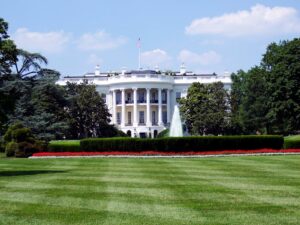
Which Scandal Led To Richard Nixon’s 1974 Resignation?

Iran-Contra

Watergate

Teapot Dome

Whitewater

Points won
0
Correct score
0%

More Quizzes

More Articles

12 Crazy Facts About Hollywood Red Carpets

12 Crazy Facts About Hollywood Red Carpets

⏱️ 7 min read

The glamorous red carpet has become synonymous with Hollywood luxury, but behind the velvet ropes and flashing cameras lies a world of surprising traditions, astronomical costs, and bizarre rituals that most viewers never see. From its unexpected origins to the carefully orchestrated chaos of modern award shows, the red carpet experience is far stranger and more fascinating than it appears on television.

The Surprising Origins and Evolution of Red Carpet Culture

The Ancient Greek Origins of Rolling Out Red

The tradition of red carpets dates back to ancient Greece in 458 BCE, first mentioned in the play "Agamemnon" by Aeschylus. In the play, a crimson path is laid out for the titular king, symbolizing a divine walkway worthy only of gods. The color red was incredibly expensive to produce in ancient times, requiring thousands of crushed insects or rare mollusks to create the dye. This made red carpets an ultimate status symbol reserved for royalty and deities. Hollywood merely borrowed this ancient tradition and transformed it into the entertainment spectacle we know today.

The First Hollywood Red Carpet Debuted at a Movie Theater

Contrary to popular belief, the first Hollywood red carpet wasn't rolled out at an awards ceremony but at the Egyptian Theatre in Hollywood for the premiere of "Robin Hood" starring Douglas Fairbanks in 1922. Sid Grauman, the theater's owner, installed a crimson carpet to add grandeur to the event. The Academy Awards didn't adopt the red carpet tradition until much later, with the first Oscar red carpet appearing in 1961 at the 33rd Academy Awards ceremony.

Red Carpets Cost Up to $100,000 Per Event

A single red carpet at a major awards ceremony can cost anywhere from $25,000 to $100,000 or more. These aren't ordinary carpets—they're specially manufactured, flame-retardant, weather-resistant fabrics that must meet strict safety codes. The carpet for the Academy Awards stretches approximately 500 feet and weighs over 3,000 pounds. After the event, these expensive carpets are typically recycled, donated to charities, or occasionally sold in pieces to collectors and superfans willing to pay hundreds of dollars for a small square.

Behind the Scenes Secrets and Logistics

Celebrities Get Detailed Instruction Packets Before Walking

Before stepping onto the red carpet, celebrities and their teams receive comprehensive briefing packets that outline everything from arrival times to where they should pause for photos. These documents include maps showing designated interview zones, photographer positions, and escape routes. A-list stars are assigned specific time slots to avoid awkward encounters or carpet congestion. The packets even specify which outlets have been granted interview privileges and how long each interview should last—typically no more than 30-60 seconds per media organization.

Professional Pullers Are Hired to Manage Dresses

The glamorous gowns celebrities wear often require dedicated handlers called "dress wranglers" or "pullers" who walk behind or beside stars to arrange trains, prevent tripping, and ensure the garments photograph perfectly from every angle. These professionals are skilled in emergency fashion repairs and can execute quick fixes for wardrobe malfunctions invisible to cameras. Some high-profile celebrities employ their own personal dress wranglers, while others rely on teams provided by designers or event organizers.

The Mani-Cam and Fashion Technology Have Changed Red Carpet Coverage

In 2013, E! Entertainment introduced the "Mani-Cam," a miniature camera runway where celebrities could show off their manicures by walking their fingers down a tiny red carpet. While it received mixed reactions and was eventually discontinued, it represented a broader trend of technological innovation in red carpet coverage. Today, 360-degree cameras, augmented reality graphics, and live-streaming platforms have transformed how millions of viewers worldwide experience these events, creating an immersive experience that extends far beyond traditional television broadcasts.

The Business and Politics of Red Carpet Appearances

Jewelry Worn Is Often Worth More Than Homes

The jewelry adorning celebrities on the red carpet frequently carries values exceeding millions of dollars. At the 2019 Academy Awards, Lady Gaga wore the legendary Tiffany Diamond, a 128.54-carat yellow diamond worth approximately $30 million, making her one of only three people to ever wear it publicly. These pieces come with armed security guards, insurance policies with seven-figure premiums, and sometimes tracking devices. Jewelry houses compete fiercely for celebrity placements, as a single red carpet appearance can generate millions in publicity and boost sales exponentially.

Designers Pay Celebrities to Wear Their Creations

While many assume designers simply loan dresses to celebrities for free publicity, the reality is more complex. Top-tier celebrities often receive payment ranging from $100,000 to $250,000 to wear specific designers on major red carpets. These arrangements involve detailed contracts stipulating which accessories must be worn, how the celebrity will credit the designer in interviews, and social media posting requirements. Lesser-known actors, conversely, may actually pay stylists thousands of dollars to secure designer loans, creating a fascinating economic hierarchy on the red carpet.

Unusual Traditions and Superstitions

The Secret Language of Carpet Positioning

Where a celebrity is positioned on the red carpet reveals their status in Hollywood's hierarchy. The most prestigious spots are near the main entrance where photographers congregate most densely. Publicists negotiate these positions months in advance, and arrival times are strategically planned so their clients hit peak photographer and media presence. Lesser-known actors are often scheduled for earlier arrival times before major media outlets are fully staffed, while A-listers arrive during prime coverage windows when viewership peaks.

Many Celebrities Don't Eat for Days Before Major Carpets

Fashion and fitness preparations for major red carpet events often involve extreme measures. Many celebrities undertake severe dietary restrictions, with some consuming only liquids for 24-48 hours before an event to appear more streamlined in form-fitting gowns and tuxedos. Personal trainers report increased session requests beginning months before award season. Some stars even use temporary cosmetic procedures, special undergarments that redistribute body shape, and strategic taping techniques to achieve the desired silhouette. This intense preparation culture has sparked important conversations about body image and the unrealistic standards perpetuated by Hollywood.

Modern Changes and Environmental Concerns

Sustainable Red Carpets Are Becoming the New Standard

Environmental consciousness has finally reached red carpet culture, with recent years seeing a shift toward sustainability. Some events now use recycled materials for carpets, while others have experimented with alternative colors like green or blue to promote environmental messages. Celebrities increasingly wear vintage designer pieces, rent their outfits, or choose designers committed to sustainable practices. The 2020 BAFTAs encouraged guests to "re-wear" previous outfits or choose sustainable options, with many stars proudly announcing their eco-friendly choices in interviews.

The Red Carpet Generates Billions in Economic Impact

The economic influence of major red carpets extends far beyond the event itself, generating an estimated $5 billion annually in combined revenue across fashion, jewelry, beauty, and media industries. A single well-executed red carpet appearance can increase a designer's brand value by millions and create fashion trends that influence retail for entire seasons. Social media has amplified this effect, with red carpet looks generating billions of impressions, countless think-pieces, and immediate consumer demand for similar styles. This economic powerhouse has transformed the red carpet from a simple entrance into a crucial marketing platform that shapes global fashion and entertainment industries.

Conclusion

The Hollywood red carpet represents far more than a glamorous entrance to awards ceremonies—it's a complex intersection of ancient tradition, modern marketing, technological innovation, and cultural influence. From its origins in Greek theater to its current status as a multi-billion-dollar industry, the red carpet has evolved into a carefully choreographed spectacle where every detail matters. Behind the seemingly effortless elegance lies a world of strategic planning, astronomical costs, and occasionally absurd logistics. Understanding these hidden aspects doesn't diminish the magic of red carpet moments; rather, it reveals the extraordinary effort required to create the illusion of effortless Hollywood glamour that captivates millions of viewers worldwide. As the industry continues evolving with growing emphasis on sustainability and inclusivity, the red carpet remains an enduring symbol of entertainment excellence and aspirational luxury.

Top 10 Actors Who Did Their Own Stunts

Top 10 Actors Who Did Their Own Stunts

⏱️ 6 min read

In an era where CGI and stunt doubles dominate action sequences, some actors continue to risk life and limb to bring authenticity to their performances. These fearless performers refuse to let someone else take the fall, jump, or punch, insisting on doing their own dangerous work. Their dedication not only elevates the quality of action cinema but also earns them respect from audiences and fellow professionals alike. Here are ten remarkable actors who have consistently pushed the boundaries of what's expected from Hollywood performers.

The Legendary Stunt Performers of Hollywood

1. Tom Cruise: The Death-Defying Mission Impossible Star

Tom Cruise has become synonymous with death-defying stunts that leave audiences and insurance companies equally terrified. Throughout the Mission: Impossible franchise, Cruise has hung from the side of a flying airplane, scaled the Burj Khalifa (the world's tallest building), performed a HALO jump from 25,000 feet, and piloted helicopters through treacherous mountain passes. His commitment reached new heights when he broke his ankle while jumping between buildings during Mission: Impossible – Fallout, only to complete the take before seeking medical attention. Cruise's philosophy is simple: audiences can tell the difference between real and fake, and his dedication to authenticity has made him one of the most bankable action stars in history.

2. Jackie Chan: The Original Master of Physical Comedy and Danger

Before Hollywood embraced actors doing their own stunts, Jackie Chan was already breaking bones and making history in Hong Kong cinema. With a background in Chinese Opera and martial arts, Chan has performed some of the most creative and dangerous stunts in film history. He's fallen from clock towers, slid down poles wrapped in electrified lights, and jumped onto moving hovercrafts. Chan's outtakes, showing his numerous injuries including a fractured skull, broken nose, and countless broken bones, have become legendary. His influence on action cinema is immeasurable, proving that stunts could be both thrilling and artistically innovative.

3. Charlize Theron: The Action Heroine Who Commits Fully

Charlize Theron transformed herself into a legitimate action star through intense physical preparation and stunt work. For Atomic Blonde, she performed approximately 98% of her own stunts, including a brutal eight-minute single-take fight sequence that required months of training. She cracked two teeth during filming and trained so intensely that she developed bruised ribs. In Mad Max: Fury Road, Theron did most of her own driving and fighting despite the treacherous desert conditions. Her dedication to authenticity in action roles has redefined expectations for female action stars.

4. Keanu Reeves: The John Wick Phenomenon

Keanu Reeves has earned respect for his meticulous preparation and execution of complex stunt sequences, particularly in the John Wick franchise. Reeves spends months training in judo, jiu-jitsu, and tactical firearms handling before each film. He performs approximately 95% of his own stunts, including intense fight choreography and driving sequences. In John Wick: Chapter 3, he performed a motorcycle chase where he rode at high speeds while fighting opponents. His dedication extends beyond physical ability; Reeves studies each movement until it becomes second nature, creating the fluid, balletic violence that defines the franchise.

5. Daniel Craig: The Bruised and Battered Bond

Daniel Craig brought a grittier, more physical presence to James Bond, and the injuries to prove it. Throughout his tenure as 007, Craig performed many of his own stunts, suffering numerous injuries including a shoulder injury requiring surgery, a knee injury, a torn calf muscle, and losing two teeth. In Casino Royale, he performed the parkour chase sequence alongside founder Sébastien Foucan. For Skyfall, Craig trained extensively for the motorcycle chase across Istanbul's rooftops. His insistence on practical stunts helped ground the Bond franchise in reality after years of increasingly CGI-heavy action.

6. Harrison Ford: The Aging Action Star Who Won't Quit

Even in his seventies, Harrison Ford continues performing his own stunts with remarkable dedication. Throughout the Indiana Jones franchise, Ford insisted on doing most of his own action sequences, from the truck chase in Raiders of the Lost Ark to various fights and physical comedy. He's suffered numerous injuries over the years, including a torn ACL during The Fugitive and a broken leg from a hydraulic door on the Millennium Falcon set. His commitment to authentic performance has made his characters feel genuine and grounded, despite their extraordinary adventures.

7. Angelina Jolie: The Fearless Risk-Taker

Angelina Jolie has consistently pushed herself physically throughout her action career, performing many dangerous stunts personally. In Lara Croft: Tomb Raider, she did her own bungee ballet sequence and motorcycle stunts. For Salt, she performed complex wire work and fight choreography, sustaining various injuries. In Wanted, Jolie hung from the side of a moving train and performed numerous car stunts. Her athletic ability and fearlessness have made her one of the most credible female action stars in Hollywood.

8. Jason Statham: The Former Diver Turned Action Star

Jason Statham's background as a competitive diver and martial artist makes him uniquely qualified to perform his own stunts. In the Transporter series and beyond, Statham performs virtually all his own fight choreography and driving sequences. During The Expendables 3, he survived a near-death experience when a truck's brakes failed and plunged into the Black Sea; his diving skills helped him escape. In Fast and Furious 7, he performed a fight sequence on top of a moving double-decker bus. Statham's legitimate martial arts skills and athletic background bring authenticity to every action sequence.

9. Buster Keaton: The Original Silent Film Daredevil

Long before modern safety standards, Buster Keaton was performing stunts that remain jaw-dropping a century later. In Sherlock Jr., he broke his neck performing a water tower stunt and didn't discover the injury until years later. The famous falling building facade scene in Steamboat Bill Jr., where Keaton stands precisely where an open window falls around him, allowed only inches of clearance. His athletic ability, precise timing, and complete disregard for personal safety created some of cinema's most iconic moments and established the template for physical comedy in film.

10. Michelle Yeoh: The Malaysian Martial Arts Icon

Michelle Yeoh has built her career on performing incredibly dangerous stunts without the safety nets common in Western productions. In Hong Kong action cinema, she performed motorcycle jumps, sword fights, and complex martial arts sequences. During the filming of Crouching Tiger, Hidden Dragon, she performed most of her own wire work and fighting. In Everything Everywhere All at Once, despite being in her sixties, Yeoh performed extensive fight choreography. She's broken bones, torn ligaments, and continued performing, earning her place among the most dedicated stunt performers in cinema history.

The Legacy of Practical Stunts

These ten actors represent a commitment to their craft that goes beyond mere performance. They understand that audiences can sense authenticity, and their willingness to put themselves in harm's way creates a visceral connection that CGI cannot replicate. While safety protocols and insurance requirements have made some stunts impossible for actors to perform, these performers continue pushing boundaries wherever possible. Their dedication has elevated action cinema, inspired countless others, and created some of the most memorable moments in film history. As technology continues advancing, the work of these fearless actors reminds us that nothing replaces genuine human achievement captured on camera.