











1 / 10 Questions
0 Points

Which US Coin Depicts A Native American Guide And Translator?

Kennedy half dollar

Sacagawea dollar

Susan B. Anthony dollar

Eisenhower dollar

Points won
0
Correct score
0%

More Quizzes

More Articles

Why Experience Matters More Than Gear

Why Experience Matters More Than Gear

⏱️ 5 min read

In the survival community, there's a persistent temptation to believe that purchasing the latest equipment will transform anyone into a capable outdoorsperson. Marketing campaigns, glossy catalogs, and gear reviews fuel this misconception, creating the illusion that survival success can be bought rather than earned. However, history and real-world scenarios consistently demonstrate that knowledge, adaptability, and practiced skills vastly outweigh the importance of expensive equipment when facing genuine survival situations.

The Psychology Behind Gear Dependency

Modern consumers often develop what experts call "gear dependency syndrome"—the belief that owning specialized equipment compensates for lack of training and experience. This psychological trap proves particularly dangerous in survival contexts. When individuals rely exclusively on their gear, they fail to develop the mental flexibility and problem-solving abilities that genuine emergencies demand. Equipment can fail, become lost, or prove unsuitable for unexpected conditions. Experience, conversely, remains with an individual regardless of circumstances.

The false confidence that expensive gear provides creates another hazard. People may venture into situations beyond their actual skill level, mistakenly believing their equipment will protect them from poor decision-making. This disconnect between perceived and actual capability has led to countless preventable emergencies requiring rescue operations.

Historical Evidence of Experience Triumphing Over Equipment

Throughout history, indigenous populations thrived in environments that would challenge even well-equipped modern adventurers. These groups possessed intimate knowledge of their surroundings, understanding seasonal patterns, plant identification, animal behavior, and resource availability. Their tools were often simple—stone, bone, and wood—yet their survival rate far exceeded what untrained individuals with modern gear could achieve in similar conditions.

Military survival training programs worldwide emphasize this principle. Soldiers learn to improvise tools, create shelter from natural materials, and navigate without GPS devices. The underlying philosophy recognizes that equipment represents a temporary advantage, while skills and knowledge provide permanent capability. Special forces personnel often practice survival scenarios with deliberately limited equipment to develop resourcefulness and mental resilience.

Critical Skills That Cannot Be Purchased

Several fundamental survival competencies exist entirely independent of gear quality or quantity:

  • Situational awareness: The ability to read environmental cues, recognize changing weather patterns, and identify potential hazards develops only through time spent in varied outdoor conditions
  • Decision-making under stress: Experience creates mental frameworks for evaluating options and making sound choices when fear and discomfort cloud judgment
  • Physical adaptation: Bodies accustomed to outdoor challenges regulate temperature more efficiently, require less water, and maintain energy better than those conditioned only to climate-controlled environments
  • Improvisation: Seasoned outdoorspeople can create needed tools from available materials, a skill that develops through practice and failure
  • Mental fortitude: Perhaps most critically, experience builds the psychological resilience necessary to persevere through discomfort and setbacks

When Gear Fails: Real-World Scenarios

Equipment failure occurs with predictable regularity in survival situations. Batteries drain, electronics malfunction when wet, fabrics tear, and tools break. A person whose survival strategy depends entirely on their gear faces catastrophic vulnerability when these inevitable failures occur.

Experienced individuals, however, maintain multiple contingency approaches. They can start fires through various methods, not just with their magnesium fire starter. They understand which plants provide emergency water sources if filters fail. They recognize natural shelter opportunities when tents become unusable. This redundancy of knowledge provides genuine security that no amount of backup equipment can match.

The Financial Reality of Gear-Focused Approaches

Beyond the practical limitations, gear-centric survival preparation proves financially unsustainable for most people. High-quality survival equipment costs thousands of dollars, yet provides no guarantee of successful outcomes. Training courses, practice outings, and skill development require far less financial investment while delivering superior returns in actual capability.

Furthermore, experienced individuals often accomplish more with basic, affordable equipment than novices can with premium gear. A skilled person can thrive with a simple knife, cordage, and metal container—items costing less than fifty dollars combined. This efficiency stems from understanding fundamental principles rather than depending on specialized solutions for every potential problem.

Building Experience Through Progressive Challenges

Developing genuine survival competence requires intentional, graduated exposure to challenging conditions. This process cannot be rushed or purchased. Beginning with day trips in favorable weather, individuals should progressively extend duration and reduce comfort margins. Overnight trips, multi-day excursions, and eventually ventures into less forgiving environments build the comprehensive experience base that survival situations demand.

Each outing provides lessons that no manual or YouTube video can replicate. Discovering that weather changes faster than forecast, that fatigue impairs judgment, or that friction blisters develop from seemingly minor boot issues—these visceral lessons create lasting knowledge that influences future decision-making.

The Balanced Approach: Integrating Gear and Experience

The argument isn't that gear lacks value entirely. Quality equipment, properly selected and thoroughly tested, certainly enhances comfort and efficiency. The critical distinction lies in understanding that gear serves as a supplement to competence, never a substitute for it.

The optimal approach combines modest, reliable equipment with extensive skill development. Rather than purchasing every available gadget, invest in fundamental tools and dedicate resources toward gaining experience using them in varied conditions. Learn equipment limitations through actual use rather than theoretical study. Understand not just how gear works, but when it might fail and what alternatives exist.

Preparing for Genuine Emergencies

True survival situations arrive without warning, often when individuals possess only the items already on their person. A medical emergency during a routine day hike, an unexpected vehicle breakdown in remote areas, or sudden weather changes catching people unprepared—these realistic scenarios emphasize why internalized skills matter more than packed equipment.

Experience teaches people to carry certain basic items habitually and to recognize developing problems before they become crises. This proactive awareness, combined with versatile skills applicable across various scenarios, provides the foundation for genuine survival capability that no shopping cart can deliver.
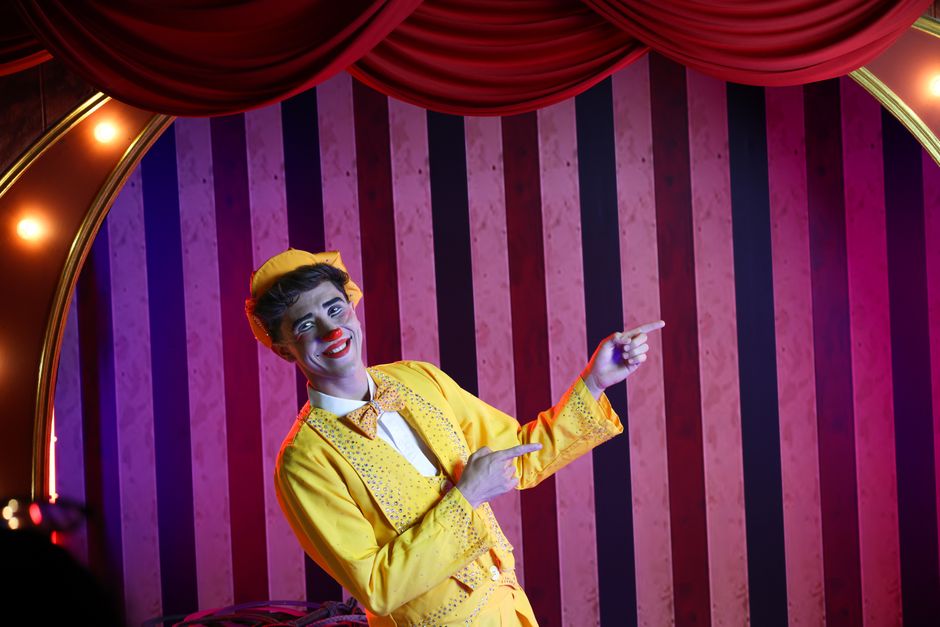
Top 10 Comedy Sketch Shows of All Time

Top 10 Comedy Sketch Shows of All Time

⏱️ 6 min read

Comedy sketch shows have been a cornerstone of television entertainment for decades, delivering laughter through short, punchy performances that combine satire, absurdist humor, and social commentary. These programs have launched the careers of countless comedic legends while shaping popular culture and influencing generations of performers. From groundbreaking satire to unforgettable characters, the following sketch shows represent the pinnacle of comedic television achievement.

The Greatest Sketch Comedy Programs in Television History

1. Monty Python's Flying Circus: The Surrealist Revolution

When Monty Python's Flying Circus premiered on the BBC in 1969, it fundamentally changed what comedy could be on television. The British troupe consisting of Graham Chapman, John Cleese, Terry Gilliam, Eric Idle, Terry Jones, and Michael Palin created a unique brand of humor that was absurdist, intellectual, and utterly unpredictable. The show abandoned traditional joke structures and sketch endings, often transitioning between scenes through Terry Gilliam's bizarre animations. Iconic sketches like "The Dead Parrot," "The Ministry of Silly Walks," and "The Spanish Inquisition" have become embedded in global comedy consciousness. The show's influence extends far beyond its original run, inspiring countless comedians and writers to embrace the unconventional.

2. Saturday Night Live: The Cultural Institution

Since its debut in 1975, Saturday Night Live has become synonymous with sketch comedy in America. Created by Lorne Michaels, SNL has served as a launching pad for an extraordinary number of comedy superstars, including Eddie Murphy, Tina Fey, Will Ferrell, Kate McKinnon, and dozens more. The show's format of topical humor, celebrity impressions, and live performance creates a unique energy that has sustained it for nearly five decades. From the original Not Ready for Prime Time Players to the digital shorts era and beyond, SNL has continuously evolved while maintaining its position as a cultural barometer and comedy training ground.

3. In Living Color: Breaking Barriers Through Bold Humor

Keenen Ivory Wayans created In Living Color in 1990 as a groundbreaking alternative to the predominantly white sketch comedy landscape. The show featured a predominantly Black cast including Jim Carrey, Jamie Foxx, and the Wayans family members, delivering edgy, fearless comedy that tackled race, politics, and popular culture with unprecedented boldness. Characters like Homey D. Clown and sketches parodying everything from action movies to music videos showcased the diverse talents of its cast. The show's impact on both comedy and representation in television cannot be overstated, as it proved that diverse voices could achieve mainstream success while maintaining authenticity.

4. The Carol Burnett Show: Variety Comedy Excellence

Running from 1967 to 1978, The Carol Burnett Show set the standard for variety sketch comedy programs. Carol Burnett, alongside regulars Harvey Korman, Vicki Lawrence, Lyle Waggoner, and Tim Conway, created memorable recurring characters and situations that families watched together every week. The show's blend of sophisticated wit, physical comedy, and musical performances demonstrated remarkable versatility. Tim Conway's ability to make his castmates break character became legendary, while parodies of classic films and the recurring "The Family" sketches showcased the ensemble's chemistry and timing.

5. SCTV: The Smartest Show on Television

SCTV operated on a brilliantly simple premise: it was a fictional television station in the small town of Melonville, allowing the cast to parody television itself. Running from 1976 to 1984, the show featured John Candy, Eugene Levy, Andrea Martin, Catherine O'Hara, Harold Ramis, and Martin Short among others. The meta-commentary on television culture combined with incredibly detailed character work made SCTV a favorite among comedy connoisseurs. Bob and Doug McKenzie, Count Floyd, and the Schmenge Brothers became beloved characters, while the show's satirical edge influenced programs like The Larry Sanders Show and 30 Rock.

6. Chappelle's Show: Fearless Social Commentary

Though it only ran for two complete seasons (2003-2004), Dave Chappelle's sketch show left an indelible mark on comedy and culture. Chappelle's willingness to tackle race, celebrity, and social issues with unflinching honesty created some of the most talked-about comedy of the 2000s. Sketches like "Charlie Murphy's True Hollywood Stories," the "Racial Draft," and "Clayton Bigsby" became instant classics, quoted and referenced extensively. The show's influence on internet culture and its bold approach to controversial topics demonstrated how sketch comedy could be both hilariously funny and genuinely thought-provoking.

7. The Kids in the Hall: Absurdist Canadian Brilliance

This Canadian sketch troupe consisting of Dave Foley, Bruce McCulloch, Kevin McDonald, Mark McKinney, and Scott Thompson brought a unique sensibility to sketch comedy from 1988 to 1995. The Kids in the Hall embraced the bizarre and surreal, creating characters and situations that ranged from the darkly absurd to the sweetly innocent. Their willingness to cross-dress without making gender the punchline, combined with their theatrical approach to sketches, set them apart. Characters like the Chicken Lady, Gavin, and Buddy Cole showcased the troupe's range and fearlessness.

8. Mr. Show with Bob and David: Alternative Comedy's Masterpiece

Bob Odenkirk and David Cross created one of the most influential alternative comedy shows of the 1990s with Mr. Show, which ran on HBO from 1995 to 1998. The show's innovative structure connected sketches thematically and narratively, creating a cohesive viewing experience rather than discrete segments. The writing was dense, layered, and often satirized American culture, politics, and entertainment with surgical precision. Many of comedy's current stars, including Paul F. Tompkins, Brian Posehn, and Sarah Silverman, appeared on the show, which influenced series like Tim and Eric Awesome Show and Portlandia.

9. A Bit of Fry and Laurie: Sophisticated British Wit

Stephen Fry and Hugh Laurie brought Oxford-educated intelligence to sketch comedy with their show that ran from 1989 to 1995. The duo's chemistry, honed through years of collaboration, manifested in clever wordplay, satirical songs, and absurdist situations that never talked down to their audience. Their recurring characters, including the sophisticated gentlemen discussing language and culture, and Laurie's musical interludes, demonstrated range beyond pure sketch work. The show proved that comedy could be both accessible and intellectually challenging, influencing British comedy for decades to come.

10. Key & Peele: Modern Comedy Innovation

Keegan-Michael Key and Jordan Peele's Comedy Central show (2012-2015) represented the evolution of sketch comedy for the internet age. Their meticulous attention to production value, cinematic approach to sketches, and incisive commentary on race, masculinity, and contemporary culture created viral sensations while maintaining artistic integrity. Sketches like "Substitute Teacher," "East/West College Bowl," and "Obama's Anger Translator" became cultural phenomena, racking up millions of views online. The show demonstrated how sketch comedy could thrive in the digital era while addressing complex social issues with nuance and humor.

The Enduring Legacy of Sketch Comedy

These ten programs represent different eras, styles, and approaches to sketch comedy, yet all share a commitment to pushing boundaries and making audiences laugh while often making them think. From Monty Python's surrealist revolution to Key & Peele's modern innovations, these shows have launched careers, influenced culture, and provided countless hours of entertainment. They remind us that sketch comedy, at its best, serves as both a mirror to society and an escape from it, proving that laughter truly is timeless. Each show contributed something unique to the art form, ensuring that sketch comedy remains a vital and evolving form of television entertainment.