
⏱️ 5 min read
Natural disasters strike different parts of the world with varying frequency and intensity, creating patterns that have puzzled humanity for centuries. While no location on Earth is completely immune to natural hazards, certain regions experience devastating events with alarming regularity. Understanding why some areas are more susceptible to disasters than others requires examining the complex interplay of geological, meteorological, and geographical factors that shape our planet’s most vulnerable zones.
Tectonic Plate Boundaries and Seismic Activity
The Earth’s lithosphere consists of massive tectonic plates that constantly shift and interact along their boundaries. Regions situated near these boundaries face significantly higher risks of earthquakes and volcanic eruptions. The Pacific Ring of Fire exemplifies this phenomenon, stretching approximately 40,000 kilometers around the Pacific Ocean basin. This horseshoe-shaped zone accounts for roughly 90% of the world’s earthquakes and contains over 75% of the planet’s active volcanoes.
Countries including Japan, Indonesia, the Philippines, Chile, and New Zealand lie directly along these volatile boundaries, making them particularly disaster-prone. The collision, divergence, or sliding of tectonic plates generates tremendous energy releases that manifest as seismic events. Subduction zones, where one plate slides beneath another, are especially dangerous, capable of producing megathrust earthquakes with magnitudes exceeding 9.0 on the Richter scale.
Tropical Cyclone Formation Zones
Certain oceanic regions provide ideal conditions for tropical cyclone development, condemning adjacent coastal areas to regular hurricane, typhoon, or cyclone threats. These powerful storms require specific environmental criteria: sea surface temperatures above 26.5°C, minimal wind shear, sufficient Coriolis effect, and high atmospheric humidity. The western Pacific, North Atlantic, Bay of Bengal, and areas around northern Australia consistently meet these requirements during their respective cyclone seasons.
Nations bordering these formation zones face compounding vulnerabilities. Bangladesh, situated at the head of the Bay of Bengal, experiences devastating cyclones that funnel directly into its low-lying coastal regions. Similarly, the Caribbean islands and the southeastern United States regularly contend with Atlantic hurricanes, while the Philippines endures an average of 20 typhoons annually, more than any other nation.
Elevation and Topographic Vulnerability
Geographical elevation significantly influences disaster susceptibility. Low-lying coastal regions face multiple threats including tsunamis, storm surges, and rising sea levels. Small island developing states in the Pacific and Indian Oceans sit mere meters above sea level, making them extraordinarily vulnerable to ocean-related disasters. The Maldives, with an average elevation of just 1.5 meters, faces existential threats from both storm surges and gradual sea-level rise.
Conversely, mountainous regions encounter different hazards. Steep slopes are prone to landslides, avalanches, and debris flows, particularly when destabilized by heavy rainfall, earthquakes, or human activities like deforestation. The Himalayan region experiences frequent landslides that devastate communities and infrastructure. Mountain valleys can also channel floodwaters with destructive force, amplifying the impact of upstream precipitation events.
Climate Patterns and Atmospheric Circulation
Global atmospheric circulation patterns create zones of predictable weather extremes. Monsoon regions in South and Southeast Asia experience intense seasonal rainfall that regularly triggers flooding. The Indian subcontinent’s geography channels moisture-laden winds from the Indian Ocean, producing torrential rains that overwhelm river systems and drainage infrastructure.
Drought-prone regions often lie in subtropical high-pressure zones or rain shadows created by mountain ranges. The African Sahel, positioned along the southern edge of the Sahara Desert, experiences persistent drought cycles exacerbated by climate variability. These conditions create food insecurity and increase vulnerability to famine when crops fail repeatedly.
River Systems and Floodplain Dynamics
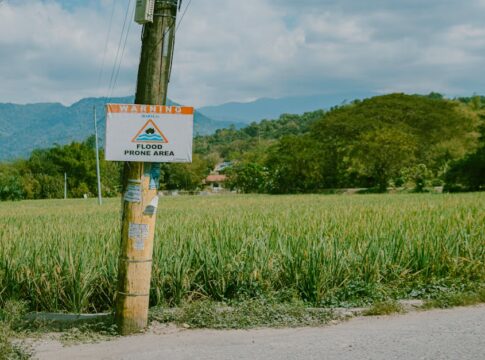
Major river systems naturally flood periodically, and regions along their courses face recurring inundation risks. The Ganges-Brahmaputra Delta, the Mekong Delta, and the Mississippi River basin all support dense human populations despite regular flooding. These fertile floodplains have attracted settlement for millennia, but the same processes that deposit nutrient-rich sediment also bring destructive high waters.
Delta regions face compounded vulnerabilities. They sit at sea level where rivers meet oceans, exposing them to both riverine flooding and coastal storm surges. The Netherlands has invested centuries and billions of euros into flood defenses precisely because much of the country occupies low-lying river deltas. Without extensive engineering interventions, these regions would experience catastrophic flooding with every significant storm or snowmelt event.
Geological Composition and Soil Stability
The underlying geology of a region determines its susceptibility to various hazards. Areas with loose, unconsolidated sediments experience more severe earthquake damage through liquefaction, where solid ground temporarily behaves like liquid during seismic shaking. Regions with volcanic soils, while agriculturally productive, remain at risk from future eruptions.
Karst topography, characterized by soluble bedrock like limestone, creates sinkholes and underground drainage systems that can collapse suddenly. Parts of Florida, China’s Guangxi Province, and the Caribbean islands built on limestone foundations regularly experience sinkhole formations that swallow roads, buildings, and even people without warning.
The Confluence of Multiple Risk Factors
The world’s most disaster-prone regions typically face multiple overlapping hazards. Indonesia contends with earthquakes, volcanic eruptions, tsunamis, and tropical cyclones. Central America experiences hurricanes, earthquakes, volcanic activity, and landslides. These regions occupy unfortunate positions where geological, meteorological, and topographic risk factors converge.
Understanding these geographical determinants helps explain why disaster impacts remain unequally distributed globally. While human factors like population density, construction quality, and disaster preparedness significantly influence outcomes, the fundamental vulnerability of certain regions stems from immutable geographical realities. This knowledge proves essential for risk assessment, disaster preparedness planning, and long-term development strategies in the world’s most vulnerable zones.