






1 / 10 Questions
0 Points

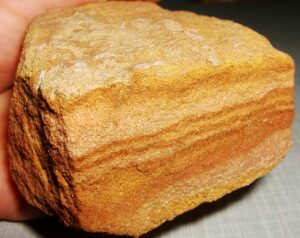
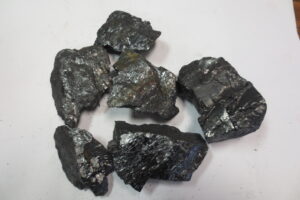
Which rock type is most likely to contain fossils?

Metamorphic rock

Volcanic rock

Sedimentary rock

Igneous rock

Points won
0
Correct score
0%

More Quizzes

More Articles

Did You Know The Most Expensive Guitar Sold for $6 Million?

Did You Know The Most Expensive Guitar Sold for $6 Million?

⏱️ 6 min read

The world of vintage guitars represents one of the most fascinating intersections of music history, celebrity culture, and auction house drama. While many music enthusiasts understand that vintage instruments can command impressive prices, few realize just how astronomical these figures can become when provenance, historical significance, and cultural impact converge. The record-breaking sale of guitars at auction reveals compelling stories about the instruments that shaped modern music and the artists who wielded them. From groundbreaking performances to charitable causes, these six remarkable guitar sales demonstrate how these wooden and metal creations transcend their function as musical instruments to become priceless artifacts of cultural heritage.

The World's Most Valuable Guitars

1. Kurt Cobain's "Unplugged" Martin D-18E: The $6 Million Record Holder

In June 2020, the acoustic guitar played by Kurt Cobain during Nirvana's legendary MTV Unplugged performance shattered all previous records by selling for $6.01 million at auction. The 1959 Martin D-18E became the most expensive guitar ever sold, far surpassing earlier record holders. What makes this instrument particularly significant is its association with one of the most iconic performances in rock history. Recorded just five months before Cobain's death in 1994, the MTV Unplugged session captured Nirvana in an intimate, stripped-down setting that contrasted sharply with their typically raw, electric sound.

The left-handed acoustic-electric guitar still bore signs of its rock and roll history, including a Cobain-applied sticker and marks from its use. Peter Freedman, founder of RØDE Microphones, purchased the instrument with plans to display it in a worldwide tour benefiting performing arts. The sale also included Cobain's guitar case, which contained a half-smoked pack of cigarettes, three picks, and a suede "stash" bag, adding layers of authenticity and personal connection to this already historic piece.

2. David Gilmour's "Black Strat": The Fender That Defined Pink Floyd's Sound

Pink Floyd guitarist David Gilmour's legendary "Black Strat" fetched $3.975 million at Christie's auction house in 2019, making it the most expensive Stratocaster ever sold. This 1969 Fender Stratocaster was Gilmour's primary guitar for decades and can be heard on iconic Pink Floyd albums including "The Dark Side of the Moon," "Wish You Were Here," and "The Wall." The instrument's distinctive tone helped create some of the most recognizable guitar solos in rock history, including the soaring leads on "Comfortably Numb" and "Shine On You Crazy Diamond."

What distinguished this particular Stratocaster was its extensive modification over the years. Gilmour continuously tweaked and adjusted the guitar to achieve his signature sound, making it a unique instrument that could never be truly replicated. The proceeds from this sale, along with 125 other guitars from Gilmour's collection, benefited the charity ClientEarth, raising over $21 million for environmental causes.

3. Eric Clapton's "Blackie": The Composite Stratocaster Legend

Before Gilmour's Black Strat took the Stratocaster crown, Eric Clapton's "Blackie" held the record, selling for $959,500 in 2004. This guitar represented a fascinating piece of music history because it wasn't a single vintage instrument but rather a composite created by Clapton himself. In 1970, Clapton purchased six vintage Fender Stratocasters from a guitar shop in Nashville. He gave three to friends George Harrison, Steve Winwood, and Pete Townshend, then cannibalized the remaining three to build one perfect guitar, which became known as "Blackie."

Clapton played Blackie extensively from 1970 until 1985, using it on numerous recordings and performances. The guitar's retirement came when it became too fragile for regular touring use. The proceeds from its auction benefited Clapton's Crossroads Centre, a drug and alcohol rehabilitation facility in Antigua that he founded.

4. Bob Dylan's 1964 Fender Stratocaster: The Guitar That Went Electric

Bob Dylan's 1964 Fender Stratocaster, believed to be the instrument he played during his controversial electric set at the 1965 Newport Folk Festival, sold for $965,000 in 2013. This guitar represents one of the most pivotal moments in music history when Dylan "went electric," shocking folk purists and forever changing the trajectory of popular music. The Newport performance remains legendary for the mixed reaction it received, with some audience members booing what they perceived as a betrayal of folk music's acoustic traditions.

The guitar's authentication process proved complicated, as there was initially some debate about whether this was indeed the specific instrument used at Newport. However, experts eventually concluded with reasonable certainty that this Stratocaster was the historic guitar. The instrument had been in the possession of a New Jersey family for decades after Dylan apparently left it on a private plane, demonstrating how easily even historically significant items can slip into obscurity.

5. John Lennon's Gibson J-160E: The Lost Beatles Acoustic

John Lennon's 1962 Gibson J-160E acoustic guitar, used to record numerous Beatles classics, sold for $2.41 million in 2015. This instrument holds particular significance because Lennon used it during the Beatles' early recording sessions, and it can be heard on songs like "Love Me Do," "Please Please Me," and "I Want to Hold Your Hand." The guitar had an extraordinary journey, having been lost by Lennon during a 1963 Christmas concert, only to resurface more than 50 years later.

The instrument ended up in the possession of a musician who had purchased it at a secondhand shop, completely unaware of its provenance. It wasn't until decades later that the guitar was identified and authenticated through matching serial numbers and distinctive features visible in archival photographs of Lennon. This remarkable rediscovery added an element of mystery and adventure to an already valuable piece of Beatles history.

6. Jerry Garcia's "Wolf" Guitar: The Grateful Dead's Iconic Instrument

Jerry Garcia's custom-made "Wolf" guitar sold for $1.9 million in 2017 to benefit the Southern Poverty Law Center. Built by luthier Doug Irwin between 1972 and 1973, Wolf became Garcia's main guitar for much of the Grateful Dead's career. The instrument's name came from a cartoon sticker of a wolf that Garcia placed in the body beneath the tailpiece, visible through the guitar's clear pickguard. The guitar's distinctive tone and Garcia's improvisational genius combined to create countless memorable performances over two decades.

Wolf represented the pinnacle of custom guitar craftsmanship, featuring innovative electronics and tonewoods carefully selected for their acoustic properties. Garcia played Wolf until 1979, when Irwin built him another guitar called "Tiger." The instrument underwent extensive restoration before its sale, ensuring this piece of psychedelic rock history would be preserved for future generations. The sale price reflected not only the guitar's musical significance but also the deep connection Grateful Dead fans maintain with Garcia's legacy.

Conclusion

These six extraordinary guitar sales demonstrate that the value of a musical instrument extends far beyond its craftsmanship or materials. Each of these guitars tells a story of artistic innovation, cultural transformation, and personal expression. From Cobain's vulnerable acoustic performance to Dylan's electric revolution, from Clapton's composite creation to Garcia's psychedelic improvisations, these instruments witnessed and facilitated some of the most important moments in modern music history. Their astronomical auction prices reflect our collective recognition that these are not merely guitars but tangible connections to the artists and performances that shaped our cultural landscape. As these instruments find new homes in museums, private collections, and touring exhibitions, they continue to inspire musicians and music lovers while supporting charitable causes, ensuring their legacy extends beyond the auction block into meaningful contributions to society.

18 Interesting Facts About Friends

18 Interesting Facts About Friends

⏱️ 6 min read

For a decade, six friends gathered at Central Perk and changed television forever. "Friends" became more than just a sitcom—it evolved into a cultural phenomenon that continues to captivate audiences worldwide, even years after its finale. Behind the laughter, memorable catchphrases, and iconic hairstyles lies a treasure trove of fascinating trivia that even devoted fans might not know. From casting decisions that could have altered the show entirely to behind-the-scenes secrets that shaped its success, these remarkable details reveal why this beloved series remains timeless.

Behind-the-Scenes Secrets and Production Details

1. The Original Title Was Much Different

Before becoming "Friends," the show went through several title changes during development. It was initially called "Insomnia Café" and later "Friends Like Us" before producers settled on the simple, memorable name we know today. The original concept also featured the six characters spending time in a coffee house, which remained a central element throughout the series.

2. The Cast Negotiated Salaries as a United Front

In an unprecedented move for television, the six main cast members banded together to negotiate their salaries collectively. By the final two seasons, each actor earned $1 million per episode, making them among the highest-paid television actors at the time. This solidarity ensured equal pay across the ensemble cast and demonstrated their commitment to remaining a true ensemble.

3. The Fountain Scene Was Filmed at 4 AM

The iconic opening credits featuring the cast dancing in a fountain was shot at the Warner Bros. Ranch at four in the morning. The water was reportedly freezing cold, and the cast members were thoroughly uncomfortable during filming. Despite the challenging conditions, this sequence became one of the most recognizable opening credits in television history.

4. Courteney Cox Was the Only Cast Member Not Nominated for an Emmy

Despite being the most famous cast member when the show began, Courteney Cox never received an Emmy nomination for her portrayal of Monica Geller. All five of her co-stars received nominations at various points during the show's run. However, Cox's performance remained beloved by fans and critics alike, proving that awards don't always reflect true impact.

Casting Choices That Changed Everything

5. Jennifer Aniston Almost Couldn't Play Rachel

Jennifer Aniston was committed to another sitcom called "Muddling Through" when she was cast as Rachel Green. The show's creators had to wait to see if that series would be renewed before they could officially bring Aniston aboard. Fortunately, "Muddling Through" was cancelled, allowing Aniston to take on the role that would define her career.

6. Ellen DeGeneres Turned Down the Role of Phoebe

Before Lisa Kudrow secured the role of Phoebe Buffay, producers approached Ellen DeGeneres. DeGeneres declined, stating she didn't want to play a character in an ensemble cast. This decision allowed Kudrow to create one of television's most quirky and memorable characters.

7. Chandler Was Originally Written as a Supporting Character

Matthew Perry's character, Chandler Bing, was initially conceived as a minor role with less screen time than the other five friends. However, Perry's impeccable comedic timing and chemistry with the cast elevated Chandler to equal status, and his sarcastic humor became central to the show's success.

On-Set Romance and Relationships

8. Real-Life Romances Blossomed Behind the Scenes

Jennifer Aniston and David Schwimmer both admitted years later that they had genuine crushes on each other during the first season. However, their timing was always off—when one was single, the other was in a relationship. They channeled this tension into their characters' epic romance, creating authentic chemistry that resonated with viewers.

9. Marcel the Monkey Created Chaos on Set

The capuchin monkey who played Ross's pet Marcel was difficult to work with and frequently disrupted filming. The animal would often refuse to follow directions and created scheduling nightmares. Despite being a fan favorite, Marcel appeared in only a handful of episodes before being written off the show.

Cultural Impact and Legacy

10. "The Rachel" Hairstyle Became a Global Phenomenon

Jennifer Aniston's layered haircut in the show's early seasons sparked a worldwide trend. Millions of women requested "The Rachel" at hair salons across the globe. Ironically, Aniston herself reportedly hated the hairstyle and found it difficult to maintain.

11. The Show Created Its Own Language

Phrases like "We were on a break," "How you doin'?" and "Could I BE any more..." entered popular culture and remain recognizable decades later. The show's writers had a gift for creating catchphrases that felt natural yet memorable, contributing to its lasting linguistic impact.

12. Central Perk Was Based on a Real Coffee Shop

The coffee house where the friends spent countless hours was inspired by Manhattan's coffee culture of the 1990s. While Central Perk was a fictional establishment filmed on a soundstage, temporary real-world versions have opened in various cities, allowing fans to experience the iconic setting firsthand.

Production Challenges and Creative Decisions

13. The Apartment Numbers Changed After Season One

Initially, Monica's apartment was number 5, and Chandler and Joey's was number 4. However, producers realized these numbers didn't make sense for apartments supposedly on higher floors. The numbers were changed to 20 and 19 respectively to maintain logical consistency with the building's layout.

14. Live Studio Audiences Influenced the Show's Evolution

The series was filmed in front of a live audience, whose reactions helped shape the show's comedy. Writers and producers would adjust jokes based on audience responses, and actors fed off the energy in the room. This immediate feedback loop contributed to the show's refined comedic timing.

15. The Final Episode Drew Over 52 Million Viewers

When "Friends" aired its series finale in 2004, more than 52 million people tuned in, making it one of the most-watched television finales in history. The emotional conclusion brought closure to a decade of storytelling and demonstrated the show's massive cultural reach.

Character Development and Storytelling

16. Ross's Son Ben Mysteriously Disappeared

Ross's son from his first marriage appeared regularly in early seasons but was gradually phased out of the show. By later seasons, Ben was rarely mentioned, creating one of the show's most notable continuity inconsistencies. Fans have debated this disappearance, though it was likely a creative decision to streamline storylines.

17. The Creators Knew the Ending From the Beginning

David Crane and Marta Kauffman, the show's creators, had envisioned the series ending with Rachel and Ross together from the very start. Despite the will-they-won't-they tension that lasted ten seasons, the creators maintained their vision for the ultimate conclusion of television's most famous on-again, off-again relationship.

18. Guest Stars Considered It an Honor to Appear

The show attracted an impressive roster of guest stars, from Julia Roberts and Brad Pitt to Robin Williams and Bruce Willis. Many A-list celebrities actively sought roles on the show, viewing an appearance as a prestigious opportunity. Some even accepted scale pay just for the chance to be part of the "Friends" phenomenon.

Conclusion

These eighteen fascinating facts reveal the complexity, creativity, and occasional chaos behind one of television's most successful sitcoms. From casting near-misses that could have changed everything to the genuine friendships that developed among the cast, "Friends" succeeded because of both careful planning and fortunate accidents. The show's enduring popularity proves that great storytelling, memorable characters, and authentic chemistry create something truly timeless. Whether watching for the first time or the fiftieth, fans continue to discover new layers to appreciate in this groundbreaking series that redefined ensemble comedy and remains a cultural touchstone for generations of viewers.