

1 / 10 Questions
0 Points

Which state is credited with creating the Cobb salad?

New York

California

Illinois

Texas

Points won
0
Correct score
0%

More Quizzes

More Articles

Top 10 Most Shocking TV Finales

Top 10 Most Shocking TV Finales

⏱️ 6 min read

Television series finales have the challenging task of satisfying audiences who have invested years in beloved characters and storylines. While some endings provide perfect closure, others have shocked viewers with unexpected twists, controversial decisions, or bold narrative choices that sparked debates lasting years beyond the final credits. These memorable conclusions challenged conventions, defied expectations, and left indelible marks on television history.

The Most Controversial and Surprising Series Conclusions

1. The Sopranos: Cutting to Black at Journey's End

When HBO's groundbreaking mob drama concluded in 2007, creator David Chase delivered one of the most debated endings in television history. As Tony Soprano sat in a diner with his family while Journey's "Don't Stop Believin'" played, the screen abruptly cut to black for ten seconds before the credits rolled. The ambiguous conclusion left millions of viewers wondering if their cable had malfunctioned. The ending sparked endless theories about whether Tony was killed, arrested, or simply continuing his life. Chase's refusal to provide definitive answers transformed the finale into a cultural phenomenon, with fans still analyzing every detail years later.

2. Lost: Revealing the Afterlife

After six seasons of mysteries, mythology, and time travel, Lost concluded in 2010 with a finale that revealed the show's "flash-sideways" timeline was actually a form of purgatory where characters reconnected after death. The spiritual conclusion divided the fanbase sharply between those who appreciated the emotional character resolution and those who felt cheated by the lack of concrete answers to the island's many mysteries. The finale's focus on character relationships over plot explanations represented a bold choice that prioritized emotional truth over satisfying every fan theory.

3. St. Elsewhere: The Snow Globe Revelation

The 1988 finale of this medical drama shocked audiences with a revelation that redefined everything that came before. The final scene revealed that the entire six-season series existed only in the imagination of Tommy Westphall, an autistic boy staring into a snow globe containing a miniature model of the hospital. This meta-fictional twist suggested none of the show's events were real, creating what became known as the "Tommy Westphall Universe Hypothesis" and influencing countless shows that followed with its audacious narrative gambit.

4. Game of Thrones: The Mad Queen's Fall and an Unexpected King

After eight seasons building toward the ultimate battle for the Iron Throne, HBO's fantasy epic concluded in 2019 with shocking character turns that ignited passionate debate. Daenerys Targaryen's sudden transformation into a mass murderer, her death at Jon Snow's hands, and Bran Stark's selection as king felt rushed and unearned to many viewers. The finale became one of the most controversial in television history, with over a million fans signing petitions demanding a remake and the ending significantly impacting the show's cultural legacy.

5. Newhart: Waking Up in a Different Show

The 1990 finale of Newhart pulled off one of television's greatest surprises by revealing the entire eight-season run was a dream. Bob Newhart's character woke up in bed with Suzanne Pleshette, his wife from his previous 1970s sitcom The Bob Newhart Show, suggesting everything viewers watched was his earlier character's nightmare. This brilliant meta-comedy moment, kept secret even from most of the cast, remains one of the most creative and beloved series endings ever produced.

6. Dexter: The Lumberjack Transformation

The 2013 finale of Showtime's serial killer drama stunned audiences with its bizarre conclusion. After faking his death, Dexter Morgan abandoned his son and relocated to Oregon to work as a lumberjack, living in complete isolation. The ending felt disconnected from eight seasons of character development and left fans bewildered rather than satisfied. The widespread disappointment led to the 2021 limited series Dexter: New Blood, which attempted to provide a more conclusive ending to the character's story.

7. Seinfeld: Sentencing the Gang to Prison

The 1998 finale of television's most successful sitcom about nothing concluded by putting Jerry, George, Elaine, and Kramer on trial for violating a Good Samaritan law. The court case brought back numerous characters from the show's nine seasons to testify about the group's selfish behavior. The decision to send the beloved characters to prison for a year shocked viewers expecting a traditional happy ending, and the controversial conclusion disappointed many fans who found it too dark and preachy for the show's typically amoral tone.

8. Dinosaurs: Environmental Catastrophe and Extinction

This 1994 ABC sitcom featuring a family of anthropomorphic dinosaurs ended with genuine apocalyptic horror. The final episode depicted the beginning of the ice age that would cause the dinosaurs' extinction, triggered by corporate environmental destruction. The show concluded with the Sinclair family huddling together as snow began to fall and temperatures dropped, knowing they faced inevitable death. The bleak, haunting conclusion to what was ostensibly a family comedy shocked viewers and remains one of the darkest endings in sitcom history.

9. How I Met Your Mother: The Mother's Death

After nine seasons building toward Ted meeting his children's mother, the 2014 finale revealed that Tracy had been dead for six years, and Ted's real purpose in telling the story was seeking his kids' permission to pursue Robin again. The decision to kill off the title character and reunite Ted with Robin, despite seasons of development showing their incompatibility, enraged fans who felt betrayed by the bait-and-switch. The controversial ending overshadowed much of the show's legacy and demonstrated the risks of filming an ending years before the show's actual conclusion.

10. The Shield: Vic Mackey's Living Hell

The 2008 finale of this gritty police drama provided a shocking conclusion by giving corrupt cop Vic Mackey exactly what he thought he wanted, only to reveal it as a personal hell. After confessing to years of crimes in exchange for immunity and a desk job, Vic found himself trapped in a soul-crushing bureaucratic position, separated from his family, friendless, and forced to live with the consequences of his actions while avoiding prosecution. The psychologically devastating conclusion subverted expectations by making survival feel worse than punishment.

Lasting Impact on Television Storytelling

These ten shocking finales demonstrate the power of series endings to generate discussion, controversy, and lasting cultural impact. Whether through ambiguity, unexpected character choices, meta-fictional twists, or devastating conclusions, these shows took creative risks that defined their legacies. While not all succeeded in satisfying their audiences, each pushed boundaries and challenged conventional expectations of how television stories should end. They remind us that the journey matters as much as the destination, and sometimes the most memorable endings are those that refuse to provide easy answers or comfortable resolutions.
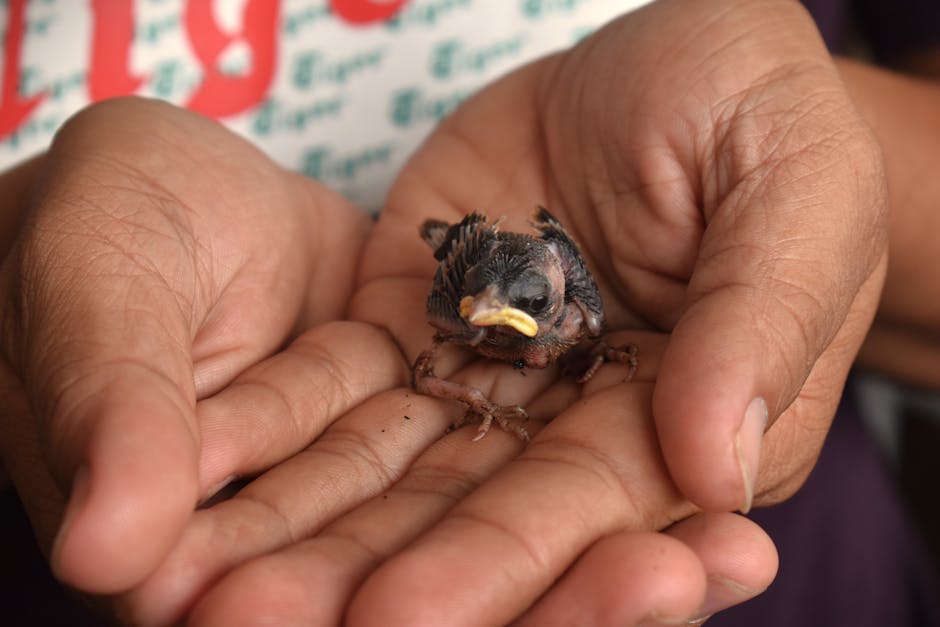
Did You Know How to Survive Anywhere in the Wild?

Did You Know How to Survive Anywhere in the Wild?

⏱️ 5 min read

Survival in the wilderness requires more than just luck and determination. Whether stranded in a dense forest, isolated desert, or frozen tundra, understanding fundamental survival principles can mean the difference between life and death. The ability to adapt, think clearly under pressure, and apply essential survival skills creates a foundation for enduring even the most challenging environments.

The Rule of Threes: Understanding Survival Priorities

Every survival situation demands proper prioritization of needs. The Rule of Threes provides a framework for understanding what matters most: humans can survive approximately three minutes without air, three hours without shelter in harsh conditions, three days without water, and three weeks without food. This hierarchy guides decision-making when resources and time are limited.

Temperature regulation stands as the most immediate concern after breathing. Hypothermia can set in within hours in cold, wet conditions, while hyperthermia poses equal danger in extreme heat. Securing or creating shelter should take precedence over searching for food, as the body can function for extended periods without nutrition but rapidly deteriorates when core temperature drops or rises beyond safe limits.

Creating Effective Shelter in Various Environments

Shelter construction varies dramatically based on terrain, climate, and available resources. In forested areas, a lean-to shelter using branches, leaves, and debris provides quick protection from wind and precipitation. Position the opening away from prevailing winds and ensure the roof angle allows water to run off rather than pool.

Desert environments require different approaches. Shade becomes paramount during daylight hours, while nighttime temperatures can plummet. A below-ground shelter or one utilizing rock formations helps maintain more stable temperatures. In snowy regions, a properly constructed snow cave or quinzhee offers remarkable insulation, with interior temperatures significantly warmer than outside conditions.

Essential Shelter Components

  • Insulation from ground moisture using branches, leaves, or grass
  • Wind protection through strategic positioning and material selection
  • Waterproof covering when possible using bark, large leaves, or packed snow
  • Size appropriate to conserve body heat without excessive energy expenditure during construction
  • Location away from hazards like dead trees, flood zones, or animal trails

Locating and Purifying Water Sources

Water remains critical for survival, yet consuming contaminated water can prove fatal. Understanding where to find water and how to make it safe for drinking represents essential knowledge. In most environments, following terrain downhill leads to water sources. Look for convergence points where animal tracks meet, as wildlife regularly travels to drinking locations.

Natural indicators help identify water presence. Lush vegetation, swarms of insects, and bird flight patterns at dawn and dusk often point toward water. In arid regions, dry stream beds may contain water just below the surface. Digging in the lowest point of a bend can sometimes reveal underground moisture.

Water Purification Methods

Boiling remains the most reliable purification method, killing pathogens when water reaches a rolling boil for at least one minute (three minutes at higher altitudes). Without fire, solar water disinfection involves filling clear plastic bottles and exposing them to direct sunlight for at least six hours, allowing UV radiation to neutralize harmful organisms.

Natural filtration through layers of sand, charcoal, and cloth removes visible particles but does not eliminate all pathogens. This method improves water clarity and should be combined with other purification techniques when possible. Certain plants like cattails indicate cleaner water sources, though all wild water should be treated before consumption.

Fire Starting Without Modern Tools

Fire provides warmth, water purification, signaling capability, and psychological comfort. Mastering multiple fire-starting techniques ensures success even when primary methods fail. The bow drill method, while physically demanding, reliably generates ember-forming friction using readily available materials: a curved branch for the bow, cordage, a spindle, a fireboard, and a socket.

The hand drill requires less equipment but demands greater technique and endurance. A straight spindle rotates rapidly between the palms against a fireboard until friction creates enough heat to form a glowing ember. Fire plough and bamboo fire saw methods work in specific environments where appropriate materials exist.

Fire Preparation Steps

  • Gather tinder materials: dry grass, bark shavings, or plant down
  • Collect kindling: small twigs and sticks no thicker than a pencil
  • Prepare larger fuel wood in graduated sizes
  • Create a wind-protected fire site cleared of flammable debris
  • Position materials for easy access during the critical ember-to-flame transition

Finding Food in Wilderness Settings

While food represents a lower immediate priority than shelter and water, sustaining energy levels becomes important for extended survival situations. Foraging for edible plants offers the safest, most energy-efficient option. However, plant identification requires careful study, as many toxic species closely resemble edible varieties. The universal edibility test provides a systematic approach but takes approximately 24 hours per plant.

Protein sources include insects, which offer remarkable nutritional value with minimal risk. Grasshoppers, crickets, and beetle larvae are generally safe when cooked. Fishing and trapping conserve energy compared to active hunting, allowing caloric intake to exceed expenditure. Simple snares placed along game trails can capture small mammals, while improvised fishing methods include spear fishing, hand lines, and fish traps.

Navigation and Rescue Signaling

Understanding basic navigation prevents wandering in circles and helps maintain direction toward potential rescue or civilization. The sun rises in the east and sets in the west across all locations. At night in the Northern Hemisphere, locating Polaris (North Star) provides reliable directional reference. Moss growth patterns, while popular in survival lore, prove unreliable as moisture and shade affect growth more than direction.

Signaling for rescue increases discovery chances dramatically. Three of anything—fires, rock piles, whistle blasts—represents the universal distress signal. Creating contrast with the environment makes signals visible from the air: dark materials arranged on snow, light materials on dark ground. Reflective surfaces like mirrors or metal can signal aircraft from miles away when angled to catch sunlight.

Wilderness survival ultimately depends on knowledge, adaptability, and mental resilience. Practicing these skills before emergency situations arise builds muscle memory and confidence, transforming theoretical understanding into practical capability that could preserve life when it matters most.