








1 / 10 Questions
0 Points

What is the capital of Oregon?

Salem

Portland

Eugene

Bend

Points won
0
Correct score
0%

More Quizzes

More Articles

Sports Careers Ended by One Moment

Sports Careers Ended by One Moment

⏱️ 5 min read

In the world of professional sports, athletes dedicate their entire lives to perfecting their craft, spending countless hours training, competing, and pushing their bodies to extraordinary limits. Yet despite years of preparation and success, a single moment can bring a promising career to an abrupt and devastating end. These moments serve as stark reminders of the fragility of athletic careers and the thin line between triumph and tragedy that athletes walk every day they compete.

The Unpredictable Nature of Career-Ending Injuries

Athletic careers can end in the blink of an eye, often during routine plays that athletes have executed thousands of times before. The unpredictability of these moments makes them particularly heartbreaking for fans and devastating for the athletes involved. Unlike gradual declines due to age or recurring injuries, these singular events offer no warning and provide no opportunity for preparation or adjustment.

The physical demands of professional sports place extraordinary stress on the human body. While modern training methods, medical technology, and protective equipment have advanced significantly, they cannot eliminate the inherent risks associated with high-level athletic competition. Ligaments can tear, bones can fracture, and spines can suffer catastrophic damage in fractions of a second, transforming elite athletes into individuals facing uncertain futures.

Basketball's Devastating Knee Injuries

The basketball court has witnessed numerous careers cut short by catastrophic knee injuries. The sport's combination of rapid direction changes, jumping, and physical contact creates the perfect storm for ligament damage. One of the most notable examples occurred when a promising young center landed awkwardly after a routine alley-oop attempt, resulting in a compound fracture that shocked viewers and teammates alike.

The impact of such injuries extends beyond the physical damage. The psychological toll of watching years of dedication evaporate in a single moment can be overwhelming. Many athletes who experience career-ending injuries struggle with identity crises, as their sense of self has been inextricably linked to their sport since childhood.

The Domino Effect on Teams and Franchises

When a star player's career ends suddenly, the ramifications ripple through entire organizations. Teams that have built their strategies around a particular player must rapidly adjust their plans, often affecting salary cap situations, draft strategies, and long-term competitive prospects. Franchises have seen championship windows slam shut due to a single injury to a key player.

Football's Brutal Reality

American football, with its inherent violence and collision-based nature, has produced countless examples of careers ended in single plays. The sport's physical demands make it particularly susceptible to catastrophic injuries, especially to the neck, spine, and brain. Defensive backs making tackles, quarterbacks absorbing hits, and receivers crossing the middle of the field all face the constant risk of career-altering contact.

The long-term health implications of football injuries have become increasingly understood in recent years. Concussions and their cumulative effects have forced numerous players to retire prematurely, even when a single concussive event serves as the final straw after multiple previous incidents. The connection between football-related head trauma and long-term neurological issues has fundamentally changed how the sport approaches player safety.

Baseball's Unexpected Vulnerability

While often perceived as less physically dangerous than contact sports, baseball has its own history of careers ended by single moments. Pitchers throwing a single pitch that tears their ulnar collateral ligament, batters taking a fastball to the face or head, and fielders suffering catastrophic collisions have all experienced career-ending moments in what is sometimes mistakenly considered a safer sport.

The rotational forces and repetitive stress placed on pitchers' arms make them particularly vulnerable to sudden catastrophic failure. Despite pitch counts, innings limits, and advanced biomechanical analysis, the violent act of throwing a baseball at maximum velocity remains an inherently risky activity that can end a career without warning.

Racing and Motorsports' High-Stakes Environment

Motorsports athletes face unique risks where a single moment can result not only in career-ending injuries but also life-threatening situations. The combination of extreme speeds, mechanical failures, and split-second decisions creates an environment where careers can end through circumstances partially or entirely beyond an athlete's control.

Advances in safety technology, including improved helmets, fire-resistant suits, and vehicle design features like the HANS device and survival cells, have dramatically reduced fatalities and career-ending injuries in racing. However, the fundamental nature of the sport means that risk can never be entirely eliminated.

The Aftermath and Recovery Journey

The period following a career-ending injury represents a crucial transition point for athletes. Many face challenges adjusting to life beyond sports, having spent decades focused exclusively on athletic performance. The sudden loss of routine, team camaraderie, and competitive purpose can lead to depression, anxiety, and feelings of purposelessness.

Support systems, including family, former teammates, sports psychologists, and player associations, play vital roles in helping athletes navigate this difficult transition. Some athletes successfully pivot to coaching, broadcasting, or business careers, channeling their competitive drive and sports knowledge into new endeavors. Others struggle to find similar fulfillment outside the arena of competition.

Prevention and Risk Management

Sports organizations continually work to minimize the risk of catastrophic injuries through rule changes, equipment improvements, and enhanced medical protocols. However, the fundamental nature of athletic competition means that risk cannot be entirely eliminated without fundamentally altering the sports themselves. The balance between maintaining competitive integrity and ensuring athlete safety remains an ongoing challenge across all professional sports.

Understanding that careers can end in a single moment provides perspective on the remarkable achievements of athletes who compete at the highest levels throughout long careers, defying the odds and avoiding the catastrophic moments that have ended so many others' dreams.
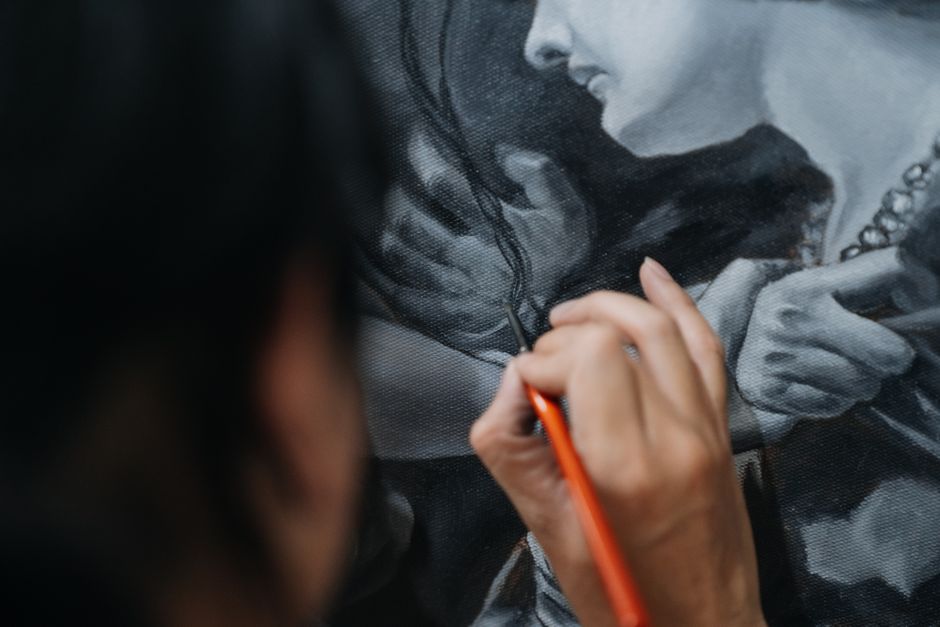
The Technique of Chiaroscuro Explained

The Technique of Chiaroscuro Explained

⏱️ 5 min read

The interplay between light and shadow has captivated artists for centuries, giving birth to one of the most influential techniques in Western art history. Chiaroscuro, derived from the Italian words "chiaro" (light) and "oscuro" (dark), represents a sophisticated method of using strong contrasts between light and dark to achieve a sense of volume, depth, and drama in visual compositions. This technique revolutionized painting during the Renaissance and continues to influence artists across various mediums today.

Origins and Historical Development

Chiaroscuro emerged during the Italian Renaissance, though artists had experimented with light and shadow contrast long before the term was coined. The technique gained prominence in the 15th century when painters began moving away from the flat, two-dimensional representations characteristic of medieval art. Leonardo da Vinci was among the pioneers who explored the subtle gradations between light and dark, developing his famous "sfumato" technique, which employed soft, almost imperceptible transitions between tones.

The technique reached its apex during the Baroque period in the late 16th and early 17th centuries. Caravaggio transformed chiaroscuro into a powerful dramatic tool, using stark contrasts between illuminated figures and deep, shadowy backgrounds. His revolutionary approach, sometimes called "tenebrism" due to its exceptionally dark tones, influenced countless artists throughout Europe and established new standards for emotional intensity in painting.

The Fundamental Principles

At its core, chiaroscuro relies on understanding how light behaves when it encounters three-dimensional forms. The technique employs a systematic approach to rendering volume by identifying distinct zones of illumination on any given subject. These zones typically include the highlight (the brightest point where light directly strikes), the mid-tone (areas receiving indirect light), the core shadow (the darkest part of the object itself), reflected light (subtle illumination bouncing back from surrounding surfaces), and cast shadows (darkness projected onto other surfaces).

Artists utilizing chiaroscuro must carefully observe the light source, its intensity, and its angle relative to the subject. A single, strong directional light source often produces the most dramatic chiaroscuro effects, creating bold contrasts that emphasize form and create theatrical atmospheres. The placement of this light source determines the entire composition's mood and visual hierarchy.

Technical Applications and Methods

Implementing chiaroscuro successfully requires mastery of various technical skills. Artists must develop a keen understanding of value scales—the gradual progression from pure white through various grays to absolute black. This tonal range serves as the foundation for creating convincing three-dimensional forms on two-dimensional surfaces.

Working with Different Mediums

The chiaroscuro technique adapts to numerous artistic mediums, each presenting unique opportunities and challenges:

  • Oil painting: The slow-drying nature of oil paints allows for extensive blending and layering, making it ideal for achieving smooth tonal transitions characteristic of classical chiaroscuro
  • Drawing: Artists employ charcoal, graphite, or ink to build up dark values while leaving paper white for highlights, often using techniques like cross-hatching or stippling for mid-tones
  • Printmaking: Woodcuts and engravings naturally lend themselves to chiaroscuro through the contrast between inked and uninked areas
  • Photography: Modern photographers use lighting setups and digital processing to recreate chiaroscuro effects, particularly in portrait and still-life work

Notable Masters and Their Contributions

Throughout art history, numerous masters have distinguished themselves through exceptional use of chiaroscuro. Rembrandt van Rijn developed a particularly nuanced approach, using warm, golden light emerging from dark backgrounds to create intimate, psychologically complex portraits. His technique involved building up layers of transparent glazes and opaque highlights, achieving unprecedented depth and luminosity.

Georges de La Tour specialized in nocturnal scenes illuminated by candles or torches, creating striking contrasts while maintaining a sense of tranquility. His simplified forms and careful attention to how light reveals selective details demonstrated the technique's versatility beyond pure drama.

Spanish painter Diego Velázquez employed subtler chiaroscuro effects, integrating sophisticated lighting with his mastery of color and brushwork to create extraordinarily lifelike representations. His approach proved that chiaroscuro need not always be theatrical to be effective.

Modern Applications and Continuing Influence

Chiaroscuro remains highly relevant in contemporary art, extending far beyond traditional painting. Film noir cinematographers drew heavily upon chiaroscuro principles, using dramatic lighting to create suspense and emphasize moral ambiguity. Modern digital artists employ the same fundamental concepts when rendering three-dimensional models or creating concept art for entertainment industries.

Contemporary painters continue exploring chiaroscuro, sometimes combining it with modern subject matter or abstract compositions. The technique's ability to convey weight, volume, and emotional intensity ensures its enduring appeal across artistic movements and technological innovations.

Learning and Practicing the Technique

Developing proficiency in chiaroscuro requires dedicated observation and practice. Artists benefit from studying works by historical masters, analyzing how they structured their compositions around light and shadow patterns. Working from life under controlled lighting conditions helps develop the observational skills necessary for accurate value assessment.

Beginning practitioners should start with simple geometric forms—spheres, cubes, and cylinders—to understand how light reveals volume before progressing to more complex subjects. Creating value studies in monochrome before introducing color helps maintain focus on tonal relationships, the essential foundation of successful chiaroscuro.

The enduring power of chiaroscuro lies in its fundamental connection to human visual perception. By manipulating light and shadow, artists can guide viewers' attention, create emotional resonance, and transform flat surfaces into windows revealing convincing three-dimensional worlds. Whether employed for subtle naturalism or dramatic effect, this centuries-old technique continues proving indispensable to artists seeking to master the visual representation of form and space.