



1 / 10 Questions
0 Points

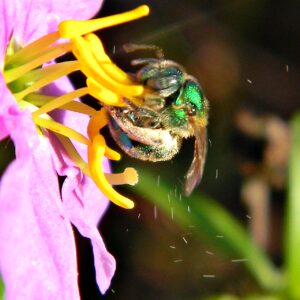
What phenomenon describes bees vibrating flowers to release pollen?

Pollen shaking

Buzz pollination

Sonic pollination

Vibration collection

Points won
0
Correct score
0%

More Quizzes

More Articles

Did You Know? Giraffes Have the Same Number of Neck Vertebrae as Humans?

Did You Know? Giraffes Have the Same Number of Neck Vertebrae as Humans?

⏱️ 5 min read

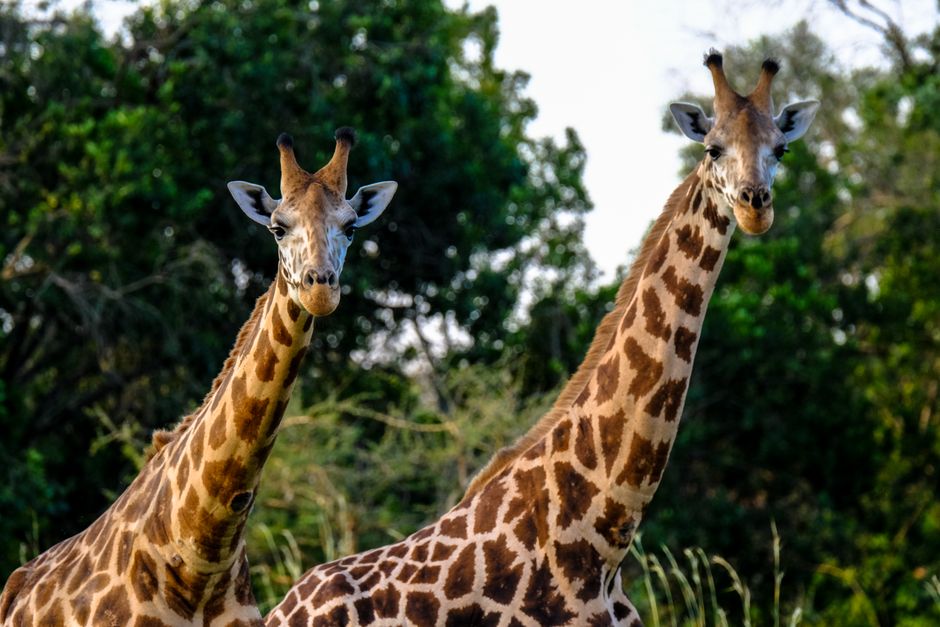
When observing a giraffe's elegant, towering neck stretching up to six feet long, it seems almost impossible that these magnificent creatures share the same number of neck vertebrae as humans. Yet this remarkable fact reveals one of nature's most fascinating examples of evolutionary adaptation and anatomical similarity across vastly different species.

The Seven Vertebrae Rule in Mammals

Despite the dramatic differences in neck length across mammalian species, nearly all mammals possess exactly seven cervical vertebrae. This includes tiny mice, massive elephants, nimble cats, marine mammals like dolphins, and yes—both humans and giraffes. This anatomical constant represents one of the most striking examples of evolutionary conservation in vertebrate biology.

The seven-vertebrae pattern emerged early in mammalian evolution and has remained remarkably stable for over 200 million years. This consistency suggests that having seven cervical vertebrae provides significant evolutionary advantages or that deviating from this number carries substantial developmental costs.

How Giraffes Achieve Their Extraordinary Neck Length

If giraffes have the same number of neck bones as humans, how do they achieve necks that can reach 6 feet in length compared to the human neck's modest few inches? The answer lies in the size and shape of individual vertebrae rather than their quantity.

Each of a giraffe's cervical vertebrae measures approximately 10 inches long, while human cervical vertebrae average less than an inch. These elongated bones, combined with specialized joints and powerful musculature, allow giraffes to reach leaves high in the African savanna's acacia trees—a feeding niche that gives them a competitive advantage over other herbivores.

Notable Exceptions to the Seven-Vertebrae Rule

While the seven cervical vertebrae pattern holds true for the vast majority of mammals, a few remarkable exceptions exist:

  • Sloths have either six or nine cervical vertebrae, depending on the species
  • Manatees possess only six cervical vertebrae
  • Some armadillo species have as few as six cervical vertebrae

These exceptions are rare and often come with developmental trade-offs. Research suggests that deviating from the seven-vertebrae pattern may increase the risk of developmental abnormalities, including childhood cancers and neurological problems, which helps explain why this pattern has remained so consistent throughout mammalian evolution.

Developmental Constraints and Evolutionary Biology

The persistence of seven cervical vertebrae across such diverse species reflects what biologists call developmental constraints. During embryonic development, the number of cervical vertebrae is established very early and is closely linked to other critical developmental processes, including the formation of nerves, blood vessels, and muscles in the neck region.

Mutations that alter the number of cervical vertebrae often disrupt these interconnected developmental pathways, leading to serious health problems. This interconnectedness makes it evolutionarily "expensive" to change the number of neck bones, even when environmental pressures might favor such changes.

The Biomechanical Challenges of a Long Neck

Supporting and controlling a six-foot neck presents extraordinary biomechanical challenges that giraffes have evolved specialized adaptations to overcome:

Cardiovascular Adaptations

Giraffes possess hearts weighing up to 25 pounds that generate blood pressure approximately twice that of humans. This powerful cardiovascular system is necessary to pump blood up the long neck to the brain. Additionally, giraffes have evolved specialized blood vessels with unique valves and elastic properties that prevent blood from rushing to the head when the animal bends down to drink.

Muscular and Ligamentous Support

The giraffe's neck contains incredibly strong muscles and a specialized ligamentous system that helps support the massive weight of the head and neck. The nuchal ligament, a thick elastic structure running along the top of the neck, acts like a built-in suspension system, reducing the muscular effort required to hold the head upright.

Specialized Joints and Vertebral Structure

Each vertebra features unique ball-and-socket joints that provide both stability and flexibility. The vertebrae themselves have enlarged processes for muscle attachment and reinforced structures to withstand the tremendous forces involved in supporting and moving such a long neck.

Evolutionary Advantages of the Giraffe's Long Neck

The evolutionary benefit of the giraffe's elongated neck has been debated among scientists, with two primary hypotheses:

The most widely accepted theory suggests that long necks evolved through natural selection because they allowed giraffes to reach food sources unavailable to competitors. This "browsing advantage" would have been particularly valuable during periods of food scarcity, giving longer-necked individuals better survival and reproduction rates.

An alternative hypothesis proposes that long necks evolved through sexual selection, with males using their necks as weapons in combat for mating rights—a behavior called "necking." Males swing their necks and heads at rivals, and individuals with longer, heavier necks would have advantages in these contests.

Current evidence suggests both factors likely played roles in the evolution of the giraffe's remarkable neck.

What This Teaches Us About Evolution

The giraffe's neck illustrates a fundamental principle of evolution: major changes don't always require radical alterations to basic body plans. Instead of evolving additional vertebrae, giraffes achieved their extraordinary neck length by modifying the size and shape of existing structures—an example of evolution working within existing developmental frameworks.

This shared vertebral count between humans and giraffes also reminds us of our deep evolutionary connections with other mammals. Despite superficial differences, we share common ancestry and fundamental biological blueprints that continue to shape life's diversity on Earth.

The next time you observe a giraffe gracefully reaching for treetop leaves, remember that beneath that spectacular neck lies the same basic skeletal structure found in your own neck—a powerful testament to both evolutionary conservation and the remarkable adaptability of life.
Did You Know? 15 Unusual Festivals Around the World

Did You Know? 15 Unusual Festivals Around the World

⏱️ 7 min read

Every corner of the globe celebrates unique traditions that reflect local culture, history, and sometimes pure eccentricity. While many people are familiar with popular celebrations like Carnival or Oktoberfest, countless lesser-known festivals offer fascinating glimpses into human creativity and cultural diversity. From food fights to frozen hair competitions, these extraordinary celebrations challenge conventional notions of festivity and reveal the remarkable variety of human expression across different societies.

Quirky Celebrations That Define Cultural Identity

1. La Tomatina: Spain's Epic Tomato Battle

Held annually in the small town of Buñol, Spain, La Tomatina transforms streets into rivers of red pulp as approximately 20,000 participants hurl over 100 tons of overripe tomatoes at each other. This hour-long food fight, which takes place on the last Wednesday of August, began in 1945 after a spontaneous tomato-throwing incident during a parade. Today, it stands as one of the world's messiest and most photographed festivals, requiring fire trucks to hose down the town afterward.

2. Kanamara Matsuri: Japan's Festival of the Steel Phallus

Every spring in Kawasaki, Japan, the Kanamara Matsuri celebrates fertility and protection against sexually transmitted diseases with remarkably explicit displays. The festival centers around a legendary iron phallus and features processions of phallic-shaped mikoshi (portable shrines), themed candy, and decorations. Originally rooted in prayers for fertility and safe childbirth, the modern festival has embraced LGBTQ+ communities and raises money for HIV research.

3. Boryeong Mud Festival: South Korea's Therapeutic Mess

South Korea's Boryeong Mud Festival attracts millions of visitors who cover themselves in mineral-rich mud from the Boryeong flats. What began in 1998 as a marketing campaign for mud-based cosmetics has evolved into a two-week celebration featuring mud wrestling, mud slides, and mud swimming pools. The festival promotes the therapeutic benefits of the region's mud while providing an excuse for uninhibited fun.

4. Cooper's Hill Cheese-Rolling: England's Dangerous Dairy Chase

Each May, daredevils gather at Cooper's Hill in Gloucestershire, England, to chase a nine-pound wheel of Double Gloucester cheese down a steep, uneven slope. Participants reach speeds of up to 70 miles per hour while tumbling down the near-vertical gradient. Despite numerous injuries over the years, this centuries-old tradition continues to attract competitors from around the world, all vying to catch the cheese and claim victory.

5. Night of the Radishes: Mexico's Vegetable Sculpture Showcase

On December 23rd, Oaxaca, Mexico, hosts the Night of the Radishes, where artists carve elaborate scenes from oversized radishes. This tradition dates back to 1897 when vendors began carving radishes to attract customers at the Christmas market. Today's competition features intricate nativity scenes, historical events, and fantastical creatures, all crafted from radishes that can grow up to 20 inches long due to special cultivation methods.

6. Monkey Buffet Festival: Thailand's Primate Feast

The ancient city of Lopburi, Thailand, honors its resident monkey population with an annual buffet featuring over 4,000 pounds of fruits, vegetables, and treats arranged in elaborate towers and displays. Held in November, this festival acknowledges the monkeys' importance to local tourism and Hindu mythology, particularly their connection to the deity Hanuman. Hundreds of macaques descend upon the feast while spectators and photographers document the chaos.

7. Baby Jumping Festival: Spain's Leap Over Infants

In the Spanish village of Castrillo de Murcia, men dressed as devils jump over babies born during the previous year as part of El Colacho festival. Dating back to 1620, this Catholic celebration occurring during Corpus Christi is believed to cleanse infants of original sin and protect them from evil spirits. Despite its controversial nature and Vatican discouragement, local families continue to place their babies on mattresses in the street for the ritual.

8. International Hair Freezing Contest: Canada's Frozen Follicle Competition

At the Takhini Hot Springs in Yukon, Canada, participants soak in naturally heated mineral pools while temperatures plummet below freezing, creating conditions perfect for sculpting their wet hair into frozen masterpieces. This February competition awards prizes for the most creative frozen hairstyles, with participants molding their locks into spikes, waves, and gravity-defying sculptures before the warmth melts their creations.

9. Battaglia delle Arance: Italy's Historical Orange War

The northern Italian city of Ivrea commemorates a medieval rebellion with a three-day orange battle involving thousands of participants divided into teams representing different historical factions. Over 500,000 pounds of oranges become ammunition as nine cart-based teams face off against foot soldiers in the streets. This February festival combines historical reenactment with spectacular civic pride and requires extensive cleanup operations.

10. Lopburi Monkey Buffet Festival: Honoring Primate Residents

Wife Carrying World Championships in Sonkajärvi, Finland, challenges male competitors to navigate a 253-meter obstacle course while carrying a female teammate. The prize? The wife's weight in beer. Originating from 19th-century legends of Finnish brigands who carried away women from neighboring villages, the modern competition has evolved into a test of strength and teamwork, with various carrying techniques permitted including the Estonian-style upside-down piggyback.

11. Naki Sumo: Japan's Crying Baby Competition

Japanese parents bring their babies to Naki Sumo events where sumo wrestlers hold the infants and attempt to make them cry first. This 400-year-old tradition is based on the belief that a baby's cry drives away demons and brings good health. If both babies cry simultaneously, the one with the loudest cry wins. The unusual spectacle takes place at various shrines throughout Japan during spring and summer months.

12. World Bog Snorkeling Championships: Wales' Peat Bog Swim

In Llanwrtyd Wells, Wales, competitors don snorkels and flippers to swim two consecutive lengths of a 60-yard water-filled trench cut through a peat bog. Participants cannot use conventional swimming strokes and must rely solely on flipper power to propel themselves through the murky, cold water. This August event has spawned additional bog sports, including bog mountain biking and bog triathlon competitions.

13. Thaipusam: Malaysia's Piercing Pilgrimage

Hindu devotees demonstrate faith through extreme body piercing during Thaipusam, carrying elaborate kavadi (burdens) attached to their bodies with hooks and skewers. Celebrated by Tamil communities, particularly at Batu Caves in Malaysia, participants enter trance-like states and claim to feel no pain as they perform acts of devotion. The festival honors Lord Murugan and represents the triumph of good over evil.

14. Up Helly Aa: Scotland's Viking Fire Festival

Shetland Islands residents celebrate their Norse heritage every January with Up Helly Aa, culminating in the burning of a full-scale replica Viking longship. Nearly 1,000 participants dress in elaborate Viking costumes and carry torches in a torchlight procession before setting the galley ablaze. The festival includes months of preparation, secret squad identities, and performances at venues throughout the night.

15. Songkran: Thailand's Nationwide Water Fight

Thailand's traditional New Year celebration has evolved from respectful water sprinkling to a three-day nationwide water battle. Armed with water guns, buckets, and hoses, millions of Thais and tourists drench each other in the streets during mid-April's hottest weather. While rooted in Buddhist purification rituals, modern Songkran combines religious observance with one of the world's largest and most joyous water fights.

The Universal Language of Celebration

These fifteen extraordinary festivals demonstrate humanity's boundless creativity in marking special occasions and honoring traditions. Whether rooted in ancient religious practices, historical events, or modern marketing innovations, each celebration offers insights into local values, humor, and community bonds. From frozen hair sculptures in the Yukon to baby-jumping rituals in Spain, these unusual festivals remind us that cultural expression knows no boundaries. They attract curious travelers seeking authentic experiences while preserving unique traditions for future generations. Understanding and appreciating these diverse celebrations enriches our perspective on global culture and highlights the fascinating ways communities choose to commemorate, compete, and simply have fun together.