









1 / 10 Questions
0 Points

Which habitat is most threatened by rising sea levels?

Grasslands

Coastal areas

Deserts

Mountains

Points won
0
Correct score
0%

More Quizzes

More Articles

Did You Know? The Beatles Recorded in Mono First?

Did You Know? The Beatles Recorded in Mono First?

⏱️ 5 min read

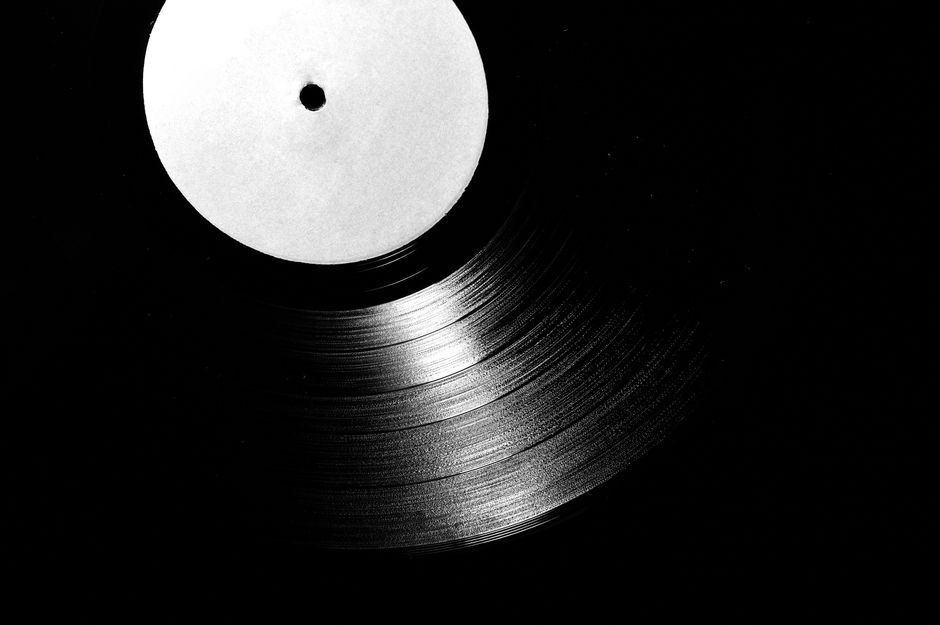
When most music fans listen to The Beatles today, they're experiencing the band's groundbreaking catalog through stereo remasters and modern audio formats. However, a fascinating piece of recording history often goes unnoticed: The Beatles and their producer George Martin actually prioritized mono recordings over stereo throughout most of the band's career. This wasn't simply a technical limitation of the era—it was a deliberate artistic choice that shaped the sound of the most influential band in popular music history.

The Mono Mixing Sessions: Where the Magic Happened

During the 1960s, The Beatles and their production team at Abbey Road Studios dedicated significantly more time and attention to mono mixes than their stereo counterparts. The mono versions received meticulous care from George Martin and the band members themselves, who would spend hours perfecting every detail. In stark contrast, stereo mixes were often completed as an afterthought, sometimes without any of the Beatles even present in the studio.

These mono mixing sessions represented the band's true vision for their music. John Lennon, Paul McCartney, George Harrison, and Ringo Starr would crowd around the studio monitors, offering input on every sonic element. The mono mix was considered the "real" version—the definitive statement of how each song should sound. Stereo mixes, meanwhile, might be finished in a matter of hours by engineering staff, following the completion of the mono work.

Why Mono Dominated the 1960s Music Industry

The preference for mono wasn't unique to The Beatles—it reflected the broader reality of music consumption in the 1960s. The vast majority of listeners experienced music through mono playback systems. Transistor radios, which were ubiquitous during this period, broadcast exclusively in mono. Jukeboxes in cafes and diners, record players in teenagers' bedrooms, and car radios all reproduced sound monaurally.

Radio stations, the primary means of music discovery and promotion, transmitted only in mono until well into the 1970s. For The Beatles and their contemporaries, creating an exceptional mono mix wasn't just preferable—it was essential for commercial success. The stereo market existed primarily for affluent audiophiles who owned expensive hi-fi systems, representing a small fraction of the listening public.

Technical Differences Between Mono and Stereo Beatles Recordings

The differences between mono and stereo versions of Beatles albums extend far beyond simple channel distribution. These are fundamentally different mixes with distinct sonic characteristics, sometimes featuring entirely different takes, effects, and edits.

Sound Quality and Cohesion

Mono mixes possess a unified, punchy quality that many audiophiles and Beatles historians prefer. All instruments and vocals blend together in a single channel, creating an integrated sonic experience. The bass and drums typically hit harder in mono, while vocals maintain a central, powerful presence. This cohesion made the music translate better across the varied and often low-quality playback systems of the era.

Creative Differences in Mixing

Specific albums showcase dramatic differences between their mono and stereo versions. Consider these notable examples:

  • The mono version of "She's Leaving Home" from "Sgt. Pepper's Lonely Hearts Club Band" runs slightly faster than the stereo version due to tape speed variations
  • "Helter Skelter" features different fade-outs and lengths between formats
  • Certain sound effects and studio chatter appear in one version but not the other
  • Vocal treatments, reverb levels, and instrument balancing often differ significantly

The Stereo Limitations of Early Recording Technology

Early stereo recording technology presented creative challenges that made mono more appealing to producers. The primitive stereo techniques of the early 1960s often resulted in harsh channel separation, with instruments and vocals isolated unnaturally to the far left or far right. Bass and drums might appear entirely on one side, while vocals and guitars appeared on the other—a disorienting listening experience that violated natural sonic principles.

Abbey Road Studios' four-track recording equipment, which The Beatles used through most of their career, further complicated stereo production. Creating sophisticated stereo mixes from limited tracks required technical compromises. Mono production allowed engineers to focus entirely on achieving the best possible sound without worrying about spatial distribution across two channels.

When The Beatles Transitioned to Stereo Priority

The band's approach began shifting with "The Beatles" (commonly known as the White Album) in 1968, though mono remained important. By the time "Abbey Road" arrived in 1969, stereo had become the primary format, reflecting changing market conditions and consumer habits. Stereo equipment had become more affordable and widespread, and FM radio stations were beginning stereo broadcasts.

Interestingly, "Abbey Road" and "Let It Be" received no official mono releases in Britain, marking the definitive end of an era. The decision reflected both technological progress and evolving artistic priorities as The Beatles experimented with more sophisticated recording techniques that benefited from stereo presentation.

The Mono Beatles Legacy for Today's Listeners

For decades, the mono versions of Beatles albums were difficult to obtain, as record labels focused on reissuing and remastering the stereo versions. This changed in 2009 when Apple Corps released "The Beatles in Mono" box set, making these mixes widely available in remastered form for the first time since the 1960s.

Many devoted fans and audio professionals argue that these mono versions offer the most authentic Beatles experience, representing the band's genuine artistic intentions. Albums from "Please Please Me" through "Sgt. Pepper's Lonely Hearts Club Band" particularly benefit from mono presentation, as these releases received the most attention during their original mono mixing sessions.

Understanding The Beatles' mono-first approach provides valuable insight into both the band's creative process and the technological landscape of 1960s music production. These weren't simply alternative versions—they were the primary artistic statements from the most important band in rock history.
The Science of Déjà Vu

The Science of Déjà Vu

⏱️ 5 min read

Most people have experienced that eerie sensation of familiarity when entering a new place or meeting someone for the first time. This phenomenon, known as déjà vu—French for "already seen"—affects approximately 60-80% of the population at some point in their lives. While it has long been associated with paranormal explanations or glitches in the matrix, modern neuroscience has revealed fascinating insights into what actually causes this mysterious experience.

Understanding the Déjà Vu Experience

Déjà vu is a complex neurological phenomenon characterized by an overwhelming sense that a current experience has been encountered before, despite knowing rationally that it's entirely new. The experience typically lasts only a few seconds and is often accompanied by feelings of strangeness or unreality. Research indicates that déjà vu occurs most frequently in people between the ages of 15 and 25, with incidents decreasing as people age.

The subjective nature of déjà vu has made it challenging for scientists to study in laboratory settings. However, advances in brain imaging technology and creative experimental designs have allowed researchers to gain unprecedented insights into this puzzling mental state.

Neurological Explanations for Déjà Vu

The Memory Processing Theory

One of the most widely accepted scientific explanations involves a temporary glitch in the brain's memory systems. The human brain processes experiences through different memory pathways, including short-term and long-term memory storage. According to this theory, déjà vu occurs when there's a brief miscommunication between these systems, causing the brain to mistakenly file a current experience directly into long-term memory instead of processing it as a new event.

This creates the paradoxical sensation of remembering something that's happening in the present moment. Neuroimaging studies have shown that during déjà vu experiences, there's unusual activity in the temporal lobes and hippocampus—brain regions crucial for memory formation and retrieval.

The Dual Processing Explanation

Another compelling theory suggests that déjà vu results from a split-second delay in neural processing. When we perceive our environment, information typically travels through multiple neural pathways simultaneously. If one pathway experiences a millisecond delay, the brain might process the same information twice, creating the illusion that the current moment was experienced previously. This "neural lag" hypothesis explains why déjà vu feels so fleeting and ephemeral.

Pattern Recognition and Familiar Elements

Recent research has explored the role of subconscious pattern recognition in triggering déjà vu. Our brains constantly scan environments for familiar patterns and configurations. Sometimes, a new situation contains enough subtle similarities to a past experience—perhaps the spatial layout of a room or the arrangement of objects—that it triggers a sense of familiarity without the brain being able to pinpoint exactly what's familiar. This creates the uncanny feeling of having been somewhere before without any concrete memory to support it.

Contributing Factors and Triggers

Scientists have identified several factors that appear to increase the likelihood of experiencing déjà vu:

  • Stress and fatigue: Higher levels of stress and exhaustion correlate with increased déjà vu frequency
  • Age: Younger individuals report more frequent experiences than older adults
  • Travel and novel experiences: Exposure to new environments and situations may trigger more episodes
  • Certain medications: Some pharmaceutical compounds can affect memory processing and increase déjà vu occurrences
  • Neurological conditions: People with epilepsy, particularly temporal lobe epilepsy, often experience déjà vu as part of seizure activity

The Role of the Temporal Lobe

The temporal lobe has emerged as a critical area in déjà vu research. This brain region houses structures essential for memory processing, including the hippocampus and the rhinal cortex. Studies of epilepsy patients have provided particularly valuable insights, as electrical stimulation of the temporal lobe during pre-surgical mapping has reliably produced déjà vu sensations in many patients.

This connection has led researchers to understand déjà vu as potentially a minor, benign form of temporal lobe activity that most people experience occasionally. When this activity becomes excessive or pathological, it can manifest as epileptic seizures, but in healthy individuals, it produces only the brief, harmless sensation of familiarity.

Recent Breakthroughs in Déjà Vu Research

A groundbreaking 2016 study at the University of St Andrews successfully induced déjà vu in laboratory conditions for the first time. Researchers used virtual reality environments and hypnotic suggestion to create situations where participants experienced the phenomenon while undergoing brain scans. The study revealed that during déjà vu, the frontal brain regions involved in decision-making showed heightened activity, suggesting the brain was actively checking its memories and recognizing a conflict between familiarity and novelty.

This research challenged the assumption that déjà vu solely involves memory systems. Instead, it appears to also engage conflict-resolution mechanisms, with the brain essentially conducting a "fact-check" on its own sensations of familiarity.

Variations and Related Phenomena

Déjà vu exists within a family of related experiences that neuroscientists continue to investigate. Déjà vécu ("already lived") involves not just recognition but a sense of knowing what will happen next. Jamais vu ("never seen") is the opposite experience—when something familiar suddenly feels completely foreign. These variations suggest that the brain's familiarity-detection systems operate on a spectrum that can misfire in multiple directions.

The Healthy Brain Hypothesis

Contrary to popular concerns, experiencing déjà vu is generally considered a sign of healthy brain function rather than a cause for worry. The phenomenon likely represents the brain's quality-control mechanisms working properly, detecting and signaling discrepancies in memory processing. Unless déjà vu experiences become extremely frequent or are accompanied by other neurological symptoms, they're considered a normal part of human consciousness.

As neuroscience continues to advance, our understanding of déjà vu deepens, transforming it from a mysterious anomaly into a window through which scientists can observe the brain's remarkable memory and perception systems at work.