

1 / 10 Questions
0 Points

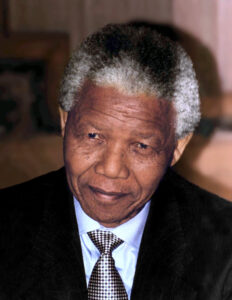
Who became South Africa’s first president chosen democratically?

F.W. de Klerk

Desmond Tutu

Thabo Mbeki

Nelson Mandela

Points won
0
Correct score
0%

More Quizzes

More Articles

Did You Know Tomatoes Were Once Considered Poisonous?

Did You Know Tomatoes Were Once Considered Poisonous?

⏱️ 5 min read

The vibrant red tomato sits at the heart of countless cuisines worldwide, from Italian pasta sauces to Mexican salsas. Yet this beloved fruit has a dark and fascinating history that many people find surprising. For centuries, tomatoes were feared across Europe and North America as toxic fruits that could cause illness or even death. This widespread misconception persisted for generations, keeping tomatoes off dinner tables despite their nutritional benefits and delicious flavor.

The Historical Fear of Tomatoes in Europe

When Spanish conquistadors brought tomatoes back from South America in the 16th century, European aristocrats were immediately suspicious of the bright red fruit. The tomato belongs to the nightshade family, Solanaceae, which includes several genuinely poisonous plants such as belladonna and mandrake. This botanical relationship alone was enough to raise red flags among Europeans who were already familiar with the deadly properties of other nightshade family members.

The wealthy elite of Europe were particularly adamant about avoiding tomatoes. This wasn't merely superstition—there were actual cases of people becoming ill after eating tomatoes, though the real culprit wasn't the fruit itself. The aristocracy ate their meals on pewter plates, which were high in lead content. When acidic foods like tomatoes came into contact with these plates, the acid would leach lead from the pewter, causing lead poisoning. The symptoms of lead poisoning—which included illness and sometimes death—were then attributed to the tomatoes rather than the dishes they were served upon.

The Role of Botanical Classification in the Myth

The scientific community of the time inadvertently reinforced these fears through botanical classification. Since tomatoes were correctly identified as members of the nightshade family, many herbalists and physicians warned against their consumption. Medical texts and botanical guides from the 16th through 18th centuries often listed tomatoes alongside poisonous plants, cementing their dangerous reputation in the public consciousness.

Interestingly, while the fruit itself is safe to eat, other parts of the tomato plant do contain toxic compounds called glycoalkaloids, particularly tomatine. The leaves, stems, and unripe green tomatoes contain these substances, which can cause gastrointestinal distress if consumed in large quantities. This kernel of truth may have contributed to the broader misconception about the entire plant being dangerous.

Regional Differences in Tomato Acceptance

While Northern Europe and North America remained deeply suspicious of tomatoes well into the 19th century, other regions embraced them much earlier. Mediterranean countries, particularly Italy and Spain, began incorporating tomatoes into their cuisines as early as the 17th century. The warmer climate and existing culinary traditions that featured acidic ingredients made tomatoes a natural fit for these food cultures.

In North America, tomatoes faced an uphill battle for acceptance. Colonial Americans grew tomatoes primarily as ornamental plants, appreciating their appearance while refusing to eat them. Thomas Jefferson, known for his adventurous agricultural pursuits, was among the early American advocates for tomato consumption, growing them at Monticello in the 1780s. However, widespread acceptance didn't occur until much later.

The Turning Point: Debunking the Myth

The transformation of the tomato's reputation in America is often attributed to Colonel Robert Gibbon Johnson, though this story may be partly apocryphal. According to popular legend, Johnson stood on the courthouse steps in Salem, New Jersey, in 1820 and publicly ate an entire basket of tomatoes while a crowd watched, expecting him to drop dead. When he survived without ill effects, it supposedly began changing public perception.

Whether or not this dramatic demonstration actually occurred, the early 19th century did mark a turning point in tomato acceptance. Agricultural journals and cookbooks began featuring tomato recipes, and farmers started cultivating them as food crops rather than decorative plants. The growing Italian immigrant population in America also helped popularize tomato-based dishes, introducing new culinary traditions that showcased the fruit's versatility.

Scientific Understanding and Nutritional Value

Modern science has thoroughly vindicated the tomato, revealing it to be not only safe but remarkably nutritious. Tomatoes are rich in several important compounds:

  • Lycopene, a powerful antioxidant that gives tomatoes their red color and may help reduce the risk of certain cancers and heart disease
  • Vitamin C, which supports immune function and skin health
  • Potassium, essential for heart health and blood pressure regulation
  • Vitamin K, important for bone health and blood clotting
  • Folate, crucial for cell function and tissue growth

Research has also shown that cooking tomatoes actually increases the bioavailability of lycopene, making tomato sauce and cooked tomato products particularly beneficial from a nutritional standpoint.

Legacy and Modern Cultivation

Today, tomatoes are one of the most widely consumed fruits globally, with worldwide production exceeding 180 million tons annually. The journey from feared poison to dietary staple represents one of the most remarkable transformations in culinary history. Modern tomato cultivation has produced thousands of varieties, from tiny cherry tomatoes to massive beefsteaks, in colors ranging from deep purple to yellow to the classic red.

The story of the tomato's redemption serves as a reminder of how cultural beliefs and misunderstandings can persist despite evidence to the contrary. It also highlights the importance of scientific inquiry in overcoming superstition and the role that cross-cultural exchange plays in enriching our food traditions. The next time you enjoy a fresh tomato or a hearty marinara sauce, consider the centuries-long journey this humble fruit took to reach your plate.
10 Facts About the First World War You Didn’t Know

10 Facts About the First World War You Didn’t Know

⏱️ 7 min read

The First World War reshaped the modern world in ways that continue to influence global politics, society, and culture today. While most people are familiar with the basic narrative of trench warfare, the assassination of Archduke Franz Ferdinand, and the Treaty of Versailles, the conflict contained numerous surprising elements that often escape popular historical accounts. These lesser-known aspects reveal the war's complexity and its far-reaching impact on everything from technology to animal welfare, from international law to everyday language.

Remarkable Facts From the Great War

1. The Christmas Truce Was More Widespread Than Most Realize

The spontaneous Christmas Truce of 1914 has become legendary, but its scale was far more extensive than commonly portrayed. Along significant portions of the Western Front, soldiers from opposing sides emerged from their trenches to exchange gifts, sing carols, and even play football matches in no man's land. Some estimates suggest that up to 100,000 British and German troops participated in various informal truces along the front lines. These ceasefires occurred not just on Christmas Day but sometimes extended for several days. Military high commands on both sides were horrified by this fraternization and issued strict orders preventing such occurrences in subsequent years, threatening soldiers with court-martial for unauthorized truces.

2. Animals Received Military Medals for Their Service

The contributions of animals during World War I were so significant that many received formal recognition for their service. Approximately 16 million animals served in the war, including horses, dogs, pigeons, and even cats. One pigeon named Cher Ami saved nearly 200 American soldiers by delivering a crucial message despite being shot through the breast and losing an eye and a leg. The bird received the French Croix de Guerre medal for heroic service. Dogs served as messengers, sentries, and even helped pull machine guns. Horses transported supplies, artillery, and soldiers under horrific conditions, with an estimated 8 million horses dying during the conflict.

3. Plastic Surgery Advanced Dramatically Due to Facial Injuries

The nature of trench warfare resulted in unprecedented numbers of severe facial injuries, as soldiers' heads were exposed when they looked over parapets. This tragic consequence led to revolutionary advances in reconstructive surgery. New Zealand surgeon Harold Gillies established the first hospital dedicated entirely to facial reconstruction and developed groundbreaking techniques that laid the foundation for modern plastic surgery. His work at the Queen's Hospital in Sidcup, England, treated over 5,000 patients with facial wounds. Gillies pioneered the "tubed pedicle" technique, which involved moving skin from one part of the body to another while maintaining its blood supply, dramatically improving surgical outcomes and patients' quality of life.

4. The War Created the First Modern Propaganda Machine

World War I saw the systematic use of propaganda on an industrial scale, establishing techniques still employed today. Britain established the War Propaganda Bureau within weeks of the war's outbreak, recruiting famous authors like H.G. Wells, Arthur Conan Doyle, and Rudyard Kipling to shape public opinion. The British fabricated or exaggerated numerous atrocity stories about German soldiers, including the infamous but false "Corpse Factory" story claiming Germans were rendering human bodies for industrial fat. These campaigns were so effective that they influenced American public opinion and contributed to the United States entering the war. The sophisticated manipulation of information during WWI established propaganda as a crucial weapon in modern warfare.

5. Women's Football Flourished During the War Years

With men away fighting, women took over factory work and also began playing football (soccer) in organized teams. These matches attracted massive crowds, with some games drawing over 50,000 spectators. The Dick, Kerr Ladies team from Preston, England, became particularly famous, raising substantial funds for war charities. These female footballers challenged gender stereotypes and demonstrated women's athletic capabilities. However, the Football Association banned women from playing on Football League grounds in 1921, a prohibition that lasted until 1971, fearing the women's game would overshadow the men's competitions.

6. Tanks Were Initially Disguised as Water Carriers

When Britain developed the first tanks, the project was shrouded in such secrecy that the vehicles were given a deliberately misleading name. Workers building them in factories were told they were constructing mobile water carriers for troops in Mesopotamia. The code name "tank" stuck permanently. The first tanks saw combat at the Battle of the Somme in September 1916, though mechanical problems limited their initial effectiveness. Despite their early unreliability, tanks represented a revolutionary approach to breaking the stalemate of trench warfare and would fundamentally change military strategy in future conflicts.

7. Tug-of-War Was an Olympic Event and Military Training Tool

Before and during the WWI era, tug-of-war was an official Olympic sport and served as a standard military training exercise to build teamwork and strength. Many regiments competed in tug-of-war competitions during rest periods behind the lines, and soldiers who had competed in pre-war Olympics brought their expertise to military training. The sport's emphasis on coordinated effort and timing made it ideal for building unit cohesion. British City of London Police team won the gold medal in the 1920 Olympics, shortly after the war ended, demonstrating how the sport bridged civilian and military life.

8. The War Introduced Daylight Saving Time

Germany and Austria-Hungary first implemented daylight saving time on April 30, 1916, as a measure to conserve coal during wartime. Britain and most of its allies followed weeks later. The practice aimed to reduce artificial lighting needs and increase productivity by better aligning working hours with daylight. While the concept had been proposed earlier, it took the desperate resource conservation needs of total war to implement it. After the war ended, many countries abandoned the practice, only to reinstate it during World War II. The wartime origins of daylight saving time continue to fuel debates about its usefulness more than a century later.

9. Blood Banks Were Created as a Direct Result of the War

The massive casualties and urgent need for transfusions during WWI led to the development of the first blood banks. Captain Oswald Robertson of the U.S. Army Medical Corps established the first blood bank at the Casualty Clearing Station at Cambrai, France, in 1917. He collected and stored blood with citrate-glucose solution, allowing it to be preserved for later use rather than requiring direct person-to-person transfusions. This innovation saved countless lives and established the foundation for modern blood banking systems. The discovery that blood could be categorized into types (A, B, AB, and O) had occurred just before the war, making safe transfusions possible on a large scale for the first time.

10. More Than 12 Million Letters Were Delivered Weekly to the Front

The British Army's postal service represented a logistical achievement comparable to military operations themselves. At its peak, the Army Postal Service delivered approximately 12 million letters and 1 million parcels to the front every week. Mail typically reached soldiers within two days of being posted from Britain. The service employed 4,000 postal workers and maintained an extensive network ensuring that soldiers, no matter how remote their position, could maintain contact with home. These letters provided crucial morale support and offer historians invaluable primary sources for understanding soldiers' experiences. The German and French armies maintained similarly impressive postal systems, recognizing that maintaining connections with home was essential for sustaining fighting spirit.

The War's Hidden Legacy

These lesser-known facts about the First World War reveal the conflict's complexity and its pervasive influence on modern life. From medical advances to social changes, from the creation of propaganda techniques to innovations in logistics, the war touched virtually every aspect of twentieth-century development. Understanding these hidden dimensions provides a fuller picture of how the Great War shaped our contemporary world, influencing everything from the sports we play to the time on our clocks, and from medical procedures to communication systems. The war's legacy extends far beyond the battlefield, reminding us that major historical events create ripples that affect society in unexpected and enduring ways.