




1 / 10 Questions
0 Points

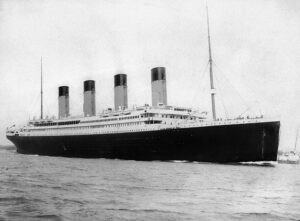
Which famous ship sank after hitting an iceberg in 1912?

Titanic

Lusitania

Bismarck

Andrea Doria

Points won
0
Correct score
0%

More Quizzes

More Articles

Series That Improved Dramatically After Season One

Series That Improved Dramatically After Season One

⏱️ 5 min read

Television series often struggle to find their footing in the first season, as creators, writers, and actors work to establish chemistry, tone, and narrative direction. While some shows burst onto the scene with immediate acclaim, others require time to mature into the beloved series they eventually become. The phenomenon of dramatic improvement after a rocky first season is more common than many viewers realize, with several now-iconic programs nearly cancelled before hitting their stride in subsequent seasons.

The Challenge of Establishing a New Series

First seasons face unique pressures that can hinder a show's potential. Networks often interfere with creative decisions, budgets may be limited, and writers need time to understand their characters deeply. Additionally, actors require opportunities to inhabit their roles fully, and production teams must learn to work cohesively. These growing pains frequently result in uneven storytelling, inconsistent characterization, and tonal confusion that can alienate early audiences.

Understanding this context helps explain why patience with new series often pays dividends. Many programs that went on to achieve critical acclaim and cultural significance nearly disappeared after lackluster debut seasons, saved only by network faith, passionate fan bases, or fortuitous scheduling decisions.

Science Fiction Success Stories

Star Trek: The Next Generation

Perhaps no series better exemplifies dramatic improvement than Star Trek: The Next Generation. The show's first season, which aired in 1987, was plagued by behind-the-scenes turmoil, inconsistent writing, and stilted performances. The crew seemed uncomfortable in their roles, and storylines often felt derivative or underdeveloped. Episodes like "Code of Honor" and "The Naked Now" are frequently cited among the franchise's worst.

However, by the second season, and especially into the third, the series transformed dramatically. The writing became more sophisticated, tackling complex moral and philosophical questions. Characters developed distinct personalities and relationships, with Commander Riker growing a beard that fans jokingly credit with marking the show's turning point. The series eventually became one of the most celebrated science fiction programs in television history, running seven seasons and spawning multiple films.

Parks and Recreation

This beloved comedy series struggled significantly during its abbreviated six-episode first season. The show initially positioned itself as an office-style mockumentary set in local government, with protagonist Leslie Knope portrayed as incompetent and delusional. The humor felt derivative, and the Pawnee setting lacked the warmth that would later define the series.

The transformation beginning in season two was remarkable. Writers retooled Leslie Knope from a bumbling Michael Scott clone into an optimistic, highly competent public servant whose enthusiasm inspired those around her. Supporting characters received more development, with breakout performances from characters like Ron Swanson, Andy Dwyer, and April Ludgate. The show developed its own identity, focusing on genuine affection between characters rather than mockery, creating one of the most heartwarming comedies of the 2010s.

Character Development as a Catalyst

Seinfeld

Now considered one of the greatest sitcoms ever produced, Seinfeld's first season consisted of only five episodes and performed modestly in ratings. The show lacked the rhythm and confidence that would later define it. Jerry Seinfeld's stand-up segments felt disconnected from the narratives, and supporting characters hadn't yet developed their signature quirks and catchphrases.

As the series progressed into later seasons, the "show about nothing" found its voice. The characters became more selfish and neurotic, creating comedy gold. George Costanza evolved into a magnificently flawed character, Elaine became integral rather than peripheral, and Kramer's physical comedy reached new heights. The show's willingness to embrace darker humor and its characters' worst impulses separated it from traditional sitcoms and cemented its legacy.

Finding the Right Tone

Buffy the Vampire Slayer

While Buffy the Vampire Slayer's first season showed promise, it was hampered by limited budget, monster-of-the-week storytelling, and occasional cheesy dialogue. The twelve-episode season established the premise but didn't fully explore the emotional depth that would become the show's hallmark.

Season two elevated everything. The introduction of complex villains, serialized storytelling, and willingness to explore genuine darkness transformed the program. The relationship between Buffy and Angel provided emotional stakes, while episodes alternated between humor, horror, and heartbreak. The show began addressing real-world issues through supernatural metaphors, creating a template for genre television that influenced countless series that followed.

The Importance of Creative Freedom

Many series that improved dramatically after their first season share a common factor: creators gained more control over their vision. Network interference often diminishes during second seasons when executives see potential, allowing writers and producers to take risks and develop their stories organically.

This creative freedom enables shows to shed generic elements imposed during development and embrace unique voices. Characters become more nuanced, storylines grow more ambitious, and thematic elements deepen. The difference between a network-mandated pilot and a creator-driven second season can be transformative.

Lessons for Modern Viewers

The phenomenon of second-season improvement offers valuable lessons for contemporary audiences. In an era of immediate cancellations and snap judgments based on a few episodes, patience can be rewarding. Many series that went on to achieve greatness might never have survived under today's viewing conditions, where streaming metrics and social media reactions can seal a show's fate within days of premiere.

These success stories remind us that great television often requires time to develop, and initial stumbles don't necessarily predict a series' ultimate quality. The best shows frequently emerge from extended creative processes, rewarding loyal viewers who stick around long enough to witness their transformation.
10 Mind-Blowing Facts About Cinema History

10 Mind-Blowing Facts About Cinema History

⏱️ 7 min read

Cinema has captivated audiences for over a century, transforming from simple moving pictures into a powerful art form that shapes culture, influences society, and preserves history. Behind the glamorous premieres and blockbuster releases lies a fascinating history filled with unexpected innovations, bizarre incidents, and groundbreaking achievements that forever changed entertainment. These remarkable moments reveal how creative vision, technical ingenuity, and sometimes pure accident combined to create the medium we know and love today.

Remarkable Discoveries from Cinema's Past

1. The First Film Ever Made Featured a Garden Scene

In 1888, French inventor Louis Le Prince created what is considered the first motion picture ever made, titled "Roundhay Garden Scene." This groundbreaking two-second film showed family members walking in a garden and was shot at 12 frames per second. Tragically, Le Prince disappeared under mysterious circumstances in 1890, just before he was scheduled to patent his invention in the United States. His disappearance remains one of cinema's greatest unsolved mysteries, and Thomas Edison would later claim credit for inventing motion pictures, sparking decades of controversy about who truly deserves recognition as the father of film.

2. Silent Films Were Never Actually Silent

Despite being called "silent films," movies from the silent era were accompanied by elaborate soundscapes. Theaters employed live musicians, ranging from solo pianists in small venues to full orchestras in grand movie palaces. Some theaters even had sound effects specialists who created noises synchronized with on-screen action using devices like coconut shells for horse hooves and sheet metal for thunder. Major studios distributed detailed musical cues with their films, ensuring consistent presentations across different theaters. This employment of musicians made movie theaters one of the largest employers of musicians in the 1920s, until "talkies" revolutionized the industry and put many of them out of work overnight.

3. The Wizard of Oz's Technicolor Process Required Dangerous Materials

The stunning Technicolor process that made "The Wizard of Oz" (1939) so visually striking came at a significant cost. The lights required for the three-strip Technicolor cameras were incredibly hot and bright, with temperatures on set reaching up to 100 degrees Fahrenheit. The Wicked Witch's copper-based makeup was toxic, and Margaret Hamilton suffered severe burns during the filming of her fiery exit from Munchkinland. Even more concerning, the original Tin Man, Buddy Ebsen, had to leave the production after the aluminum dust in his makeup caused a serious allergic reaction that hospitalized him and affected his lungs for the rest of his life.

4. Alfred Hitchcock Created the Most Expensive Scene Per Second

Alfred Hitchcock's 1960 masterpiece "Psycho" featured one of cinema's most iconic sequences: the shower scene. This 45-second scene took seven days to shoot and required 70 different camera setups. What makes it truly remarkable is that Hitchcock used chocolate syrup for blood because it showed up better on black-and-white film than stage blood. The scene's effectiveness came from rapid editing and innovative camera angles rather than graphic violence—viewers actually never see the knife penetrating Janet Leigh's body, yet it remains one of the most viscerally terrifying sequences ever filmed. The scene's meticulous planning made it one of the most expensive moments per second of screen time in 1960s cinema.

5. The First Movie Theater Opened in a Storefront

The first permanent movie theater, called a "Nickelodeon" because admission cost a nickel, opened in Pittsburgh in 1905. Before this, films were shown in vaudeville theaters, traveling exhibitions, or penny arcades. The Nickelodeon concept spread rapidly across America, with nearly 10,000 nickelodeon theaters operating by 1910. These small, converted storefronts democratized entertainment, providing affordable amusement to working-class immigrants who couldn't afford traditional theater. The nickelodeon boom fundamentally transformed American entertainment and urban culture, establishing cinema as a legitimate art form and business rather than a carnival curiosity.

6. Hollywood Moved West to Escape Patent Laws

Hollywood's establishment as the film capital wasn't just about California's sunny weather and diverse landscapes. In the early 1900s, Thomas Edison controlled most film production patents through the Motion Picture Patents Company, aggressively suing independent filmmakers on the East Coast. Pioneering producers fled to Southern California because its proximity to the Mexican border allowed them to escape Edison's lawyers and legal jurisdiction if necessary. The year-round sunshine was certainly beneficial for filming, but the geographic distance from Edison's New Jersey headquarters and the ability to cross the border quickly proved equally attractive to these early cinematic rebels.

7. The Longest Film Ever Made Runs for 35 Days

Swedish artist Anders Weberg created "Ambiancé," an experimental film with a running time of 720 hours—exactly 30 days. However, the actual longest film ever screened is "The Cure for Insomnia" (1987), which runs for 87 hours. But even more extreme is "Modern Times Forever," which would take 240 hours (10 days) to watch in its entirety. These experimental films challenge traditional notions of cinema as entertainment, exploring endurance, perception, and the boundaries of the medium itself. They represent cinema's artistic avant-garde, where the experience itself becomes more important than conventional narrative storytelling.

8. The Movie Rating System Started Because of a Bikini

The modern American film rating system (G, PG, PG-13, R, NC-17) emerged in 1968, replacing the restrictive Production Code that had governed Hollywood since 1934. The Production Code began crumbling in the 1950s and 1960s as filmmakers pushed boundaries. The final straw came with increasingly adult content in mainstream films. The voluntary rating system allowed filmmakers creative freedom while providing parents with guidance. Interestingly, the PG-13 rating wasn't added until 1984, following parent complaints about "Indiana Jones and the Temple of Doom" and "Gremlins" being too intense for the PG rating, proving that the system continues to evolve based on societal standards and audience feedback.

9. Charlie Chaplin Once Lost a Charlie Chaplin Look-Alike Contest

In one of cinema's most delightful ironies, legendary comedian Charlie Chaplin allegedly entered a Charlie Chaplin look-alike contest in San Francisco and came in third place. While the exact details remain disputed by historians, the story persists because it captures something profound about fame and identity in the film age. Chaplin's iconic Tramp character became so universally recognized that the real person became separated from his screen persona. This anecdote, whether completely true or embellished, illustrates how cinema created a new type of celebrity where the image could become more famous than the individual, fundamentally changing the relationship between performers and audiences.

10. The Wilhelm Scream Has Appeared in Over 400 Films

A single sound effect recorded in 1951 for the film "Distant Drums" has become cinema's most famous inside joke. The "Wilhelm Scream"—named after a character who screamed it in "The Charge at Feather River" (1953)—has been deliberately inserted into over 400 films and television shows. Sound designer Ben Burtt discovered the scream in the Warner Bros. sound archives and used it in "Star Wars," sparking a tradition among sound designers to hide it in their work. From "Indiana Jones" to "Toy Story" to "The Lord of the Rings," this distinctive scream has become an homage to cinema history, connecting modern blockbusters to Hollywood's golden age through a single, recognizable audio signature.

Cinema's Enduring Legacy

These fascinating facts demonstrate that cinema history is far more complex and surprising than simple narratives suggest. From its mysterious beginnings with Louis Le Prince's disappearance to the ongoing Wilhelm Scream tradition, film history encompasses innovation, tragedy, ingenuity, and humor. Understanding these stories enriches our appreciation of movies, revealing the human creativity, technical challenges, and occasional accidents that shaped this art form. Each fact represents countless individuals who experimented, took risks, and pushed boundaries to transform flickering images into the powerful medium that continues to captivate billions of viewers worldwide. Cinema remains a relatively young art form, and its history continues to unfold with each new technological advancement and creative breakthrough.