


















1 / 20 Questions
0 Points

What animal is the symbol of WWF?

Panda

Gorilla

Elephant

Tiger

Points won
0
Correct score
0%

More Quizzes

More Articles

Top 10 Mammals That Lay Eggs

Top 10 Mammals That Lay Eggs

⏱️ 5 min read

In the vast and diverse world of mammals, there exists a remarkable group that defies the typical expectation of live birth. These extraordinary creatures, known as monotremes, represent one of nature's most fascinating evolutionary branches. While the overwhelming majority of mammals give birth to live young, monotremes have retained the ancient characteristic of laying eggs—a trait that offers scientists invaluable insights into mammalian evolution and the transition from reptilian ancestors.

Understanding Monotremes: The Egg-Laying Mammals

Monotremes are found exclusively in Australia and New Guinea, making them geographically restricted and scientifically precious. Only five species of egg-laying mammals exist in the world today, divided into two distinct families: the Ornithorhynchidae (platypuses) and the Tachyglossidae (echidnas). Despite the limited number of species, each monotreme displays unique adaptations and characteristics worthy of detailed exploration.

The Ten Most Important Egg-Laying Mammals

1. The Duck-Billed Platypus (Ornithorhynchus anatinus)

The platypus stands as perhaps the most iconic of all monotremes, captivating scientists and the public alike since its discovery. Native to eastern Australia and Tasmania, this semi-aquatic mammal possesses a beaver-like tail, otter-like feet, and a distinctive duck-like bill. Female platypuses lay one to three eggs, which they incubate for approximately ten days by curling around them. The platypus is also one of the few venomous mammals, with males sporting venomous spurs on their hind legs.

2. The Short-Beaked Echidna (Tachyglossus aculeatus)

The short-beaked echidna, also called the spiny anteater, is the most widespread monotreme species, found throughout Australia, Tasmania, and New Guinea. Covered in coarse hair and spines, these solitary creatures use their long, sticky tongues to capture ants and termites. Females develop a temporary pouch during breeding season where they lay a single leathery egg. The egg hatches after approximately ten days, and the tiny, underdeveloped young, called a puggle, remains in the pouch for several weeks.

3. Sir David's Long-Beaked Echidna (Zaglossus attenboroughi)

Named after renowned naturalist Sir David Attenborough, this critically endangered species is found only in the Cyclops Mountains of Papua New Guinea. It is the smallest of the long-beaked echidnas and one of the rarest mammals on Earth. Little is known about their reproductive behavior, but like other echidnas, they are presumed to lay a single egg. Their preferred diet consists primarily of earthworms, which they extract from the soil using their elongated snouts.

4. The Eastern Long-Beaked Echidna (Zaglossus bartoni)

The eastern long-beaked echidna inhabits the highland forests of New Guinea at elevations between 2,000 and 3,000 meters. Larger than their short-beaked cousins, these echidnas have longer snouts and fewer spines, with fur more prominently covering their bodies. They are nocturnal creatures that feed primarily on earthworms. Females lay one egg per breeding season, typically incubating it in their pouch for about ten days before it hatches.

5. The Western Long-Beaked Echidna (Zaglossus bruijnii)

Found in the northwestern regions of New Guinea, the western long-beaked echidna is the largest of all monotremes, weighing up to 16.5 kilograms. Their distinctive downward-curving snout helps them probe the forest floor for invertebrates. Like other echidnas, females lay a single egg that develops in a temporary pouch. The species faces significant threats from habitat loss and hunting, leading to its classification as critically endangered.

6. The Platypus Subspecies of Northern Australia

While taxonomically considered part of the same species as the common platypus, the northern Australian populations exhibit distinct characteristics adapted to warmer climates. These platypuses tend to be slightly smaller and have adapted their breeding cycles to the different seasonal patterns of tropical and subtropical regions. They maintain the same egg-laying reproductive strategy, but their nesting behaviors may vary slightly based on environmental conditions and water temperature.

7. The Tasmanian Platypus Population

Tasmanian platypuses represent a genetically distinct population that has adapted to the island's cooler climate and unique waterways. These individuals tend to be larger than their mainland counterparts and have developed specific behaviors suited to Tasmania's environmental conditions. Female Tasmanian platypuses construct elaborate nesting burrows in riverbanks where they lay their eggs, and these burrows can extend several meters into the bank, providing protection from predators and temperature fluctuations.

8. The Highland Echidna Populations of New Guinea

In the highest elevations of New Guinea's mountain ranges, specialized populations of short-beaked echidnas have adapted to alpine conditions. These highland dwellers face unique challenges, including cold temperatures and limited food availability during certain seasons. Their egg-laying and rearing strategies have adapted accordingly, with females potentially timing reproduction to coincide with optimal environmental conditions for puggle survival.

9. The Kangaroo Island Echidna

Kangaroo Island, off the coast of South Australia, hosts a distinctive population of short-beaked echidnas that have been isolated from mainland populations. This isolation has resulted in subtle genetic and behavioral differences, making them particularly valuable for conservation and evolutionary studies. These echidnas maintain the characteristic single-egg reproductive strategy while adapting to the island's specific ecological conditions and food sources.

10. The Ancient Monotreme Ancestors

While not a living species, understanding the fossil record of ancient monotremes completes the picture of egg-laying mammals. Prehistoric monotremes like Steropodon and Teinolophos, which lived during the Cretaceous period, provide crucial evidence of how these remarkable creatures evolved and survived when most other mammalian lineages transitioned to live birth. These ancestors help scientists understand why and how the egg-laying trait persisted in this unique mammalian group.

Conservation and Future Prospects

The survival of these extraordinary egg-laying mammals faces numerous challenges, including habitat destruction, climate change, and human activity. Several species, particularly the long-beaked echidnas, are critically endangered and require immediate conservation attention. Protecting these unique creatures preserves not only biodiversity but also living links to our evolutionary past, offering continued opportunities for scientific discovery and understanding of mammalian evolution.

The study of monotremes continues to reveal surprising information about mammalian biology, genetics, and evolution, making their conservation essential for both ecological and scientific reasons.
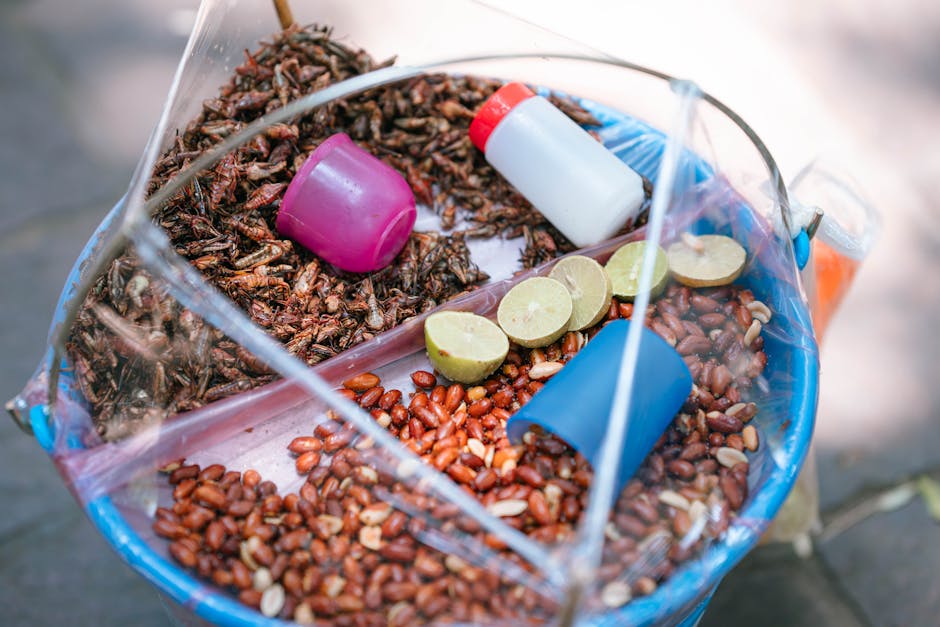
Top 10 Edible Insects Around the World

Top 10 Edible Insects Around the World

⏱️ 8 min read

In survival situations, finding adequate protein sources can mean the difference between life and death. While many people in Western cultures may find the concept unsettling, insects have been a crucial food source for human populations throughout history and remain a dietary staple in many regions worldwide. Insects are remarkably nutritious, offering high-quality protein, essential fats, vitamins, and minerals while being readily available in most environments. Understanding which insects are safe to consume and how to identify them is essential knowledge for anyone serious about wilderness survival. Here are ten of the most valuable edible insects that could sustain you in emergency situations.

The Most Reliable Edible Insects for Survival

1. Grasshoppers and Locusts: The Survival Staple

Grasshoppers and locusts rank among the most commonly consumed insects worldwide, with over 2 billion people regularly eating them. These insects are found on every continent except Antarctica and are relatively easy to catch, especially during cooler morning hours when their movement is sluggish. They contain approximately 20 grams of protein per 100 grams, along with essential amino acids, iron, and zinc. Before consumption, remove the wings, legs, and antennae, as these parts can be difficult to digest. The insects should be cooked thoroughly by roasting, boiling, or frying to eliminate any parasites. In survival situations, grasshoppers can be found in grassy areas, fields, and meadows, making them an accessible protein source.

2. Crickets: Nature's Protein Powerhouse

Crickets have gained recognition not only as survival food but also as a sustainable protein source in modern food systems. These insects provide more protein per pound than beef and contain all nine essential amino acids. They're also rich in vitamin B12, iron, and omega-3 fatty acids. In the wild, crickets can be found under rocks, logs, and in dark, moist areas. They're most active at night, when their distinctive chirping makes them easier to locate. Field crickets and house crickets are both edible and can be consumed after removing the wings and legs. Roasting crickets brings out a nutty flavor and ensures safe consumption by killing potential bacteria.

3. Mealworms: The Accessible Larvae

Mealworms are actually the larval form of the darkling beetle and represent one of the easiest insects to identify and consume safely. They contain approximately 20% protein and 13% fat, along with significant amounts of copper, sodium, potassium, and selenium. These larvae are typically found in dark, moist environments where grains or decaying wood are present, such as old barns, fallen logs, or beneath tree bark. Their mild flavor and soft texture make them more palatable to those new to entomophagy. Mealworms can be eaten raw in extreme survival situations, though cooking is always recommended to eliminate any potential pathogens.

4. Ants: The Abundant Micro-Protein

Ants are found virtually everywhere on Earth and provide a readily available food source in survival scenarios. Most ant species are edible, though some, like fire ants and bullet ants, should be avoided due to their painful bites and stings. Leafcutter ants and honeypot ants are particularly prized in regions where they're traditionally consumed. Ants contain high levels of protein and, in some species, formic acid, which gives them a citrusy, tangy flavor. The acid also has antimicrobial properties. When harvesting ants, collect them in large quantities as their small size requires eating many to obtain significant nutrition. Cooking ants by roasting neutralizes their defensive secretions and makes them safer to consume.

5. Termites: The Hidden Nutritional Treasure

Termites are considered a delicacy in many African, Asian, and South American cultures and offer exceptional nutritional value for survivors. These social insects contain approximately 38% protein and are rich in iron, calcium, and essential fatty acids. Termites can be found in dead wood, tree stumps, and their distinctive mounds. The best time to harvest them is during their swarming season, typically after rains, when winged reproductive termites emerge in large numbers. Soldier and worker termites are both edible and can be consumed raw in emergency situations, though roasting improves flavor and safety. Their slightly nutty taste becomes more pronounced when cooked.

6. Beetle Larvae: The Calorie-Dense Option

Various beetle larvae, including those of wood-boring beetles, provide substantial calories and fat content crucial for survival situations. The larvae of longhorn beetles, rhinoceros beetles, and palm weevils are particularly nutritious, containing 15-20% protein and significant fat stores. These grubs are typically found by splitting open dead or dying trees, particularly palms, or by examining rotting logs. The larvae are white to cream-colored with a segmented body and can reach several inches in length. They offer more calories per insect than most other options, making them valuable when energy conservation is critical. Cooking these larvae thoroughly is essential, as they may harbor parasites from their wood-based diet.

7. Cicadas: The Periodic Protein Source

Cicadas emerge in massive numbers during their breeding cycles, creating temporary abundance of easily harvestable protein. These insects contain about 20% protein and are low in fat, making them a lean protein source. The best time to harvest cicadas is when they first emerge from the ground and before their exoskeleton hardens, though adults are also edible. They can be found on tree trunks and branches during their active periods. Cicadas should have their wings and legs removed before consumption. When cooked, they develop a nutty, asparagus-like flavor. Their predictable emergence patterns and large numbers make them an excellent survival food when available.

8. Dragonfly Nymphs: The Aquatic Option

Dragonfly nymphs represent an important aquatic insect food source often overlooked in survival situations. These underwater larvae spend one to three years in water before emerging as adult dragonflies, making them available year-round. They're found in ponds, streams, and other freshwater environments, hiding among aquatic vegetation or under rocks. Dragonfly nymphs contain high-quality protein and can be collected using improvised nets or by hand in shallow water. Both nymphs and adult dragonflies are edible, though nymphs are meatier and easier to catch. They should be cooked thoroughly by boiling or roasting, as aquatic insects may carry waterborne parasites.

9. Earthworms: The Underground Sustenance

While not technically insects but rather annelids, earthworms deserve mention for their survival value and widespread availability. They contain approximately 60-70% protein on a dry weight basis and provide essential amino acids. Earthworms can be found by digging in moist soil, under logs, or by driving a stick into the ground and vibrating it to drive them to the surface. Before consumption, earthworms must be purged by keeping them in clean water for several hours or overnight, allowing them to expel soil and waste. They can then be cooked by boiling, which also eliminates the slime coating. Despite their appearance, properly prepared earthworms provide valuable nutrition in survival scenarios.

10. Stink Bugs: The Controversial Calorie Source

While their name and reputation might suggest otherwise, many stink bug species are edible and consumed in various cultures, particularly in Africa and Asia. These shield-shaped insects contain protein, fat, and certain species provide substantial calories. The key to consuming stink bugs safely is proper preparation: they must be soaked in water to remove their defensive secretions, which contain the compounds responsible for their odor. After soaking, they should be thoroughly cooked. Some species develop an apple-like flavor when properly prepared. However, caution is essential, as correct species identification is critical, and they should only be consumed when other food sources are unavailable.

Safety Considerations and Preparation Methods

When consuming insects in survival situations, several crucial safety rules apply. Always avoid brightly colored insects, as vivid coloration often indicates toxicity. Insects that feed on dead animals or feces should be avoided due to disease risk. Hairy or fuzzy insects can cause allergic reactions or digestive irritation. Any insect that emits a strong, unpleasant odor beyond the stink bug's defensive spray should not be eaten. Cooking is always preferable to eating insects raw, as heat kills parasites, bacteria, and neutralizes some toxins. Roasting over fire, boiling in water, or frying are all effective cooking methods that also improve flavor and digestibility.

Conclusion

Knowledge of edible insects provides a critical advantage in wilderness survival situations. These ten insects represent reliable, nutritious, and generally abundant protein sources found across diverse environments worldwide. While cultural conditioning may create psychological barriers to entomophagy, understanding that billions of people regularly consume insects and that they offer superior nutrition can help overcome these reservations. In genuine survival scenarios, insects can provide the protein, fats, and calories necessary to maintain strength and mental clarity until rescue or until reaching safety. Familiarizing yourself with these edible species, their habitats, and proper preparation methods constitutes essential survival knowledge that could prove lifesaving when conventional food sources are unavailable.