





1 / 10 Questions
0 Points

What is a common factor in many mysterious deaths in national parks?

Alien abductions

Visitors ignoring safety warnings

Supernatural events

Park ranger negligence

Points won
0
Correct score
0%

More Quizzes

More Articles

How Nature Recovers After Destruction

How Nature Recovers After Destruction

⏱️ 5 min read

The resilience of natural ecosystems represents one of the most remarkable phenomena in the biological world. From volcanic eruptions that obliterate entire landscapes to wildfires that reduce forests to ash, nature possesses an extraordinary capacity to regenerate, rebuild, and restore balance. Understanding the mechanisms behind ecological recovery not only reveals the sophisticated processes that govern our planet's living systems but also provides crucial insights for conservation efforts and environmental restoration projects.

The Science of Ecological Succession

Ecological succession describes the process by which ecosystems change and develop over time following disturbance. This natural progression occurs in predictable patterns, though the timeline and specific outcomes vary based on the severity of destruction, climate conditions, and available species in surrounding areas.

Primary succession begins in lifeless areas where soil has been completely destroyed or never existed, such as newly formed volcanic islands or land exposed by retreating glaciers. Pioneer species, typically lichens and mosses, colonize the barren landscape first. These hardy organisms can survive in harsh conditions with minimal nutrients, and their biological activity gradually breaks down rock into primitive soil.

Secondary succession occurs in areas where soil remains intact despite disturbance, such as abandoned agricultural land or forests recovering from fire. This process progresses more rapidly than primary succession because the foundation for life already exists, including dormant seeds, root systems, and soil microorganisms that survived the disturbance.

The Role of Pioneer Species

Pioneer species serve as nature's first responders, arriving quickly after destruction to stabilize disturbed environments. These organisms possess specific adaptations that enable them to thrive where others cannot survive. Fast-growing plants with wind-dispersed seeds often dominate early recovery stages, rapidly covering bare soil to prevent erosion and begin nutrient cycling.

Nitrogen-fixing plants play a particularly vital role in ecosystem recovery. Species such as alders and lupines form symbiotic relationships with bacteria that convert atmospheric nitrogen into forms usable by plants, effectively fertilizing depleted soils. This biological enrichment creates conditions that allow more diverse plant communities to establish themselves.

Animal Pioneers and Ecosystem Engineering

Animals also contribute significantly to recovery processes. Insects arrive quickly to pollinate pioneer plants and decompose organic matter. Birds and small mammals disperse seeds from surrounding healthy ecosystems, accelerating plant diversity. Burrowing animals mix soil layers, improving aeration and water infiltration while creating microhabitats for other organisms.

Forest Recovery After Catastrophic Events

Forest ecosystems demonstrate remarkable resilience following major disturbances. After wildfires, many tree species have evolved specific adaptations for rapid recovery. Some pine species produce serotinous cones that remain closed until fire's heat triggers them to open and release seeds onto newly cleared, nutrient-rich ground. Other species, like aspens and eucalyptus, regenerate from root systems that survive underground, sending up new shoots within weeks of fire passing.

The timeline for forest recovery varies considerably. Grasslands and shrublands may return within several years, while old-growth forest characteristics can require centuries to fully redevelop. However, even young recovering forests provide essential ecosystem services, including carbon sequestration, water filtration, and wildlife habitat.

Aquatic Ecosystem Restoration

Marine and freshwater ecosystems also demonstrate impressive recovery capabilities, though aquatic restoration follows different patterns than terrestrial succession. After events like oil spills or chemical contamination, microorganisms often lead recovery efforts. Bacteria that can metabolize pollutants multiply rapidly, breaking down toxic compounds into less harmful substances.

Coral reefs, among the most vulnerable yet resilient ecosystems, can recover from bleaching events if conditions improve quickly enough. Surviving coral fragments slowly expand, and larvae from distant reefs colonize damaged areas. However, recovery requires decades and depends on water quality, temperature stability, and the absence of additional stressors.

Factors Influencing Recovery Speed and Success

Multiple variables determine how quickly and completely ecosystems recover from destruction:

  • Severity and extent of disturbance affect recovery timeframes, with complete soil removal requiring much longer restoration periods than surface-level damage
  • Climate conditions during recovery phases significantly impact success rates, with adequate rainfall and moderate temperatures facilitating faster regeneration
  • Proximity to intact ecosystems provides crucial seed sources and colonizing species
  • Soil quality and the survival of seed banks determine which species can establish themselves
  • Human intervention, whether through active restoration or protection from additional disturbances, can dramatically accelerate recovery

The Importance of Mycorrhizal Networks

Underground fungal networks play an underappreciated but essential role in ecosystem recovery. Mycorrhizal fungi form symbiotic relationships with plant roots, extending their reach for water and nutrients while receiving carbohydrates from plants. These networks often survive disturbances that destroy above-ground vegetation, providing crucial infrastructure that supports new plant establishment.

Research has revealed that these fungal networks facilitate communication and resource sharing between plants, helping newly established seedlings access nutrients and increasing their survival rates. Protecting these underground communities during and after disturbances significantly enhances recovery outcomes.

Climate Change and Recovery Challenges

Contemporary environmental challenges increasingly complicate natural recovery processes. Rising temperatures, altered precipitation patterns, and increased disturbance frequency can push ecosystems beyond their adaptive capacity. Some areas may transition to entirely different ecosystem types rather than returning to their previous state, a phenomenon known as regime shift.

Understanding these dynamics becomes increasingly critical as humanity works to protect and restore damaged ecosystems. While nature possesses remarkable regenerative powers, creating conditions that facilitate rather than hinder recovery remains essential for maintaining the planet's ecological integrity and the services these systems provide to all life on Earth.
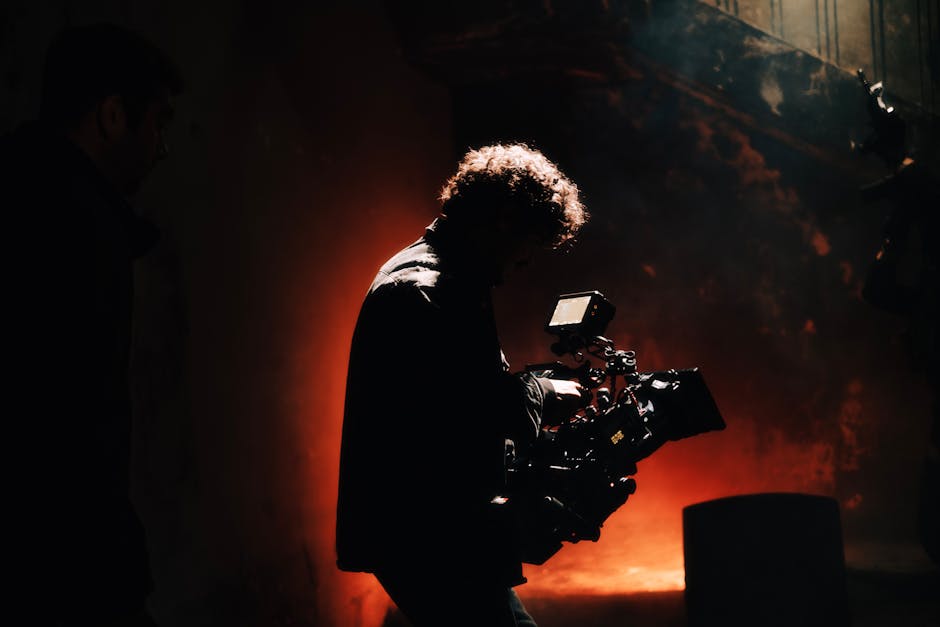
Top 10 Movies Filmed in Complete Darkness

Top 10 Movies Filmed in Complete Darkness

⏱️ 6 min read

Cinematography has always pushed the boundaries of visual storytelling, but some filmmakers have taken the bold step of removing light almost entirely from their narrative toolkit. These films challenge audiences to experience cinema in ways that prioritize sound, minimal lighting, and atmosphere over traditional visual clarity. The use of near-complete darkness creates tension, realism, and immersive experiences that leave lasting impressions on viewers. Here are ten remarkable films that embraced darkness as a central element of their visual language.

Films That Embraced the Shadows

1. The Descent (2005) - Cave Horror in Near-Total Blackness

Neil Marshall's claustrophobic horror masterpiece placed its characters in an unmapped cave system where natural light disappears entirely. The film's most terrifying sequences occur in complete darkness, with only flares, helmet lights, and infrared night-vision providing glimpses of the horror surrounding the characters. The production team filmed in actual cave sets with minimal lighting, forcing both actors and audience to experience genuine disorientation. This approach transformed darkness into a character itself, representing the unknown terrors lurking just beyond human perception.

2. Buried (2010) - 95 Minutes in a Coffin

Rodrigo Cortés' psychological thriller confined Ryan Reynolds to a buried coffin for the entire runtime, creating one of cinema's most claustrophobic experiences. The film utilized only a lighter, cell phone screen, and occasional chemical light sticks to illuminate scenes. When these light sources extinguished, audiences shared the protagonist's complete darkness and panic. The production required extensive planning to film in an actual box measuring just seven feet long, with cinematographer Eduard Grau developing special lighting techniques to maintain visual storytelling while honoring the premise's darkness.

3. The Blair Witch Project (1999) - Found Footage in the Woods at Night

This groundbreaking found-footage film featured extended sequences where the handheld cameras captured nothing but darkness and the sounds of unseen threats. The nighttime forest scenes relied entirely on the characters' small camera lights, which often malfunctioned or pointed in wrong directions, leaving audiences staring at black screens while terror built through audio alone. The filmmakers' decision to embrace authentic darkness rather than Hollywood's traditional "day-for-night" shooting created unprecedented realism and influenced horror filmmaking for decades.

4. Zero Dark Thirty (2012) - The Bin Laden Raid Sequence

Kathryn Bigelow's recreation of the raid on Osama bin Laden's compound featured nearly thirty minutes of action filmed with night-vision aesthetics and minimal practical lighting. Cinematographer Greig Fraser worked with military advisors to replicate the actual lighting conditions Navy SEALs experienced during the nighttime operation. The production used infrared cameras and specialized lenses that could capture images in near-darkness, resulting in a visceral, documentary-style sequence that prioritized authenticity over visual clarity. This technical achievement earned widespread acclaim for its innovative approach to filming action in darkness.

5. Monsters (2010) - Low-Light Alien Encounters

Gareth Edwards' independent science fiction film utilized available darkness and natural low-light conditions throughout its production. With a minimal crew and budget, Edwards filmed nighttime sequences without traditional lighting equipment, using only practical sources like campfires, flashlights, and moonlight. The alien creatures remained mostly obscured by darkness, appearing in brief, shadowy glimpses that heightened their otherworldly menace. This necessity-driven approach to filming in darkness created an atmospheric tension that studio productions with elaborate lighting rarely achieve.

6. [REC] (2007) - Spanish Horror in the Dark

This Spanish found-footage horror film featured its most memorable sequences in the pitch-black attic of an apartment building, where the camera's night-vision mode became the only source of visual information. Directors Jaume Balagueró and Paco Plaza insisted on practical darkness, refusing to add artificial lighting that would break the found-footage conceit. The night-vision sequences, shot with actors performing in nearly complete darkness while wearing infrared-sensitive makeup, created genuinely terrifying moments that relied on limited visibility and sudden revelations.

7. The Revenant (2015) - Natural Light Filmmaking

While not filmed in complete darkness, Alejandro González Iñárritu and cinematographer Emmanuel Lubezki's commitment to using only natural light meant that dusk and nighttime scenes embraced genuine darkness rather than artificial illumination. Campfire scenes used only firelight, and twilight sequences captured the actual fading light of day. This approach required precise scheduling and waiting for specific lighting conditions, but resulted in authentic darkness that enhanced the film's brutal realism. The production's refusal to compromise with artificial lighting set new standards for naturalistic cinematography.

8. Don't Breathe (2016) - Darkness as Tactical Advantage

Fede Álvarez's thriller featured extended sequences where a blind antagonist turned off all lights, creating complete darkness where he held the advantage over sighted intruders. The production designed elaborate lighting schemes that could plunge sets into total blackness while still allowing cameras to capture the action using specialized low-light equipment. These sequences reversed traditional horror conventions, making darkness a weapon rather than just an atmosphere. The film's innovative use of darkness as a tactical element created unique suspense mechanics.

9. The Shallows (2016) - Nightfall Survival Sequences

While primarily a daytime survival thriller, Blake Lively's shark attack film featured crucial nighttime sequences where darkness obscured the ocean's threats. Director Jaume Collet-Serra chose to honor natural darkness rather than overlighting the nighttime water scenes, using only moonlight and a solar-powered light source as practical illumination. The production filmed during actual twilight hours to capture authentic darkness falling over the ocean, creating genuine uncertainty about what lurked beneath the dark water's surface.

10. A Quiet Place (2018) - Silent Darkness and Minimal Lighting

John Krasinski's horror film combined extended silent sequences with nighttime scenes filmed using minimal lighting sources. The production embraced darkness to obscure the alien creatures and heighten tension, using only lanterns, firelight, and moonlight for illumination. Cinematographer Charlotte Bruus Christensen developed techniques to shoot in extremely low light while maintaining visual storytelling, allowing darkness to serve both practical and atmospheric purposes. The film's commitment to authentic darkness complemented its revolutionary use of silence, creating a multisensory experience that challenged conventional filmmaking.

The Impact of Darkness in Cinema

These ten films demonstrate that darkness serves purposes beyond simple horror atmospherics or budget limitations. When wielded intentionally, darkness becomes a powerful storytelling tool that engages audiences differently than traditional cinematography. It forces viewers to lean forward, listen carefully, and fill gaps with imagination. The technical challenges of filming in minimal light have driven innovations in camera technology, lighting techniques, and sound design that continue influencing filmmaking across all genres. As technology advances, filmmakers gain more tools to capture images in darkness while maintaining artistic control, ensuring this bold approach to visual storytelling will continue evolving and challenging audiences for years to come.