







1 / 10 Questions
0 Points

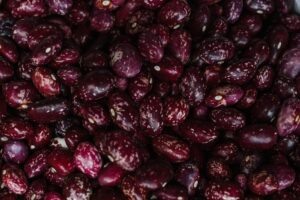
What part of the Castor Bean plant contains the deadly toxin ricin?

Seeds

Leaves

Flowers

Roots

Points won
0
Correct score
0%

More Quizzes

More Articles

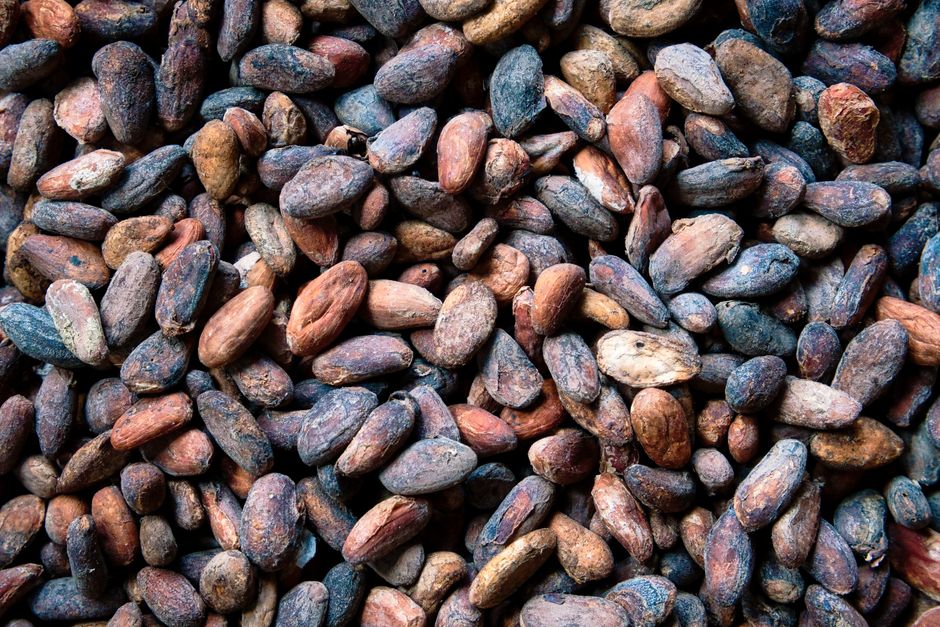
Did You Know? The Aztecs Used Cacao Beans as Money?

Did You Know? The Aztecs Used Cacao Beans as Money?

⏱️ 5 min read

Long before paper bills and metal coins became the standard, ancient civilizations developed ingenious systems of currency based on the resources available to them. Among the most fascinating examples of commodity money comes from Mesoamerica, where the Aztec Empire utilized cacao beans—the same ingredient used to make chocolate—as a legitimate form of currency. This remarkable economic system reveals not only the sophistication of Aztec society but also the profound cultural significance of cacao in the ancient world.

The Economic Foundation of Aztec Society

The Aztec Empire, which flourished in central Mexico from the 14th to the 16th centuries, developed a complex economic system that facilitated trade across vast territories. Unlike modern economies that rely on fiat currency backed by government decree, the Aztecs implemented a commodity-based monetary system where the currency itself held intrinsic value. Cacao beans emerged as one of the primary mediums of exchange, alongside other items such as cotton cloaks, copper axes, and small bells.

The use of cacao beans as money was not arbitrary. These beans possessed several characteristics that made them ideal for currency: they were relatively scarce, highly valued across different social classes, portable, and could be counted easily. Additionally, cacao trees could only grow in specific tropical regions, which meant the supply was naturally limited and controlled, preventing excessive inflation that might devalue the currency.

The Value System and Exchange Rates

Historical records from Spanish conquistadors and indigenous codices provide remarkable insight into the purchasing power of cacao beans in Aztec society. According to colonial-era documents, a single cacao bean could purchase a tamale, while thirty beans might buy a small rabbit. A turkey cost approximately one hundred cacao beans, and a slave could be purchased for as many as one hundred beans, though prices varied depending on the individual's skills and attributes.

The Aztecs maintained sophisticated exchange rates between different forms of currency. For example:

  • One small cotton cloak equaled approximately 65 to 100 cacao beans
  • A canoe filled with fresh water for drinking cost one cacao bean
  • An avocado cost three cacao beans
  • A large tomato could be purchased for a single bean

These standardized values demonstrate the advanced economic thinking present in Aztec civilization and their ability to maintain relative price stability across their empire.

Counterfeiting and Quality Control

As with any valuable currency, the use of cacao beans as money attracted counterfeiters. Enterprising criminals would remove the valuable interior of cacao beans and refill the shells with dirt or avocado skin, creating counterfeit currency that appeared genuine at first glance. This early form of monetary fraud forced merchants and traders to develop inspection techniques to verify the authenticity of cacao beans before accepting them as payment.

The existence of counterfeiting also led to a quality grading system for cacao beans. Premium beans from certain regions commanded higher values, while lower-quality beans were worth less. This differentiation added another layer of complexity to the monetary system and reflected the Aztecs' understanding of quality variations in natural commodities.

Beyond Currency: The Cultural Significance of Cacao

While cacao beans served practical monetary functions, they held far deeper cultural and spiritual significance in Aztec society. The Aztecs believed that cacao was a gift from Quetzalcoatl, the feathered serpent god, who brought the cacao tree to humanity from paradise. This divine association elevated cacao beyond mere commerce into the realm of sacred ritual and social prestige.

Wealthy nobles and members of the elite consumed chocolate beverages during ceremonies and celebrations. The drink, prepared very differently from modern hot chocolate, was often bitter, frothy, and sometimes mixed with spices, vanilla, or chili peppers. Cacao consumption became a status symbol, as common people typically could not afford to drink their money—they needed it for essential purchases.

Taxation and Tribute Systems

The Aztec Empire's expansion created a vast tribute system where conquered territories were required to pay taxes to the capital city of Tenochtitlan. Cacao beans featured prominently in these tribute payments. Some regions paid their annual tribute entirely in cacao beans, with certain provinces required to deliver hundreds of thousands of beans each year.

This tribute system helped maintain the money supply throughout the empire while ensuring that cacao beans flowed from the tropical regions where they grew to the highland areas where they became currency. The Aztec administration maintained detailed records of tribute obligations, demonstrating sophisticated governmental accounting practices that rivaled contemporary European systems.

The Legacy of Cacao Currency

The Spanish conquest of the Aztec Empire in the early 16th century eventually led to the decline of cacao as currency. The conquistadors introduced European monetary systems based on gold and silver coins. However, cacao beans continued to be used as small change in some Mexican regions for decades after the conquest, gradually fading from use as colonial economic structures took hold.

The historical use of cacao beans as money demonstrates the innovative economic thinking of pre-Columbian civilizations and challenges assumptions about the sophistication of ancient American societies. This system functioned effectively for centuries, facilitating trade, enabling taxation, and supporting a complex economy that sustained millions of people across Mesoamerica.

Today, cacao remains economically important in many regions where it once served as currency, though now valued for chocolate production rather than monetary exchange. The story of Aztec cacao currency reminds us that money takes many forms throughout history, and that value is ultimately determined by cultural agreement and practical utility rather than any inherent property of the currency itself.

10 Fascinating Facts About Coffee

10 Fascinating Facts About Coffee

⏱️ 7 min read

Coffee is more than just a morning ritual—it's a global phenomenon with a rich history spanning centuries. From its mysterious origins in ancient Ethiopia to its status as one of the most traded commodities in the world, coffee has shaped cultures, economies, and daily routines across every continent. This beloved beverage holds numerous surprises that even the most dedicated coffee enthusiasts may not know. Let's explore some of the most intriguing aspects of coffee that reveal why this aromatic drink has captivated humanity for generations.

The Ancient Discovery in Ethiopia

The legend of coffee's discovery dates back to the 9th century in the Ethiopian highlands, where a goat herder named Kaldi noticed his goats became unusually energetic after eating berries from a particular tree. Intrigued by this observation, Kaldi shared his discovery with local monks, who experimented with the berries and found that they helped them stay awake during long hours of prayer. This serendipitous discovery in the ancient Kingdom of Kaffa—from which coffee may derive its name—marked the beginning of coffee's journey from a wild plant to a cultivated crop that would eventually spread across the globe.

Coffee as the World's Second Most Traded Commodity

Coffee ranks as the second most traded commodity globally, surpassed only by crude oil. This staggering fact highlights coffee's immense economic importance, with millions of people worldwide depending on its production, processing, and distribution for their livelihoods. The global coffee industry generates hundreds of billions of dollars annually, involving complex supply chains that connect farmers in tropical regions to consumers in virtually every country. Brazil alone produces about one-third of the world's coffee, followed by Vietnam, Colombia, and Indonesia, demonstrating how this single agricultural product has become integral to international trade and economic development.

The Surprising Number of Coffee Species

While most coffee drinkers are familiar with Arabica and Robusta varieties, scientists have actually identified over 120 species of coffee plants. However, only two species dominate commercial production: Coffea arabica, which accounts for approximately 60-70% of global coffee production and is prized for its smooth, complex flavor profile, and Coffea canephora, commonly known as Robusta, which contains nearly twice the caffeine content and offers a stronger, more bitter taste. The remaining species grow wild in Africa and other regions, with some being studied for their unique characteristics and potential to develop climate-resistant coffee varieties for the future.

Coffee's Journey Through the Ottoman Empire

Coffee made its way from Ethiopia to Yemen in the 15th century, where Sufi monks cultivated it to help them stay alert during nighttime devotions. From there, it spread throughout the Ottoman Empire, where the world's first coffee houses, called qahveh khaneh, opened in cities like Mecca and Constantinople. These establishments became vital centers of social activity, where people gathered to drink coffee, engage in conversation, listen to music, play chess, and discuss news. The Ottoman coffee culture was so influential that it shaped coffee-drinking traditions throughout Europe and the Middle East, establishing coffee houses as important venues for intellectual exchange and social interaction.

The Astronomical Caffeine Consumption Worldwide

Humanity's appetite for coffee is truly remarkable, with over 2.25 billion cups consumed globally every single day. This translates to approximately 25 million cups every hour, or more than 400,000 cups per minute. To meet this enormous demand, coffee farmers harvest more than 10 million tons of coffee beans annually. The average coffee drinker consumes three cups per day, though this varies significantly by country. Finland leads the world in per capita consumption, with Finns drinking an average of four cups daily, followed closely by other Nordic countries where coffee drinking is deeply embedded in cultural traditions.

The Unexpected Health Benefits of Coffee

Modern scientific research has revealed that coffee offers numerous health benefits when consumed in moderation. Studies have shown that regular coffee consumption is associated with a reduced risk of several serious conditions, including type 2 diabetes, Parkinson's disease, liver disease, and certain types of cancer. Coffee is loaded with antioxidants and beneficial nutrients, including B vitamins, potassium, and manganese. Research suggests that coffee drinkers may have a lower risk of depression and may even live longer than non-coffee drinkers. However, these benefits are most pronounced when coffee is consumed black or with minimal additives, and moderation remains key—typically three to four cups per day for most adults.

The Most Expensive Coffee Comes From Animal Digestion

Kopi Luwak, the world's most expensive coffee, is produced through an unusual process involving the Asian palm civet, a small mammal that eats coffee cherries. The beans pass through the animal's digestive system, where enzymes break down proteins that typically cause bitterness in coffee. After being excreted, the beans are collected, thoroughly cleaned, and processed. This bizarre production method results in a smooth, less acidic coffee that can sell for several hundred dollars per pound. Similar processes using elephants and birds have also been developed, though these specialty coffees remain controversial due to animal welfare concerns and questions about whether the high price truly reflects superior taste or simply reflects the novelty of the production method.

Coffee Beans Aren't Actually Beans

Despite being universally called coffee beans, these seeds are not beans at all—they're actually the pits of coffee cherries, which are fruits that grow on coffee plants. Each coffee cherry typically contains two seeds facing each other, which we call beans. The coffee plant is an evergreen shrub or small tree that produces fragrant white flowers before developing the bright red or purple fruits. When a cherry contains only one seed instead of two, it's called a peaberry, and these single beans are often considered to produce a more flavorful cup of coffee. This botanical reality reminds us that coffee is, in fact, a fruit product, and the processing methods used to extract and prepare these seeds dramatically influence the final flavor profile.

The Longest Time Coffee Stays Fresh

Coffee's freshness is far more fleeting than most people realize. Whole coffee beans begin losing their optimal flavor within weeks of roasting, while ground coffee starts deteriorating within minutes of grinding due to increased exposure to oxygen. For the best taste, coffee experts recommend using beans within two to three weeks of the roasting date and grinding them immediately before brewing. Once brewed, coffee reaches its peak flavor within thirty minutes and becomes increasingly bitter and stale as it sits. This is why coffee aficionados invest in quality grinders and proper storage containers, keeping beans in airtight containers away from light, heat, and moisture. Frozen or refrigerated storage is generally discouraged, as temperature fluctuations can cause condensation that damages the beans' cellular structure and introduces unwanted flavors.

Coffee's Role in Revolutionary History

Coffee has played a surprising role in major historical events and revolutions. Coffee houses in 17th and 18th century Europe became hotbeds of political discourse and revolutionary ideas, earning them the nickname "penny universities" because, for the price of a cup of coffee, people could engage in stimulating intellectual conversations. The Boston Tea Party of 1773 helped transform America into a coffee-drinking nation, as consuming tea became seen as unpatriotic following the rebellion against British taxation. Lloyd's of London, now one of the world's largest insurance markets, began as a coffee house where merchants and maritime insurance brokers met to conduct business. These establishments facilitated the exchange of information, the development of new ideas, and the formation of business partnerships that shaped modern commerce and political thought.

Conclusion

Coffee's journey from ancient Ethiopian highlands to modern-day cafés represents one of the most remarkable stories in culinary and cultural history. These ten fascinating facts reveal that coffee is far more than a simple beverage—it's a complex agricultural product with profound economic significance, a catalyst for social interaction and intellectual exchange, and a drink with surprising health implications. Whether you're a casual coffee drinker or a devoted enthusiast, understanding these aspects of coffee enriches the experience of every cup. The next time you enjoy your morning brew, you'll appreciate the centuries of history, the global economic networks, and the botanical intricacies that make that aromatic cup possible. Coffee continues to evolve, with new brewing methods, sustainability initiatives, and flavor profiles constantly emerging, ensuring that this ancient beverage remains as relevant and fascinating today as it was when Kaldi's goats first discovered those energizing berries centuries ago.