










1 / 10 Questions
0 Points
Points won
0
Correct score
0%

More Quizzes

More Articles

Natural Forces That Shape the Planet

Natural Forces That Shape the Planet

⏱️ 5 min read

The Earth's surface and interior are constantly changing, sculpted by powerful natural forces that have been at work for billions of years. These dynamic processes create mountains, carve valleys, shift continents, and reshape coastlines. Understanding these forces provides insight into how our planet has evolved and continues to transform, affecting everything from climate patterns to the distribution of natural resources and the very ground beneath our feet.

Tectonic Activity and Continental Drift

The Earth's lithosphere is divided into massive tectonic plates that float atop the semi-molten asthenosphere beneath them. These plates are in constant motion, moving at rates of a few centimeters per year—roughly the same speed at which fingernails grow. This movement, driven by convection currents in the mantle, is responsible for some of the most dramatic geological features on Earth.

When plates collide, they can create towering mountain ranges like the Himalayas, which continue to rise as the Indian Plate pushes into the Eurasian Plate. Conversely, when plates pull apart at divergent boundaries, they form rift valleys and allow magma to rise, creating new oceanic crust along mid-ocean ridges. The Mid-Atlantic Ridge, stretching down the center of the Atlantic Ocean, is one of the most significant examples of this process.

Subduction zones, where one plate slides beneath another, are particularly powerful shapers of the planet's surface. These zones are responsible for deep ocean trenches, volcanic arcs, and some of the most powerful earthquakes ever recorded. The Pacific Ring of Fire, encircling the Pacific Ocean, is the most active tectonic region on Earth, containing approximately 75% of the world's active volcanoes.

Volcanic Forces and Igneous Processes

Volcanic activity represents one of the most visible and dramatic ways that internal Earth processes shape the surface. Volcanoes form when magma from the Earth's mantle reaches the surface, bringing with it tremendous heat and pressure. Over geological time, volcanic eruptions have created entire island chains, such as Hawaii, and built massive stratovolcanoes like Mount Fuji and Mount Rainier.

Beyond creating new landforms, volcanic activity plays a crucial role in nutrient cycling and atmospheric composition. Volcanic eruptions release gases and minerals that enrich soils, making volcanic regions some of the most fertile agricultural areas on Earth. Historical eruptions have also temporarily affected global climate by injecting ash and sulfur dioxide into the stratosphere, reflecting sunlight and causing short-term cooling.

Weathering and Erosion: The Great Levelers

While tectonic and volcanic forces build up the Earth's surface, weathering and erosion work continuously to wear it down. These processes operate on vastly different timescales than plate tectonics but are equally important in shaping the planet's landscape.

Physical Weathering

Physical weathering breaks down rocks without changing their chemical composition. Freeze-thaw cycles, where water seeps into cracks, freezes, and expands, can split solid rock over time. Temperature fluctuations cause rocks to expand and contract, creating stress that eventually leads to fracturing. Even plant roots can exert enough force to break apart stone, slowly but inexorably fragmenting solid bedrock into smaller pieces.

Chemical Weathering

Chemical weathering involves the transformation of rock through chemical reactions, particularly with water, oxygen, and acids. Carbonic acid, formed when carbon dioxide dissolves in rainwater, slowly dissolves limestone and creates spectacular karst landscapes featuring caves, sinkholes, and underground rivers. This process has created some of Earth's most remarkable natural features, including Mammoth Cave in Kentucky and the stunning formations in China's Stone Forest.

Water as a Sculpting Force

Water is perhaps the most persistent and effective agent of erosion on Earth. Rivers carve valleys and canyons, transport sediment across continents, and deposit materials that create fertile floodplains and deltas. The Grand Canyon stands as a testament to the power of flowing water, carved over millions of years by the Colorado River cutting through layers of rock.

Glaciers, massive rivers of ice, have carved some of the most dramatic landscapes on Earth. During ice ages, continental ice sheets kilometers thick covered large portions of North America and Europe, scouring the landscape and creating features that persist today. Glacial erosion carved out the Great Lakes, created the fjords of Norway and New Zealand, and formed the distinctive U-shaped valleys found in mountain ranges worldwide.

Coastal erosion demonstrates water's power in a different context, as waves continuously pound shorelines, wearing away cliffs and redistributing sediments. This process creates beaches, sea stacks, and dramatic coastal formations while constantly reshaping the boundary between land and sea.

Wind and Atmospheric Forces

Though often overlooked compared to water and ice, wind plays a significant role in shaping Earth's surface, particularly in arid regions. Wind erosion creates distinctive landforms such as sand dunes, which can migrate across deserts and reach heights of hundreds of meters. Deflation hollows, where wind removes fine particles and leaves behind heavier materials, create depressions that can extend for kilometers.

Wind also transports vast quantities of sediment across continents and oceans. Dust storms can carry material from the Sahara Desert across the Atlantic Ocean to South America, depositing nutrients that fertilize the Amazon rainforest. This connection demonstrates how natural forces operate on a global scale, linking distant ecosystems.

The Interconnected Nature of Geological Forces

These natural forces do not operate in isolation but work together in complex, interconnected ways. Tectonic uplift creates mountains that influence precipitation patterns, which in turn affects erosion rates. Volcanic eruptions can temporarily alter climate, affecting weathering processes globally. Understanding these connections is crucial for comprehending how the Earth functions as an integrated system, constantly reshaping itself through the interplay of constructive and destructive forces that have operated since the planet's formation.
Top 10 Most Colorful Natural Phenomena

Top 10 Most Colorful Natural Phenomena

⏱️ 7 min read

Nature's palette extends far beyond the ordinary greens of forests and blues of oceans. Around the world, extraordinary natural phenomena paint the skies, waters, and landscapes with breathtaking displays of color that seem almost too vivid to be real. These stunning spectacles result from unique combinations of atmospheric conditions, geological formations, biological processes, and the interplay of light with various elements. From dancing lights in polar skies to rainbow-colored mountains, these natural wonders remind us of the incredible beauty and complexity of our planet.

The World's Most Spectacular Color Displays in Nature

1. Aurora Borealis and Aurora Australis

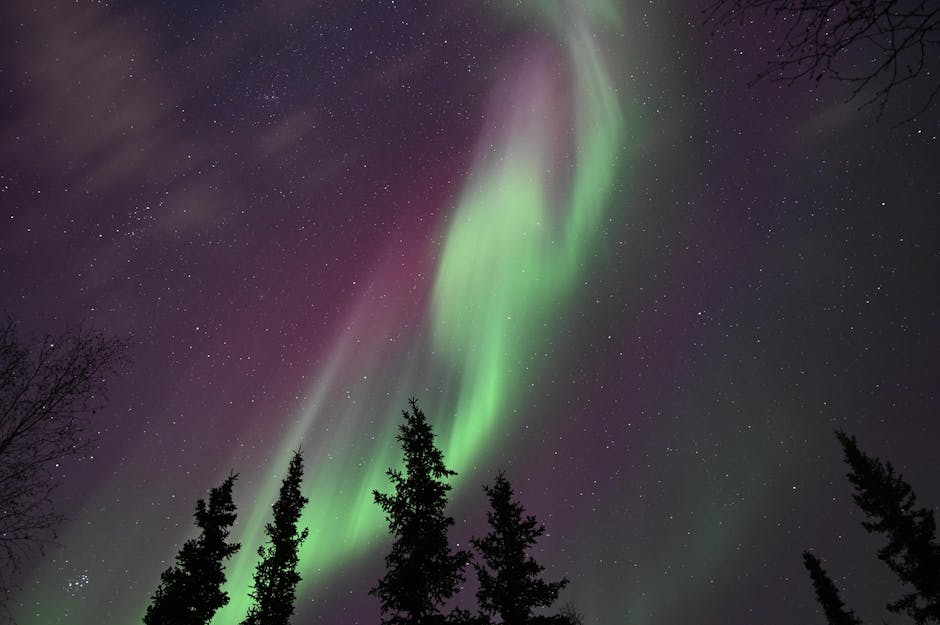
The Northern and Southern Lights represent one of nature's most mesmerizing color shows. These ethereal displays occur when charged particles from the sun collide with gases in Earth's atmosphere, creating waves of green, pink, purple, blue, and red light that dance across the night sky. The most common color is a luminous green, produced when solar particles strike oxygen molecules at lower altitudes. Rarer red auroras occur at higher altitudes, while nitrogen produces blue and purple hues. These celestial performances are best viewed near the magnetic poles, with locations like Iceland, Norway, Alaska, and Antarctica offering prime viewing opportunities.

2. Rainbow Mountains of Zhangye Danxia

Located in China's Gansu Province, the Zhangye Danxia landforms appear as though an artist painted the mountainsides with broad strokes of red, orange, yellow, green, and blue. This geological masterpiece formed over 24 million years as layers of different colored sandstone and minerals were deposited and then compressed. Oxidation of iron and trace minerals created the vibrant reds and yellows, while other minerals contributed greens and blues. Tectonic plate movement tilted these layers into dramatic angles, and erosion carved them into towering peaks and valleys, creating one of the most colorful landscapes on Earth.

3. Bioluminescent Bays and Beaches

Certain coastal waters around the world glow with an otherworldly blue light when disturbed, creating magical displays especially visible at night. This phenomenon results from bioluminescent dinoflagellates—microscopic organisms that emit light when agitated by movement. Places like Mosquito Bay in Puerto Rico, Vaadhoo Island in the Maldives, and various beaches in California host these glowing waters. The blue-green luminescence appears like underwater stars or electric currents, turning simple movements through water into trails of living light. Each wave that crashes produces a cascade of blue sparkles, while footsteps in wet sand leave glowing impressions.

4. Grand Prismatic Spring

Yellowstone National Park's Grand Prismatic Spring is the largest hot spring in the United States and one of the most photographed natural features on Earth due to its extraordinary rainbow coloring. The spring displays concentric rings of color radiating from a deep blue center through greens, yellows, oranges, and reds toward its edges. These colors result from heat-loving bacteria and microorganisms called thermophiles that thrive at different temperatures throughout the spring. The center remains blue due to its extreme heat, where no bacteria survive, allowing the water's natural color to show through. As temperatures decrease toward the edges, different bacterial communities create the spectacular color gradient.

5. Circumhorizontal Arc or Fire Rainbow

Despite its common name, this optical phenomenon is neither a rainbow nor related to fire. A circumhorizontal arc occurs when sunlight passes through ice crystals in high-altitude cirrus clouds at a specific angle, creating what appears as a rainbow painted across the sky. The display shows all spectral colors—red, orange, yellow, green, blue, and violet—in horizontal bands that can stretch across large portions of the sky. This rare event requires the sun to be at least 58 degrees above the horizon and properly oriented hexagonal ice crystals in the clouds. When conditions align perfectly, the result resembles brilliant flames of color stretched across the heavens.

6. Caño Cristales: The River of Five Colors

Located in Colombia, Caño Cristales has earned its title as "the most beautiful river in the world" and "the river that ran away from paradise." For a brief period between September and November, this river transforms into a flowing rainbow displaying red, pink, blue, yellow, orange, and green hues simultaneously. The spectacular colors come from a unique aquatic plant called Macarenia clavigera that covers the riverbed, turning brilliant red and pink. Combined with yellow sand, green algae, blue water, and black rocks, the river becomes a flowing kaleidoscope. The phenomenon only occurs when water levels are just right—too high and the colors are hidden, too low and the plants cannot thrive.

7. Volcanic Lightning or Dirty Thunderstorms

During explosive volcanic eruptions, brilliant purple, blue, and white lightning bolts can crackle through the ash plume, creating a spectacular and terrifying display. This phenomenon, known as volcanic lightning or dirty thunderstorms, occurs when rock fragments, ash, and ice particles in the volcanic plume collide and generate static electricity. The contrast between the bright electric discharges and the dark ash cloud, often illuminated by red and orange glows from molten lava, creates an apocalyptic yet beautiful scene. Famous examples include eruptions of Mount Sakurajima in Japan, Iceland's Eyjafjallajökull, and Chile's Calbuco volcano.

8. Morning Glory Clouds

These rare meteorological phenomena appear as long, rolling tubes of cloud that can stretch for hundreds of miles across the sky, often accompanied by circular wave patterns and multiple bands of white and gray. Morning Glory clouds are most reliably observed in northern Australia's Gulf of Carpentaria, particularly near Burketown. The clouds themselves show dramatic contrasts between their white, illuminated tops and darker undersides, while the sky around them may display various colors during sunrise or sunset. These formations can move at speeds up to 60 kilometers per hour and may appear as single clouds or in successive waves, creating mesmerizing patterns against colorful dawn skies.

9. Horsetail Fall's Firefall Effect

For approximately two weeks each February, if conditions are perfect, Horsetail Fall in Yosemite National Park transforms into what appears to be a flowing stream of molten lava or fire. This optical illusion occurs when the setting sun hits the waterfall at precisely the right angle, illuminating it with intense orange and red light. The effect requires adequate water flow from snowmelt, clear skies, and the sun's exact position during late winter. When all conditions align, the thin waterfall glows brilliant orange against the granite cliff face, creating one of nature's most photographed moments. The phenomenon lasts only about ten minutes and occurs just once annually under ideal circumstances.

10. Halemaumau Crater's Lava Lake

Hawaii's Kilauea volcano hosts one of the few persistent lava lakes on Earth, offering a window into our planet's fiery interior. The Halemaumau Crater displays an ever-changing palette of reds, oranges, and yellows as molten rock circulates within the lake. Fresh lava glows bright orange and yellow at temperatures exceeding 1,000 degrees Celsius, while cooling surfaces darken to deep red and black, creating a constantly shifting mosaic of color. At night, the crater illuminates the surrounding landscape and sky with an eerie red glow, while volcanic gases create blue flames when sulfur ignites. Steam and volcanic fog add layers of white and gray, contributing to the dramatic color display of one of nature's most powerful phenomena.

Nature's Endless Color Spectrum

These ten natural phenomena demonstrate that our planet is capable of producing color displays rivaling any human-created art. From the microscopic organisms lighting up tropical waters to massive geological formations painted across mountains, from atmospheric ice crystals creating sky rainbows to volcanic fury generating lightning in ash clouds, Earth offers an incredible variety of colorful spectacles. These wonders occur through diverse mechanisms—chemical reactions, light refraction, biological processes, and geological forces—yet all share the ability to inspire awe and remind us of nature's creative power. Witnessing these phenomena firsthand remains on many travelers' bucket lists, offering experiences that photographs, however stunning, cannot fully capture.