
⏱️ 6 min read
The animal kingdom offers countless moments of pure joy, but few things compare to the overwhelming cuteness of baby animals. From their tiny paws to their curious eyes, these young creatures possess an irresistible charm that captivates hearts worldwide. Nature has designed these adorable infants with features that trigger protective instincts and emotional responses in humans, making them impossible to resist. Here are ten of the most endearing baby animals that showcase nature’s sweetest creations.
The World’s Most Adorable Baby Animals
1. Baby Pandas With Their Signature Black and White Markings
Giant panda cubs enter the world as tiny, pink creatures weighing only 100 grams, roughly the size of a stick of butter. Within weeks, they develop their iconic black and white markings, transforming into fluffy bundles that tumble and roll as they explore their surroundings. These cubs remain completely dependent on their mothers for the first few months, spending their days sleeping, nursing, and occasionally making squeaking sounds that resemble human baby cries. Their clumsy attempts at walking and climbing often result in adorable tumbles that have made them internet sensations.
2. Otter Pups Floating on Their Backs
Baby otters, called pups, are born with incredibly dense fur that keeps them buoyant in water. These aquatic mammals often float on their backs while their mothers dive for food, looking like tiny, furry life rafts. Sea otter mothers are particularly devoted, often holding their pups on their chests while floating and grooming them meticulously. The pups’ wide eyes and whiskered faces, combined with their habit of holding their tiny paws together, create an image of pure innocence that melts hearts instantly.
3. Penguin Chicks in Their Fluffy Down Feathers
Baby penguins are covered in thick, fluffy down feathers that make them look like oversized cotton balls with flippers. Emperor penguin chicks huddle together in groups called crèches for warmth while their parents hunt for food. Their downy appearance, combined with their waddling gait and loud peeping calls to locate their parents, creates an endearing spectacle. The contrast between their fuzzy baby feathers and their parents’ sleek, waterproof plumage highlights their vulnerable and adorable nature.
4. Elephant Calves Learning to Use Their Trunks
Baby elephants are born weighing around 200 pounds but appear surprisingly small next to their massive mothers. These calves spend their first months learning to control their trunks, which contain over 40,000 muscles. Watching them stumble over their own trunks, accidentally step on them, or wave them around aimlessly is both comical and heartwarming. Young elephants are incredibly playful and affectionate, often seen holding their mother’s tail with their trunk or engaging in mock charges that showcase more cuteness than intimidation.
5. Seal Pups With Their Enormous Dark Eyes
Harp seal pups are born with pristine white fur and enormous dark eyes that seem to peer directly into one’s soul. This white coat, called lanugo, provides camouflage against snow and ice during their vulnerable first weeks of life. The pups remain on the ice while their mothers hunt, relying entirely on the rich milk that helps them gain several pounds daily. Their round bodies, whiskered faces, and those impossibly large eyes have made them symbols of marine conservation efforts worldwide.
6. Hedgehog Hoglets Discovering the World
Baby hedgehogs, known as hoglets, are born blind with soft spines hidden beneath swollen skin. Within hours, white spines begin to emerge, followed by darker ones over the following weeks. These tiny creatures fit easily in the palm of a hand and curl into defensive balls when startled, though their soft baby spines are far less intimidating than adult quills. Their pointed snouts, tiny ears, and curious nature as they begin exploring make them irresistibly charming to observe.
7. Red Panda Cubs With Oversized Bushy Tails
Red panda cubs are born in litters of one to four, entering the world with thick gray fur that gradually transforms into the russet and cream coloring of adults. Their disproportionately large, bushy tails serve as blankets and balance aids as they develop climbing skills. These cubs are playful and acrobatic, often engaging in wrestling matches with siblings and practicing their tree-climbing abilities on low branches. Their masked faces and waddling walk make them look like miniature teddy bears come to life.
8. Bunny Kits in Their Soft Fur Coats
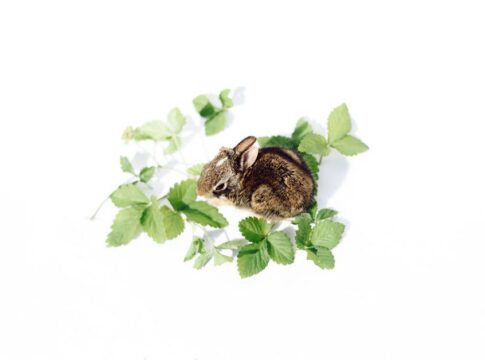
Baby rabbits, called kits or kittens, are born hairless and blind but quickly develop into fluffy balls of softness. Within two weeks, their eyes open and they begin hopping around, testing their powerful hind legs. The combination of their twitching noses, long ears that are often too large for their heads, and their habit of washing their faces with tiny paws creates an image of pure adorableness. Their compact size and gentle nature have made rabbits popular both in the wild and as domestic companions.
9. Duckling Fluff Balls Following Their Mother
Ducklings emerge from their eggs covered in soft, water-resistant down that dries into fluffy yellow, brown, or black coats. These precocial birds can walk, swim, and feed themselves shortly after hatching, though they remain close to their mother for protection and guidance. The sight of a line of ducklings paddling behind their mother in perfect formation, or tumbling over each other trying to keep up on land, represents one of nature’s most endearing family portraits. Their peeping calls and bobbing heads add to their considerable charm.
10. Koala Joeys Clinging to Their Mothers
Koala joeys are born incredibly underdeveloped, measuring less than an inch long, and immediately crawl into their mother’s pouch where they continue developing for six months. When they finally emerge, these tiny marsupials cling to their mother’s back or chest, peering out at the world with large, round eyes. Their fluffy ears, button noses, and habit of hugging their mothers tightly create an image that perfectly embodies comfort and security. Watching a joey learn to eat eucalyptus leaves while clinging precariously to branches showcases both vulnerability and determination.
The Universal Appeal of Baby Animals
These ten baby animals represent just a fraction of the adorable young creatures found throughout nature, yet each demonstrates why baby animals hold such a special place in human hearts. Their features—large eyes, round faces, clumsy movements, and dependent behaviors—trigger nurturing instincts that transcend species boundaries. Whether covered in fur, feathers, or down, these youngsters remind us of the beauty and innocence present in the natural world. Their presence serves not only to delight but also to inspire conservation efforts that protect these species and their habitats for future generations to appreciate and cherish.