










1 / 10 Questions
0 Points

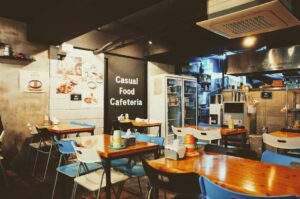
What Is A Common Sign Of A Haunted Restaurant?

Cheaper menu prices

Extra customers

Unexplained footsteps or voices

Brighter lighting

Points won
0
Correct score
0%

More Quizzes

More Articles

The Power of Slow Natural Processes

The Power of Slow Natural Processes

⏱️ 5 min read

In a world obsessed with speed and instant results, nature operates on a vastly different timescale. The most transformative forces shaping our planet work quietly, gradually, and with extraordinary persistence over centuries, millennia, and even millions of years. These slow natural processes demonstrate that true power often lies not in dramatic bursts of energy, but in steady, incremental change that accumulates into monumental transformations.

Geological Forces That Reshape Continents

The movement of tectonic plates exemplifies the profound impact of gradual processes. Traveling at speeds comparable to fingernail growth—typically between one and ten centimeters per year—these massive sections of Earth's lithosphere have completely redrawn the planet's geography over geological time. The collision between the Indian and Eurasian plates, occurring at approximately five centimeters annually, has created the Himalayan mountain range over the past 50 million years, producing the highest peaks on Earth through persistent, incremental uplift.

Erosion operates with similar patience and effectiveness. Water, wind, and ice work continuously to wear down even the mightiest mountains. The Grand Canyon stands as a testament to this power, carved over approximately six million years by the Colorado River cutting through layers of rock. Each drop of water removes microscopic particles, but the cumulative effect creates one of the planet's most spectacular geological features, revealing nearly two billion years of Earth's history in its exposed rock layers.

The Patient Work of Biological Evolution

Evolution through natural selection represents perhaps the most elegant demonstration of slow processes creating complexity. Over approximately 3.8 billion years, life has diversified from simple single-celled organisms into the millions of species inhabiting Earth today. This transformation occurred through countless small genetic variations, each tested against environmental conditions, with beneficial traits gradually becoming more common in populations.

The fossil record documents this incremental change. The evolution of whales from land-dwelling mammals took approximately 50 million years, involving numerous intermediate forms that show the gradual adaptation to aquatic life. Each transitional species possessed slight modifications that provided survival advantages in their particular environment, collectively bridging the dramatic difference between terrestrial and marine mammals.

Ecosystem Development and Succession

Ecological succession demonstrates how biological communities transform landscapes through patient, sequential development. Primary succession begins on bare rock or newly exposed surfaces where no soil exists. Pioneer species like lichens colonize these harsh environments, slowly breaking down rock and accumulating organic matter. Over decades and centuries, this process creates conditions allowing mosses, then grasses, shrubs, and eventually trees to establish themselves.

The development of old-growth forests illustrates the complexity that emerges from these slow processes. These ecosystems may require 150 to 500 years to reach maturity, developing intricate relationships between thousands of species. The soil beneath old-growth forests contains vast fungal networks that facilitate nutrient exchange between trees, a system decades in the making that cannot be quickly replicated.

Climate Cycles and Long-Term Atmospheric Changes

Earth's climate operates on multiple timescales, with some of the most significant changes unfolding over tens of thousands of years. The Milankovitch cycles, variations in Earth's orbital parameters occurring over periods of 26,000 to 100,000 years, have driven the ice age cycles of the past 2.6 million years. These subtle changes in orbital eccentricity, axial tilt, and precession gradually alter the distribution of solar radiation reaching Earth's surface, triggering feedback mechanisms that amplify into dramatic climate shifts.

The carbon cycle operates across vast temporal scales, regulating atmospheric composition and global temperatures. Carbon moves between atmosphere, oceans, living organisms, and rocks over timeframes ranging from years to hundreds of millions of years. The weathering of silicate rocks, which removes carbon dioxide from the atmosphere over geological time, has helped maintain Earth's habitability for billions of years by preventing runaway greenhouse conditions.

Soil Formation: The Foundation of Terrestrial Life

Soil creation stands among the slowest yet most essential natural processes. Forming just one centimeter of topsoil typically requires 100 to 1,000 years, depending on climate, parent material, and biological activity. This complex mixture of weathered minerals, organic matter, water, air, and countless organisms develops through the combined action of physical weathering, chemical reactions, and biological decomposition.

Mature soils contain distinct horizons developed over millennia, each layer reflecting different processes and timeframes. The rich organic topsoil supporting agricultural productivity represents centuries of plant growth, decay, and nutrient cycling. This slow accumulation of fertility enabled the development of human civilization, yet modern erosion rates often exceed natural soil formation by orders of magnitude, depleting in decades what nature required centuries to create.

Implications for Conservation and Sustainability

Understanding the timescales of natural processes carries profound implications for environmental management. Ecosystems damaged by human activity cannot recover quickly; old-growth forests cannot be restored in human lifetimes, and eroded topsoil may require centuries to regenerate. This temporal mismatch between destruction and recovery necessitates prevention-focused conservation strategies that recognize the irreplaceable value of slowly-accumulated natural capital.

The patient power of slow processes also offers perspective on environmental challenges. While human-caused climate change operates on unnaturally rapid timescales, natural systems possess remarkable resilience when given sufficient time. Reforestation projects, though requiring decades to mature, can eventually restore ecosystem functions. Recognizing both the vulnerability and resilience inherent in slow natural processes should inform more thoughtful approaches to environmental stewardship, acknowledging that some transformations cannot be rushed and some damage cannot be quickly undone.

The slow processes shaping our world demonstrate that patience and persistence generate changes more profound than any momentary force. These gradual transformations remind us that nature's true power lies not in speed, but in the inexorable accumulation of small changes into magnificent results.
Food Preservation Mistakes People Still Make

Food Preservation Mistakes People Still Make

⏱️ 5 min read

Food preservation has been essential to human survival for thousands of years, yet many modern households continue to make critical errors that compromise food safety, quality, and longevity. Despite access to advanced refrigeration technology and preservation methods, these common mistakes can lead to foodborne illness, unnecessary waste, and diminished nutritional value. Understanding proper food preservation techniques is crucial for maintaining a safe and efficient kitchen.

Refrigerating Foods at Incorrect Temperatures

One of the most widespread preservation errors involves maintaining improper refrigerator temperatures. Many people assume their refrigerator is cold enough without verifying the actual temperature. The FDA recommends keeping refrigerators at or below 40°F (4°C) and freezers at 0°F (-18°C). When temperatures rise above these thresholds, bacterial growth accelerates dramatically, potentially doubling every 20 minutes in the danger zone between 40°F and 140°F.

Additionally, overloading refrigerators impedes proper air circulation, creating warm spots where food can spoil prematurely. Strategic organization and regular temperature monitoring with an appliance thermometer are essential practices that many households overlook.

Washing Produce Before Storage

While cleanliness is important, washing fruits and vegetables before storing them is actually counterproductive. Moisture creates an ideal environment for mold and bacterial growth, significantly reducing shelf life. Berries, leafy greens, and other delicate produce are particularly vulnerable to this moisture-related deterioration.

The proper approach involves storing unwashed produce in breathable containers or perforated bags, then washing items thoroughly just before consumption. This simple timing adjustment can extend freshness by several days or even weeks for certain items.

Improper Freezer Packaging Methods

Freezer burn remains a common problem that many people attribute to faulty freezers when the real culprit is inadequate packaging. When food is exposed to air in the freezer, moisture evaporates from the surface, causing dehydration and oxidation. This results in the characteristic dry, discolored patches that affect both texture and flavor.

Effective freezer storage requires removing as much air as possible from containers and bags. Vacuum sealing provides optimal protection, but even manual air removal followed by proper sealing can prevent most freezer burn. Double-wrapping items in plastic wrap followed by aluminum foil or freezer paper offers additional protection for long-term storage.

Storing Foods in the Wrong Refrigerator Zones

Not all areas of a refrigerator maintain the same temperature, yet many people store items randomly without considering these variations. The refrigerator door experiences the most temperature fluctuation, making it unsuitable for highly perishable items like milk and eggs despite the convenience of dedicated door compartments.

The coldest areas typically include the back of lower shelves, which are ideal for raw meat, poultry, and fish. Upper shelves work well for ready-to-eat foods, while crisper drawers maintain higher humidity levels suitable for most vegetables. Understanding and utilizing these zones properly can significantly extend food freshness and prevent cross-contamination.

Ignoring the Importance of Proper Cooling Before Storage

Placing hot food directly into the refrigerator is a mistake that creates multiple problems. The heat raises the internal temperature of the refrigerator, potentially bringing nearby foods into the danger zone for bacterial growth. Additionally, the trapped steam inside sealed containers creates excessive moisture that promotes spoilage.

Large portions of hot food should be divided into smaller, shallow containers to accelerate cooling. Once food reaches room temperature—which should occur within two hours of cooking—it can be safely refrigerated. This practice protects both the food being stored and everything else in the refrigerator.

Misunderstanding Date Labels on Packaging

Confusion surrounding "sell by," "best by," and "use by" dates leads to enormous amounts of unnecessary food waste. Many consumers believe these dates indicate when food becomes unsafe, but they actually represent the manufacturer's estimate of peak quality. With the exception of infant formula, these dates are not federally regulated safety indicators.

Properly stored foods often remain safe and wholesome well beyond these dates. Sensory evaluation—checking for off odors, unusual textures, or visible mold—provides better safety guidance than arbitrary dates. Understanding this distinction helps reduce waste while maintaining safety standards.

Neglecting Proper Canning Procedures

Home canning has resurged in popularity, but improper techniques can create serious health risks, particularly botulism from low-acid foods. Common mistakes include using outdated canning methods, failing to adjust processing times for altitude, reusing single-use lids, and inadequately sterilizing jars.

Low-acid foods like vegetables, meats, and legumes require pressure canning to reach temperatures high enough to destroy dangerous bacteria. Water bath canning is only safe for high-acid foods such as most fruits, pickles, and tomatoes with added acid. Following current, tested recipes from reliable sources like the USDA or National Center for Home Food Preservation is non-negotiable for safety.

Cross-Contamination During Storage

Storing raw and cooked foods together without proper separation creates significant contamination risks. Raw meat juices can drip onto ready-to-eat foods, transferring harmful bacteria like Salmonella and E. coli. This mistake extends beyond just placement; using the same cutting boards, utensils, or containers without thorough cleaning between uses compounds the problem.

Raw meats should always be stored on the lowest refrigerator shelves in leak-proof containers or on plates to catch any drips. Maintaining separate storage areas and preparation tools for raw proteins and ready-to-eat foods is a fundamental food safety practice that prevents most storage-related contamination issues.

By addressing these common preservation mistakes, households can significantly improve food safety, reduce waste, and maximize the quality and longevity of their food supplies. Proper preservation techniques require attention to detail and consistent application, but the benefits in terms of health, economy, and sustainability make the effort worthwhile.