










1 / 10 Questions
0 Points
Points won
0
Correct score
0%

More Quizzes

More Articles

Did You Know Coffee Is the Second Most Traded Commodity?

Did You Know Coffee Is the Second Most Traded Commodity?

⏱️ 5 min read

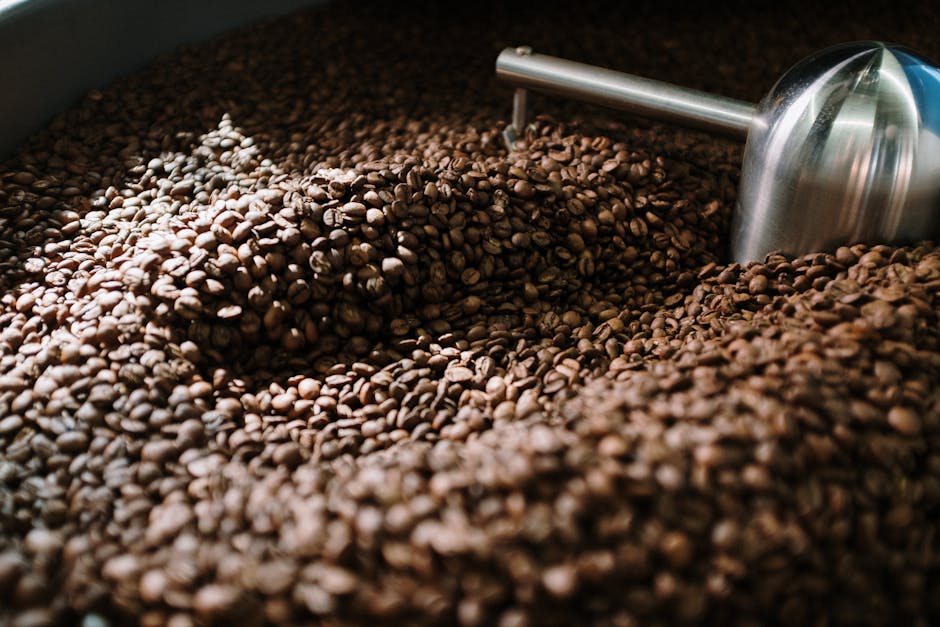
Every morning, millions of people around the world reach for their favorite cup of coffee, but few realize they're participating in one of the largest trading operations on the planet. Coffee stands as the second most traded commodity globally, surpassed only by crude oil. This remarkable statistic reflects not just our collective love for the beverage, but also the intricate economic networks, agricultural practices, and cultural significance that have developed around these small beans over centuries.

The Global Coffee Trade by Numbers

The international coffee market represents a staggering economic force, with over 25 million farmers across more than 50 countries depending on coffee cultivation for their livelihoods. Annual global coffee production exceeds 170 million 60-kilogram bags, translating to approximately 10 million tons of coffee beans. The commodity's trading volume reaches over $100 billion annually, making it an essential component of international commerce and economic stability for numerous developing nations.

Brazil maintains its position as the world's largest coffee producer, accounting for roughly one-third of global production, followed by Vietnam, Colombia, Indonesia, and Ethiopia. These countries have built substantial portions of their economies around coffee exports, demonstrating the commodity's critical role in international trade relationships and economic development.

Historical Development of Coffee as a Trading Commodity

Coffee's journey to becoming a major traded commodity began in the 15th century in Yemen, where Sufi monks first cultivated the beans for their stimulating properties during long prayer sessions. The beverage spread throughout the Ottoman Empire before reaching Europe in the 17th century, where it quickly became a cultural phenomenon. Coffeehouses emerged as centers of social interaction, political discourse, and business dealings.

The colonial era saw European powers establishing coffee plantations throughout tropical regions, particularly in Latin America, Africa, and Southeast Asia. This expansion transformed coffee from a regional crop into a global commodity, establishing the trading routes and market structures that persist today. The first coffee futures contracts appeared in the late 19th century, formalizing coffee's status as a tradable commodity alongside traditional goods like wheat and cotton.

Why Coffee Ranks Second in Global Trade

Several factors contribute to coffee's prominence in international commodity markets. The beverage's universal appeal transcends cultural and geographic boundaries, creating consistent global demand. Unlike many agricultural products, coffee cannot be grown in temperate climates, necessitating international trade to satisfy consumption needs in major markets like the United States, Europe, and Japan.

The commodity's non-perishable nature when properly processed makes it ideal for long-distance trade. Roasted and green coffee beans can be stored and transported without significant degradation, allowing for complex global supply chains. Additionally, coffee's relatively high value-to-weight ratio compared to other agricultural products makes international shipping economically viable, even across vast distances.

The Two Main Species Dominating Trade

The global coffee trade primarily revolves around two species that account for nearly all commercial production:

  • Arabica (Coffea arabica): Representing approximately 60-70% of global production, Arabica beans are prized for their smooth, complex flavors and lower caffeine content. These plants require higher altitudes and more specific growing conditions, making them more expensive to produce.
  • Robusta (Coffea canephora): Comprising 30-40% of production, Robusta beans contain higher caffeine levels and produce a stronger, more bitter taste. These hardy plants tolerate lower altitudes and varying conditions, making them easier and less expensive to cultivate.

Economic Impact on Producing Countries

For many developing nations, coffee exports represent a crucial source of foreign currency and employment. Ethiopia, the birthplace of coffee, derives approximately one-third of its export earnings from coffee sales. Similarly, countries like Honduras, Nicaragua, and Uganda depend heavily on coffee revenues to fund infrastructure development, education, and healthcare programs.

However, this dependence creates vulnerability to price fluctuations in international markets. Coffee prices are notoriously volatile, influenced by weather patterns, political instability, currency fluctuations, and shifting consumer preferences. A significant price drop can devastate local economies, while price spikes can strain relationships with importing nations and roasters.

Modern Trading Mechanisms and Market Structure

Contemporary coffee trading operates through sophisticated futures markets, primarily the Intercontinental Exchange (ICE) in New York for Arabica and ICE Futures Europe in London for Robusta. These exchanges allow producers, traders, and consumers to hedge against price volatility through futures contracts, providing some stability to the market.

The supply chain typically involves multiple intermediaries: farmers sell to local collectors, who sell to exporters, who sell to importers, who finally sell to roasters and retailers. Each step adds value but also complexity to pricing structures. Recent decades have seen the emergence of direct trade relationships, where roasters purchase directly from farmers or cooperatives, potentially offering better prices to producers while ensuring quality control.

Sustainability Challenges and Fair Trade Initiatives

The coffee industry faces numerous sustainability challenges, including deforestation, water usage, pesticide application, and climate change impacts. Rising temperatures and changing rainfall patterns threaten traditional growing regions, potentially reducing suitable cultivation areas by 50% by 2050.

Fair Trade and similar certification programs have emerged to address economic and environmental concerns, guaranteeing minimum prices to farmers and promoting sustainable agricultural practices. These initiatives aim to create more equitable trading relationships, though they currently represent only a small percentage of the overall market. Specialty coffee movements and direct trade relationships continue growing, potentially reshaping traditional trading patterns and improving conditions for small-scale producers.

The Future of Coffee Trading

As global coffee consumption continues rising, particularly in emerging markets like China and India, the commodity's trading significance will likely strengthen. Technological innovations in cultivation, processing, and supply chain management promise to increase efficiency while addressing sustainability concerns. The intersection of consumer demand for quality, ethical sourcing, and environmental responsibility will shape how this vital commodity is traded in the coming decades, ensuring coffee remains a cornerstone of international commerce.

Top 10 Famous Rivalries in Sports

Top 10 Famous Rivalries in Sports

⏱️ 7 min read

Throughout sporting history, certain rivalries have transcended the boundaries of their respective games to become cultural phenomena. These fierce competitions have captivated audiences worldwide, generating unforgettable moments of passion, drama, and athletic excellence. From historic grudge matches to modern-day battles for supremacy, these rivalries represent the very essence of competitive spirit and have shaped the landscape of sports as we know it today.

The Greatest Sporting Rivalries of All Time

1. Yankees vs. Red Sox: Baseball's Most Intense Feud

The rivalry between the New York Yankees and Boston Red Sox stands as arguably the most storied competition in American sports. Dating back to 1901, this American League East battle has been defined by the infamous sale of Babe Ruth from Boston to New York in 1919, which allegedly triggered the "Curse of the Bambino." For 86 years, the Red Sox failed to win a World Series while the Yankees accumulated 26 championships. The tension reached its peak during the 2003 and 2004 American League Championship Series, with Boston's historic comeback from a 3-0 deficit in 2004 finally breaking their championship drought. The geographic proximity, contrasting team philosophies, and passionate fan bases continue to fuel this rivalry's intensity.

2. El Clásico: Real Madrid and Barcelona's Spanish Spectacle

Real Madrid versus Barcelona represents more than just a football match; it embodies political, cultural, and regional tensions within Spain itself. This rivalry reflects the historical conflict between Spanish nationalism and Catalan independence, making every encounter deeply meaningful beyond the pitch. Featuring some of football's greatest players including Lionel Messi and Cristiano Ronaldo during their era, El Clásico regularly attracts over 500 million viewers worldwide. The matches have produced countless memorable moments, from Johan Cruyff's influence in the 1970s to Ronaldinho's standing ovation at the Santiago Bernabéu. The rivalry encompasses not just league matches but also Copa del Rey finals and Champions League encounters.

3. Ali vs. Frazier: The Thrilla in Manila and Beyond

Muhammad Ali and Joe Frazier's trilogy represents boxing's greatest rivalry, combining athletic brilliance with personal animosity. Their three fights—the Fight of the Century in 1971, the rematch in 1974, and the Thrilla in Manila in 1975—pushed both fighters to their absolute limits. Beyond the ropes, the rivalry was intensified by Ali's verbal attacks and their contrasting public personas during the turbulent 1970s. Frazier won their first encounter, handing Ali his first professional defeat, while Ali claimed the next two victories. The Thrilla in Manila is often considered the most brutal and dramatic boxing match in history, with Ali's trainer stopping the fight after the 14th round when Frazier could no longer continue.

4. Federer vs. Nadal: Tennis's Golden Era Rivalry

Roger Federer and Rafael Nadal have faced each other 40 times between 2004 and 2019, creating perhaps the greatest individual rivalry in tennis history. Their contrasting styles—Federer's elegant all-court precision versus Nadal's relentless topspin and physicality—produced matches of extraordinary quality. The 2008 Wimbledon final, won by Nadal in near darkness after nearly five hours, is widely regarded as the greatest tennis match ever played. Their rivalry elevated men's tennis to unprecedented heights, with both players pushing each other to improve continuously. The mutual respect between these champions, despite their fierce on-court battles, has set a standard for sportsmanship.

5. Celtics vs. Lakers: The NBA's Defining Championship Battle

The Boston Celtics and Los Angeles Lakers have met in the NBA Finals 12 times, more than any other matchup in league history. This rivalry has defined entire eras of basketball, from the Bill Russell-led Celtics dominating the 1960s to the Magic Johnson versus Larry Bird battles of the 1980s, and the Paul Pierce-Kobe Bryant confrontations of the 2000s. The geographic and cultural contrasts—blue-collar Boston versus glamorous Los Angeles—add layers to this competition. Together, these franchises have won 34 NBA championships, accounting for nearly half of all titles awarded in league history. The rivalry represents the ultimate stage for basketball excellence and championship prestige.

6. India vs. Pakistan: Cricket's Most Politically Charged Rivalry

When India and Pakistan face each other in cricket, over a billion people tune in, making it one of the most-watched sporting events globally. Born from the partition of India in 1947, this rivalry carries immense political and cultural weight. Matches between these nations, particularly in ICC tournaments, bring their respective countries to a standstill. The intense pressure has produced legendary performances and heartbreaking defeats, with players becoming national heroes or villains based on their performance. Security concerns have limited bilateral series, making ICC tournament encounters even more significant and emotionally charged for fans on both sides.

7. The Ashes: England and Australia's Cricket Tradition

Dating back to 1882, The Ashes represents the oldest and most prestigious rivalry in cricket. The name originated from a satirical obituary published after England's first loss to Australia on home soil, stating that English cricket had died and "the body will be cremated and the ashes taken to Australia." A small urn allegedly containing the ashes of a cricket bail became the symbolic prize. This rivalry has produced countless memorable moments across more than 70 series, from Don Bradman's dominance to the controversial "Bodyline" series of 1932-33, to modern classics like the 2005 series that captivated England. The tradition of Test cricket is epitomized through this historic competition.

8. Ohio State vs. Michigan: College Football's Fiercest Grudge Match

Simply known as "The Game," the annual matchup between Ohio State and Michigan represents college football's most intense rivalry. Since 1935, this game has traditionally been played as the final regular-season contest for both teams, often determining Big Ten championships and national title implications. The rivalry extends beyond the gridiron, affecting recruiting, alumni relations, and state pride. Legendary coaches like Woody Hayes and Bo Schembechler elevated this rivalry to mythical status during their "Ten Year War" from 1969-1978. The passion is so intense that some fans refuse to use the letter "M" during Michigan week, and players earn gold pants charms for victories in The Game.

9. Canadiens vs. Maple Leafs: Hockey's Original Six Battle

The Montreal Canadiens and Toronto Maple Leafs rivalry represents the soul of Canadian hockey. As the NHL's two most successful franchises with a combined 37 Stanley Cup championships, their battles have defined hockey's evolution since the league's early days. This rivalry transcends sport, reflecting English-French cultural tensions within Canada. The geographic proximity and numerous playoff encounters, including five Stanley Cup Finals meetings, have created generations of memorable moments. From Maurice Richard's legendary performances to modern-day regular-season battles, this rivalry remains central to hockey culture despite both teams not meeting in the playoffs since 1979.

10. Army vs. Navy: The Game of Honor and Tradition

The Army-Navy Game represents something unique in sports—a rivalry built on mutual respect and shared sacrifice. Played annually since 1890, this college football game features future military officers competing for bragging rights between service academies. What makes this rivalry special is that players on both sides will soon serve together defending their country. The pageantry includes march-ons of the entire Corps of Cadets and Brigade of Midshipmen, patriotic displays, and traditions like players remaining on the field to stand with their academy during the singing of their alma mater, win or lose. Presidents regularly attend, and the game serves as a celebration of American military service. The rivalry maintains its intensity while exemplifying sportsmanship and honor.

The Enduring Legacy of Sports Rivalries

These ten rivalries demonstrate how sports competition can transcend mere athletic contests to become cultural institutions. They remind us that the greatest moments in sports often emerge from sustained excellence, mutual respect between worthy opponents, and the passionate investment of fans across generations. Whether rooted in geography, politics, history, or pure competitive spirit, these rivalries continue to produce the drama and memorable moments that make sports an irreplaceable part of human culture. They prove that while individual brilliance deserves celebration, the clash between great competitors creates something even more powerful and enduring.