









⏱️ 6 min read
The world of fruits and vegetables is filled with surprising discoveries that go far beyond their nutritional value. From botanical classifications that challenge everything we thought we knew to unexpected historical origins, these plant-based foods continue to amaze scientists, chefs, and everyday consumers alike. Understanding these fascinating facts not only enriches our appreciation for what we eat but also helps us make more informed choices about our diets and the natural world around us.
Botanical Surprises and Classifications
1. Tomatoes Are Scientifically Fruits, Not Vegetables
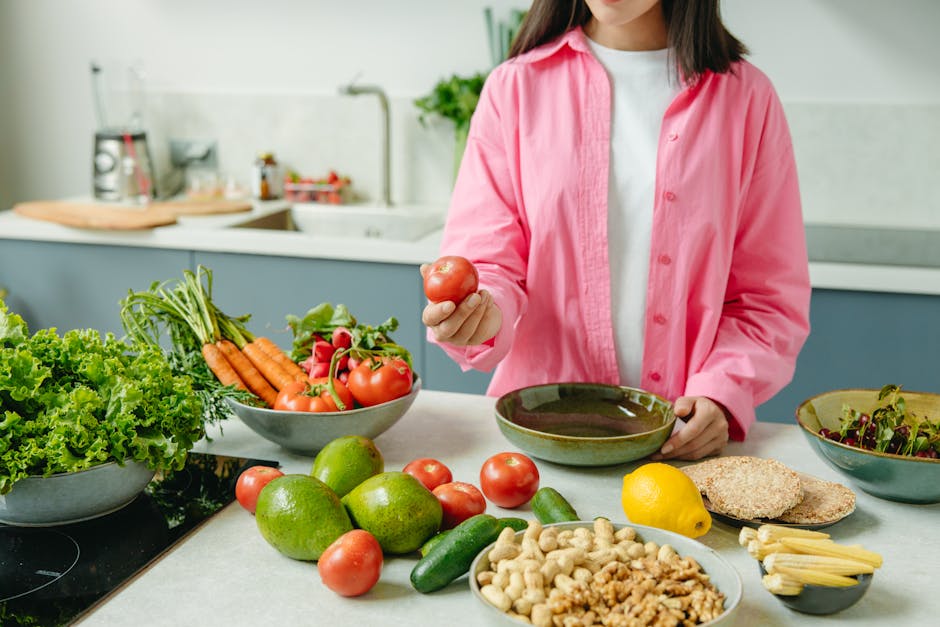
One of the most well-known botanical facts is that tomatoes are actually fruits. Botanically speaking, a fruit is the seed-bearing structure that develops from the ovary of a flowering plant, while vegetables are other plant parts like roots, stems, and leaves. Despite being used in savory dishes and treated as vegetables in culinary contexts, tomatoes meet all the criteria of a fruit. This classification extends to cucumbers, peppers, squash, and eggplants as well, all of which are technically fruits masquerading as vegetables in our kitchens.
2. Strawberries Aren't Actually Berries
In a twist that surprises most people, strawberries aren't true berries according to botanical definitions. True berries develop from a single ovary and typically have multiple seeds, like blueberries and grapes. Strawberries, however, develop from a flower with multiple ovaries, and those small seeds on the outside are actually the true fruits. Even more surprising: bananas, watermelons, and avocados are technically berries, while raspberries and blackberries are not.
3. Carrots Were Originally Purple
The orange carrots we know today are actually a relatively recent development. Historical records and ancient artwork show that carrots were originally purple, white, or yellow. Orange carrots were cultivated in the Netherlands during the 16th and 17th centuries, possibly as a tribute to the Dutch royal family, the House of Orange. These orange varieties became popular due to their sweeter taste and eventually dominated commercial production worldwide.
Nutritional and Health Revelations
4. Broccoli Contains More Protein Than Steak by Calorie
While steak is renowned for its protein content, broccoli delivers a surprising nutritional punch. Per 100 calories, broccoli contains about 11.1 grams of protein, while sirloin steak contains approximately 9.5 grams. This doesn't mean broccoli can replace meat as a protein source in terms of volume and amino acid profile, but it demonstrates that vegetables can be surprisingly protein-rich for their caloric content, making them excellent additions to any diet.
5. Apples Float Because They're 25% Air
The reason apples float in water isn't just because they're lightweight—it's because they're composed of about 25% air. This air content is trapped within the apple's cellular structure, giving it buoyancy. This same property is what makes the traditional Halloween game of apple bobbing possible and contributes to the satisfying crunch we experience when biting into a fresh apple.
6. Bananas Are Naturally Radioactive
Bananas contain potassium-40, a naturally occurring radioactive isotope of potassium. While this might sound alarming, the radiation level is incredibly small and completely harmless to humans. In fact, the term "banana equivalent dose" is used in radiation science as an informal measurement unit to put radiation exposure into perspective. You would need to eat millions of bananas in a short period to experience any harmful effects from radiation.
Historical and Cultural Discoveries
7. Ketchup Was Once Sold as Medicine
In the 1830s, tomato ketchup was marketed and sold as a medicinal remedy for various ailments, including indigestion and diarrhea. Dr. John Cook Bennett claimed that tomatoes could cure these conditions and sold ketchup in pill form. While we now know that tomatoes do have health benefits due to their lycopene content and vitamins, the medicinal claims of the 19th century were greatly exaggerated.
8. Pineapples Take Two Years to Grow
Despite being available year-round in most grocery stores, a single pineapple takes approximately 18 to 24 months to reach full maturity. The plant produces only one pineapple per cycle, making it a surprisingly resource-intensive fruit. This lengthy growing period partly explains why pineapples were once considered luxury items and symbols of wealth and hospitality in colonial America.
Unusual Growth and Reproduction Facts
9. Cashews Grow Outside the Fruit
Unlike most nuts that grow inside fruits or protective shells, cashew nuts develop outside what's called the cashew apple. The nut hangs from the bottom of the cashew apple in a kidney-shaped shell that contains toxic oils. This is why cashews are never sold in their shells and must be carefully processed to remove these harmful substances before consumption.
10. Grapes Explode in the Microwave
When a grape is cut almost in half and microwaved, it creates a plasma field—the fourth state of matter. The grape's size and water content create the perfect conditions for electromagnetic waves to concentrate, generating enough energy to create glowing plasma. This phenomenon has been studied by physicists and demonstrates the unique properties of fruits at the molecular level.
Environmental and Agricultural Insights
11. Cucumbers Are 96% Water
Cucumbers hold the record for having one of the highest water contents of any solid food at approximately 96%. This exceptional water content makes them incredibly hydrating and low in calories while still providing vitamins K and C, potassium, and various antioxidants. This high water ratio also explains why cucumbers are so refreshing and why they've been used for centuries in skincare and hydration remedies.
12. Corn Is Grown on Every Continent Except Antarctica
Corn, also known as maize, demonstrates remarkable adaptability and has become one of the world's most widely grown crops. Originally domesticated in southern Mexico approximately 10,000 years ago, corn now thrives on every continent except Antarctica. Its versatility extends beyond food—corn is used in producing ethanol, plastics, and thousands of other products, making it one of humanity's most important agricultural achievements.
Surprising Sensory Characteristics
13. Red, Yellow, and Green Bell Peppers Are the Same Plant
Many people believe that different colored bell peppers are different varieties, but they're actually the same plant at different stages of ripeness. Green peppers are simply unripe versions, while yellow, orange, and red peppers have been allowed to mature longer on the vine. As they ripen, they not only change color but also become sweeter and develop higher levels of vitamins A and C, which explains the price difference in stores.
14. Onions Make You Cry Because of Sulfuric Acid
The tears triggered by cutting onions result from a sophisticated chemical defense mechanism. When an onion is cut, it releases enzymes that convert sulfur compounds into syn-propanethial-S-oxide, a volatile gas. When this gas reaches your eyes, it reacts with the water in your tears to form sulfuric acid, causing irritation. Your eyes produce tears to flush out this irritant, which is why even experienced chefs can be brought to tears by a strong onion.
Conclusion
These fourteen remarkable facts reveal that fruits and vegetables are far more complex and fascinating than they appear in our shopping carts or on our dinner plates. From their unexpected botanical classifications to their surprising historical uses and unique physical properties, these foods continue to offer insights into biology, chemistry, agriculture, and human culture. Understanding these aspects not only enriches our knowledge but also deepens our appreciation for the incredible diversity of plant life that sustains us. Whether it's the radioactive potassium in bananas or the plasma-generating properties of grapes, the produce section holds endless wonders waiting to be discovered.