








⏱️ 5 min read
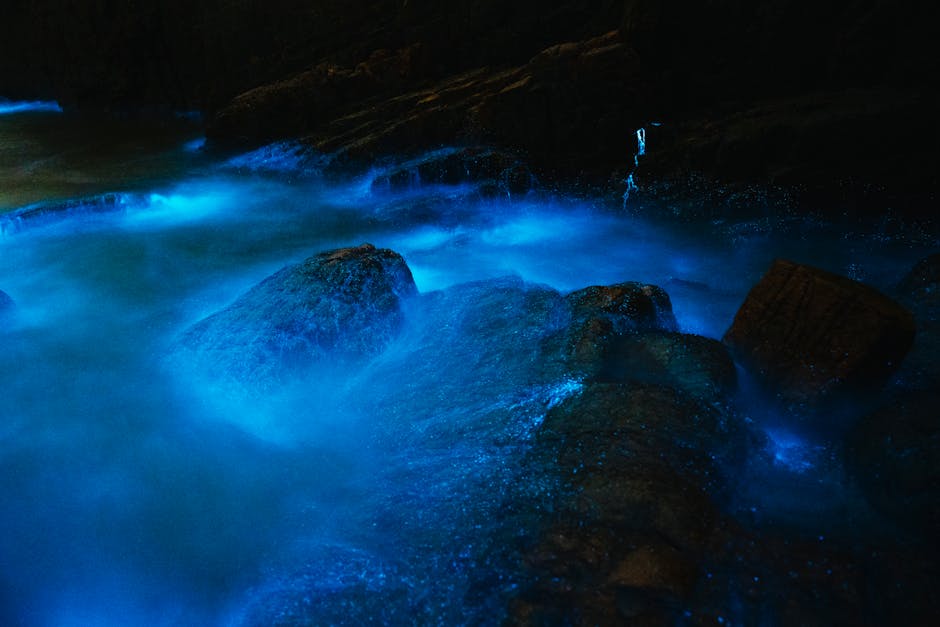
Along certain coastlines around the world, night-time beachgoers occasionally witness one of nature's most spectacular displays: waves that glow with an ethereal blue light. This mesmerizing phenomenon occurs when billions of tiny marine organisms produce light through chemical reactions within their bodies, creating what appears to be liquid starlight rolling onto shore. Far from being merely beautiful, bioluminescent waves represent a complex ecological process that scientists continue to study for both its natural significance and potential applications.
The Science Behind the Glow
Bioluminescence is the production and emission of light by living organisms through biochemical reactions. In marine environments, this phenomenon primarily results from the presence of dinoflagellates, single-celled organisms that belong to the plankton family. These microscopic creatures contain special compounds called luciferin and an enzyme called luciferase. When disturbed by mechanical stress—such as wave motion, boat movement, or even a hand passing through water—these organisms trigger a chemical reaction that produces light without generating heat.
The light emission serves as a defense mechanism for these tiny organisms. When predators disturb the water while feeding, the sudden burst of blue light startles them or attracts even larger predators, giving the dinoflagellates a chance to escape. This "burglar alarm" effect demonstrates how bioluminescence evolved as a survival strategy rather than simply an aesthetic accident of nature.
Where Bioluminescent Waves Occur
While bioluminescent organisms exist in oceans worldwide, only certain conditions create the dramatic glowing waves that capture public imagination. These displays typically occur in warm coastal waters where specific environmental factors align perfectly.
Notable Global Locations
- Southern California coastline, particularly in San Diego and the surrounding beaches
- Puerto Mosquito and Laguna Grande in Puerto Rico
- Luminous Lagoon in Jamaica
- Maldives islands, especially Vaadhoo Island
- Jervis Bay in Australia
- Hong Kong's coastal waters
- Various locations throughout Thailand and Vietnam
Environmental Conditions Required
The appearance of bioluminescent waves depends on a delicate balance of environmental factors. Understanding these conditions helps explain why these events remain relatively unpredictable despite occurring in known locations.
Temperature and Nutrients
Warm water temperatures between 68 and 77 degrees Fahrenheit create ideal conditions for dinoflagellate blooms. Additionally, an influx of nutrients from various sources, including agricultural runoff, upwelling currents, or natural nutrient cycling, fuels rapid population growth. When conditions are optimal, dinoflagellate populations can explode to concentrations of millions of cells per gallon of water.
Water Movement and Oxygen Levels
Calm seas during the day followed by wave action at night produce the most visible displays. The water movement provides the mechanical stimulation necessary to trigger light production. Adequate oxygen levels in the water also play a crucial role, as the chemical reaction producing bioluminescence requires oxygen as a component.
The Role of Red Tides
Bioluminescent displays often accompany red tide events, though not all red tides produce bioluminescence, and not all bioluminescent events involve red tides. Red tides occur when algae populations grow so dense they discolor the water, typically appearing red or brown during daylight hours. The same dinoflagellate species responsible for some red tides, particularly Lingulodinium polyedrum and Noctiluca scintillans, are frequently the organisms behind bioluminescent waves.
However, the relationship between red tides and bioluminescence carries important health considerations. Some dinoflagellate blooms produce toxins harmful to marine life and humans. While the bioluminescent species common along California beaches rarely produce significant toxins, other species in different regions can pose serious health risks. Beach closures during red tide events prioritize public safety, even when the glowing waters prove tempting.
Ecological Impact and Concerns
Dense blooms of bioluminescent dinoflagellates significantly impact marine ecosystems. During the day, massive populations consume substantial amounts of oxygen through respiration, potentially creating hypoxic conditions that stress or kill fish and other marine organisms. The decomposition of dinoflagellates after a bloom ends further depletes oxygen levels.
Climate change may be altering the frequency and intensity of these blooms. Warming ocean temperatures and increased nutrient runoff from human activities create conditions more favorable for dinoflagellate population explosions. Scientists monitor these trends carefully, as changes in bloom patterns could indicate broader ecosystem disruptions.
Scientific and Commercial Applications
Research into bioluminescence extends far beyond understanding glowing waves. Scientists have isolated and replicated the genes responsible for light production, using them as biological markers in medical research. The green fluorescent protein derived from bioluminescent jellyfish has revolutionized cellular biology, earning its discoverers the Nobel Prize in Chemistry.
Current research explores potential applications in sustainable lighting, environmental monitoring, and medical diagnostics. The efficiency of bioluminescent reactions—producing light with virtually no heat waste—offers insights for developing more efficient lighting technologies.
Witnessing and Preserving the Phenomenon
For those hoping to observe bioluminescent waves, timing and location prove crucial. Local marine biology organizations and coastal research centers often track bloom conditions and can provide information about likely viewing opportunities. The displays typically appear most vibrant on moonless nights when ambient light doesn't compete with the organisms' glow.
Preservation of coastal ecosystems remains essential for maintaining the conditions that allow these spectacular displays. Reducing pollution, managing nutrient runoff, and protecting marine habitats ensure that future generations can experience the wonder of bioluminescent waves while maintaining healthy ocean ecosystems that balance natural beauty with ecological stability.