











1 / 10 Questions
0 Points

Which sparkling wine did French monk Dom Pérignon help perfect, though he didn't actually invent it?

Crémant

Champagne

Prosecco

Cava

Points won
0
Correct score
0%

More Quizzes

More Articles

The Business Risks Behind Big Hits

The Business Risks Behind Big Hits

⏱️ 5 min read

The entertainment industry thrives on blockbusters, chart-topping albums, and viral streaming content. While audiences see only the glamorous success stories, behind every major hit lies a complex web of financial risks, strategic gambles, and potential pitfalls that can make or break production companies, studios, and distributors. Understanding these business risks reveals why even the most successful entertainment properties represent high-stakes ventures that require careful navigation of market forces, creative decisions, and economic realities.

The Budget Inflation Trap

Modern entertainment productions face escalating costs that create significant financial exposure. Tentpole films regularly exceed $200 million in production budgets before marketing expenses, while premium television series can cost $15-25 million per episode. These astronomical figures mean that even critically acclaimed projects must achieve extraordinary commercial success just to break even.

The risk multiplies when productions encounter delays, reshoots, or creative overhauls. Cost overruns can transform a calculated investment into a financial disaster. Studios commit to these massive budgets based on projections and market research, but audience preferences prove notoriously unpredictable. A film that tests well with focus groups may still fail to connect with paying audiences, leaving investors with losses in the hundreds of millions.

Marketing Spend and Diminishing Returns

Production costs represent only part of the financial equation. Marketing and promotional campaigns for major releases often equal or exceed production budgets. A $150 million film might require another $150 million in global marketing to achieve adequate audience awareness and drive ticket sales.

This creates a doubling effect on risk exposure. Even if a production stays on budget and delivers quality content, inadequate marketing investment can doom its commercial prospects. Conversely, excessive marketing spend on a weak product wastes resources without salvaging performance. Entertainment companies must constantly calibrate their promotional strategies across traditional media, digital platforms, and experiential marketing while competing for consumer attention in an increasingly saturated marketplace.

Franchise Dependency and Creative Exhaustion

Studios have increasingly relied on established franchises, sequels, and recognizable intellectual property to mitigate risk. While this strategy offers built-in audience recognition, it creates its own vulnerabilities. Franchise fatigue represents a real phenomenon where audiences tire of repetitive formulas and diminishing creative quality.

Each successive installment in a franchise faces higher expectations and potentially declining interest. The financial commitment to franchise development means studios invest heavily in interconnected storylines and long-term planning. When a franchise underperforms, it can derail years of strategic planning and leave expensive production infrastructure underutilized. The collapse of planned cinematic universes demonstrates how franchise dependency can backfire spectacularly.

Talent Costs and Negotiating Power

Major entertainment hits create star talent with significant negotiating leverage for future projects. Successful actors, directors, musicians, and showrunners command premium compensation that dramatically increases production costs for subsequent projects. Studios face difficult decisions about whether to pay escalating talent fees or risk losing the creative forces behind their successes.

Backend participation deals add another layer of complexity. When talent negotiates percentage points of gross or net revenues, unexpected blockbuster success can result in talent compensation far exceeding initial projections. While this rewards creative contributions, it also reduces studio profitability and complicates financial planning for future installments.

Distribution Evolution and Revenue Disruption

The entertainment landscape continues experiencing disruptive transformation in distribution models. Streaming platforms, shortened theatrical windows, and changing consumer consumption habits have fundamentally altered revenue streams and risk calculations.

  • Traditional box office revenue windows have compressed significantly
  • Home entertainment sales have declined while streaming subscription models create different economic dynamics
  • International markets increasingly drive commercial success, requiring cultural adaptation and additional investment
  • Piracy and unauthorized distribution continue eroding legitimate revenue potential

These shifts mean historical performance data provides less reliable guidance for projecting returns. Entertainment companies must develop new models for evaluating potential success across multiple platforms and revenue streams while adapting to rapidly changing consumer preferences.

Cultural and Social Risk Factors

Entertainment products face scrutiny regarding representation, cultural sensitivity, and social messaging. Content that generates controversy can face boycotts, reduced distribution, or reputational damage that extends beyond individual projects to affect entire studios and associated brands.

The global nature of entertainment distribution means content must navigate diverse cultural norms and regulatory environments. What succeeds in one market may face censorship or rejection elsewhere. Studios must balance creative vision with commercial viability across different territories, sometimes requiring expensive modifications or accepting reduced market access.

Timing and Competitive Landscape Challenges

Release timing critically impacts commercial performance. Entertainment companies compete for optimal release windows, balancing seasonal audience availability against direct competition from rival products. Poor timing decisions can undermine otherwise strong content.

The competitive environment intensifies as multiple studios release tentpole properties simultaneously. Audience attention and discretionary entertainment spending have limits, meaning even quality content can underperform when facing strong competition. Strategic scheduling requires balancing offensive positioning against defensive protection of market share.

Long-Term Asset Value Uncertainty

Entertainment hits represent intellectual property assets with uncertain long-term value. While classic properties generate revenue for decades through re-releases, licensing, and merchandising, predicting which properties achieve enduring cultural relevance remains extremely difficult.

Companies invest in intellectual property portfolios expecting some properties will achieve lasting value that justifies investments in shorter-lived content. However, changing audience tastes, technological disruption, and cultural shifts can rapidly diminish asset values. The challenge lies in maximizing returns during initial release periods while developing properties with sustainable long-term revenue potential across multiple exploitation windows and derivative opportunities.
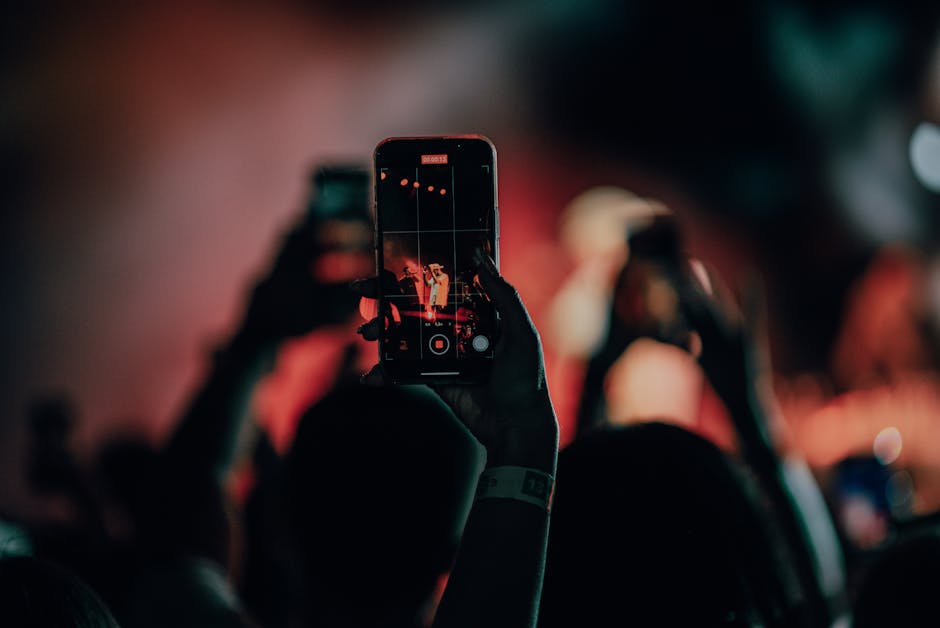
How Social Media Changed Celebrity Culture

How Social Media Changed Celebrity Culture

⏱️ 5 min read

The relationship between celebrities and their audiences has undergone a seismic shift over the past two decades. What was once a carefully curated, one-way channel controlled by publicists, studios, and media outlets has transformed into an immediate, interactive, and often unfiltered exchange. This transformation has fundamentally altered how fame is achieved, maintained, and monetized, creating an entirely new paradigm in entertainment culture.

The Democratization of Fame

Traditional pathways to celebrity status required navigating gatekeepers such as talent agents, casting directors, record labels, and media executives. Social media platforms have dismantled these barriers, allowing individuals to build massive followings without traditional industry backing. Content creators on platforms like YouTube, TikTok, and Instagram have amassed audiences rivaling those of conventional film and television stars, often achieving recognition faster than through traditional routes.

This democratization has expanded the definition of celebrity itself. Influencers, gamers, beauty experts, and lifestyle personalities now occupy the same cultural space as actors and musicians. The distinction between different types of fame has blurred, with success increasingly measured by follower counts, engagement rates, and viral moments rather than box office returns or album sales alone.

Direct Access and Authenticity

Perhaps the most significant change social media introduced is the direct connection between celebrities and their audiences. Gone are the days when fans could only glimpse their favorite stars through magazine interviews or talk show appearances. Platforms like Twitter, Instagram, and TikTok enable celebrities to share thoughts, images, and videos instantly, creating an illusion of intimacy and accessibility.

This direct access has raised audience expectations for authenticity. Followers increasingly demand to see behind-the-scenes moments, candid thoughts, and unpolished glimpses into daily life. Celebrities who maintain overly curated personas often face criticism for being inauthentic, while those who share vulnerabilities and imperfections frequently build stronger connections with their audiences.

The 24/7 Publicity Cycle

Social media has eliminated downtime in celebrity culture. The traditional publicity cycle, which revolved around album releases, film premieres, or award seasons, has been replaced by constant content generation. Celebrities must maintain visibility and relevance through regular posting, engagement, and participation in trending topics.

This perpetual presence creates both opportunities and challenges. On one hand, celebrities can maintain public interest between major projects and control their narratives more effectively. On the other, the pressure to constantly produce content and remain relevant can be exhausting and invasive, blurring the boundaries between public and private life in unprecedented ways.

The Rise of Personal Branding

Modern celebrities function as comprehensive brands rather than simply performers or personalities. Social media provides the tools to develop multifaceted business empires directly connected to their audiences. Celebrity-endorsed products, fashion lines, beauty brands, and lifestyle companies now launch and thrive primarily through social media marketing.

The economic implications are substantial. Celebrities can monetize their followings through:

  • Sponsored posts and brand partnerships
  • Affiliate marketing and product collaborations
  • Subscription-based exclusive content
  • Direct-to-consumer product lines
  • Virtual appearances and personalized video messages

This diversification has granted celebrities unprecedented financial independence from traditional entertainment industry structures, allowing them to build sustainable careers beyond their primary talents.

Cancel Culture and Accountability

Social media's permanence and reach have introduced new forms of accountability to celebrity culture. Past statements, behaviors, and associations can resurface instantaneously, subjecting public figures to scrutiny that previous generations largely avoided. The phenomenon known as "cancel culture" represents the collective power audiences now wield to hold celebrities accountable for their actions.

This dynamic has forced celebrities to be more mindful of their public statements and associations. While critics argue that cancel culture can be excessive or unforgiving, supporters contend it represents necessary accountability for those with significant platforms and influence. Either way, it has fundamentally changed how celebrities navigate public discourse and controversy.

The Transformation of Fan Culture

Fan communities have evolved from passive consumers to active participants in celebrity culture. Social media enables fans to organize, mobilize, and amplify their favorite celebrities' work in ways previously impossible. Trending hashtags, streaming parties, and coordinated social media campaigns can significantly impact a celebrity's success and visibility.

However, this transformation has a darker side. The same tools that enable positive fan engagement also facilitate harassment, invasion of privacy, and toxic behavior. Celebrities face unprecedented levels of scrutiny, criticism, and sometimes genuine threats from individuals who feel entitled to access and opinion due to social media's perceived intimacy.

The Decline of Traditional Media Gatekeepers

Traditional entertainment media outlets have lost their monopoly on celebrity narratives. Celebrities can bypass journalists and critics entirely, announcing news, addressing controversies, and sharing perspectives directly through their social channels. This shift has diminished the power of entertainment journalism while increasing celebrities' control over their public images.

Major announcements about pregnancies, relationships, projects, and personal matters now frequently debut on Instagram or Twitter rather than through exclusive magazine interviews. This evolution has forced traditional media to adapt, often finding themselves reporting on social media posts rather than breaking original stories.

The Future of Celebrity Culture

As social media continues evolving, celebrity culture will undoubtedly transform further. Emerging technologies like virtual reality, augmented reality, and artificial intelligence promise new forms of celebrity-audience interaction. The lines between digital and physical celebrity presence may blur even more dramatically, creating experiences and relationships currently unimaginable.

What remains certain is that social media has permanently altered the entertainment landscape. The changes extend beyond mere communication methods, fundamentally reshaping power dynamics, economic models, and the very nature of fame itself. Understanding this transformation is essential to comprehending contemporary entertainment culture and anticipating its future directions.