






⏱️ 7 min read
The magic of cinema often extends far beyond what audiences see on screen. Some of the most fascinating aspects of filmmaking happen behind the camera, where actors, directors, and crew members create movie history through unexpected challenges, creative solutions, and sometimes downright bizarre circumstances. These remarkable behind-the-scenes stories reveal the dedication, chaos, and occasional insanity that goes into creating beloved films.
Unforgettable Tales from Hollywood's Biggest Productions
1. The Wizard of Oz's Dangerous Snow Scene
The iconic snow scene in "The Wizard of Oz" wasn't created with harmless soap flakes or paper. Instead, the production used industrial-grade asbestos as artificial snow. The cast and crew spent hours filming in what is now known to be a highly toxic substance. This dangerous material was sprinkled throughout the set, and actors breathed it in while performing. This revelation decades later shocked fans and highlighted how little was understood about workplace safety in 1939 Hollywood.
2. Apocalypse Now's Production Nightmare
Francis Ford Coppola's Vietnam War epic encountered almost every possible disaster during its Philippines shoot. The production lasted 238 days instead of the scheduled 14 weeks. A typhoon destroyed sets worth millions of dollars, forcing complete reconstruction. Lead actor Martin Sheen suffered a near-fatal heart attack at age 36, crawling along a road for help. Meanwhile, Marlon Brando arrived on set overweight and unprepared, having never read the source material. Coppola himself mortgaged his house multiple times and contemplated suicide during the chaotic production.
3. The Shining's Record-Breaking Door Scene
The famous "Here's Johnny!" scene required Jack Nicholson to break through a bathroom door with an axe. However, Nicholson had previously worked as a volunteer fire marshal and knew proper techniques for breaking down doors. He destroyed the first door so quickly that the camera crew couldn't capture adequate footage. The prop department had to rebuild the door using sturdier materials. Ultimately, Nicholson went through 60 doors before director Stanley Kubrick was satisfied with the scene's tension and timing.
4. Jaws' Mechanical Shark Malfunction
Steven Spielberg's mechanical shark, nicknamed "Bruce," malfunctioned constantly during the filming of "Jaws." The saltwater corroded the mechanical components, causing the shark to sink, arrive late to shots, or refuse to work entirely. These technical failures forced Spielberg to completely reimagine his approach, showing the shark minimally and using perspective shots, barrels, and music to create suspense instead. This limitation accidentally created a masterclass in suspenseful filmmaking and made the movie far more terrifying than originally planned.
5. The Abyss's Underwater Torture
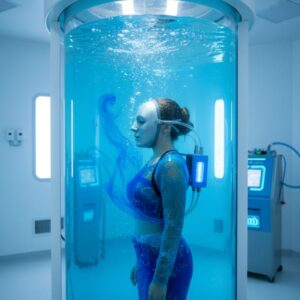
James Cameron's underwater thriller pushed cast and crew to their absolute limits. Ed Harris and Mary Elizabeth Mastrantonio spent weeks in water-filled tanks, performing scenes while scuba diving. Harris became so emotionally traumatized by the experience that he reportedly cried during the drive home and refused to discuss the film for years afterward. Mastrantonio was so exhausted after filming her drowning scene that she walked off set and allegedly never returned for the wrap party. The crew designed hand signals for "I'm okay" and "I'm in trouble and might die."
6. Mad Max Fury Road's Decade-Long Journey
George Miller's action masterpiece spent over a decade in development hell before cameras rolled. Originally scheduled to film after 9/11, the production was postponed due to the Iraq War driving up fuel costs. When filming finally began in 2012, Miller shot enough footage for multiple films. The editing process took two years, with editor Margaret Sixel initially cutting the film to scenes without dialogue to focus purely on visual storytelling. The production used practical effects and real stunts wherever possible, with vehicles actually racing through the Namibian desert at high speeds.
7. Alien's Chest-Burster Shock
Director Ridley Scott deliberately kept most of the cast ignorant about the specific details of the chest-burster scene. The actors knew something would emerge from John Hurt, but they didn't know how graphic it would be or that they would be sprayed with blood. The genuine shock and horror on their faces is completely real. Veronica Cartwright was positioned directly in the blood spray trajectory and got drenched, causing her authentic scream of surprise. This filmmaking decision created one of cinema's most memorable and genuinely horrifying moments.
8. The Revenant's Brutal Filming Conditions
Alejandro González Iñárritu insisted on using only natural lighting and filming in chronological order in remote wilderness locations. The cast and crew endured freezing temperatures in Canada and Argentina, with Leonardo DiCaprio regularly swimming in frozen rivers and sleeping in animal carcasses. The production schedule depended entirely on weather and light conditions, causing months of delays. Crew members quit regularly due to the extreme conditions. The film's famous bear attack scene required extensive rehearsal and coordination with stunt performers and CGI artists.
9. Poltergeist's Real Skeletons Controversy
The swimming pool scene featuring decomposed bodies used real human skeletons because they were cheaper than fabricated props at the time. Actress JoBeth Williams wasn't informed until after filming that she had been swimming with actual human remains. This revelation disturbed her greatly, and she later stated she would have refused had she known beforehand. The use of real skeletons became controversial and contributed to rumors about a "Poltergeist curse" after several cast members died following the film's release.
10. Fitzcarraldo's Impossible Production
Werner Herzog's obsessive vision required hauling a 320-ton steamship over a mountain in the Peruvian rainforest without special effects. The production faced incredible obstacles: the original lead actor Jason Robards contracted dysentery and left, Mick Jagger had to abandon the project due to touring commitments, and the crew relocated after local tribal conflicts. Native workers pulled the massive ship up a mountainside using a complex pulley system, with several people nearly dying during the dangerous process. Herzog's determination to achieve this seemingly impossible feat without tricks or miniatures has become legendary.
11. The Birds' Method Acting Horror
Alfred Hitchcock initially told actress Tippi Hedren that mechanical birds would be used for the famous attic attack scene. However, when filming began, live birds were hurled at her for an entire week. The birds were tied to her costume, pecking and clawing her face and body. One bird nearly blinded her by pecking too close to her eye. Hedren eventually collapsed from exhaustion and received medical orders to rest. This traumatic experience severely damaged her relationship with Hitchcock and affected her mental health for years afterward.
12. Saving Private Ryan's Boot Camp Preparation
Steven Spielberg sent his principal cast through an intensive 10-day military boot camp led by real military advisors before filming began. The actors endured sleep deprivation, cold meals, long marches, and constant physical challenges to understand soldier experiences. However, Spielberg deliberately excluded Matt Damon from boot camp so the other actors would naturally resent his character, Private Ryan, whom they had to risk their lives to save. This strategy created authentic tension between cast members that translated perfectly into their on-screen dynamics.
The Real Story Behind the Magic
These extraordinary behind-the-scenes stories demonstrate that filmmaking often requires as much drama, danger, and dedication as any fictional narrative. Directors push boundaries, actors endure extreme conditions, and crews overcome seemingly impossible obstacles to create the movies that captivate audiences worldwide. While modern safety standards and technology have made filmmaking somewhat less hazardous, the commitment to authentic storytelling continues to drive filmmakers toward extraordinary measures. These stories remind us that the journey to create cinematic magic is often just as compelling as the final product itself, filled with human perseverance, creative problem-solving, and occasionally, complete chaos that somehow results in masterpieces.