







1 / 10 Questions
0 Points

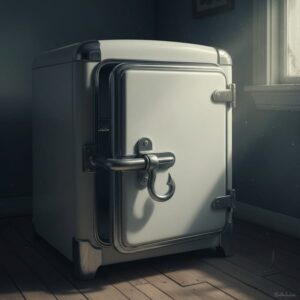
What toxic gas was commonly used in early American refrigerators before safer alternatives were developed?

Helium

Sulfur dioxide

Oxygen

Nitrogen

Points won
0
Correct score
0%

More Quizzes

More Articles

The Surprising Origin of the Sandwich

The Surprising Origin of the Sandwich

⏱️ 5 min read

Few foods are as universally recognized and beloved as the sandwich. This simple culinary creation—ingredients placed between two slices of bread—has become a staple in cuisines worldwide, feeding billions of people daily. Yet behind this everyday meal lies a fascinating history involving gambling aristocrats, cultural evolution, and centuries of bread-based eating traditions that predate the sandwich's official naming by thousands of years.

The Fourth Earl and His Infamous Gaming Habit

The modern sandwich derives its name from John Montagu, the Fourth Earl of Sandwich, an 18th-century English nobleman. According to popular legend, in 1762, the Earl was so engrossed in a marathon gambling session that he refused to leave the gaming table for a proper meal. Instead, he instructed his servants to bring him sliced meat placed between two pieces of bread, allowing him to continue playing cards while eating with one hand, keeping his cards clean and his gaming uninterrupted.

This tale, while entertaining, may not tell the complete story. Historical records suggest that the Earl of Sandwich was indeed fond of this convenient meal format, but perhaps not solely due to gambling. As First Lord of the Admiralty, Montagu was an incredibly busy man who often worked at his desk for extended periods. The bread-enclosed meal allowed him to eat while continuing his administrative duties without interrupting his work or soiling important naval documents.

Ancient Precursors to the Modern Sandwich

While the Earl of Sandwich gave this food its English name, the concept of placing ingredients between or on bread existed for millennia before the 18th century. Ancient Jewish Rabbi Hillel the Elder, who lived during the first century BCE, is credited with creating a Passover tradition of placing lamb, nuts, and herbs between two pieces of matzo. This practice, known as "Hillel's sandwich," commemorated the bitterness of slavery in Egypt and continues in modified forms during Passover Seders today.

Throughout medieval Europe, thick slices of stale bread called "trenchers" served as edible plates, soaking up meat juices and sauces during meals. Diners would eat these bread plates at the end of their meal or give them to dogs or the poor. While not technically sandwiches in the modern sense, trenchers represented an early form of combining bread with other foods in a single, portable package.

How the Sandwich Conquered British Society

After the Earl of Sandwich popularized the concept among British aristocracy, the food quickly spread throughout English social circles. By the late 1700s, sandwiches had become a fashionable late-night snack among the upper classes, particularly after theatrical performances or at social gatherings. The London Journal and other publications of the era began mentioning sandwiches as a sophisticated dining option, cementing the food's place in British culinary culture.

The sandwich's practicality made it particularly appealing during the Industrial Revolution. Factory workers and laborers needed portable, affordable meals that could be eaten quickly during brief breaks. The sandwich perfectly fulfilled this need, requiring no utensils and keeping well for several hours. This working-class adoption transformed the sandwich from an aristocratic novelty into an essential component of everyday British life.

Global Variations and Cultural Adaptations

As the sandwich concept spread globally, different cultures adapted it to local tastes and ingredients, creating unique regional variations:

  • The French developed the jambon-beurre, a simple but elegant combination of ham and butter on a baguette, which remains France's most popular sandwich
  • Vietnam created the bánh mì, fusing French colonial bread-making techniques with traditional Vietnamese ingredients like pickled vegetables, cilantro, and pâté
  • Mexico's tortas utilize bolillo or telera rolls filled with various meats, beans, avocado, and jalapeños, reflecting the country's rich culinary heritage
  • The Middle Eastern shawarma wraps spiced meat and vegetables in pita bread, creating a portable meal with ancient roots
  • Italy's panini, pressed and grilled sandwiches, elevated the concept through high-quality ingredients and cooking technique

The American Sandwich Revolution

The United States embraced and expanded the sandwich concept with particular enthusiasm. American innovation produced numerous iconic varieties, from the club sandwich at the end of the 19th century to the peanut butter and jelly combination that became a childhood staple. The invention of sliced bread in 1928 by Otto Frederick Rohwedder revolutionized sandwich-making, making the process quicker and more uniform for American households.

The rise of delicatessens in American cities introduced European-style sandwiches featuring cured meats, cheeses, and specialty breads. Regional American sandwiches developed distinct identities: the Philly cheesesteak, the New Orleans po' boy, the Cuban sandwich of Florida, and the lobster roll of New England each tell stories of local culture, immigration, and culinary creativity.

The Modern Sandwich Industry

Today, sandwiches represent a massive global industry worth hundreds of billions of dollars annually. Fast-food chains, artisanal sandwich shops, and everything in between cater to consumers' insatiable appetite for convenient, customizable meals. The sandwich's adaptability allows it to accommodate virtually any dietary preference or restriction, from vegan and vegetarian options to gluten-free alternatives and high-protein variations.

Contemporary sandwich culture continues evolving with food trends. Gourmet sandwiches featuring locally-sourced ingredients, international fusion combinations, and Instagram-worthy presentations demonstrate that this centuries-old concept remains dynamic and relevant. Meanwhile, traditional sandwich shops preserve classic recipes, maintaining connections to the food's rich history.

The Enduring Legacy of a Simple Idea

The sandwich's journey from an 18th-century gambling table convenience to a worldwide phenomenon illustrates how simple ideas can transform global food culture. Whether called a sandwich, bocadillo, smørrebrød, or panino, this fundamental concept of combining bread with flavorful ingredients transcends cultural boundaries and continues adapting to new contexts and tastes. The Fourth Earl of Sandwich likely never imagined that his name would become synonymous with one of humanity's most popular and enduring foods, a testament to the power of convenience, creativity, and culinary evolution.

The Most Expensive Art Mistakes Ever Made

The Most Expensive Art Mistakes Ever Made

⏱️ 5 min read

Throughout history, the art world has witnessed catastrophic mistakes that resulted in millions of dollars in losses, destroyed masterpieces, and devastating consequences for collectors, museums, and artists alike. These incidents serve as sobering reminders that even the most valuable cultural treasures remain vulnerable to human error, poor judgment, and unfortunate accidents. From museum mishaps to auction house blunders, these costly mistakes have left permanent marks on the art world.

Accidental Destruction at Major Institutions

Museums and galleries, despite their sophisticated security and preservation systems, have been the sites of some of the most expensive art accidents in history. In 2010, a woman attending an educational program at the Metropolitan Museum of Art fell into Pablo Picasso's painting "The Actor," creating a six-inch vertical tear in the canvas. The 1904-05 work, valued at approximately $130 million, required extensive restoration work. While the museum's insurance covered the damage, the incident highlighted the inherent risks of displaying priceless works in public spaces.

An even more devastating incident occurred at the Fitzwilliam Museum in Cambridge in 2006, when a visitor tripped on his shoelace and fell down a staircase, shattering three 17th-century Qing Dynasty Chinese vases worth approximately $500,000. The irreplaceable artifacts, which had survived for nearly 400 years, were reduced to countless fragments in seconds. The museum spent countless hours attempting to piece together and restore the vases, though they would never return to their original condition.

Disastrous Restoration Attempts

Well-intentioned restoration efforts have resulted in some of the most shocking art disasters. The infamous 2012 restoration of "Ecce Homo," a 19th-century fresco of Jesus Christ by Elías García Martínez in Borja, Spain, became an international sensation for all the wrong reasons. An elderly parishioner, Cecilia Giménez, attempted to restore the deteriorating fresco without professional training, transforming the work into what became mockingly known as "Monkey Christ" or "Potato Jesus." While the original work was not extraordinarily valuable, the incident sparked global debate about art restoration practices and the importance of professional conservation.

More costly was the botched restoration of a 17th-century wooden statue of St. George in northern Spain in 2018. A furniture restorer was hired to work on the polychrome statue, but the result stripped away centuries of original paint and left the piece looking like a cartoon character. The damage was considered irreversible, representing the loss of an irreplaceable piece of cultural heritage.

Auction House Catastrophes

The high-stakes environment of auction houses has produced its share of expensive mistakes. In 2006, casino mogul Steve Wynn accidentally put his elbow through Picasso's "Le Rêve," which he was about to sell for $139 million. The painting, which Wynn had owned since 2001, suddenly had a golf ball-sized hole in it. The incident forced the cancellation of the sale, and while expert restorers eventually repaired the damage, the accident cost Wynn millions in lost value and delayed the eventual sale by several years.

Authentication errors have also resulted in massive financial losses. Numerous cases have emerged of auction houses and dealers selling works attributed to famous artists, only to discover later that they were forgeries or misattributions. The Knoedler Gallery scandal, which emerged in 2011, revealed that the prestigious New York gallery had sold over $80 million worth of fake paintings supposedly created by masters like Mark Rothko and Jackson Pollock over a 15-year period. The ensuing lawsuits and settlement costs devastated the gallery's reputation and led to its closure after 165 years in business.

Customs and Shipping Disasters

The transportation of valuable artworks presents constant risks, and several high-profile incidents have resulted in catastrophic losses. In 2009, a Monet painting worth $12 million was damaged while being shipped to an exhibition when the climate-control system in the transport vehicle malfunctioned. The resulting temperature and humidity fluctuations caused cracking and deterioration to the delicate work.

Customs disputes have also led to expensive mistakes. Art dealers and collectors have lost millions when artworks were seized, detained, or damaged during customs inspections. In some cases, improper documentation has resulted in authorities destroying works they believed were counterfeit or illegal imports, only to discover later that they were legitimate and valuable pieces.

Mistaken Identity and Disposal

Perhaps the most heartbreaking category of art mistakes involves valuable works being discarded or destroyed because they were not recognized as important. In 2001, a cleaning crew at a London art gallery accidentally threw away an installation by artist Gustav Metzger that consisted of a clear bag filled with crumpled newspaper and cardboard. The work, valued at thousands of pounds, was mistaken for trash.

Similarly, in 2014, a cleaner at a German museum threw away a piece of modern art installation valued at approximately $1 million, believing it was actual debris left behind by construction workers. The work, which consisted of a carefully arranged pile of materials meant to resemble a construction site, was beyond recovery by the time the mistake was discovered.

Insurance and Legal Ramifications

The financial fallout from these mistakes extends far beyond the immediate damage to the artworks. Insurance claims, legal battles, and loss of reputation can multiply the costs exponentially. Institutions face increased insurance premiums, while individuals may find themselves liable for damages that exceed their entire net worth. The legal complexities surrounding art damage often involve questions of liability, valuation disputes, and the determination of whether damages can be adequately repaired or if total loss has occurred.

Lessons for the Future

These expensive mistakes have driven improvements in art handling, security protocols, and conservation practices. Museums now implement stricter visitor management systems, improved climate controls, and more comprehensive staff training. The art world has also developed better authentication technologies and more rigorous provenance research to prevent fraud and misattribution. However, as long as humans interact with art, the possibility of costly mistakes will remain an unavoidable reality, making vigilance and proper procedures more critical than ever.