













1 / 20 Questions
0 Points

What year did Amazon.com launch as an online bookstore?

1993

1994

1995

1996

Points won
0
Correct score
0%

More Quizzes

More Articles

Top 10 Animals With the Best Hearing

Top 10 Animals With the Best Hearing

⏱️ 6 min read

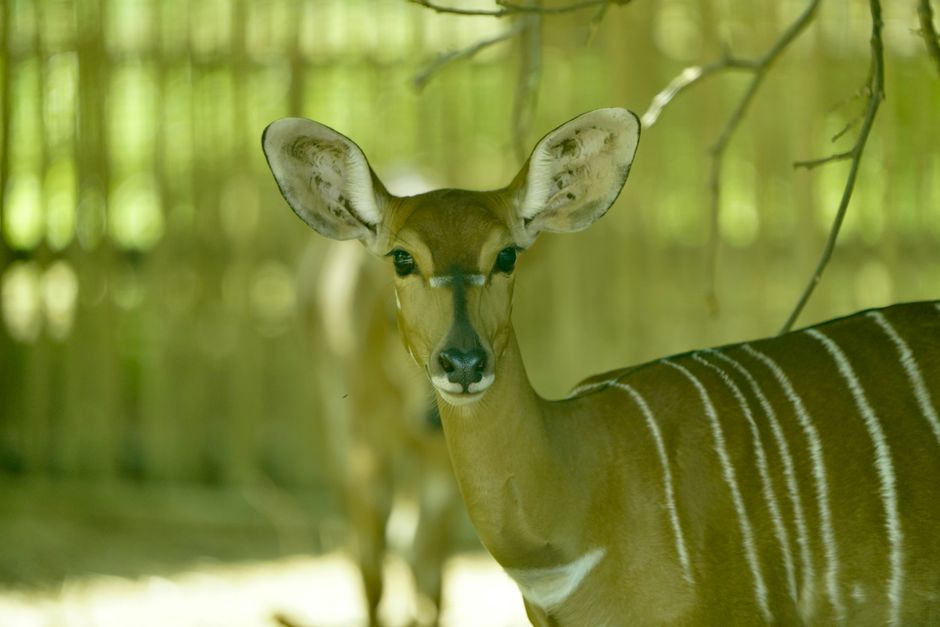
The natural world is filled with creatures that possess extraordinary sensory abilities, and hearing ranks among the most remarkable adaptations in the animal kingdom. While humans can detect sounds ranging from 20 to 20,000 hertz, many animals have evolved hearing capabilities that far exceed our own, allowing them to survive in diverse environments, hunt prey, avoid predators, and communicate across vast distances. These exceptional auditory systems showcase the incredible diversity of evolutionary solutions to the challenges of survival.

Masters of Sound Detection in the Animal Kingdom

1. The Greater Wax Moth's Ultrasonic Supremacy

The greater wax moth holds the record for the highest frequency hearing range in the animal kingdom, capable of detecting sounds up to an astonishing 300 kilohertz. This tiny insect's exceptional hearing evolved as a defense mechanism against its primary predator, the bat. By detecting the ultrasonic echolocation calls that bats use to hunt, these moths can execute evasive maneuvers to escape capture. Their hearing organs, located on their bodies rather than their heads, contain specialized cells that vibrate in response to sound waves, allowing them to perceive frequencies fifteen times higher than what humans can detect.

2. The Bat's Echolocation Excellence

Bats possess one of nature's most sophisticated auditory systems, with hearing ranges extending from 20 hertz to over 120 kilohertz. These nocturnal mammals have developed echolocation, a biological sonar system that allows them to navigate complete darkness and hunt flying insects with remarkable precision. They emit high-frequency calls and listen to the echoes that bounce back, creating a detailed acoustic map of their surroundings. The time delay between emission and echo return tells them exactly where objects are located, while variations in the echo provide information about the size, shape, and texture of targets.

3. The Owl's Asymmetrical Hearing Advantage

Owls are renowned for their exceptional hearing abilities, which enable them to hunt in complete darkness. Many owl species possess asymmetrically placed ears, with one ear positioned higher than the other on their skull. This unique arrangement allows them to pinpoint the exact location of sounds in three-dimensional space with incredible accuracy. The barn owl, in particular, can detect frequencies between 200 hertz and 12 kilohertz and can locate prey based solely on sound, even when that prey is hidden beneath snow or vegetation. Their facial disc feathers act as a parabolic reflector, channeling sound waves toward their ears.

4. The Dolphin's Underwater Acoustic Mastery

Dolphins possess extraordinary hearing adapted for their aquatic environment, with the ability to detect frequencies ranging from 20 hertz to an impressive 150 kilohertz. Like bats, dolphins use echolocation to navigate murky waters and locate prey, but they've adapted this ability for the underwater realm where sound travels nearly five times faster than in air. They produce clicking sounds through specialized nasal structures, and the returning echoes are received through their lower jaw, which transmits vibrations to the inner ear. This system is so refined that dolphins can distinguish between objects made of different materials and detect fish buried in sand.

5. The Cat's High-Frequency Detection Prowess

Domestic cats possess hearing capabilities that surpass both dogs and humans, with a range extending from 48 hertz to an remarkable 85 kilohertz. This exceptional high-frequency hearing evolved to help them detect the ultrasonic vocalizations of rodent prey. Cats can independently rotate each ear up to 180 degrees, using thirty-two muscles in each outer ear to pinpoint sound sources with extraordinary precision. This directional hearing allows them to locate squeaking mice or rustling prey with accuracy down to approximately three inches, even in complete darkness, making them formidable hunters.

6. The Elephant's Infrasonic Communication Network

Elephants represent the opposite end of the hearing spectrum, specializing in detecting extremely low-frequency sounds called infrasound. They can hear frequencies as low as 14 to 16 hertz, well below the threshold of human hearing. This ability allows elephants to communicate with other members of their herd across distances of up to six miles. They detect these low-frequency sounds not only through their large ears but also through vibrations sensed by their feet and trunk. This infrasonic communication system enables elephants to coordinate group movements, warn of danger, and maintain social bonds across vast African savannas.

7. The Moth's Predator Detection System

Many moth species have evolved specialized hearing organs specifically tuned to detect bat echolocation calls, their primary nighttime predators. These tympanal organs, located on various parts of their bodies depending on the species, are incredibly sensitive to ultrasonic frequencies between 20 and 100 kilohertz. Some moths can detect a hunting bat from over 100 feet away, giving them precious time to execute defensive maneuvers such as sudden drops, spirals, or rapid directional changes. Certain species have even evolved the ability to produce ultrasonic clicks that jam bat sonar or signal that they're unpalatable prey.

8. The Pigeon's Low-Frequency Navigation Aid

Pigeons possess the remarkable ability to hear infrasonic sounds as low as 0.5 hertz, frequencies far below human perception. Scientists believe this low-frequency hearing helps pigeons navigate during their famous homing flights. They may use infrasound generated by ocean waves, distant storms, and even geographical features like mountains to create mental acoustic maps of their environment. This ability, combined with their sensitivity to the Earth's magnetic field and visual landmarks, makes pigeons exceptional navigators capable of finding their way home across hundreds of miles of unfamiliar territory.

9. The Horse's Wide-Range Auditory Awareness

Horses have evolved exceptional hearing abilities suited to their role as prey animals on open grasslands. They can detect frequencies from 55 hertz to 33.5 kilohertz and can rotate each ear independently through 180 degrees using ten different muscles. This allows horses to monitor threats from multiple directions simultaneously without moving their heads. Their funnel-shaped outer ears collect and amplify sound waves efficiently, and they can identify the location of a sound source within an area as small as two feet. This heightened auditory awareness helped wild horses detect approaching predators and remains evident in domestic horses today.

10. The Rat's Ultrasonic Social Communication

Rats possess impressive hearing abilities, detecting frequencies from 200 hertz to an astounding 76 kilohertz. They use ultrasonic vocalizations extensively for social communication, producing calls that are completely inaudible to humans. Young rats emit ultrasonic distress calls when separated from their mothers, while adult rats use these high-frequency sounds during social interactions, play, and mating behavior. Their sensitive hearing also helps them avoid predators and navigate their environment in darkness. Research has shown that rats even produce ultrasonic "laughter" when playing or being tickled, demonstrating the sophisticated nature of their acoustic communication.

The Evolutionary Significance of Superior Hearing

The remarkable hearing abilities found throughout the animal kingdom demonstrate the powerful role that natural selection plays in shaping sensory adaptations. Whether detecting the faintest rustle of prey, avoiding predators through early warning systems, navigating vast distances, or maintaining complex social structures, exceptional hearing provides crucial survival advantages. These ten animals represent just a fraction of the diverse acoustic specialists in nature, each finely tuned to the specific auditory challenges of their ecological niches. Understanding these adaptations not only deepens our appreciation for biological diversity but also inspires technological innovations in fields ranging from sonar development to hearing aid design.
Top 10 Most Realistic Historical Movies

Top 10 Most Realistic Historical Movies

⏱️ 6 min read

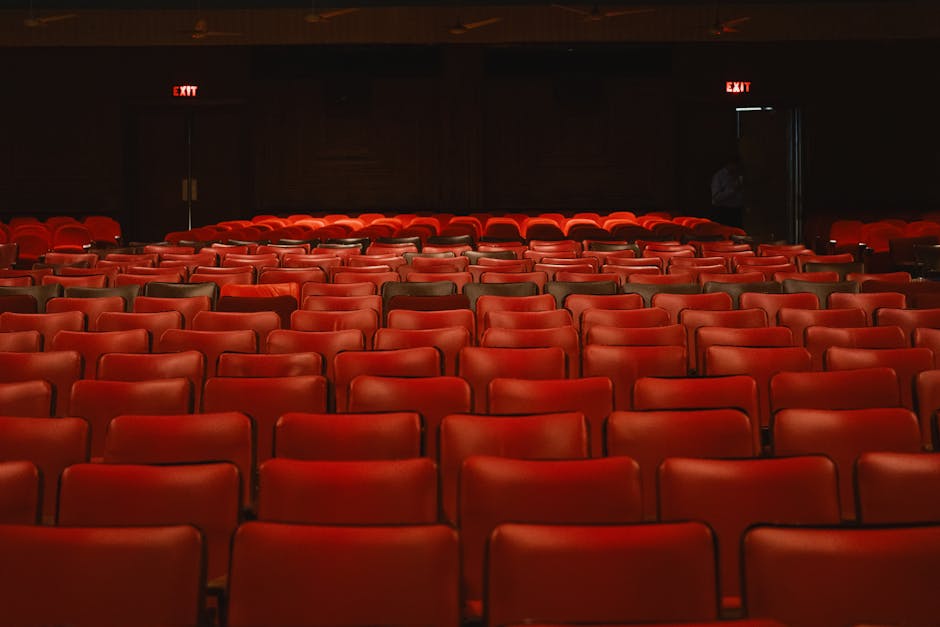
Historical films have long captivated audiences by bringing pivotal moments from the past to life on the silver screen. While Hollywood often takes creative liberties for dramatic effect, certain filmmakers have committed themselves to exceptional historical accuracy, meticulously recreating events, costumes, dialogue, and settings with remarkable fidelity. These productions stand as testament to what cinema can achieve when entertainment meets rigorous scholarship. The following films represent the pinnacle of historical authenticity in moviemaking, each earning praise from historians and critics alike for their dedication to depicting the past as it truly was.

Films That Brought History to Life with Unprecedented Accuracy

1. Apollo 13 (1995) - NASA's Finest Hour Recreated

Ron Howard's gripping account of the ill-fated 1970 moon mission stands as a masterclass in historical filmmaking. The production team went to extraordinary lengths to ensure accuracy, filming scenes in NASA's actual zero-gravity training aircraft to achieve authentic weightlessness effects. Technical advisors, including the real Jim Lovell, provided constant consultation. The dialogue incorporated actual transcripts from mission control, and the spacecraft interior was reconstructed with meticulous attention to detail. NASA officials have praised the film for its faithful representation of the crisis, the problem-solving processes employed, and the genuine spirit of the era's space program.

2. Downfall (2004) - Hitler's Final Days in the Bunker

Oliver Hirschbiegel's German-language film depicts the last days of Adolf Hitler's regime with chilling accuracy. Based on firsthand accounts from Hitler's secretary Traudl Junge and historian Joachim Fest's research, the film recreates the claustrophobic atmosphere of the Führerbunker. Historians have commended the production for its authentic portrayal of the Nazi leadership's final moments, avoiding both glorification and caricature. The bunker set was constructed based on original architectural plans, costumes matched photographic evidence from the period, and the timeline of events corresponds precisely with historical records.

3. Master and Commander: The Far Side of the World (2003) - Napoleonic Naval Warfare

Peter Weir's seafaring epic earned widespread acclaim for its authentic depiction of early 19th-century naval life. The production consulted extensively with naval historians and the Royal Navy Museum. The HMS Surprise replica was built using period-accurate techniques, incorporating working cannons and rigging systems true to the era. The film accurately portrays navigation methods, medical practices including the gruesome reality of ship surgery without anesthesia, naval tactics, and the rigid hierarchy aboard warships. Even the language and naval terminology remain faithful to Patrick O'Brian's extensively researched source material.

4. Schindler's List (1993) - The Holocaust's Stark Reality

Steven Spielberg's powerful drama about Oskar Schindler's efforts to save Jews during the Holocaust stands as one of cinema's most historically rigorous works. Filmed in actual locations including the Kraków-Płaszów concentration camp site, the production incorporated testimony from Schindler survivors. The attention to detail extends to accurate German and Polish dialogue, period-appropriate costumes sourced from actual wartime garments, and faithful recreation of the Kraków ghetto. Historians have verified the film's portrayal of events, timelines, and the complex character of Schindler himself, making it an invaluable educational resource.

5. All the President's Men (1976) - Watergate Investigation Unveiled

Alan J. Pakula's thriller about the Washington Post's investigation into the Watergate scandal achieved remarkable authenticity by involving the actual journalists portrayed. Bob Woodward and Carl Bernstein served as consultants, ensuring dialogue accuracy and proper journalistic procedures. The production recreated the Washington Post newsroom with such precision that real Post employees couldn't distinguish it from their actual office. The film adheres strictly to the known timeline of events, and many conversations are based on recordings and contemporaneous notes, creating a documentary-like quality within its dramatic framework.

6. Tora! Tora! Tora! (1970) - Pearl Harbor from Both Perspectives

This unique joint American-Japanese production presents the attack on Pearl Harbor with unprecedented balance and accuracy. The film employed teams of historians from both nations to ensure factual precision. Real battleships and aircraft carriers were used where possible, with period-accurate aircraft replicas built for aerial sequences. The timeline of events matches military records precisely, from the failure of intelligence warnings to the exact sequence of the attack waves. Unlike many war films, it avoids propaganda, presenting Japanese military planning with the same detailed accuracy as American defensive failures.

7. Gandhi (1982) - India's Path to Independence

Richard Attenborough's epic biography of Mahatma Gandhi meticulously chronicles the Indian independence movement. The production consulted extensively with Gandhi scholars and Indian government archives. Filming at actual historical locations, including Gandhi's ashram, added authenticity. The film accurately depicts Gandhi's philosophy of nonviolent resistance, key events like the Salt March and Jallianwala Bagh massacre, and the complex political negotiations leading to independence. Historical consultants ensured that costumes, settings, and the portrayal of historical figures from Nehru to Churchill maintained factual integrity.

8. The Right Stuff (1983) - America's Early Space Race

Philip Kaufman's adaptation of Tom Wolfe's book captures the dawn of American space exploration with exceptional historical fidelity. The film consulted with original Mercury Seven astronauts and recreated test flights using actual flight data. Locations included real Air Force bases and Cape Canaveral facilities. The portrayal of Chuck Yeager breaking the sound barrier, the selection and training of the first astronauts, and the competition with the Soviet Union all correspond with documented history. Technical details, from aircraft specifications to spaceflight procedures, underwent rigorous verification by aerospace experts.

9. Bloody Sunday (2002) - Northern Ireland's Darkest Day

Paul Greengrass employed his documentary-style approach to recreate the 1972 massacre in Derry with haunting accuracy. The film drew from the Saville Inquiry testimony, eyewitness accounts, and extensive research into that day's events. Many scenes were shot at the actual locations in Derry, and the timeline follows the established sequence of events minute by minute. The handheld camera work and naturalistic performances create an almost documentary feel. Historians and participants have praised the film for fairly representing the civil rights march, the British paratroopers' actions, and the tragic escalation that left thirteen dead.

10. 12 Years a Slave (2013) - Slavery's Brutal Truth

Steve McQueen's adaptation of Solomon Northup's memoir depicts American slavery with unflinching historical accuracy. The film drew directly from Northup's 1853 narrative, verified by historians as a reliable firsthand account. Production designers recreated Louisiana plantations based on architectural records and archaeological evidence. The portrayal of slavery's daily brutalities, from cotton picking techniques to punishment methods, reflects extensive historical research. Consultants ensured authentic depiction of enslaved people's living conditions, the economics of the slave trade, and the legal framework that enabled kidnapping of free Black citizens.

The Enduring Value of Historical Accuracy

These ten films demonstrate that historical accuracy and compelling cinema need not be mutually exclusive. Through meticulous research, consultation with experts, use of primary sources, and filming at actual locations, these productions achieved both critical acclaim and educational value. They serve not merely as entertainment but as accessible windows into pivotal moments of human history, preserving these stories with dignity and authenticity. By prioritizing truth over convenient fiction, these filmmakers created works that stand as both artistic achievements and valuable historical documents, proving that the most powerful stories are often those that remain faithful to the remarkable reality of the past.