






⏱️ 9 min read
While most athletes fuel their mornings with protein shakes and hearty breakfasts, elite sumo wrestlers in Japan follow a centuries-old tradition that flips conventional sports nutrition on its head. These massive athletes skip breakfast entirely, then consume up to 10,000 calories in just two meals during the afternoon and evening. This counterintuitive approach is not an accident but a deliberate training method designed to build the imposing physiques that define professional sumo wrestling.
Quick Facts
- Professional sumo wrestlers wake at 5:00 AM but do not eat until after morning training ends around 11:00 AM.
- The first meal of the day is chanko-nabe, a protein-rich stew that can contain 2,500-5,000 calories per serving.
- Training on an empty stomach forces the body to slow its metabolism and store more fat after eating.
- Rikishi (sumo wrestlers) take mandatory naps after lunch to maximize weight gain from their meals.
- The average professional sumo wrestler weighs between 300-400 pounds, with top division wrestlers often exceeding 400 pounds.
The Morning Training Regimen on an Empty Stomach
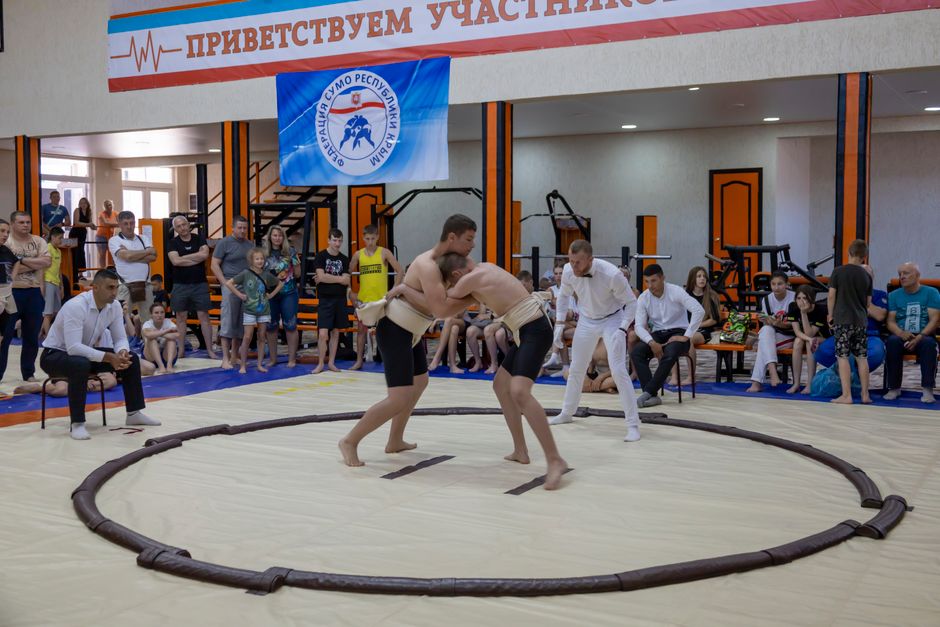
At sumo stables (heya) across Japan, wrestlers begin their day between 5:00 and 6:00 AM without consuming any food. The junior wrestlers wake first to prepare the training area and assist their seniors, while higher-ranked wrestlers may sleep until 7:00 AM. Training starts immediately upon waking and continues for four to six hours without any nutritional intake—not even a light snack or energy drink.
This fasted training includes shiko (leg stomping exercises), with wrestlers performing 300-500 repetitions to build leg strength and flexibility. They also practice butsukari-geiko, where junior wrestlers repeatedly charge into senior wrestlers who absorb the impact, building core stability and explosive power. The teppo exercise involves striking wooden poles thousands of times to condition the hands and arms. All of this occurs while the body runs on zero calories from the current day.
The physiological reasoning behind this practice stems from traditional knowledge that has some support in modern metabolic science. Training in a fasted state depletes glycogen stores and forces the body into a catabolic state. When wrestlers finally eat their first meal, their bodies respond by storing nutrients more efficiently, particularly as fat rather than lean muscle. This mechanism helps wrestlers achieve the substantial body mass considered advantageous in sumo, where weight classes do not exist.
Chanko-Nabe: The Foundation of Sumo Nutrition
Around 11:00 AM or noon, after morning training concludes, wrestlers consume their first meal: chanko-nabe. This hot pot dish is not a single recipe but a category of hearty stews that vary by stable and season. A typical chanko-nabe contains chicken or fish (four-legged meat was traditionally avoided based on the superstition that wrestlers should not touch the ground with four limbs), tofu, vegetables like Chinese cabbage and mushrooms, and a rich broth flavored with miso, soy sauce, or salt.
The portions consumed would astound most people. A single wrestler might eat four to six large bowls of chanko-nabe in one sitting, accompanied by multiple bowls of rice—sometimes five or six bowls containing 200-300 grams of rice each. This first meal alone can deliver 5,000-7,000 calories. The Tomozuna stable in Tokyo, home to several top-division wrestlers, prepares chanko-nabe in enormous 50-liter pots to feed approximately 20 wrestlers.
Junior wrestlers are responsible for cooking chanko-nabe under the supervision of retired wrestlers or designated cooks. The recipes passed down through stables are closely guarded traditions, with some stables claiming their specific chanko-nabe formulations contribute to better tournament performance. Chanko Tomoegata, a restaurant in Tokyo's Ryogoku district run by former wrestlers, serves authentic stable recipes and reports that a single tourist portion is approximately one-fifth of what an active wrestler consumes.
The Strategic Afternoon Nap
After the massive lunch, wrestlers engage in what might be the most misunderstood aspect of their routine: a mandatory nap lasting two to three hours. This is not laziness but calculated weight management. When the body is at rest immediately after consuming thousands of calories, the metabolic rate remains low, and nutrient absorption prioritizes fat storage over energy expenditure.
Sleep after eating also triggers the release of growth hormone and insulin, creating an anabolic environment that promotes tissue growth. Research from Japan's National Institute of Fitness and Sports in Kanoya has shown that this eating-sleeping pattern, combined with intense morning training, creates a unique metabolic profile that differs significantly from typical athlete physiology. The study found that sumo wrestlers have higher subcutaneous fat percentages but often maintain better insulin sensitivity than non-athletes of comparable weight, likely due to their intense training demands.
During these afternoon rest periods, stables become remarkably quiet. Senior wrestlers have private rooms, while junior wrestlers sleep in communal areas. The silence is enforced—younger wrestlers face punishment if they disturb their seniors' rest. This recovery period is considered as important as the training itself in the traditional sumo system.
Evening Training and the Second Meal
Wrestlers rise from their naps around 4:00 or 5:00 PM and engage in lighter afternoon activities. This might include additional technique practice, weight training (a modern addition to traditional training methods), or walking exercises to aid digestion. The evening session is significantly less intense than the morning marathon, typically lasting one to two hours.
The second and final meal of the day occurs around 6:00 or 7:00 PM. While chanko-nabe often appears again, this meal includes more variety. Wrestlers consume rice bowls, grilled fish, sashimi, vegetable dishes, and sometimes Western foods like steak or fried chicken. Former yokozuna (grand champion) Akebono, who weighed 514 pounds during his career, reportedly consumed an additional 20 pieces of sushi and multiple bowls of ice cream after his evening chanko-nabe.
The evening meal typically contains 3,000-5,000 calories, bringing the daily total to 8,000-12,000 calories—approximately four to six times the intake of an average adult male. Top-division wrestler Takakeisho, who competes at around 370 pounds, has stated in interviews that his stable consumes approximately 50 kilograms (110 pounds) of rice per week for about 15 wrestlers, averaging roughly 1 kilogram per wrestler every two days.
Health Implications and Life After Sumo
The extreme dietary regimen that sumo wrestlers follow creates serious health challenges. Studies published in the Journal of Sports Medicine have found that active sumo wrestlers show elevated risks for type 2 diabetes, cardiovascular disease, and liver problems. The average life expectancy for former professional sumo wrestlers is approximately 60-65 years, roughly 10-15 years shorter than the general Japanese male population.
However, the health picture is more nuanced than simple obesity comparisons suggest. Active wrestlers maintain surprising cardiovascular fitness despite their size—their hearts and lungs adapt to support their massive frames during intense training. The greatest health crisis occurs after retirement, when wrestlers must rapidly lose weight while their metabolisms remain adapted to the extreme eating schedule. Former ozeki Konishiki, who weighed 633 pounds at his peak, has spoken publicly about struggling with weight loss and health issues after retirement.
Modern sumo stables increasingly incorporate medical monitoring and nutritional guidance. The Japan Sumo Association now requires regular health screenings, and some progressive stables employ nutritionists who adjust traditional chanko-nabe recipes to include more vegetables and lean proteins. These modifications attempt to preserve the weight-gaining effects while reducing long-term health damage, though traditional coaches sometimes resist these innovations as contrary to sumo's cultural heritage.
Why This System Persists in Modern Sports
Despite clear health concerns and the evolution of sports science, the sumo wrestler's strict daily routine including no breakfast remains largely unchanged after centuries. The system persists because it demonstrably works for the sport's specific requirements. In sumo, mass provides legitimate competitive advantages—heavier wrestlers are harder to push out of the ring, and body weight can be leveraged for powerful throwing techniques.
The traditional schedule also serves cultural and hierarchical functions within the stable system. Junior wrestlers who prepare meals and serve seniors learn discipline and respect, core values in Japanese sports culture. The shared meals reinforce stable bonding and loyalty. When wrestlers eventually leave their stables, they often express that the routine taught them perseverance and mental toughness that transcended sports.
Additionally, the uniqueness of the lifestyle creates a distinct sumo identity. Wrestlers are instantly recognizable in public, which reinforces the sport's cultural significance in Japan. The ritualistic nature of the daily schedule connects modern practitioners to centuries of tradition, maintaining sumo's status as not merely a sport but a living cultural practice. The Sumo Museum in Tokyo displays artifacts showing that Edo-period wrestlers followed remarkably similar daily patterns, demonstrating the continuity of these practices across more than 300 years.
Frequently Asked Questions
Do sumo wrestlers ever eat breakfast?
Professional sumo wrestlers in training do not eat breakfast as part of their traditional regimen designed to maximize weight gain. However, retired wrestlers and those on vacation from training may eat breakfast, and some modern stables allow light morning meals for wrestlers with specific medical needs.
How many calories does a sumo wrestler eat per day?
Active professional sumo wrestlers consume between 8,000 and 12,000 calories daily, spread across two large meals. Top-division wrestlers and those actively trying to gain weight may exceed 12,000 calories, while smaller wrestlers in lower divisions might consume closer to 6,000-8,000 calories.
What happens to sumo wrestlers when they retire?
Retired sumo wrestlers face significant health challenges as they attempt to lose weight, often shedding 100-200 pounds in the first few years after retirement. Many develop diabetes, joint problems, and cardiovascular issues, contributing to a reduced life expectancy compared to the general population.
Can anyone gain weight using the sumo wrestler diet method?
While skipping breakfast and eating large meals would likely cause weight gain in most people, the sumo approach is not recommended outside the context of their extreme training regimen. Without the intense daily physical activity that wrestlers perform, this eating pattern would likely cause rapid unhealthy weight gain and metabolic problems.
Key Takeaways
- Sumo wrestlers deliberately skip breakfast and train for 4-6 hours on an empty stomach to slow their metabolism and maximize weight gain from subsequent meals.
- The two-meal daily structure centers on chanko-nabe, a protein-rich stew consumed in enormous quantities (5,000+ calories per meal) followed by mandatory rest periods to optimize fat storage.
- Despite maintaining fitness during active careers, the extreme dietary regimen creates serious long-term health risks, reducing average life expectancy by 10-15 years compared to the general Japanese population.
- This centuries-old routine persists because it effectively builds the body mass required for competitive sumo while reinforcing cultural traditions and hierarchical values within the stable system.