
9 Surprising Facts About Game Show Buzzer Technology
By Trivia Daily, Staff Writer — Published September 25, 2026
Table of Contents
- Key Takeaways
- The Engineering Behind Game Show Buzzer Systems
- Physical Design and Contestant Performance
- Frequently Asked Questions
That distinctive electronic beep cutting through studio applause has become one of television’s most recognizable sounds. Game show buzzers might seem simple—press a button, make a noise—but the technology behind these devices is far more sophisticated than most viewers realize. From lockout mechanisms that determine winners in milliseconds to custom-designed systems that prevent cheating, the humble game show buzzer represents decades of engineering innovation tailored to the unique demands of competitive television.
Behind every contestant’s triumphant ring-in lies a world of electrical precision, split-second timing, and fascinating mechanical ingenuity. These facts reveal the surprising complexity hidden inside those colorful podium buttons.
Key Takeaways
- Modern game show buzzers can detect and register responses within 1-2 milliseconds, faster than human perception can distinguish.
- Lockout systems prevent all other contestants from buzzing once the first button is pressed, ensuring fair competition.
- Professional game show buzzer systems cost thousands of dollars and are custom-engineered for specific programs.
- The physical design of buzzer buttons significantly affects contestant performance and reaction times.
- Buzzer technology evolved from simple mechanical switches to sophisticated electronic systems with redundant backups.
- Some game shows deliberately introduce slight delays to prevent contestants from anticipating questions.
The Engineering Behind Game Show Buzzer Systems
Professional game show buzzers operate on lockout technology that determines a winner in timeframes measured in milliseconds. When a contestant presses their button, the system immediately sends an electrical signal to a central control unit that simultaneously performs two critical functions: it registers which contestant buzzed first and instantly disables all other buzzers. This lockout mechanism must work flawlessly because even a few milliseconds of delay could allow multiple contestants to register simultaneously, creating disputes impossible to resolve fairly.
The control units used in major network game shows contain redundant systems. If the primary circuit fails, backup systems automatically engage to prevent show-stopping technical failures during live or taped productions. These units also feed data to multiple outputs—sending signals to the host’s podium display, the studio’s light and sound systems, and the production control room simultaneously. Engineers design these systems with entertainment production in mind, where reliability isn’t just preferred but absolutely essential.
Physical Design and Contestant Performance
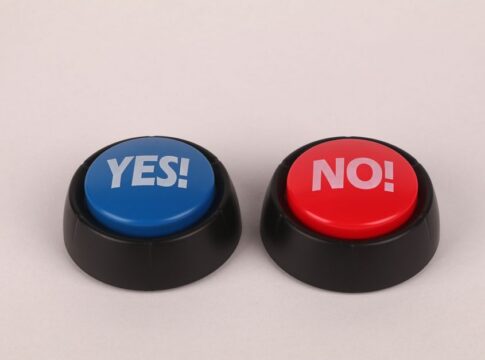
The shape, size, and resistance of buzzer buttons dramatically influence how quickly contestants can respond. Large, flat buttons allow contestants to rest their fingers or hands directly on the surface, minimizing the physical distance their hand must travel to activate the switch. This design choice can shave crucial milliseconds off response times. Conversely, smaller buttons or those requiring more forceful activation create a physical barrier that slows reactions.
Button resistance—the amount of pressure required to trigger the switch—varies considerably across different game show designs. Some programs use hair-trigger switches requiring only the lightest touch, while others employ buttons with deliberate resistance to prevent accidental activation. The choice reflects each show’s philosophy about the role of physical dexterity versus pure knowledge in determining winners.
1. Millisecond Precision Determines Champions
Modern game show buzzer systems can differentiate between contestants who press their buttons within 1-2 milliseconds of each other—a timeframe far shorter than human perception can distinguish. This extreme precision becomes critical in high-stakes competitions where knowledge levels among contestants are nearly equal, and victory often depends on reaction speed rather than knowing the answer first. The electronic components inside professional systems can process these signals and determine a winner faster than the human eye can register movement, making the technology itself an invisible but crucial referee in competitive television.
2. Lockout Mechanisms Prevent Chaos
The instant a buzzer registers a press, lockout circuitry disables all other contestant inputs until the system resets. Without this technology, multiple contestants could buzz in simultaneously, creating impossible judging scenarios. Early game shows using primitive buzzer systems occasionally experienced exactly this problem, with producers forced to declare ties or make arbitrary decisions when they couldn’t determine who actually buzzed first. Modern lockout systems eliminate this chaos entirely, though they introduce a new challenge: contestants who anticipate questions and buzz too early may lock themselves out before they’ve even heard the complete question.
3. Custom Engineering for Each Show
Major game shows don’t purchase off-the-shelf buzzer systems. Production companies commission custom-engineered solutions tailored to each program’s specific requirements, set design, and competitive format. A show requiring contestants to stand uses different ergonomic considerations than one where they sit. Programs with multiple rounds might need systems that can easily reconfigure for different numbers of contestants. These custom systems can cost tens of thousands of dollars, representing significant investments in technology most viewers never consciously notice.
4. Anti-Cheating Safeguards Are Built In
Professional buzzer systems incorporate multiple safeguards against cheating or gaming the system. Some shows introduce randomized delays between when the host finishes reading a question and when the buzzers activate, preventing contestants from developing a rhythm they could exploit. Others include sensors that detect if a contestant is resting excessive pressure on their button, trying to gain a micro-advantage by pre-loading the switch. The systems log every button press with precise timestamps, creating an audit trail that producers can review if disputes arise about who buzzed first.
5. Backup Systems Prevent Production Disasters
Because buzzer failures would halt production entirely, professional systems include redundant components throughout their architecture. Dual power supplies ensure that electrical problems don’t disable the system. Parallel signal pathways mean that if one circuit fails, another immediately takes over without contestants or audiences noticing any interruption. Some high-budget productions maintain complete backup buzzer systems ready to swap in if the primary system experiences catastrophic failure. This redundancy reflects television production’s unforgiving economics, where delays cost thousands of dollars per minute in crew time and studio rental.
6. Sound and Light Integration Requires Coordination
The buzzer system must coordinate perfectly with studio lighting and sound equipment to create the immediate feedback contestants and audiences expect. When a contestant buzzes, the system simultaneously triggers their podium light, sends an audio signal to the studio speakers, updates the host’s display, and often activates cameras to automatically focus on the contestant who buzzed. This multi-system coordination happens through sophisticated control protocols that ensure all elements activate in perfect synchronization, creating the seamless experience viewers see on screen.
7. Wireless Systems Introduced New Challenges
Some modern game shows use wireless buzzer technology, eliminating the cables that traditionally connected contestant podiums to the central control unit. While this offers flexibility in set design and easier contestant movement, wireless systems introduce potential vulnerabilities. Radio frequency interference from other studio equipment, audience member devices, or even outside sources could theoretically disrupt signals. Engineers address these concerns through frequency-hopping technology, encrypted signals, and redundant wireless channels that automatically switch if interference is detected on the primary frequency.
8. Tactile Feedback Affects Contestant Confidence
Beyond simply registering a press, well-designed game show buzzers provide immediate tactile feedback—a subtle click or resistance change that confirms the button has been activated. This physical confirmation helps contestants know their attempt registered without having to look away from the host or game board to check their podium light. The absence of clear tactile feedback can create hesitation, with contestants pressing multiple times or experiencing uncertainty that degrades their performance. The best systems deliver unmistakable physical confirmation the instant the switch activates.
9. Testing and Calibration Happens Before Every Show
Production crews test and calibrate buzzer systems before every taping session, verifying that all buttons respond correctly and lockout mechanisms function properly. Technicians check response times across all podiums to ensure no contestant has an unfair advantage from slightly faster hardware. They verify that audio and visual feedback systems activate correctly and that timing logs record accurately. This pre-show ritual ensures that when cameras roll, the technology performs flawlessly, allowing the competition to focus on contestant knowledge and quick thinking rather than equipment failures.
Frequently Asked Questions
How fast do game show buzzers register a press?
Professional game show buzzer systems register button presses within 1-2 milliseconds and can differentiate between contestants who buzz within that incredibly narrow timeframe. This precision ensures fair determination of who buzzed first even when multiple contestants react nearly simultaneously.
Can contestants buzz in before the question is finished?
Most game shows allow contestants to buzz at any time once the question begins, though buzzing too early means answering without hearing the complete question. Some shows introduce delays or penalties for buzzing before specific moments to discourage pure guessing and reward actual knowledge.
What happens if a buzzer malfunctions during a show?
Professional productions maintain backup buzzer systems and redundant components specifically to prevent malfunctions from halting production. If a contestant’s buzzer fails, producers typically stop taping, verify the problem, and either repair it immediately or re-tape the affected portion of the episode.
Do all contestants have exactly the same buzzer setup?
Yes, professional game shows ensure all contestant buzzers are identical and calibrated to respond with the same sensitivity and speed. Technicians test each podium before taping to verify no contestant has an equipment advantage, maintaining the fairness essential to competitive television.
The next time you watch contestants racing to ring in, remember that beneath those simple button presses lies a world of electrical engineering, precision timing, and carefully designed systems working invisibly to ensure every competition remains fair. That split-second beep represents far more technology than meets the eye.