

















1 / 20 Questions
0 Points

How many colonies originally declared independence from Britain?

11

12

14

13

Points won
0
Correct score
0%

More Quizzes

More Articles

The Most Unusual Instruments Ever Used in Music

The Most Unusual Instruments Ever Used in Music

⏱️ 5 min read

Throughout history, musicians have pushed the boundaries of sound by incorporating unconventional objects and inventions into their compositions. From everyday household items to bizarre contraptions designed specifically for musical purposes, these unusual instruments have expanded our understanding of what music can be. While traditional instruments like pianos and guitars dominate concert halls, some of the most memorable and innovative sounds in music history have come from the most unexpected sources.

The Theremin: Music Without Touch

Invented by Russian physicist Léon Theremin in 1920, the theremin stands as one of the earliest electronic instruments and certainly one of the strangest. This device produces ethereal, otherworldly sounds without the musician ever touching it. Players manipulate two metal antennas by moving their hands through the electromagnetic fields surrounding them—one antenna controls pitch while the other controls volume. The theremin's haunting sound has been featured in classic science fiction films, Beach Boys recordings, and Led Zeppelin's "Whole Lotta Love." Its difficulty to master and unique sonic character have kept it relatively rare, though it remains a fascinating example of music technology meeting performance art.

The Glass Armonica: Benjamin Franklin's Musical Innovation

Benjamin Franklin wasn't just a founding father and inventor of bifocals—he also created a mesmerizing musical instrument in 1761. The glass armonica consists of glass bowls of different sizes mounted horizontally on a rotating spindle. Musicians wet their fingers and touch the spinning glass to produce clear, bell-like tones. Mozart, Beethoven, and other classical composers wrote pieces specifically for this instrument. The glass armonica's popularity declined in the 19th century partly due to unfounded rumors that its high-pitched frequencies caused madness in players and listeners. Today, only a handful of musicians worldwide have mastered this delicate and hauntingly beautiful instrument.

Everyday Objects Transformed Into Instruments

The Vegetable Orchestra

The Vienna Vegetable Orchestra takes the concept of organic music literally. This Austrian ensemble creates instruments entirely from fresh vegetables purchased on the day of each performance. Carrot flutes, pumpkin drums, leek violins, and cucumber xylophones produce surprisingly sophisticated sounds. After each concert, the remaining vegetables are made into soup for the audience. This innovative approach challenges traditional notions about what constitutes a musical instrument and highlights the acoustic properties hidden in everyday produce.

The Hydraulophone

The hydraulophone represents a unique category of instruments: those played by touching or blocking water jets. Invented by Steve Mann in the early 2000s, this instrument produces sound through water pressure and vibration. Players cover various water jets with their fingers, creating melodic tones through fluid dynamics. Several public installations exist worldwide, allowing anyone to experience making music through water. The hydraulophone demonstrates that musical innovation continues to find new physical mediums for expression.

Industrial and Found Sound Instruments

The Great Stalacpipe Organ

Located in Virginia's Luray Caverns, the Great Stalacpipe Organ is one of the world's largest musical instruments, spanning 3.5 acres. Created by scientist Leland Sprinkle in 1956, this extraordinary instrument uses rubber mallets to gently strike stalactites throughout the cave system, producing bell-like tones. Each stalactite was carefully selected for its pitch, and the instrument took three years to complete. Visitors can hear concerts on this natural lithophone, where the cave itself becomes both instrument and concert hall.

The Singing Tesla Coil

Tesla coils, typically associated with electrical demonstrations, have been modified to produce music through controlled lightning. By modulating the electrical discharge frequency, these high-voltage devices can generate musical tones and even play melodies. The resulting performance combines visual spectacle with electronic music, as purple electrical arcs dance in time with the audio. Groups like ArcAttack have built careers around performing with these electrifying instruments, demonstrating that even dangerous electrical equipment can be harnessed for artistic expression.

Experimental Mechanical Instruments

The Zeusaphone and Plasma Speakers

Building on plasma-based sound generation, engineers have developed various instruments that use ionized gas to produce audio. These devices modulate electrical plasma to create pressure waves in the air, effectively turning electricity into sound without traditional speakers. The technology showcases how sound production need not rely on conventional vibrating surfaces or membranes.

The Sharpsichord

Henry Dagg's Sharpsichord represents modern instrument-making at its most whimsical. This massive wooden construction resembles a cross between a harp and a keyboard, featuring 11,520 moving parts. Strings are plucked by individual mechanisms activated by the keyboard, creating a sound between a harpsichord and a harp. Featured in the film "Paddington 2," this instrument demonstrates that traditional acoustic principles can still yield new and surprising results.

Musical Instruments from Nature

The Subterranean Tree Roots Organ consists of tree roots connected to electronic sensors that translate their bio-electric signals into sound. Artists and scientists have also created instruments using bee sounds, whale song recordings, and even plant electrical activity. These bio-instruments blur the line between natural phenomena and musical composition, suggesting that music exists all around us if we develop the right tools to perceive and amplify it.

The Legacy of Unusual Instruments

These unconventional instruments serve purposes beyond novelty. They challenge our assumptions about music creation, expand the palette of available sounds, and inspire new generations of musicians and inventors. Many experimental instruments eventually influence mainstream music production, with their unique sounds sampled and incorporated into popular recordings. The theremin's influence on electronic music, for instance, cannot be overstated. As technology advances and artists continue seeking new forms of expression, the boundaries of what constitutes a musical instrument will continue to expand, ensuring that the tradition of unusual instruments remains vibrant and relevant.
Why Swimmers Shave Their Bodies

Why Swimmers Shave Their Bodies

⏱️ 5 min read

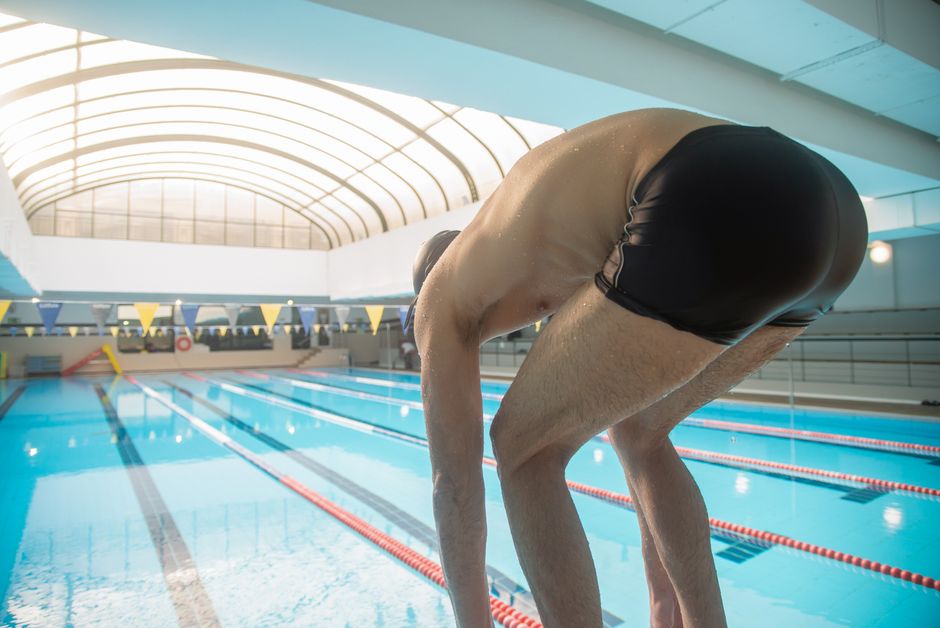
The sight of elite swimmers with completely hairless bodies has become synonymous with competitive swimming. This practice, deeply embedded in swimming culture, goes far beyond aesthetics or simple tradition. Body shaving represents a strategic performance enhancement technique backed by both scientific research and decades of anecdotal evidence from the world's fastest swimmers. Understanding why swimmers commit to this pre-competition ritual reveals fascinating insights into the pursuit of marginal gains in a sport where victories are often determined by fractions of a second.

The Science of Reduced Drag and Hydrodynamics

Water resistance, or drag, is the primary force that swimmers must overcome to move through the pool efficiently. Body hair, though seemingly insignificant, creates additional surface friction that increases drag. When water flows over hairy skin, it creates turbulence in the boundary layer—the thin layer of water directly adjacent to the skin. This turbulence requires swimmers to expend more energy to maintain the same speed.

Research conducted in competitive swimming laboratories has demonstrated measurable reductions in passive drag when body hair is removed. Studies using flume tanks and towing systems have shown that shaved swimmers experience 3-7% less resistance compared to their unshaved counterparts. While this percentage might seem modest, in elite competition where races are won by hundredths of a second, these gains become critically important.

The effect is particularly pronounced in longer races where accumulated drag over thousands of strokes can significantly impact finishing times. The smoother surface allows water to flow more laminar over the body, reducing the energy required for propulsion and allowing swimmers to maintain higher speeds with the same effort level.

Enhanced Tactile Sensitivity in Water

Beyond pure hydrodynamics, body shaving provides swimmers with heightened sensory feedback during their time in the water. Without hair interfering with nerve endings, swimmers report experiencing a more intimate connection with the water itself. This enhanced sensitivity allows for better proprioception—the awareness of body position and movement through space.

Experienced swimmers describe being able to "feel" the water more acutely after shaving, which helps them make micro-adjustments to their technique. This improved feedback mechanism enables swimmers to detect subtle changes in their body position, stroke efficiency, and overall streamlining. The enhanced tactile awareness can lead to better catch phases in the stroke, improved body rotation, and more effective underwater dolphin kicks.

The Psychological Edge and Peak Performance Mindset

The mental and psychological benefits of shaving may rival or even exceed the physical advantages. For competitive swimmers, the shaving ritual marks the transition from regular training mode to championship performance mode. This ceremonial aspect serves as a powerful psychological trigger that signals the body and mind that peak performance is imminent.

Many swimmers report feeling faster, lighter, and more streamlined immediately after shaving, even before entering the water. This psychological boost creates a positive feedback loop that can enhance confidence and reduce pre-race anxiety. The placebo effect, while often dismissed, represents a genuine performance enhancer when an athlete genuinely believes they have optimized their competitive readiness.

Team shaving parties before major championships have become tradition in swimming programs worldwide. These bonding experiences strengthen team cohesion and create shared rituals that unite swimmers in their common goal of peak performance.

Timing Strategies for Optimal Results

Strategic timing of body shaving has evolved into a sophisticated practice within competitive swimming. Most elite swimmers maintain regular shaving schedules leading up to major competitions, with different approaches for different body areas:

  • Primary shaving occurs 1-3 days before championship finals to maximize the sensation of reduced drag
  • Preliminary shaving of legs and arms might happen several days earlier to avoid potential skin irritation
  • Touch-up shaving immediately before finals ensures optimal smoothness at the most critical moment
  • Some swimmers maintain partial shaving throughout the season while reserving full-body shaving for peak competitions

The concept of "taper and shave" has become integral to competitive swimming preparation. Swimmers reduce training volume during the taper period while simultaneously removing body hair, allowing both physical recovery and the psychological boost of feeling fast in the water during crucial pre-competition workouts.

Technical Considerations and Best Practices

Proper shaving technique is essential to avoid skin irritation, cuts, or infections that could compromise performance. Competitive swimmers typically follow specific protocols to ensure safe and effective hair removal:

  • Using high-quality razors designed for body shaving rather than facial razors
  • Employing generous amounts of shaving gel or cream to protect skin and ensure smooth strokes
  • Shaving in the direction of hair growth initially, then against the grain for maximum smoothness
  • Taking extra care around sensitive areas like ankles, knees, and joints where skin is more vulnerable
  • Applying moisturizer after shaving to soothe skin and promote healing

Alternative Hair Removal Methods

While traditional wet shaving remains the most common approach, some swimmers explore alternative hair removal methods for longer-lasting results or reduced pre-race preparation time. Waxing provides several weeks of hair-free skin but requires advance planning and can be painful. Depilatory creams offer quick results but may cause allergic reactions or skin sensitivity issues that interfere with training.

Laser hair removal has gained popularity among professional swimmers seeking permanent or semi-permanent solutions. Though expensive and requiring multiple sessions, this approach eliminates the need for regular shaving maintenance and ensures consistently smooth skin throughout the competitive season.

The Bottom Line: Marginal Gains Matter

In elite swimming, where world records are broken by milliseconds and Olympic medals are decided by fingertip touches, no performance advantage is too small to pursue. Body shaving represents one piece of the comprehensive preparation puzzle that includes training, nutrition, mental preparation, and equipment optimization. While the practice may seem extreme to outsiders, for swimmers operating at the highest levels of competition, these accumulated marginal gains can mean the difference between standing on the podium or watching from the pool deck.