

















1 / 20 Questions
0 Points

How many trees does it take to absorb 1 ton of CO2 per year?

60

40

100

80

Points won
0
Correct score
0%

More Quizzes

More Articles

Did You Know Pizza Was Invented in Naples, Italy?

Did You Know Pizza Was Invented in Naples, Italy?

⏱️ 5 min read

When people around the world think of comfort food, pizza often tops the list. This beloved dish has become a global phenomenon, with countless variations enjoyed from New York to Tokyo. However, the authentic origins of pizza trace back to the vibrant streets of Naples, Italy, where this culinary masterpiece was born in the late 18th and early 19th centuries. Understanding pizza's Neapolitan roots provides insight into not just a dish, but a cultural treasure that has shaped food history.

The Birth of Pizza in Naples

Naples, a bustling port city in southern Italy, became the birthplace of modern pizza during a time of economic hardship and innovation. In the 1700s and early 1800s, Naples was one of the largest cities in Europe, with a substantial working-class population. Street vendors and informal restaurants called "pizzerias" began selling flatbreads topped with simple, affordable ingredients to feed the masses.

The word "pizza" itself likely derives from the Latin word "pinsa," meaning flatbread, though its exact etymology remains debated among historians. What is certain is that Neapolitan bakers transformed this simple concept into something extraordinary by adding locally available ingredients like tomatoes, cheese, oil, garlic, and anchovies.

The Tomato Revolution

A crucial turning point in pizza's evolution came with the acceptance of tomatoes in Italian cuisine. Brought to Europe from the Americas in the 16th century, tomatoes were initially viewed with suspicion and even fear, as many Europeans believed them to be poisonous. By the late 18th century, however, impoverished Neapolitans began using tomatoes as an affordable topping for their flatbreads.

The combination of dough, tomatoes, and cheese created the foundation for what we recognize as pizza today. The volcanic soil surrounding Mount Vesuvius near Naples produced exceptional tomatoes, particularly the San Marzano variety, which became prized for their sweet flavor and low acidity—perfect for pizza sauce.

Pizza Margherita: A Royal Endorsement

The most famous moment in pizza history occurred in 1889 when pizzaiolo Raffaele Esposito created a special pizza for Queen Margherita of Savoy. According to popular legend, during the queen's visit to Naples, Esposito was commissioned to prepare pizzas for the royal guest. He created three varieties, but one particularly captured the queen's favor.

This pizza featured tomatoes, mozzarella cheese, and fresh basil—ingredients that coincidentally represented the colors of the Italian flag: red, white, and green. Esposito named this creation "Pizza Margherita" in honor of the queen. This royal endorsement elevated pizza from peasant food to a dish worthy of national pride, cementing its place in Italian culinary tradition.

Characteristics of Authentic Neapolitan Pizza

True Neapolitan pizza adheres to strict guidelines that have been preserved for generations. The Associazione Verace Pizza Napoletana (True Neapolitan Pizza Association), established in 1984, maintains official standards for authentic preparation.

Essential Requirements Include:

  • Dough made exclusively from wheat flour, natural yeast, salt, and water
  • Hand-kneaded dough, never rolled with a pin or mechanical press
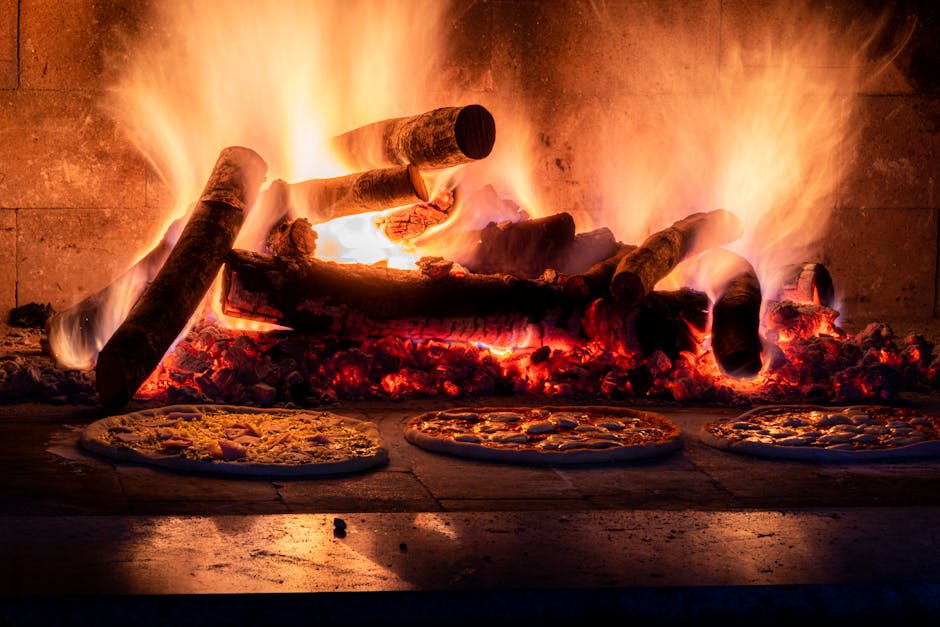
  • Cooking in a wood-fired dome oven at approximately 485°C (905°F)
  • Baking time of no more than 60-90 seconds
  • A thin center with a puffy, slightly charred crust known as the "cornicione"
  • Use of specific ingredients like San Marzano tomatoes and buffalo mozzarella

The Two Traditional Varieties

Authentic Neapolitan pizza traditionally comes in two basic varieties. The Pizza Marinara, the older of the two, features tomatoes, garlic, oregano, and extra virgin olive oil—notably without cheese. Its name doesn't refer to seafood but rather to the fishermen who would eat this simple, easily preserved pizza when returning from the sea.

The Pizza Margherita, as mentioned earlier, includes tomatoes, mozzarella cheese (traditionally fior di latte or buffalo mozzarella), fresh basil, and olive oil. These two classic preparations remain the gold standard against which all other pizzas are measured in Naples.

Naples' Lasting Pizza Culture

Walking through Naples today, pizza culture permeates every neighborhood. The city boasts hundreds of pizzerias, many of which have been family-operated for generations. Establishments like Antica Pizzeria Port'Alba, which opened in 1830 and claims to be the world's first pizzeria, continue serving customers using time-honored methods.

In 2017, UNESCO recognized "The Art of Neapolitan Pizzaiuolo" as an Intangible Cultural Heritage of Humanity. This designation acknowledges that making Neapolitan pizza involves not just culinary skill but cultural knowledge passed down through generations, encompassing specific gestures, songs, and expressions that pizzaioli (pizza makers) use in their craft.

From Naples to the World

Italian immigrants brought pizza to various parts of the world in the late 19th and early 20th centuries, particularly to the United States. Cities with large Italian populations, such as New York, Chicago, and New Haven, developed their own regional pizza styles while maintaining connections to the Neapolitan tradition.

Despite pizza's global evolution into countless variations—from deep-dish to California-style to Japanese okonomiyaki-inspired versions—Naples remains the spiritual home of pizza. Pizza enthusiasts and chefs worldwide continue to make pilgrimages to Naples to study authentic techniques and taste pizza in its birthplace.

The story of pizza's invention in Naples represents more than just culinary history; it exemplifies how simple, honest ingredients combined with skill and tradition can create something that transcends borders and generations, becoming a universal language of deliciousness enjoyed by millions daily.

16 Incredible Facts About Extreme Sports

16 Incredible Facts About Extreme Sports

⏱️ 6 min read

Extreme sports push the boundaries of human capability, combining athleticism, courage, and calculated risk-taking in ways that captivate audiences worldwide. From gravity-defying aerial maneuvers to high-speed descents down treacherous terrain, these adrenaline-fueled activities continue to evolve and challenge what we believe is possible. Here are sixteen remarkable facts that illuminate the fascinating world of extreme sports.

The Origins and Evolution of Extreme Sports

1. BASE Jumping Has the Highest Fatality Rate

BASE jumping—which stands for Building, Antenna, Span, and Earth—is statistically the most dangerous extreme sport in the world. With a fatality rate of approximately one death per 60 participants, it far exceeds the danger levels of other high-risk activities. Unlike skydiving, BASE jumpers leap from fixed objects at much lower altitudes, leaving virtually no margin for error if equipment malfunctions or conditions change unexpectedly.

2. Skateboarding Generates Over $5 Billion Annually

What began as a counterculture activity in California during the 1950s has transformed into a massive global industry. The skateboarding market generates more than $5 billion in annual revenue worldwide, encompassing equipment sales, apparel, events, and media content. This economic impact demonstrates how extreme sports have transitioned from fringe activities to mainstream cultural phenomena.

3. The Term "Extreme Sports" Was Popularized in the 1990s

While many extreme sports existed long before, the collective term "extreme sports" gained widespread recognition through the X Games, which debuted in 1995. ESPN created this multi-sport event to showcase alternative sports that were gaining popularity among younger demographics. The X Games became instrumental in legitimizing these activities and bringing them to mainstream television audiences.

Physical and Mental Demands

4. Free Solo Climbers Rely on Perfect Mental Control

Free solo climbing—ascending rock faces without ropes or safety equipment—requires extraordinary mental discipline. Research shows that elite free solo climbers like Alex Honnold exhibit reduced activity in their amygdala, the brain region responsible for processing fear. This neurological difference allows them to maintain calm focus in situations that would trigger panic responses in most people.

5. Big Wave Surfers Train to Hold Their Breath for Five Minutes

Professional big wave surfers must prepare for worst-case scenarios where they're held underwater by multiple consecutive waves. Many undergo specialized training that includes breath-holding exercises, underwater swimming, and simulated drowning scenarios. Elite athletes in this discipline can hold their breath for four to five minutes while managing the panic and disorientation of being tumbled by thousands of pounds of water pressure.

6. Motocross Riders Experience G-Forces Comparable to Fighter Pilots

During jumps and landings, motocross riders regularly experience forces of 12-15 G's—levels comparable to what fighter jet pilots endure during aerial combat maneuvers. A single race can subject riders to hundreds of these high-impact moments, requiring extraordinary core strength, cardiovascular endurance, and musculoskeletal resilience.

Record-Breaking Achievements

7. The Highest Skateboard Drop Was From 28 Feet

Professional skateboarder Danny Way holds the record for the highest skateboard drop, successfully landing a fall from 28 feet (8.53 meters) onto a quarterpipe ramp. This achievement required precise timing, body positioning, and an almost superhuman ability to absorb impact forces that would shatter bones in untrained individuals.

8. Speed Skiing Reaches Velocities Over 150 MPH

Speed skiing is one of the fastest non-motorized sports on earth, with athletes reaching speeds exceeding 150 miles per hour (241 kilometers per hour) on steep, specially-prepared courses. The current world record stands at 158.4 mph, set by Italian skier Ivan Origone. At these velocities, aerodynamics become as critical as skiing technique, with competitors wearing streamlined suits and specialized helmets.

9. Felix Baumgartner Broke the Sound Barrier in Freefall

In 2012, Austrian skydiver Felix Baumgartner jumped from a helium balloon at 128,100 feet above Earth, reaching a maximum velocity of 843.6 mph during his descent. This made him the first person to break the sound barrier without vehicular assistance, achieving Mach 1.25 while in freefall—an extraordinary intersection of extreme sports and aerospace achievement.

Safety and Technology Innovations

10. Modern Helmets Have Reduced Fatalities by 60%

Advances in helmet technology, particularly the development of MIPS (Multi-directional Impact Protection System), have dramatically improved safety outcomes in extreme sports. Studies show that proper helmet use has reduced fatal head injuries by approximately 60% in activities like mountain biking, skiing, and snowboarding over the past two decades.

11. Wingsuit Flying Allows Horizontal Travel of 2.5 Miles

Wingsuit technology has evolved to allow flyers to achieve glide ratios of 2.5:1, meaning they can travel 2.5 feet horizontally for every foot of vertical descent. This capability enables experienced pilots to cover horizontal distances of over two miles during a single jump from altitude, transforming human flight from a vertical drop into a controlled aerial navigation experience.

12. Avalanche Airbags Increase Survival Rates to 97%

Avalanche airbag systems, now standard equipment for backcountry skiers and snowboarders, have revolutionized survival rates in avalanche incidents. When deployed, these airbags help keep victims near the surface of moving snow through the principle of inverse segregation. Statistics show that proper airbag deployment increases survival rates from approximately 75% to 97%.

Cultural and Social Impact

13. Parkour Originated in French Military Training

Parkour, the discipline of moving through urban environments using only the human body, has roots in French military obstacle course training called "parcours du combattant." David Belle developed the modern practice in the 1980s by adapting his father's military training methods to urban settings, creating a movement discipline that emphasizes efficiency and fluid adaptation to obstacles.

14. Rock Climbing Became an Olympic Sport in 2020

Sport climbing made its Olympic debut at the 2020 Tokyo Games (held in 2021), marking a watershed moment for extreme sports' acceptance in traditional athletic circles. The Olympic format combines three disciplines—speed climbing, bouldering, and lead climbing—introducing millions of viewers to a sport that was once considered too niche and dangerous for mainstream recognition.

15. Women Are the Fastest-Growing Demographic in Extreme Sports

Female participation in extreme sports has increased by over 200% in the past decade, with women now representing nearly 40% of participants in sports like surfing, snowboarding, and rock climbing. This demographic shift has led to increased sponsorship opportunities, media coverage, and the development of female-specific equipment and training programs.

16. Extreme Sports Tourism Generates $263 Billion Globally

The adventure and extreme sports tourism sector has become a major economic force, generating an estimated $263 billion annually worldwide. Destinations like Queenstown, New Zealand, and Chamonix, France, have built entire economies around providing access to extreme sports activities, creating thousands of jobs and attracting millions of thrill-seekers annually.

Conclusion

These sixteen facts reveal that extreme sports represent far more than reckless thrill-seeking—they embody human innovation, athletic excellence, and our perpetual desire to test limits. From the neurological adaptations of free solo climbers to the economic impact of adventure tourism, extreme sports have woven themselves into the fabric of modern culture. As technology continues to advance and participation grows across demographics, these activities will undoubtedly continue pushing boundaries while inspiring new generations to explore what's possible when courage meets preparation. Whether viewed as athlete, spectator, or entrepreneur, the world of extreme sports offers compelling insights into human potential and our relationship with calculated risk.