











1 / 10 Questions
0 Points

In what year did the 50-star American flag design officially become the U.S. flag after Hawaii achieved statehood?

1960

1961

1959

1958

Points won
0
Correct score
0%

More Quizzes

More Articles

20 Secrets Behind Classic TV Shows

20 Secrets Behind Classic TV Shows

⏱️ 8 min read

The golden age of television brought us countless memorable shows that continue to captivate audiences decades after their original broadcasts. Behind the polished episodes and iconic moments lie fascinating stories of creative decisions, budget constraints, happy accidents, and clever problem-solving that shaped these beloved series. From wardrobe malfunctions turned into character traits to cast conflicts that nearly derailed productions, these behind-the-scenes revelations offer a deeper appreciation for the classics that defined television history.

Hidden Stories from Television's Most Iconic Programs

1. The Original Star Trek's Colorful Costume Strategy

The vibrant uniforms on Star Trek weren't just aesthetic choices—they were specifically designed to showcase NBC's new color broadcasting technology. The network had recently invested heavily in color television and wanted shows that would encourage viewers to upgrade from black-and-white sets. The bold reds, blues, and golds were deliberately saturated to demonstrate the capabilities of color TV, making Star Trek as much a technical showcase as a science fiction adventure.

2. The Brady Bunch's Missing Toilet

Despite showing one of television's most famous bathrooms, The Brady Bunch never featured a toilet on screen. Network censors deemed toilets too inappropriate for family viewing during the early 1970s. The bathroom set included a sink and shower, but the porcelain throne remained off-camera throughout the series' entire run, reflecting the strict broadcast standards of the era.

3. Gilligan's Island Star Salary Dispute

The opening credits of Gilligan's Island originally listed "and the rest" instead of naming Russell Johnson (the Professor) and Dawn Wells (Mary Ann). This wasn't an oversight but resulted from contract negotiations where the actors playing the Skipper and Mr. Howell demanded top billing. After fan outcry, the theme song was eventually re-recorded to include all seven castaways by name.

4. The Andy Griffith Show's Alcohol-Free Mayberry

Andy Griffith insisted that his character never be shown drinking alcohol on the show, and Mayberry had no bar despite being a typical American town. This decision reflected Griffith's desire to maintain the show's wholesome image and came from his personal conviction that the sheriff should serve as a role model for young viewers without any vices.

5. I Love Lucy's Groundbreaking Pregnancy Plot

When Lucille Ball became pregnant during the second season, the show made television history by incorporating her real pregnancy into the storyline. However, network censors wouldn't allow the word "pregnant" to be used on air. Instead, Lucy was described as "expecting," and a priest, minister, and rabbi reviewed each pregnancy episode to ensure nothing was deemed inappropriate for 1950s audiences.

6. The Flintstones' Prime-Time Adult Target

Despite becoming synonymous with children's programming, The Flintstones was originally created for adult audiences and aired during prime time. Early episodes featured Fred and Barney smoking Winston cigarettes (the show's sponsor) and dealt with more mature themes. The show only became associated with children's entertainment through decades of Saturday morning reruns.

7. Bewitched's Darrin Replacement Strategy

When Dick York left Bewitched due to chronic back pain, the producers made the bold decision to replace him with Dick Sargent without any explanation or acknowledgment within the show. They simply continued as if nothing had changed, betting that viewers would accept the new actor. This gamble paid off, and the show ran for three more seasons with the second Darrin.

8. The Addams Family's Snapping Solution

The iconic finger-snapping theme song of The Addams Family was created to solve a practical problem. The show's composer needed a simple, memorable musical element that would be instantly recognizable. The snapping was added during post-production and became one of television's most distinctive audio signatures, perfectly capturing the show's quirky spirit.

9. M*A*S*H's Missing Laugh Track in Surgery

Producer Larry Gelbart insisted that no laugh track be used during operating room scenes in M*A*S*H, considering it disrespectful given the serious nature of battlefield surgery. The network initially resisted, but Gelbart held firm. This decision contributed to the show's unique ability to balance comedy with dramatic weight, setting it apart from typical sitcoms.

10. The Munsters vs. The Addams Family Scheduling

Both The Munsters and The Addams Family debuted in 1964, creating an unintentional competition between two shows about monster families. The Munsters aired on CBS while The Addams Family ran on ABC. Despite similar premises, The Munsters achieved higher ratings initially, though The Addams Family has enjoyed greater longevity in popular culture and spawned more adaptations.

11. Happy Days' Leather Jacket Controversy

When Happy Days first aired, network executives worried that Fonzie's leather jacket made him look too much like a hoodlum. They initially allowed Henry Winkler to wear it only in scenes featuring his motorcycle, reasoning that it was appropriate safety gear. As Fonzie's popularity exploded, this restriction was quietly dropped, and the leather jacket became one of TV's most iconic costumes.

12. Star Trek's Reused Enterprise Footage

Due to the show's limited budget, Star Trek extensively reused special effects footage of the Enterprise. Scenes of the ship approaching planets, entering orbit, or traveling through space were recycled throughout the series with different planetary backgrounds matted in. This cost-saving measure allowed the production to allocate more resources to guest actors, alien makeup, and new sets.

13. The Twilight Zone's Anthology Format Choice

Rod Serling created The Twilight Zone as an anthology series partly to avoid network interference with ongoing storylines and character development. The standalone episode format gave him greater creative freedom to explore controversial social issues through science fiction and fantasy allegories, bypassing censors who might have objected to more direct commentary.

14. Leave It to Beaver's Real Child Perspective

The show's creators used innovative camera angles to shoot many scenes from a child's eye level, particularly in early seasons. This technique helped viewers see the world from Beaver's perspective and contributed to the show's authentic portrayal of childhood. Directors would often position cameras lower than standard height to achieve this effect.

15. The Honeymooners' Limited Episode Production

Despite its enduring popularity, only 39 official episodes of The Honeymooners were produced during its original run as a standalone series. The show began as recurring sketches on Jackie Gleason's variety show before becoming its own series for one season. These 39 episodes have been rerun continuously for nearly seven decades, demonstrating their timeless appeal.

16. Bonanza's Color-First Production

Bonanza was one of the first series produced entirely in color from its inception, another NBC initiative to promote color television sales. David Sarnoff, head of NBC's parent company RCA, which manufactured color TV sets, strategically programmed shows filmed in color to drive consumer purchases. The sweeping Ponderosa landscapes looked spectacular in color, making it a perfect showcase.

17. The Dick Van Dyke Show's Separate Beds Requirement

Network standards required married couples to sleep in separate twin beds, so Rob and Laura Petrie were shown in this unrealistic arrangement despite being a loving married couple. This restriction reflected broadcasting codes that persisted from radio days. The show pushed boundaries in other ways, but couldn't overcome this particular limitation until standards changed in later years.

18. Mission: Impossible's Self-Destructing Messages

The famous "this tape will self-destruct in five seconds" opening was created to solve a narrative problem. The writers needed a device to deliver exposition about each mission while explaining why there was no paper trail. The self-destructing tape became an iconic element that perfectly captured the show's espionage atmosphere and high-stakes secrecy.

19. Get Smart's Cone of Silence Malfunction

The Cone of Silence, which never worked properly on Get Smart, was deliberately designed to be defective. The running gag of this malfunctioning security device perfectly satirized the spy genre's high-tech gadgetry while creating consistent comedy. Writers could always rely on the Cone of Silence failing in new and amusing ways throughout the series.

20. The Fugitive's Planned Ending Rarity

The Fugitive was revolutionary for having a planned definitive ending where Dr. Richard Kimble finally proved his innocence and caught his wife's real killer. Most series of that era ran until canceled, ending without resolution. The 1967 finale drew 78 million viewers, making it the most-watched television episode up to that time, demonstrating the power of narrative closure.

The Legacy of Classic Television Production

These revelations demonstrate how creative constraints, network interference, budget limitations, and pure ingenuity shaped television's golden age. The solutions that producers, writers, and actors devised often became the most memorable aspects of these shows. Whether working around censorship restrictions, technical limitations, or unexpected cast changes, the creators of classic television turned challenges into opportunities, crafting entertainment that has endured for generations. Understanding these behind-the-scenes stories enriches our appreciation for the artistry and resourcefulness that defined an era when television was still discovering its potential as a medium. These shows weren't just products of their time—they were carefully crafted works that overcame significant obstacles to achieve lasting cultural impact.
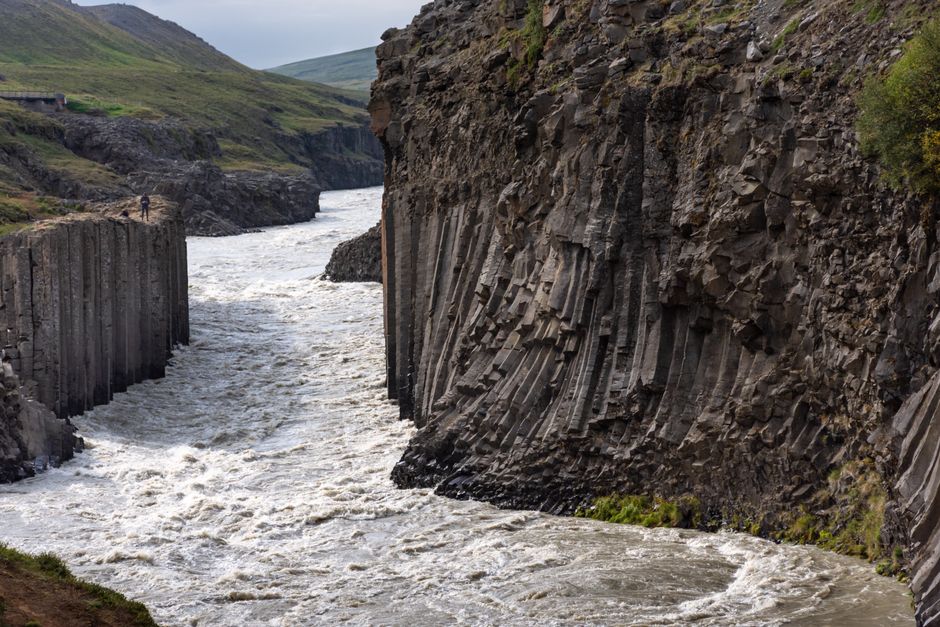
The Science Behind Why Some Rivers Flow Backwards

The Science Behind Why Some Rivers Flow Backwards

⏱️ 11 min read

In 2005, Hurricane Katrina's storm surge forced the Mississippi River to flow backwards for several hours, pushing water upstream with such force that gauges recorded negative flow rates. This phenomenon, far from being a once-in-a-century oddity, occurs more frequently than most people realize on rivers across the globe. Understanding why rivers occasionally reverse their flow reveals fundamental principles about pressure, gravity, and the delicate balance of natural systems.

Quick Facts

  • The Chicago River was permanently reversed in 1900 through engineering, now flowing away from Lake Michigan into the Mississippi River watershed.
  • Tidal bores can push ocean water up to 500 miles inland on rivers like the Amazon, creating temporary upstream flow twice daily.
  • Storm surges from hurricanes have reversed the flow of the Mississippi River multiple times in recorded history, most recently during Hurricane Isaac in 2012.
  • Glacial dam collapses can create pressure waves that temporarily reverse river flow for distances exceeding 100 kilometers.
  • The Tonle Sap River in Cambodia naturally reverses direction twice yearly, making it one of the few rivers with a predictable seasonal flow reversal.

Natural Flow Reversal Through Tidal Forces

Tidal influence represents the most common natural mechanism causing rivers to flow backwards. When ocean tides rise, they create a pressure gradient that can overpower a river's downstream momentum, particularly in rivers with gentle gradients near their mouths. The Amazon River experiences tidal effects up to 800 kilometers inland during spring tides, when the combined gravitational pull of the sun and moon creates maximum tidal range. During these events, a wall of water called a tidal bore, known locally as the "pororoca," can reach heights of 4 meters and travel upstream at speeds exceeding 20 kilometers per hour.

The Hudson River in New York demonstrates this principle on a smaller but more frequent scale. Tidal forces cause the Hudson to reverse flow twice daily for approximately 150 miles inland, reaching all the way to Troy, New York. This happens because the river's elevation gain is only about 1.5 feet over that entire distance, making it particularly susceptible to the 4-6 foot tidal variations in New York Harbor. Scientists classify such waterways as "tidal estuaries" rather than true rivers in their lower reaches, where salt and freshwater mix in a constantly shifting zone.

The Saint John River in New Brunswick, Canada, features the Reversing Falls Rapids, where tidal forces from the Bay of Fundy—which experiences the world's highest tides at up to 16 meters—create a dramatic twice-daily flow reversal. At low tide, the river flows downstream through a narrow gorge at speeds reaching 8 knots. At high tide, the incoming ocean water rises faster than the river can discharge, creating upstream flow through the same gorge with equal ferocity. This creates a brief window at tide change when the water appears almost calm before violently reversing direction.

Storm-Driven Reversals and Atmospheric Pressure

Hurricanes and major storms create temporary but dramatic river reversals through multiple mechanisms working in concert. Storm surge—the abnormal rise in water level caused by a storm—can elevate coastal water levels by 6 meters or more, creating an insurmountable pressure barrier that forces rivers backward. During Hurricane Katrina, the storm surge in the Gulf of Mexico reached 8.5 meters in some locations, pushing the Mississippi River upstream for approximately 24 hours. Flow measurements at the Belle Chasse gauge station, located 70 miles downstream from New Orleans, recorded negative flow rates as saltwater from the Gulf invaded the river channel.

Atmospheric pressure changes during intense storms contribute to this reversal effect. A hurricane's eye can feature pressure drops of 50-100 millibars below normal atmospheric pressure, effectively "pulling" water upward. Combined with wind stress—where sustained hurricane-force winds literally push surface water upstream—these factors create conditions where gravity's pull is temporarily overpowered. Hurricane Isaac in 2012 reversed the Mississippi's flow for similar duration, with some tributaries experiencing backwards flow for up to three days after the storm's passage.

The Coriolis effect also plays a subtle role in storm-driven reversals. In the Northern Hemisphere, cyclonic storms rotate counterclockwise, pushing water toward the right side of the storm's path. When hurricanes approach coastlines at certain angles, this rotational force can pile water into river mouths with sufficient force to overwhelm downstream flow. Researchers have documented this effect on rivers throughout the Gulf Coast, where the shallow continental shelf provides little resistance to storm surge propagation inland.

Engineered Reversals and Human Intervention

The Chicago River represents history's most ambitious permanent river reversal, completed in 1900 to address severe public health crises. Before reversal, the river naturally flowed into Lake Michigan, Chicago's drinking water source, carrying industrial waste and sewage that caused repeated cholera and typhoid outbreaks. Engineers constructed a series of canals and locks to reverse the river's flow, sending it into the Des Plaines River and ultimately into the Mississippi River watershed. This project moved approximately 1.5 billion gallons of water daily away from Lake Michigan, dropping the lake's level by several inches and fundamentally altering the Great Lakes hydrology.

The engineering required excavating the Chicago Sanitary and Ship Canal, which at 28 miles long and 200-300 feet wide, represented the largest earth-moving project of its era—moving more material than the Panama Canal. The reversal operates through careful management of water levels and lock systems, creating a hydraulic gradient that maintains flow away from the lake. This has prevented sewage contamination of Chicago's water supply for over 120 years, though it introduced new ecological concerns by creating a pathway for invasive species like Asian carp to potentially reach the Great Lakes.

Russia's proposed but never-completed reversal of Siberian rivers represents the most audacious river reversal scheme ever conceived. Soviet planners in the 1960s designed a project to divert water from northward-flowing rivers like the Ob and Irtysh, sending it south to irrigate Central Asian deserts. The plan would have required 2,000 kilometers of canals, pumping stations lifting water 300 meters uphill, and the displacement of thousands of residents. Scientists eventually convinced the government that disrupting Arctic Ocean salinity patterns could trigger catastrophic climate effects, leading to the project's cancellation in 1986.

Seasonal and Geological Reversals

The Tonle Sap River in Cambodia executes the world's most dramatic natural seasonal flow reversal, changing direction twice annually in a predictable cycle linked to monsoon patterns. During the dry season from November to May, the river flows southward from Tonle Sap Lake into the Mekong River, dropping the lake's surface area from 16,000 square kilometers to just 2,500 square kilometers. When monsoon rains swell the Mekong from June through October, the rising water level forces the Tonle Sap to reverse direction, flowing northward and refilling the lake to create one of the world's most productive freshwater fisheries, yielding approximately 300,000 tons of fish annually.

This reversal occurs because the Mekong's wet season discharge increases by a factor of 50-60 times compared to dry season flow, creating a massive pressure differential. At peak flow, the Mekong discharges 40,000 cubic meters per second past Phnom Penh, where it meets the Tonle Sap River. This volume overwhelms the Tonle Sap's modest dry-season flow of about 40 cubic meters per second, forcing complete reversal. The system has operated this way for millennia, and local populations have synchronized their agricultural and fishing practices to this unique hydrological rhythm.

Glacial lake outburst floods (GLOFs) can create temporary river reversals extending hundreds of kilometers upstream. When ice dams or moraine walls fail, they release catastrophic volumes of water in hours or days. The 1996 GLOF in Iceland's Skeiðarársandur region released approximately 50,000 cubic meters per second, creating hydraulic shockwaves that temporarily reversed flow in tributary streams. The sheer volume and velocity of these floods creates a pressure wave that moves faster than normal river flow, pushing existing water backward before the main flood surge arrives.

The Physics of Flow Reversal

Understanding why rivers flow backwards requires examining the fundamental equation governing river flow: the hydraulic gradient. Normal downstream flow occurs when gravitational potential energy exceeds all resisting forces, including friction with the riverbed and banks, atmospheric pressure, and water viscosity. A river's slope, or gradient, typically measures between 0.0001 (very flat) and 0.01 (steep mountain stream) in dimensionless units, with most large rivers near the lower end of this range.

Flow reversal occurs when an external force creates a hydraulic gradient exceeding the gravitational gradient in the opposite direction. During a tidal event, for example, water level at the river mouth might rise 3 meters in 6 hours. If the river's natural gradient would only cause a 0.5 meter drop over that distance, the tidal rise creates a 2.5 meter surplus driving upstream flow. The Froude number, which compares flow velocity to wave propagation speed, becomes negative during reversals, indicating that disturbances move faster upstream than the water can drain downstream.

Momentum transfer plays a crucial role in sustaining reversed flow once initiated. Water possesses considerable inertia—a river flowing at 2 meters per second cannot stop instantaneously when encountering opposing pressure. Instead, the leading edge of reversed flow creates turbulence that progressively slows, stops, and eventually reverses the downstream flow. This process propagates upstream as a density current, where heavier saltwater (during tidal reversals) or sediment-laden floodwater (during storm reversals) flows beneath lighter freshwater like a wedge, creating stratified flow conditions that can persist for hours or days after the initial forcing event ends.

Ecological and Environmental Consequences

River flow reversals trigger profound ecological effects, particularly in fish populations that rely on directional cues for migration. Salmon and other anadromous species navigate using a combination of magnetic sensing, olfactory detection, and flow patterns. During the 2012 Hurricane Isaac reversal of the Mississippi, biologists documented disoriented fish swimming in circles near river mouths, unable to resolve the conflicting environmental signals. Some species, however, have adapted to predictable reversals—fish in the Tonle Sap system time their breeding cycles to the annual flow change, using the reversal as a cue to migrate into flooded forests where juveniles find abundant food and shelter.

Sediment transport dynamics shift dramatically during flow reversals. Normal downstream flow carries particles ranging from fine clay to coarse gravel, sorted by water velocity according to Stokes' Law. When flow reverses, this sorted material begins moving back upstream, but typically at lower velocities insufficient to transport the coarsest material. This creates distinctive sedimentary structures that geologists use to identify ancient tidal environments in rock formations. The Mississippi River reversals have deposited Gulf saltwater and marine sediments up to 100 kilometers inland, creating salinity spikes that stress freshwater ecosystems and damage agricultural lands.

Water quality deteriorates during reversals as stratification prevents normal mixing and oxygenation. When denser saltwater or sediment-laden water flows beneath lighter freshwater, it creates a pycnocline—a boundary layer that inhibits vertical mixing. Dissolved oxygen levels in the lower layer can drop precipitously within hours, creating hypoxic or anoxic conditions that kill bottom-dwelling organisms. Following Hurricane Katrina, researchers measured oxygen levels below 2 milligrams per liter in lower Mississippi waters—far below the 5 milligrams per liter threshold needed for most aquatic life—conditions that persisted for weeks in some backwater areas.

Frequently Asked Questions

Can rivers permanently flow backwards naturally?

While most natural flow reversals are temporary, the Tonle Sap River in Cambodia naturally reverses direction twice annually as a permanent feature of its hydrology, making it the only major river with predictable seasonal bidirectional flow. Other permanent reversals require human engineering, like the Chicago River.

How far upstream can a river flow backwards?

The distance varies dramatically by mechanism—tidal effects can extend 500+ miles on low-gradient rivers like the Amazon, while storm surge reversals typically affect 50-150 kilometers of river length. Glacial outburst floods have created temporary reversals exceeding 100 kilometers in steep terrain.

Does climate change affect river flow reversals?

Yes, climate change intensifies hurricanes and increases storm surge heights, making severe reversals more frequent and extensive. Rising sea levels also allow tidal influences to penetrate further inland, expanding the geographic range where rivers experience regular tidal reversals.

What is the fastest recorded river flow reversal?

Tidal bores on the Amazon River can reverse flow direction within minutes, with the leading edge of reversed flow traveling upstream at speeds exceeding 20 kilometers per hour. Storm-driven reversals typically take several hours to fully establish as the pressure gradient propagates upstream.

Key Takeaways

  • Rivers flow backwards when external forces—tidal pressure, storm surge, or engineered interventions—create hydraulic gradients that overpower gravity's downstream pull, with the effect most pronounced on low-gradient rivers near sea level.
  • The Chicago River remains the world's largest permanently reversed river through engineering, while Cambodia's Tonle Sap River executes the most dramatic natural seasonal reversal, changing direction twice yearly in response to monsoon patterns on the Mekong River.
  • Flow reversals trigger cascading ecological effects including fish disorientation, sediment transport changes, stratification-induced oxygen depletion, and saltwater intrusion that can persist for weeks after normal flow resumes.
  • Climate change is increasing both the frequency and severity of storm-driven reversals while sea-level rise extends tidal influence further upstream, expanding the geographic range where backwards flow occurs regularly.