

















1 / 20 Questions
0 Points

In which year was the first chocolate bar created?

1847

1856

1862

1871

Points won
0
Correct score
0%

More Quizzes

More Articles

Why Leaves Change Color in Autumn

Why Leaves Change Color in Autumn

⏱️ 5 min read

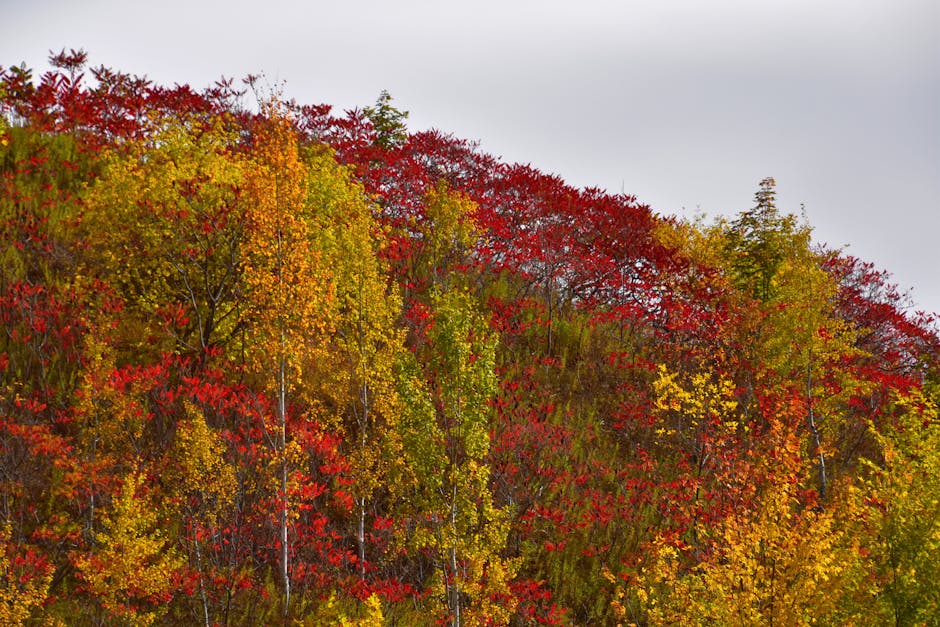
As summer transitions into autumn, forests and landscapes undergo one of nature's most spectacular transformations. The lush green canopies that dominated the warmer months give way to brilliant displays of red, orange, yellow, and purple. This annual phenomenon has captivated observers for centuries, but the science behind this color change reveals a complex interplay of biological processes, environmental factors, and chemical reactions that occur within every leaf.

The Role of Chlorophyll in Leaf Coloration

During the growing season, leaves function as highly efficient food factories for trees and plants. The dominant pigment responsible for the green color of leaves is chlorophyll, which plays a crucial role in photosynthesis—the process by which plants convert sunlight, water, and carbon dioxide into glucose and oxygen. Chlorophyll is so abundant during spring and summer that it masks all other pigments present in the leaf tissue.

Chlorophyll molecules are relatively unstable and break down continuously throughout the growing season. Trees constantly produce new chlorophyll to replace what is lost, maintaining the vibrant green appearance of healthy foliage. However, this production process requires considerable energy and resources, along with adequate sunlight and warm temperatures. As autumn approaches and environmental conditions change, the balance shifts dramatically.

Triggering the Transformation: Environmental Signals

The changing colors of autumn are triggered primarily by two environmental factors: decreasing daylight hours and cooler temperatures. As the autumnal equinox passes, days become noticeably shorter, and this reduction in daylight serves as a critical signal to deciduous trees that winter is approaching. Trees are remarkably sensitive to photoperiod—the length of day versus night—and this sensitivity acts as a reliable indicator of seasonal change that is independent of year-to-year temperature variations.

When trees detect shorter days, they begin preparing for winter dormancy by initiating a process called abscission. A special layer of cells, known as the abscission layer, forms at the base of each leaf stem where it attaches to the branch. This layer gradually severs the leaf's connection to the tree's vascular system, cutting off the flow of water and nutrients to the leaf. Without this supply, chlorophyll production halts, and existing chlorophyll begins to break down without being replaced.

Unmasking Hidden Pigments: Carotenoids

As chlorophyll degrades and its green color fades, other pigments that were present in the leaf all along become visible. Carotenoids are responsible for the yellow and orange hues that appear in many autumn leaves. These pigments are present throughout the growing season but remain hidden beneath the dominant green of chlorophyll. Carotenoids serve important protective functions for the plant, absorbing harmful light wavelengths and protecting the leaf's cellular structures from sun damage.

Unlike chlorophyll, carotenoid pigments are more stable and resistant to breakdown. Species such as birch, hickory, aspen, and some maple varieties owe their golden and amber autumn displays to these pigments. The same carotenoids that color autumn leaves are also responsible for the orange color of carrots and the yellow of corn, demonstrating the widespread nature of these compounds in the plant kingdom.

The Production of Anthocyanins: Creating Reds and Purples

While carotenoids are revealed through the breakdown of chlorophyll, anthocyanins are actively produced in autumn under specific conditions. These pigments create the brilliant red, purple, and crimson colors seen in trees such as red maples, dogwoods, and sumacs. Unlike carotenoids, anthocyanins are not present during the growing season but are synthesized in autumn when certain environmental conditions are met.

The production of anthocyanins requires bright sunlight and cool temperatures combined with adequate moisture. When sunny autumn days are followed by cool but not freezing nights, sugar becomes trapped in the leaves as the abscission layer forms. This accumulated sugar, in the presence of bright light, triggers the production of anthocyanins. The intensity of red coloration often correlates with the amount of sugar present in the leaf tissue.

Why Trees Shed Their Leaves

The spectacular color change of autumn serves as a visible signal of a tree's preparation for winter survival. Deciduous trees shed their leaves as an adaptation to harsh winter conditions. Maintaining leaves throughout winter would be extremely costly in terms of water loss and potential damage from ice and snow. The broad, thin leaves that are so efficient at capturing sunlight in summer become liabilities in winter.

By dropping their leaves, trees minimize water loss during a season when frozen soil makes water uptake difficult or impossible. The abscission process allows trees to seal off the area where the leaf was attached, preventing disease entry and moisture loss. Before leaves fall, trees reabsorb valuable nutrients such as nitrogen and phosphorus, storing them in roots and woody tissues for use in the following spring.

Factors Affecting the Intensity of Autumn Colors

The brilliance of autumn foliage varies considerably from year to year and location to location. Several factors influence the intensity and duration of fall colors:

  • Temperature: Warm, sunny autumn days followed by cool nights (above freezing) produce the most brilliant colors, particularly reds and purples
  • Moisture: Adequate rainfall during the growing season and autumn helps produce vibrant colors, while drought can cause leaves to drop prematurely with muted colors
  • Soil chemistry: The pH and nutrient content of soil can influence the intensity of certain pigments
  • Tree species: Different species have genetic predispositions toward producing specific pigments in varying amounts
  • Tree health: Healthy trees generally produce more vibrant autumn displays than stressed or diseased specimens

The Ecological Significance of Leaf Fall

Beyond their aesthetic appeal, fallen autumn leaves play vital ecological roles. As leaves decompose on the forest floor, they contribute essential nutrients back to the soil, completing the nutrient cycle. This leaf litter provides habitat and food sources for countless organisms, from fungi and bacteria to insects and small mammals. The decomposition process releases nitrogen, phosphorus, and other minerals that will nourish the next generation of plant growth, demonstrating the interconnected nature of forest ecosystems and the elegant efficiency of natural cycles.

Entertainment Industry Secrets Few People Know

Entertainment Industry Secrets Few People Know

⏱️ 5 min read

The entertainment industry captivates billions of people worldwide, yet behind the glittering façade of red carpets and box office hits lies a complex web of practices, techniques, and insider knowledge that rarely reaches public consciousness. From production tricks to contractual nuances, these lesser-known aspects shape everything audiences see and hear, often in ways they never imagine.

The Strategic Timing of Movie Releases

Studios don't randomly select release dates for their blockbusters. A sophisticated strategy governs when films hit theaters, often determined years in advance. Major studios stake claims on prime release weekends long before production begins, treating these dates as valuable real estate. The summer blockbuster season typically runs from early May through August, while the prestige film season occupies November and December to maximize Oscar eligibility and awards consideration.

What many don't realize is that studios regularly engage in elaborate games of chicken, shifting release dates based on competitor announcements. A film might move its debut forward or backward by weeks or even months to avoid direct competition with similar fare. This explains why certain weekends become overcrowded while others remain mysteriously empty.

The Reality Behind Reality Television

Reality television represents one of the entertainment industry's most profitable formats, yet the genre contains far more artifice than its name suggests. Producers routinely employ teams of writers who craft storylines, engineer dramatic situations, and guide participants toward specific narratives. While the people appearing on screen aren't following traditional scripts, they often receive extensive coaching on what topics to discuss and how to react to orchestrated scenarios.

Furthermore, the editing process transforms hundreds of hours of footage into compelling narratives that may bear little resemblance to actual events. Producers manipulate timelines, splice together reactions from different moments, and use creative editing to manufacture conflicts or romances that never organically developed. Participants frequently sign contracts prohibiting them from publicly discussing the artificial nature of their "reality" experience.

The Hidden Economics of Streaming Residuals

The shift from traditional media to streaming platforms has fundamentally altered how entertainment professionals earn money from their work. Under the old system, actors, writers, and other creatives received residual payments each time their work aired in reruns or sold to new markets. These residuals provided steady income streams that could last decades.

Streaming services have disrupted this model dramatically. Many platforms negotiate different residual structures that pay significantly less than traditional broadcast or cable residuals. Some streaming deals provide flat fees or limited residual windows, meaning creative professionals earn substantially less from streaming hits than they would have from comparable network television successes. This economic restructuring has become a major point of contention in industry labor negotiations.

The Proliferation of Product Placement

Modern entertainment contains far more advertising than audiences typically recognize. Product placement has evolved from occasional branded props into a sophisticated revenue stream that can significantly offset production costs. Brands pay substantial fees to have their products featured prominently in films, television shows, and music videos, but the integration often appears so natural that viewers don't consciously register the advertising.

Some productions secure product placement deals worth millions of dollars before filming begins. Scripts may be modified to accommodate sponsor requirements, and entire scenes can be constructed around showcasing particular products. Television shows sometimes feature different products in different international markets, with digital replacement technology allowing the same scene to display region-specific brands.

The Invisible Army of Uncredited Contributors

End credits scroll past hundreds or thousands of names, yet many crucial contributors never receive on-screen acknowledgment. Script doctors routinely rewrite significant portions of screenplays without credit, either due to contractual restrictions or industry attribution rules. Major stars sometimes have contractual clauses allowing them to bring in their own writers to punch up their dialogue or expand their roles.

Similarly, films frequently employ multiple directors for reshoots or specific sequences without updating the directorial credit. Test screening feedback leads to extensive changes that may involve different creative teams than those who shot the original footage. These uncredited contributors can fundamentally alter a project's final form while remaining invisible to audiences.

The Manipulation of Award Campaigns

Entertainment industry awards often appear to recognize pure artistic merit, but substantial marketing campaigns influence outcomes significantly. Studios spend millions of dollars on "For Your Consideration" campaigns, hosting lavish screening events, purchasing trade publication advertisements, and hiring specialized consultants to position films and performances for award recognition.

These campaigns involve sophisticated strategies including:

  • Targeting specific voting blocs within award organizations
  • Crafting narratives around performers or films to create compelling award "stories"
  • Strategic scheduling of screenings to maximize voter exposure near ballot deadlines
  • Coordinating press coverage to maintain visibility throughout awards season

Smaller films with limited marketing budgets face significant disadvantages regardless of quality, as voter awareness directly correlates with campaign spending. The result is that award outcomes reflect not just artistic achievement but also studio investment in promotion.

The Power of Test Audiences

Before reaching wide release, most mainstream films undergo extensive test screening processes that can dramatically reshape the final product. Studios recruit audience members matching target demographic profiles to watch unfinished cuts and provide feedback through detailed questionnaires and focus groups. This feedback wields enormous influence over final creative decisions.

Test screening responses have led to completely reshot endings, eliminated characters, restructured narratives, and added explanatory scenes. Studios sometimes test multiple versions of the same film with different audiences to determine which performs best. This process prioritizes broad appeal and audience satisfaction over directorial vision, occasionally resulting in creative compromises that fundamentally alter a film's artistic integrity.

These behind-the-scenes realities reveal an industry far more calculated and manufactured than public perception suggests, where business considerations and creative vision engage in constant negotiation.