



1 / 10 Questions
0 Points

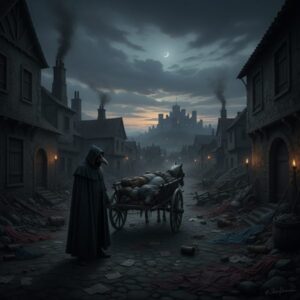
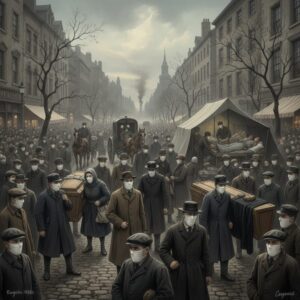
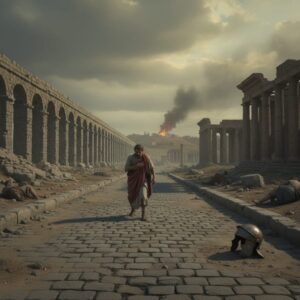
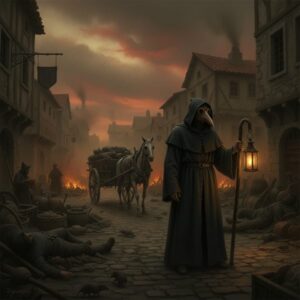
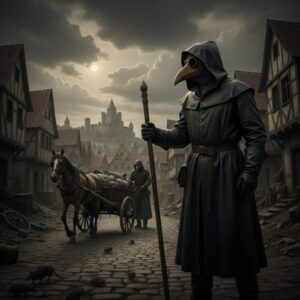
Which medieval pandemic killed up to 60% of Europe's population and led to the end of feudalism?

The Antonine Plague

The Great Plague of London

The Plague of Justinian

The Black Death

Points won
0
Correct score
0%

More Quizzes

More Articles

The Most Expensive Movie Scenes Ever Filmed

The Most Expensive Movie Scenes Ever Filmed

⏱️ 5 min read

Hollywood has always been known for its extravagant productions, but some movie scenes push the boundaries of spending to unprecedented levels. From elaborate action sequences to meticulously crafted period pieces, filmmakers have spared no expense to bring their visions to life on the silver screen. These astronomical budgets reflect not just the cost of special effects and set construction, but also the ambition and dedication required to create truly unforgettable cinematic moments.

The Bridge Destruction in A View to a Kill

The 1985 James Bond film "A View to a Kill" featured one of the most expensive single stunts in cinema history at the time. The production team decided to actually destroy a real bridge rather than rely on miniatures or special effects. The Golden Gate Bridge sequence, where a fire truck chase culminates in a spectacular crash, cost approximately $5 million to film. This single scene consumed a significant portion of the film's total budget and required extensive planning, multiple camera angles, and precise timing to capture the destruction perfectly in one take.

The Chariot Race in Ben-Hur

The 1959 epic "Ben-Hur" set new standards for ambitious filmmaking with its legendary chariot race sequence. This twelve-minute scene required the construction of a massive arena covering 18 acres, took five weeks to film, and employed thousands of extras. Adjusted for inflation, the chariot race cost approximately $100 million in today's dollars. The production built full-scale replicas of ancient Roman architecture and trained horses and stunt performers for months to achieve the breathtaking realism that made this scene an enduring masterpiece of cinema.

The Train Crash in The Lone Ranger

Disney's 2013 film "The Lone Ranger" may not have been a box office success, but it certainly delivered spectacle. The climactic train sequence, featuring two locomotives racing on parallel tracks through Monument Valley, cost an estimated $150 million to produce. This included building 14 miles of railroad track, constructing period-accurate trains, and executing complex stunts involving actors jumping between moving vehicles. The production's commitment to practical effects rather than complete CGI replacement drove costs skyward, though many critics praised the sequence as a technical achievement.

The Opening Sequence of Quantum of Solace

The 2008 Bond film "Quantum of Solace" opened with a high-octane car chase through the mountains of Italy that cost approximately $18 million. The scene destroyed multiple Aston Martin DBS vehicles, each worth over $200,000, and required closing Italian roads for filming. The production team used elaborate camera rigs, helicopter shots, and precision driving to create the intense opening that set the tone for the entire film. The damage to vehicles alone represented millions in losses, not counting the costs of location fees, crew, and post-production work.

The Tunnel Flooding in The Dark Knight Rises

Christopher Nolan's commitment to practical effects reached new heights with "The Dark Knight Rises" in 2012. The sequence where Gotham's tunnels flood cost approximately $80 million to produce. The production built massive practical sets and used real water, real explosions, and minimal CGI. Nolan's insistence on capturing as much as possible in-camera meant constructing elaborate underground sets and coordinating complex choreography involving hundreds of extras, stunt performers, and sophisticated camera equipment.

The Battle of Helm's Deep in The Two Towers

Peter Jackson's "The Lord of the Rings: The Two Towers" featured an epic battle sequence at Helm's Deep that took four months to film and cost an estimated $75 million. The production built a massive fortress set, employed thousands of extras and stunt performers, and pioneered new digital crowd replication technology. The rain machines alone ran constantly throughout the shoot, and the production team coordinated intricate fight choreography while managing complex special effects including massive explosions and the destruction of the fortress walls.

The Airport Battle in Captain America Civil War

The 2016 Marvel film showcased an extended superhero battle at a German airport that reportedly cost $100 million to produce. The sequence brought together numerous Marvel characters in a sprawling fight scene that required elaborate pre-visualization, months of motion capture work, and extensive CGI. The production team shot the scene over several weeks, combining practical stunts with digital effects to create the seamless integration of characters ranging from normal-sized humans to a giant-sized Ant-Man.

The Opening Jump in Cliffhanger

Sylvester Stallone's 1993 mountain climbing thriller "Cliffhanger" featured an opening sequence where a stuntwoman performed an actual aerial transfer between two hot air balloons at 15,000 feet. Stuntwoman Sarah Riggs received $1 million for performing the dangerous stunt, making it one of the most expensive single stunts in cinema history. The sequence required months of preparation, helicopter camera crews, and multiple takes at extreme altitude to capture the heart-stopping moment that set up the film's high-stakes premise.

Why These Costs Continue to Rise

Several factors contribute to the escalating costs of movie scenes. Advances in technology enable filmmakers to attempt increasingly ambitious sequences, but the equipment and expertise required come at premium prices. Location fees, insurance costs, and the expense of closing public spaces for filming have all increased substantially. Additionally, audience expectations for spectacle continue to rise, pushing directors and studios to invest heavily in standout sequences that will justify theatrical releases in an era of streaming competition.

The pursuit of memorable cinematic moments often requires massive financial investment, but when executed successfully, these expensive scenes become defining moments in film history. They demonstrate the industry's ongoing commitment to pushing creative and technical boundaries, even when the financial risks are substantial.

Top 10 Greatest Bands of All Time

Top 10 Greatest Bands of All Time

⏱️ 7 min read

Music history has been shaped by countless talented groups, but certain bands have transcended their eras to achieve legendary status. These musical pioneers didn't just create memorable songs—they revolutionized entire genres, influenced generations of musicians, and left an indelible mark on global culture. From stadium-filling rock anthems to groundbreaking studio innovations, these ten bands represent the pinnacle of collaborative musical achievement and artistic vision.

The Definitive List of Music's Most Influential Groups

1. The Beatles: Architects of Modern Pop Music

No discussion of greatest bands can begin without The Beatles. This Liverpool quartet fundamentally transformed popular music between 1960 and 1970, evolving from charming pop sensations to sophisticated studio experimentalists. John Lennon, Paul McCartney, George Harrison, and Ringo Starr created an unmatched catalog that includes "Hey Jude," "Let It Be," and "A Day in the Life." Their album "Sgt. Pepper's Lonely Hearts Club Band" redefined what popular music could achieve artistically, while their experimentation with recording techniques established standards still used today. With over 600 million records sold worldwide, their commercial success matches their artistic influence, making them arguably the most important band in music history.

2. Led Zeppelin: Forging the Hard Rock Template

Led Zeppelin didn't just play hard rock—they essentially invented it. Formed in 1968, Jimmy Page, Robert Plant, John Paul Jones, and John Bonham created a sound that married blues power with mystical themes and thunderous volume. Songs like "Stairway to Heaven," "Whole Lotta Love," and "Kashmir" showcase their ability to blend delicate acoustic passages with crushing electric power. Their influence on heavy metal, hard rock, and even modern alternative music cannot be overstated. Despite never releasing a single in the UK and shunning traditional promotion, they became one of the best-selling acts in history, proving that artistic integrity and commercial success need not be mutually exclusive.

3. The Rolling Stones: Rock and Roll's Greatest Survivors

While The Beatles represented pop sophistication, The Rolling Stones embodied rock and roll's rebellious spirit. Since 1962, Mick Jagger and Keith Richards have led this band through six decades of cultural change, maintaining relevance while staying true to their blues-rock roots. Classics like "Satisfaction," "Sympathy for the Devil," and "Paint It Black" capture the raw energy that made them counterculture icons. Their longevity is unprecedented—still touring and recording in their eighth decade, they've proven that rock and roll isn't just for the young. Their influence on rock's aesthetic, attitude, and business model continues to resonate throughout the industry.

4. Pink Floyd: Masters of Progressive Soundscapes

Pink Floyd transformed rock music into an immersive artistic experience. Their concept albums, particularly "The Dark Side of the Moon" and "The Wall," created sonic landscapes that explored themes of alienation, madness, and social commentary with unprecedented sophistication. David Gilmour's soaring guitar work, Roger Waters' conceptual vision, and the band's pioneering use of studio technology created music that was simultaneously cerebral and emotionally overwhelming. "The Dark Side of the Moon" spent over 900 weeks on the Billboard charts, testament to its enduring appeal. Their elaborate live shows, featuring massive light displays and theatrical elements, established the template for modern arena rock spectacles.

5. Queen: Theatrical Innovation and Genre-Defying Brilliance

Few bands could match Queen's combination of musical virtuosity, theatrical flair, and stylistic diversity. Freddie Mercury's four-octave vocal range and magnetic stage presence, combined with Brian May's distinctive guitar sound, created anthems that transcended rock music. "Bohemian Rhapsody," a six-minute opera-rock hybrid, became one of music's most iconic songs despite defying every commercial convention. From hard rock ("We Will Rock You") to disco ("Another One Bites the Dust") to ballads ("Somebody to Love"), Queen refused categorization. Their Live Aid performance in 1985 is widely considered the greatest live rock performance ever captured, showcasing their unparalleled ability to connect with massive audiences.

6. The Who: Pioneers of Rock Opera and Power

The Who brought intellectual ambition and raw power to rock music in equal measure. Pete Townshend's windmill guitar style and instrument destruction, Roger Daltrey's powerful vocals, Keith Moon's manic drumming, and John Entwistle's melodic bass created a sound that was both explosive and sophisticated. They pioneered the rock opera format with "Tommy" and perfected it with "Quadrophenia," proving that rock could tell complex stories. Songs like "My Generation," "Baba O'Riley," and "Won't Get Fooled Again" remain anthems of youthful rebellion and social commentary. Their influence on punk, hard rock, and alternative music stems from their ability to combine aggression with artistry.

7. Nirvana: Revolutionizing Alternative Rock and Youth Culture

In 1991, Nirvana's "Nevermind" didn't just top charts—it completely reconfigured the musical landscape. Kurt Cobain, Krist Novoselic, and Dave Grohl brought underground punk and alternative rock into the mainstream, ending the dominance of 1980s hair metal and changing what rock music could sound and look like. "Smells Like Teen Spirit" became a generational anthem, while Cobain's raw, confessional songwriting influenced countless artists. Though their career was tragically brief, ending with Cobain's death in 1994, their impact was seismic. They made authenticity and emotional vulnerability cool again, influencing everyone from indie rockers to modern pop artists.

8. U2: Stadium Rock with Social Conscience

U2 transformed from post-punk upstarts to the world's biggest rock band while maintaining artistic credibility and social awareness. Bono's soaring vocals and activism, The Edge's innovative guitar effects, and the rhythm section of Adam Clayton and Larry Mullen Jr. created a sound that was both intimate and epic. Albums like "The Joshua Tree" and "Achtung Baby" showcase their ability to reinvent themselves while addressing political and spiritual themes. Their elaborate tours have set attendance records worldwide, proving that stadium rock can be both commercially successful and artistically ambitious. Their combination of anthemic music and humanitarian advocacy has influenced how modern artists engage with social issues.

9. AC/DC: High-Voltage Rock and Roll Consistency

AC/DC proved that simplicity, executed with absolute conviction, could be just as powerful as complexity. The Young brothers, Angus and Malcolm, created a stripped-down, blues-based hard rock sound that has remained essentially unchanged for five decades. Whether with original vocalist Bon Scott or his replacement Brian Johnson, songs like "Highway to Hell," "Back in Black," and "Thunderstruck" deliver pure, unadulterated rock energy. "Back in Black" stands as one of the best-selling albums ever, while their straightforward approach influenced countless hard rock and metal bands. In an industry obsessed with reinvention, AC/DC's stubborn consistency became their greatest strength.

10. Radiohead: Pushing Boundaries into the Modern Era

Radiohead represents the evolution of alternative rock into experimental art. After achieving mainstream success with "Creep," they systematically deconstructed rock conventions with albums like "OK Computer," "Kid A," and "In Rainbows." Thom Yorke's haunting vocals, Jonny Greenwood's innovative arrangements, and the band's willingness to incorporate electronic music, jazz, and classical influences created a sound entirely their own. Their decision to release "In Rainbows" as a pay-what-you-want download challenged industry business models, while their music continues to influence artists across genres. They proved that bands could achieve both critical acclaim and commercial success without compromising their experimental vision.

The Lasting Legacy of Musical Greatness

These ten bands represent more than commercial success or critical acclaim—they fundamentally changed how we understand and experience music. Each brought unique innovations, whether in songwriting, performance, recording techniques, or cultural impact. From The Beatles' studio wizardry to Nirvana's raw authenticity, from Led Zeppelin's power to Pink Floyd's conceptual depth, these groups expanded the possibilities of what bands could achieve. Their influence continues to resonate through contemporary music, proving that truly great art transcends its time. While debates about "greatest" will always remain subjective, these bands' contributions to music history are undeniable, each having earned their legendary status through talent, innovation, and an unwavering commitment to their artistic vision.