









1 / 10 Questions
0 Points

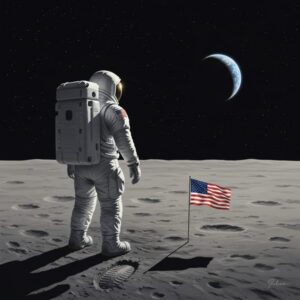
Who took humanity's first steps on the Moon in 1969?

Buzz Aldrin

Neil Armstrong

John Glenn

Yuri Gagarin

Points won
0
Correct score
0%

More Quizzes

More Articles

The Most Isolated Places People Live

The Most Isolated Places People Live

⏱️ 5 min read

Human civilization has spread to nearly every corner of the Earth, yet some communities remain extraordinarily remote from the rest of the world. These isolated settlements exist in environments ranging from frozen polar regions to distant islands, where inhabitants face unique challenges in maintaining connections with modern society. Understanding these remote locations provides insight into human adaptability and the diverse ways people create homes in the most unlikely places.

The World's Most Remote Inhabited Island: Tristan da Cunha

Located in the South Atlantic Ocean, Tristan da Cunha holds the distinction of being the most remote inhabited archipelago on Earth. The main island sits approximately 1,750 miles from South Africa and 2,088 miles from South America, making it nearly impossible to reach without significant planning and effort. Only about 250 people call this volcanic island home, residing in the settlement of Edinburgh of the Seven Seas.

The isolation of Tristan da Cunha means that residents receive supply ships only a few times per year, and there is no airport on the island. Medical emergencies requiring specialized care necessitate a six-day boat journey to the nearest hospital in Cape Town, South Africa. Despite these challenges, the community maintains a fishing industry and has developed a self-sufficient lifestyle that has persisted for generations.

Arctic Isolation: Life in Alert, Nunavut

Alert, located on Ellesmere Island in Canada's Nunavut territory, represents one of the northernmost permanently inhabited places on Earth. Sitting just 508 miles from the North Pole, this remote outpost experiences extreme polar conditions, including complete darkness for several months during winter and continuous daylight during summer months.

The settlement functions primarily as a military and research station rather than a traditional town, with a population fluctuating between 50 and 150 people. The extreme climate brings temperatures that regularly drop below -40 degrees Fahrenheit, and the nearest town of any size, Iqaluit, lies over 1,300 miles away. Supplies arrive primarily by air during limited weather windows, making logistics incredibly complex.

Desert Remoteness: Supai Village in the Grand Canyon

Deep within the Grand Canyon lies Supai, the capital of the Havasupai Tribe and one of the most isolated communities in the contiguous United States. This village is accessible only by helicopter, on foot, or by mule train, as no roads lead to the settlement. Approximately 200 tribal members live in this remote location year-round, maintaining their ancestral homeland despite its challenging accessibility.

The isolation means that Supai is the only place in the United States where mail is still delivered by mule train. Residents must hike eight miles to reach the nearest road, and all supplies must be transported in by the same methods available for access. The community has adapted to these limitations while preserving their cultural heritage and connection to the land.

Island Extremes: Pitcairn Islands

The Pitcairn Islands in the South Pacific Ocean represent another example of extreme geographic isolation. With a population of fewer than 50 people, Pitcairn Island is one of the least populated jurisdictions in the world. The island gained fame as the settlement location for the mutineers from HMS Bounty in 1790, and their descendants still make up much of the current population.

Located roughly halfway between Peru and New Zealand, Pitcairn lies approximately 3,300 miles from both locations. Supply ships arrive only a few times per year, bringing essential goods and mail. The island has no airport, and the journey from the nearest inhabited land requires days of ocean travel. Despite modern satellite internet access, the physical isolation remains profound.

Mountain Isolation: The Himalayan Villages

Several villages in the Himalayan mountain range exemplify isolation created by extreme terrain and altitude. Communities in regions like Zanskar and Dolpo in the Himalayas remain cut off from the outside world for months each year when winter snow closes mountain passes. These villages, some situated above 13,000 feet in elevation, maintain traditional ways of life largely unchanged for centuries.

Residents of these high-altitude settlements face challenges including:

  • Limited access to medical care and emergency services
  • Dependence on seasonal food supplies and preservation methods
  • Restricted educational opportunities requiring children to leave for schooling
  • Extended periods without external communication or supply deliveries
  • Harsh weather conditions that make even local travel dangerous

The Australian Outback: Settlements in Remote Territory

Australia's vast interior contains some of the most isolated communities on the continent. Places like Kiwirrkurra Community in Western Australia claim the title of one of the most remote permanent settlements in the world, located approximately 430 miles from the nearest town. Aboriginal communities in the Outback often live hundreds of miles from urban centers, maintaining connection to traditional lands despite the challenges of remoteness.

The extreme distances involved in Australian isolation create unique problems. Emergency services may require hours or days to reach remote locations, essential supplies demand careful planning and significant transportation costs, and communication infrastructure remains limited in many areas. The Royal Flying Doctor Service provides crucial medical care by air, demonstrating the innovative solutions required to support isolated populations.

Why People Choose Isolation

Despite the obvious challenges, people continue to inhabit these remote locations for various reasons. Indigenous communities maintain connections to ancestral lands and traditional ways of life. Others work in remote locations for economic opportunities, scientific research, or military service. Some individuals deliberately seek isolation for personal, philosophical, or spiritual reasons, valuing the solitude and self-sufficiency that remote living demands.

These isolated communities demonstrate remarkable human resilience and adaptability. While modern technology has made communication easier even in remote locations, the fundamental challenges of geographic isolation persist, requiring inhabitants to develop unique solutions and maintain strong community bonds to thrive in Earth's most distant corners.

Top 10 Facts About Soundtracks That Made History

Top 10 Facts About Soundtracks That Made History

⏱️ 6 min read

Film soundtracks have the power to elevate storytelling, evoke deep emotions, and create cultural phenomena that transcend the silver screen. Throughout cinema history, certain soundtracks have revolutionized the industry, influenced musical trends, and become inseparable from the films they accompany. These musical masterpieces have not only enhanced viewing experiences but have also achieved remarkable commercial success and critical acclaim, forever changing how audiences perceive the marriage of music and visual storytelling.

Legendary Soundtracks That Changed Cinema Forever

1. The Birth of the Orchestral Film Score

Max Steiner's score for "King Kong" (1933) fundamentally transformed cinema by establishing the orchestral film score as an essential narrative tool. Before this landmark achievement, films typically used generic music libraries or simple piano accompaniment. Steiner composed over 100 minutes of original music that directly synchronized with the on-screen action, creating leitmotifs for characters and using the orchestra to heighten emotional responses. This revolutionary approach established the template that film composers still follow today, proving that music could be as crucial to storytelling as dialogue and visuals.

2. The Psycho Shower Scene's Iconic Strings

Bernard Herrmann's score for Alfred Hitchcock's "Psycho" (1960) demonstrated how music could create unbearable tension and terror. The infamous shower scene murder, accompanied by shrieking violins, became one of cinema's most recognizable moments. Herrmann used only string instruments for the entire score, defying Hollywood conventions and Hitchcock's initial vision of having the scene play without music. The screeching, stabbing notes mimicked the knife attacks so effectively that the sequence would have lost most of its impact without this musical accompaniment, proving the soundtrack's power to amplify psychological horror.

3. Star Wars and the Revival of Symphonic Cinema

John Williams' score for "Star Wars" (1977) single-handedly revived the symphonic film score tradition during an era dominated by pop and rock soundtracks. The majestic main theme, Imperial March, and other leitmotifs became as iconic as the characters themselves. The soundtrack album became one of the best-selling orchestral recordings in history, earning Williams an Academy Award and reestablishing the symphony orchestra as the premier medium for epic filmmaking. This success influenced countless composers and ensured that orchestral scores would remain central to blockbuster cinema.

4. Saturday Night Fever's Disco Revolution

The "Saturday Night Fever" soundtrack (1977) became a cultural phenomenon that transcended film, selling over 40 million copies worldwide and becoming one of the best-selling albums of all time. Featuring primarily Bee Gees compositions, the soundtrack didn't just accompany the film—it sparked a global disco movement, influenced fashion, and changed nightclub culture. The album spent 24 weeks at number one on the Billboard charts and won the Grammy for Album of the Year, demonstrating how a film soundtrack could become a standalone cultural force that eclipsed the movie itself.

5. The Graduate's Pop Music Integration

Mike Nichols' use of Simon and Garfunkel's existing songs in "The Graduate" (1967) pioneered the integration of contemporary pop music into serious dramatic filmmaking. "The Sound of Silence" and "Mrs. Robinson" became inseparable from the film's themes of alienation and rebellion. This approach influenced generations of filmmakers to use popular music as commentary and emotional underscore, proving that existing songs could be as effective as original compositions. The soundtrack's success established a new revenue stream for studios and created lasting associations between specific songs and cinematic moments.

6. Purple Rain's Artist-Driven Soundtrack

Prince's "Purple Rain" (1984) represented a unique fusion where the artist served as star, composer, and musical architect of the entire project. The soundtrack spent 24 consecutive weeks at number one and sold over 25 million copies, with the title track becoming an anthem. This success model demonstrated that artist-driven film projects could achieve massive commercial success, paving the way for similar ventures from Madonna, Eminem, and others. The album's integration of rock, pop, and R&B influences also showcased how soundtracks could push musical boundaries while serving cinematic purposes.

7. Pulp Fiction's Curated Retro Soundtrack

Quentin Tarantino's carefully curated selection of surf rock, soul, and pop obscurities for "Pulp Fiction" (1994) revolutionized how filmmakers approached soundtrack compilation. Rather than commissioning original music or using contemporary hits, Tarantino selected forgotten gems from the 1960s and 1970s, giving these songs new life and creating an instantly recognizable sonic signature. The soundtrack sold millions of copies, introduced younger audiences to classic tracks, and established Tarantino's reputation as a musical curator. This approach influenced countless directors to view soundtrack selection as an artistic statement rather than mere background scoring.

8. The Lion King's Broadway-Bound Success

Elton John and Tim Rice's collaboration on "The Lion King" (1994) created a soundtrack that transcended animation, earning an Academy Award and spawning a Broadway adaptation that became one of the highest-grossing theatrical productions in history. Songs like "Circle of Life" and "Can You Feel the Love Tonight" achieved mainstream pop success while serving the narrative perfectly. The soundtrack sold over 10 million copies in the United States alone, demonstrating that animated film music could achieve the same cultural impact and commercial success as live-action productions, revitalizing Disney's musical tradition.

9. O Brother, Where Art Thou's Americana Revival

T Bone Burnett's production of the "O Brother, Where Art Thou?" soundtrack (2000) sparked an unexpected revival of American roots music, bluegrass, and traditional folk. The album won the Grammy for Album of the Year, sold over eight million copies, and introduced mainstream audiences to artists like Alison Krauss and Ralph Stanley. This surprise success proved that niche musical genres could find massive audiences when paired with compelling cinema, influencing the film industry's approach to roots music and traditional American sounds. The soundtrack's impact extended beyond sales, contributing to a broader Americana music renaissance.

10. Black Panther's Afrofuturistic Sound

Ludwig Göransson's score for "Black Panther" (2018), combined with Kendrick Lamar's curated album, created a groundbreaking fusion of African musical traditions, hip-hop, and orchestral composition. Göransson traveled to Africa to record traditional instruments and collaborated with African musicians, creating an authentic yet futuristic sound. The dual soundtrack approach—one orchestral score and one hip-hop album—allowed the film to reach multiple audiences while celebrating African culture. This innovative methodology earned Göransson an Academy Award and demonstrated how soundtracks could honor cultural heritage while pushing creative boundaries in blockbuster filmmaking.

The Lasting Impact of Historic Soundtracks

These ten soundtracks represent pivotal moments in cinema history where music transcended its supporting role to become an equal partner in storytelling. From Max Steiner's pioneering orchestral work to the culturally groundbreaking sounds of "Black Panther," these achievements have shaped audience expectations, influenced countless composers and filmmakers, and proven that soundtracks possess the power to create cultural movements. They remind us that the perfect marriage of image and sound creates an immersive experience greater than the sum of its parts, ensuring that these musical accomplishments will continue inspiring future generations of artists and entertaining audiences for decades to come.