










1 / 10 Questions
0 Points

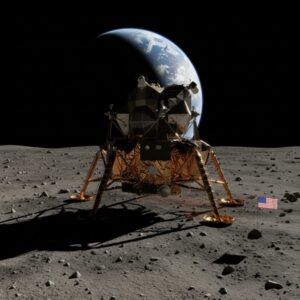
Which Apollo mission first put human footprints on the Moon?

Apollo 10

Apollo 11

Apollo 8

Apollo 12

Points won
0
Correct score
0%

More Quizzes

More Articles

Did You Know Cats Can’t Taste Sweetness?

Did You Know Cats Can’t Taste Sweetness?

⏱️ 5 min read

For centuries, cat owners have noticed their feline companions showing little to no interest in sweet treats that would send dogs and humans into a frenzy. While a slice of cake or a spoonful of ice cream might tempt most mammals, cats typically turn their noses up at such offerings. This peculiar behavior isn't merely a preference—it's rooted in fundamental biology. Cats are among the few mammals that cannot taste sweetness at all, a unique evolutionary trait that sets them apart in the animal kingdom.

The Science Behind Feline Taste Reception

The ability to taste sweetness depends on a specific protein receptor called Tas1r2, which combines with another receptor, Tas1r3, to form a functional sweet taste receptor. In 2005, researchers at the Monell Chemical Senses Center in Philadelphia made a groundbreaking discovery: cats possess a defective gene that codes for the Tas1r2 receptor. This genetic mutation renders the sweet taste receptor completely non-functional, meaning cats physically cannot detect sweet flavors at the molecular level.

This isn't a matter of having fewer sweet receptors or less sensitivity—the receptor simply doesn't work at all. The Tas1r2 gene in cats contains multiple deletions and mutations that prevent it from producing a functional protein. Without this crucial component, the sweet taste receptor cannot form properly, leaving cats "taste-blind" to anything sweet.

Why Evolution Eliminated Sweet Detection in Cats

The loss of sweet taste perception in cats is directly linked to their evolution as obligate carnivores. Unlike omnivores that benefit from identifying ripe fruits and other sweet, carbohydrate-rich foods, cats evolved to subsist entirely on meat. Their ancestors hunted and consumed prey animals, obtaining all necessary nutrients from animal tissue rather than plant sources.

From an evolutionary perspective, maintaining the genes for sweet taste detection became unnecessary and potentially wasteful. Natural selection doesn't penalize the loss of unused traits, and over millions of years, mutations in the Tas1r2 gene accumulated without any negative consequences. The energy and resources that would have gone toward maintaining functional sweet receptors could be better allocated elsewhere, making this genetic change evolutionarily neutral or even advantageous.

What Cats Can Actually Taste

While cats cannot taste sweetness, they possess well-developed receptors for other taste sensations that are crucial for their carnivorous lifestyle:

  • Umami (savory): Cats have highly sensitive receptors for amino acids and proteins, allowing them to detect the savory, meaty flavors that signal nutritious prey
  • Bitter: This taste helps cats avoid potentially toxic plants and spoiled meat
  • Sour: Sour detection aids in identifying food that may have begun to decompose
  • Salty: Though less developed than in humans, salt detection helps maintain proper electrolyte balance

Interestingly, cats may have developed enhanced sensitivity to ATP (adenosine triphosphate), a compound found in meat that signals freshness and high energy content. This specialized taste perception further supports their carnivorous dietary needs.

Other Animals That Cannot Taste Sweetness

Cats aren't alone in their inability to detect sweet flavors. All members of the Felidae family, including lions, tigers, cheetahs, and leopards, share this trait. Scientists have examined the Tas1r2 gene in seven different cat species and found similar mutations in all of them, confirming that sweet taste blindness is a family-wide characteristic.

Beyond felines, several other carnivorous mammals have also lost the ability to taste sweetness. Spotted hyenas, Asian otters, sea lions, and some dolphin species all possess non-functional sweet taste receptors. Even some aquatic mammals like bottlenose dolphins and sea lions lack functional Tas1r2 genes, likely because their fish-based diets don't require sweet taste detection.

Implications for Cat Nutrition and Care

Understanding that cats cannot taste sweetness has important implications for pet owners and veterinarians. This knowledge helps explain several aspects of feline nutrition and behavior:

Dietary Preferences

Cats gravitate toward foods high in protein and fat because these activate their taste receptors most strongly. They're attracted to the amino acids in meat rather than any sweetness that might be added to commercial cat foods. When cats show preference for certain foods, they're responding to savory flavors, fat content, texture, and aroma rather than sweetness.

Inappropriate Ingredients in Pet Foods

Some commercial cat foods contain added sugars or corn syrup, which serve no beneficial purpose for cats and may actually be harmful. Since cats cannot taste these sweet additives, manufacturers aren't adding them for palatability. Instead, these ingredients may be included as inexpensive fillers or to create certain textures. Pet owners should scrutinize ingredient labels and avoid foods with unnecessary carbohydrates and sugars.

Health Considerations

The inability to taste sweetness doesn't protect cats from the negative health effects of sugar consumption. Cats can still develop diabetes and obesity from diets high in carbohydrates, even though they can't taste the sweetness. Their bodies aren't well-adapted to processing large amounts of carbohydrates, making high-protein, low-carbohydrate diets essential for optimal health.

The Broader Picture of Feline Evolution

The loss of sweet taste perception represents just one of many specialized adaptations that make cats such efficient predators. Their entire physiology is fine-tuned for a carnivorous lifestyle, from their sharp teeth and retractable claws to their digestive systems optimized for processing animal protein. The absence of sweet taste receptors is a molecular reflection of this evolutionary commitment to meat-eating.

This fascinating quirk of feline biology reminds us that cats truly are different from omnivorous pets and humans. Their unique evolutionary path has shaped not only their behavior and dietary needs but even the very way they experience the world through taste. Understanding these fundamental differences helps us provide better care for our feline companions and appreciate the remarkable diversity of adaptations in the animal kingdom.

10 Amazing Facts About Animated TV Shows

10 Amazing Facts About Animated TV Shows

⏱️ 6 min read

Animated television shows have been captivating audiences for decades, evolving from simple Saturday morning cartoons into sophisticated entertainment that appeals to viewers of all ages. Behind the colorful characters and imaginative storylines lie fascinating stories, groundbreaking techniques, and surprising details that even the most dedicated fans might not know. From production secrets to cultural impacts, the world of animated television is filled with remarkable discoveries that showcase the creativity and innovation of this beloved medium.

Remarkable Discoveries From the World of Animated Television

1. The Simpsons' Unprecedented Longevity Record

When "The Simpsons" first aired in 1989, few could have predicted it would become the longest-running American sitcom and animated series in television history. With over 750 episodes spanning more than three decades, the show has outlasted nearly every other primetime series. The production has generated more than 10,000 character designs and employed hundreds of writers, many of whom have gone on to create their own successful shows. The series has also made an indelible mark on pop culture, with phrases like "D'oh!" entering the Oxford English Dictionary and the show successfully predicting numerous real-world events, from smartwatches to political outcomes.

2. South Park's Revolutionary Production Speed

While most animated shows require months of production time, "South Park" revolutionized the industry with its unprecedented six-day production cycle. Using relatively simple computer animation instead of traditional hand-drawn techniques, creators Trey Parker and Matt Stone can write, animate, and produce episodes in less than a week. This rapid turnaround allows the show to comment on current events while they're still fresh in viewers' minds, something virtually impossible for other animated series. This production method has enabled "South Park" to remain culturally relevant for over 25 years, addressing breaking news and trending topics with remarkable speed.

3. The Hidden Adult Humor in Classic Children's Cartoons

Many beloved animated shows from the 1990s and early 2000s contained layers of sophisticated humor designed specifically for adult viewers. Shows like "Rocko's Modern Life," "Animaniacs," and "The Powerpuff Girls" featured subtle jokes, cultural references, and innuendos that sailed over children's heads but kept parents entertained. This dual-audience approach helped establish a new paradigm in animation where shows could appeal to multiple age groups simultaneously. Writers deliberately crafted dialogue and visual gags that worked on different levels, ensuring that the content remained appropriate for children while providing additional entertainment value for grown-ups.

4. Anime's Global Economic Impact

Japanese anime has grown from a niche interest to a multi-billion dollar global industry. The anime market now exceeds $24 billion annually, with international streaming and merchandise sales contributing significantly to this figure. Shows like "Dragon Ball," "Naruto," and "Pokemon" have become worldwide phenomena, influencing fashion, gaming, and entertainment across continents. The success of anime has also created a robust job market, from voice actors and translators to convention organizers and specialty retailers. Streaming platforms have invested heavily in anime content, with some producing original series exclusively for international audiences.

5. The Voice Acting Versatility Behind Iconic Characters

Many animated shows rely on surprisingly small voice acting casts who portray multiple characters. Tara Strong has voiced over 500 different animated characters throughout her career, including Twilight Sparkle from "My Little Pony," Timmy Turner from "The Fairly OddParents," and Bubbles from "The Powerpuff Girls." Similarly, voice acting legend Frank Welker has provided voices for more than 800 productions, holding the Guinness World Record for most prolific voice actor. These performers use remarkable vocal range and technique to create distinct personalities, often recording conversations between characters they voice themselves.

6. Animation's Surprisingly High Production Costs

Despite their two-dimensional appearance, modern animated television shows often cost as much to produce as live-action series. A single episode of a high-quality animated show can cost between $1 million and $3 million to produce, with some premium productions exceeding these figures. The expense comes from the labor-intensive animation process, which requires teams of artists, animators, writers, and voice actors working for months on each episode. Shows using computer animation face additional costs for software, rendering time, and technical specialists. These high production values have resulted in visually stunning shows that rival theatrical releases in quality.

7. The Educational Programming Revolution

Educational animated shows have proven remarkably effective at teaching children essential skills while entertaining them. "Sesame Street" pioneered the concept of curriculum-based animation in the late 1960s, and research has consistently shown that children who watch educational animated content demonstrate improved literacy, numeracy, and social skills. Modern shows like "Daniel Tiger's Neighborhood" and "Bluey" incorporate child development research into their storytelling, addressing topics like emotional regulation, problem-solving, and empathy. Studies indicate that children retain information better from animated educational content than from traditional teaching methods, making these shows valuable educational tools.

8. The Revival Phenomenon of Cult Classics

Fan enthusiasm has brought numerous canceled animated shows back from extinction. "Family Guy" made television history by becoming the first canceled show to be revived due to strong DVD sales and cable reruns, returning to Fox in 2005 after a two-year hiatus. "Futurama" experienced multiple cancellations and revivals across different networks and streaming platforms. More recently, streaming services have commissioned new episodes or movies of shows like "Samurai Jack," "Young Justice," and "Clone Wars," demonstrating the enduring power of dedicated fan bases and the economic viability of revival projects.

9. Groundbreaking LGBTQ+ Representation Milestones

Animated television has increasingly become a platform for meaningful LGBTQ+ representation. "The Legend of Korra" made history in 2014 by featuring a same-sex relationship between main characters in a children's animated series finale. "Steven Universe" broke further ground with its portrayal of same-sex relationships and non-binary characters, including television's first animated same-sex wedding proposal. Shows like "Adventure Time," "She-Ra and the Princesses of Power," and "The Owl House" have continued this progress, normalizing diverse gender identities and sexual orientations for younger audiences and helping to foster acceptance and understanding.

10. The Environmental Impact of Digital Animation Transition

The shift from traditional hand-drawn animation to digital production has had significant environmental implications. Traditional animation required enormous amounts of paper, with a single episode potentially using thousands of sheets for preliminary sketches, cleanup drawings, and cel paintings. The chemical processes used in cel animation also created hazardous waste. Digital animation has dramatically reduced these physical materials and eliminated toxic chemicals from the production process. However, digital production now requires substantial energy for computers and rendering farms, creating a different environmental footprint. Studios increasingly invest in renewable energy and efficient computing to minimize their carbon impact while maintaining production quality.

The Enduring Legacy of Animated Television

These fascinating aspects of animated television reveal an industry far more complex and influential than many viewers realize. From revolutionary production techniques and impressive voice acting versatility to meaningful social representation and substantial economic impact, animated shows have shaped entertainment and culture in profound ways. The medium continues to evolve, embracing new technologies, addressing contemporary issues, and pushing creative boundaries while maintaining the fundamental appeal that has captivated audiences for generations. As animation technology advances and storytelling becomes increasingly sophisticated, animated television shows will undoubtedly continue surprising and delighting viewers with innovations yet to come.