




1 / 10 Questions
0 Points

Which island city in Lake Texcoco became the dazzling heart of the Aztec Empire?

Cuzco

Chichen Itza

Tula

Tenochtitlan

Points won
0
Correct score
0%

More Quizzes

More Articles

The Real Life Pirates Who Inspired Jack Sparrow

The Real Life Pirates Who Inspired Jack Sparrow

⏱️ 5 min read

Captain Jack Sparrow, the charismatic and eccentric pirate from the "Pirates of the Caribbean" franchise, has become one of cinema's most beloved characters. While Johnny Depp's portrayal is largely fictional, the character draws inspiration from several real-life pirates who terrorized the seas during the Golden Age of Piracy. These historical figures were just as cunning, flamboyant, and unpredictable as their fictional counterpart, and their stories are often more remarkable than any Hollywood screenplay.

The Golden Age of Piracy: Setting the Stage

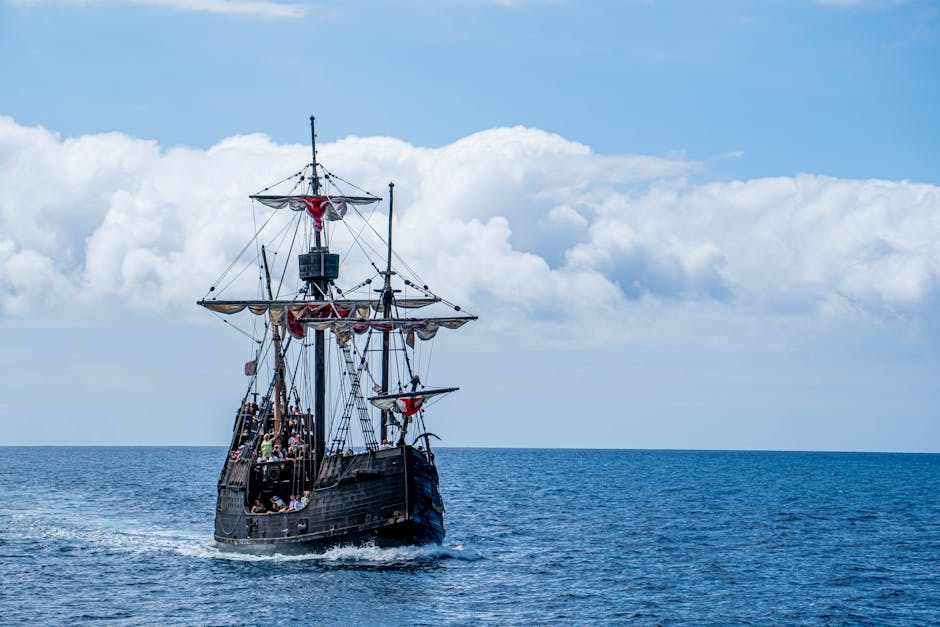
The period between 1650 and 1730 is commonly referred to as the Golden Age of Piracy, when thousands of pirates operated in the Caribbean, along the American coast, and across the Atlantic. This era produced some of history's most notorious seafaring criminals, whose exploits would inspire legends for centuries to come. Economic hardship, colonial expansion, and naval conflicts created the perfect conditions for piracy to flourish, attracting sailors, privateers, and adventurers seeking fortune on the high seas.

Captain Jack Ward: The Original Jack

One of the most direct inspirations for Jack Sparrow is Captain John Ward, known as "Jack" Ward or "Jack Birdy." This English pirate operated in the early 17th century and became one of the most successful pirates of his time. Ward began his career as a privateer for Queen Elizabeth I before turning to piracy after her death in 1603.

What makes Ward particularly relevant to the Jack Sparrow character is his remarkable ability to escape capture and his strategic cunning. He converted to Islam and operated from Tunis, where he lived in luxury and became a wealthy man. Ward's flamboyant lifestyle, quick wit, and talent for evasion mirror many of Sparrow's characteristics. He was known for his distinctive appearance and allegedly wore elaborate clothing that would have been considered outrageous for his time.

Bartholomew Roberts: The Gentleman Pirate

Bartholomew Roberts, also known as "Black Bart," was perhaps the most successful pirate of the Golden Age, capturing over 400 ships during his career. Roberts brought an unusual sense of style and principle to piracy that resonates with Jack Sparrow's characterization. He was known for his fine clothes, preferring to wear rich crimson damask waistcoats and breeches, along with a red feather in his hat.

Roberts implemented a democratic code among his crew, establishing rules that governed behavior, division of plunder, and conflict resolution. This sense of honor among thieves, combined with his theatrical appearance and strategic brilliance, reflects aspects of Sparrow's character. Despite his gentlemanly demeanor, Roberts was a formidable opponent who struck fear into merchant vessels and naval ships alike.

Calico Jack Rackham: Style and Swagger

John "Calico Jack" Rackham earned his nickname from the colorful calico clothing he favored, demonstrating the kind of sartorial flair associated with Jack Sparrow. While Rackham wasn't the most successful pirate in terms of plunder, his personality and style made him legendary. He designed the famous Jolly Roger flag featuring a skull with crossed swords, an image now synonymous with piracy.

Rackham's significance extends beyond his fashion sense. He was known for his associations with two of history's most famous female pirates, Anne Bonny and Mary Read, who served on his crew disguised as men. His relatively brief but colorful career, combined with his emphasis on appearance and reputation, contributed to the swashbuckling pirate archetype that Jack Sparrow embodies.

Edward Teach: The Fearsome Blackbeard

No discussion of pirate inspiration would be complete without Edward Teach, better known as Blackbeard. While Blackbeard's intimidating appearance contrasts with Sparrow's more comedic presentation, both characters share a talent for psychological warfare and theatrical display. Blackbeard was famous for weaving slow-burning fuses into his enormous black beard and lighting them during battle, creating a terrifying, smoke-wreathed visage.

Blackbeard's strategic mind and his ability to cultivate a fearsome reputation often allowed him to capture ships without firing a shot. This combination of showmanship and tactical thinking mirrors Sparrow's approach to piracy, where wit and reputation often prove more valuable than actual combat prowess. Blackbeard blockaded Charleston harbor in 1718, demonstrating the kind of audacious plan that Sparrow might conceive.

Captain Henry Morgan: The Privateer Turned Legend

Sir Henry Morgan represents another facet of the Jack Sparrow character: the blurred line between pirate and privateer. Morgan operated with commissions from the English government to attack Spanish interests in the Caribbean, though he frequently exceeded his authority and engaged in outright piracy. His political maneuvering and ability to avoid punishment for his crimes reflect Sparrow's talent for talking his way out of trouble.

Morgan's most impressive feat was the 1671 attack on Panama City, where he led 1,400 men across the isthmus and sacked one of Spain's wealthiest colonial cities. Despite accusations of piracy and torture, Morgan returned to England and was eventually knighted, becoming Lieutenant Governor of Jamaica. This transformation from outlaw to respectable society member echoes the complex relationship Jack Sparrow has with authority throughout the film series.

The Composite Character: Blending Fact and Fiction

Jack Sparrow ultimately represents a composite of these historical figures, cherry-picking the most entertaining and dramatic elements of their lives. The screenwriters and Johnny Depp combined the swagger of Calico Jack, the cunning of Jack Ward, the style of Bartholomew Roberts, the theatrical nature of Blackbeard, and the political savvy of Henry Morgan to create a character who embodies the romantic ideal of piracy.

The real pirates were often brutal, pragmatic criminals whose lives were harsh and frequently short. However, they possessed qualities that continue to fascinate us: independence, audacity, and a rejection of conventional society. Jack Sparrow captures these appealing aspects while filtering out the darker realities of historical piracy, creating a character that entertains while paying homage to the genuine rogues who sailed the Caribbean centuries ago.

Top 10 Most Expensive Music Videos Ever Made

Top 10 Most Expensive Music Videos Ever Made

⏱️ 6 min read

Music videos have evolved from simple performance recordings to cinematic masterpieces that rival Hollywood productions. Some artists and record labels have invested millions of dollars to create visual spectacles that push the boundaries of creativity and technology. These lavish productions feature elaborate sets, cutting-edge special effects, international locations, and massive production crews. The following list showcases the most expensive music videos ever created, demonstrating how far artists are willing to go to bring their musical visions to life.

The Most Expensive Music Video Productions in History

1. Michael and Janet Jackson's "Scream" - $7 Million

Holding the Guinness World Record for the most expensive music video ever made, "Scream" was released in 1995 and directed by Mark Romanek. The futuristic video featured the Jackson siblings aboard a spaceship with thirteen elaborate sets that cost over $65,000 each. The production included breaking and morphing effects that were groundbreaking for the time, and the entire shoot took place over seven days. The monochromatic aesthetic and high-tech visuals created a distinctive look that justified the massive budget and set a new standard for music video production values.

2. Madonna's "Die Another Day" - $6.1 Million

Created as the theme song for the 2002 James Bond film of the same name, this music video directed by Traktor cost approximately $6.1 million to produce. The video incorporated scenes from the actual Bond movie and featured Madonna in multiple personas, including a prisoner undergoing torture and a fierce fighter engaged in combat. The production utilized advanced CGI effects, elaborate costumes, and complex choreography. The video's integration with one of cinema's most expensive franchises contributed to its astronomical budget, making it one of the priciest music videos ever filmed.

3. Madonna's "Express Yourself" - $5 Million

Released in 1989 and directed by David Fincher, "Express Yourself" was inspired by Fritz Lang's classic film "Metropolis." The video featured an elaborate Art Deco industrial cityscape with multiple levels, including factory settings, luxurious bedrooms, and underground worker quarters. The production employed over one hundred dancers and extras, along with detailed set construction that recreated the dystopian aesthetic of the 1927 silent film. At the time of its release, it was the most expensive music video ever made, and it demonstrated Madonna's commitment to creating cinematic experiences that matched the ambition of her music.

4. Guns N' Roses' "Estranged" - $4 Million

The third installment in Guns N' Roses' music video trilogy, "Estranged" was released in 1993 with a budget of approximately $4 million. Directed by Andy Morahan, the nine-minute epic featured lead singer Axl Rose diving into the ocean and swimming with dolphins, extensive underwater photography, a tanker ship, and the band performing at a mansion with an exploding pool. The video required complex logistics, including marine animal coordination, helicopter shots, and elaborate pyrotechnics. The production exemplified the excess of early 1990s rock music videos and remains one of the genre's most ambitious visual projects.

5. Puff Daddy's "Victory" - $2.7 Million

This 1998 collaboration featuring The Notorious B.I.G. and Busta Rhymes transformed into a cinematic action thriller directed by Marcus Nispel. The video featured elaborate chase sequences, explosions, military vehicles, and a dystopian cityscape reminiscent of action blockbusters. The production included Dennis Hopper as an antagonist, adding Hollywood star power to the already expensive production. The video's movie-quality production values, extensive special effects, and ambitious scope made it one of hip-hop's most expensive visual endeavors and demonstrated the genre's growing influence on mainstream music video production.

6. Mariah Carey and Whitney Houston's "When You Believe" - $2.5 Million

Created for the 1998 DreamWorks animated film "The Prince of Egypt," this music video combined animation with live-action footage of both legendary singers. The production budget covered the integration of film sequences with newly shot material, elaborate Egyptian-themed sets, and the coordination of two of the music industry's biggest stars. The video featured stunning costumes, dramatic lighting, and a gospel choir that added to the epic scale of the production. The combination of animated sequences from a major motion picture and high-quality live performance footage contributed to its substantial budget.

7. Busta Rhymes' "Make It Clap" - $2.5 Million

Directed by Dave Meyers in 2002, this video featured elaborate sets designed to look like an urban carnival with futuristic elements. The production included hundreds of extras, multiple costume changes, complex choreography, and extensive visual effects. The video's vibrant colors, quick cuts, and elaborate set pieces created a sensory overload that matched the energy of the track. The substantial investment in production design, special effects, and the sheer scale of the production made it one of the most expensive hip-hop videos of its era.

8. Gwen Stefani's "Make Me Like You" - $2+ Million

Breaking new ground in 2016, this music video was shot entirely live during a commercial break at the Grammy Awards ceremony. The single-take production required months of planning, elaborate set changes, precise choreography, and seamless transitions between different scenes. The video featured multiple costume changes, dancers, props, and sets that had to be moved and arranged in real-time. The technical complexity of broadcasting a live music video shoot to millions of viewers, combined with the extensive rehearsals and production design, resulted in a multi-million-dollar budget and created a unique moment in music video history.

9. Aqua's "Cartoon Heroes" - $1.5 Million

The Danish-Norwegian dance-pop group invested heavily in this 2000 music video that featured extensive CGI animation and futuristic sets. The video transported the band members into a cartoon universe filled with animated characters, digital effects, and comic book aesthetics. The production required significant post-production work to integrate the live-action footage with the animated elements. For a group primarily known for "Barbie Girl," this investment demonstrated their commitment to maintaining visual appeal and competing with major artists in the music video landscape.

10. MC Hammer's "Too Legit to Quit" - $1.5 Million

Released in 1991, this fifteen-minute music video extravaganza featured numerous celebrity cameos, including James Brown, while showcasing Hammer's signature choreography with dozens of dancers. The production included multiple elaborate set pieces, custom-designed costumes, and high-production values throughout. The video's length alone required substantial resources, and the involvement of major celebrities, complex dance numbers, and ambitious scope made it one of the most expensive music videos of the early 1990s. It represented the peak of Hammer's commercial success and the era's tendency toward excess in music video production.

The Evolution of Music Video Budgets

These expensive music videos represent a specific era in the music industry when record labels were willing to invest heavily in visual content as a marketing tool. The rise of MTV and music video channels made these productions essential for commercial success. However, the digital age and changing consumption patterns have shifted how artists approach music video production. While some contemporary artists still create expensive videos, the focus has increasingly moved toward creative concepts rather than pure budget size. These historic productions remain testaments to the ambition and creativity of their era, showing how music videos can become cultural artifacts that transcend their original promotional purpose. They demonstrate the intersection of music, film, and visual art, creating memorable experiences that continue to influence visual storytelling in the digital age.