











1 / 10 Questions
0 Points

Who united the nomadic tribes of Northeast Asia in 1206 to forge the Mongol Empire?

Genghis Khan

Tamerlane

Attila the Hun

Kublai Khan

Points won
0
Correct score
0%

More Quizzes

More Articles

Top 10 Movie Endings That Were Changed at the Last Minute

Top 10 Movie Endings That Were Changed at the Last Minute

⏱️ 7 min read

Hollywood's creative process is rarely straightforward, and nowhere is this more evident than in the final moments of a film. Directors, studios, and test audiences often clash over how a story should conclude, leading to dramatic last-minute changes that can completely alter a movie's legacy. Sometimes these changes save a film from disaster, while other times they compromise the director's original vision. Here are ten remarkable instances where movie endings were significantly altered before reaching theaters.

Why Movie Endings Get Changed

Before exploring specific examples, it's important to understand why studios make these eleventh-hour decisions. Test screenings play a crucial role, as audience reactions can reveal whether an ending resonates emotionally or falls flat. Studio executives also consider marketability, international appeal, and the potential for sequels. Directors may fight for their artistic vision, but commercial considerations often win out, especially when millions of dollars are at stake.

1. I Am Legend's Controversial Alternative

The 2007 post-apocalyptic thriller starring Will Smith originally featured an ending that stayed faithful to Richard Matheson's novel. In this version, Robert Neville realizes that the infected creatures are not mindless monsters but sentient beings protecting their own, making him the true legend—a monster in their eyes. However, test audiences responded negatively to this morally complex conclusion. The studio replaced it with a more conventional heroic sacrifice, where Neville destroys himself and the creatures to save humanity. The original ending was later released on DVD, where it gained appreciation for its thematic depth and ironic twist on the title's meaning.

2. Pretty Woman's Transformation from Dark Drama

This beloved romantic comedy underwent one of Hollywood's most dramatic tonal shifts. The original script, titled "3,000," was a gritty exploration of prostitution and class disparity in Los Angeles. The ending had Vivian and Kit on a bus to Disneyland after Edward throws money at Vivian from his car and drives away—a bleak commentary on transactional relationships. Disney, however, wanted a fairy tale romance. The entire film was rewritten and reshot with a happy ending where Edward overcomes his fear of heights to "rescue" Vivian, complete with the iconic fire escape scene. This change transformed a cautionary tale into one of the most successful romantic comedies ever made.

3. Fatal Attraction's Bathtub Reversal

The original ending of this 1987 thriller was far more psychologically nuanced than what audiences saw. Director Adrian Lyne initially filmed Alex committing suicide while framing Dan for her murder, forcing him to face consequences for his infidelity. The police arrest him while "Madame Butterfly" plays, mirroring Alex's earlier viewing of the opera. Test audiences, however, demanded that Alex be punished rather than Dan. Paramount spent $1.3 million reshooting the now-famous bathtub scene where Beth shoots Alex. While the theatrical ending proved more commercially successful, critics have argued the original was more sophisticated and thematically consistent.

4. The Butterfly Effect's Multiple Realities

This 2004 psychological thriller actually has four different endings, with the theatrical release being the most optimistic. The director's cut features a far darker conclusion where Evan watches videos of his birth and strangles himself with his umbilical cord in the womb, erasing his existence entirely and saving everyone from the chaos his life created. Two other alternate versions were filmed, including one where Evan approaches Kayleigh but she walks past him without recognition. The studio chose the lighter ending where they pass each other on a sidewalk with subtle acknowledgment, believing audiences wouldn't accept the nihilistic implications of the director's preferred version.

5. Blade Runner's Forced Happy Ending

Ridley Scott's 1982 masterpiece suffered significant studio interference, particularly regarding its conclusion. Scott's original vision ended ambiguously with Deckard and Rachael entering an elevator, their fate uncertain. The studio demanded a happier, more definitive ending and forced Scott to add footage of the couple driving through scenic landscapes with a voice-over explaining that Rachael had no expiration date. This footage was actually unused aerial shots from "The Shining." Scott has spent decades releasing different cuts, finally restoring his original ambiguous ending in "The Final Cut" in 2007, which is now considered the definitive version.

6. Little Shop of Horrors' Budget-Breaking Original

Frank Oz's 1986 musical initially remained faithful to the stage production, ending with Audrey II conquering Earth in a spectacular sequence featuring massive animatronic plants destroying cities. This 23-minute finale cost $5 million and took months to film. However, test audiences hated watching beloved characters Seymour and Audrey die, finding it too depressing for a musical comedy. The studio ordered reshoots, giving the couple a happy suburban ending where they defeat the plant. The original ending, one of the most expensive sequences ever cut from a film, was nearly lost before being restored and released on home video decades later.

7. Army of Darkness' International Split

Sam Raimi's 1992 horror-comedy had two completely different endings shot simultaneously. The director's preferred ending had Ash drinking too much sleeping potion and awakening in a post-apocalyptic future, realizing he'd slept for centuries—a darkly comedic twist. The studio found this too bleak and demanded the theatrical ending where Ash returns to his job at S-Mart and defeats a Deadite in the housewares department. Interestingly, the original ending was used for international releases, while American audiences received the happier version, creating confusion among fans for years.

8. The Abyss's Cut Character Revelation

James Cameron's 1989 underwater thriller originally contained a much longer ending sequence explaining why the aliens nearly destroyed humanity with massive tidal waves before pulling back at the last moment. This version showed the aliens displaying humanity's acts of violence and warfare, creating a powerful anti-war message. However, the studio cut nearly 30 minutes from the film's ending, reducing the aliens' motivation to a simple response to Bud's sacrifice. Cameron restored this footage in the Special Edition, which many consider essential to understanding the film's themes, though the theatrical version moves at a faster pace.

9. Clerks' Near-Tragic Conclusion

Kevin Smith's groundbreaking independent film almost ended with Dante being shot and killed during a random robbery, with Randal discovering his body. Smith filmed this ending to make a statement about the arbitrary nature of violence and how tragedy can strike anywhere. However, after screening the film at the Independent Feature Film Market, producers and advisors convinced Smith that this ending betrayed the tone of the previous 90 minutes and felt manipulative rather than meaningful. Smith recut the film without the murder, allowing it to end on Randal's line, "You're closed!" This change likely contributed to the film's success and its ability to spawn a franchise.

10. Paranormal Activity's Spielberg Suggestion

This low-budget horror phenomenon had three different endings shot. The original festival version ended with Katie slitting her own throat after killing Micah. A second version showed police shooting Katie. However, after Steven Spielberg viewed the film, he suggested a third ending where Katie lunges at the camera in a jump scare. Director Oren Peli shot this version for the theatrical release, which proved more effective at generating screams in packed theaters. The sudden attack created a visceral reaction that helped the film become a word-of-mouth sensation, demonstrating how a simple last-minute change can amplify a film's impact.

The Lasting Impact of Changed Endings

These ten examples demonstrate the complex balancing act between artistic vision and commercial viability in filmmaking. While some changes clearly improved the final product and connected better with audiences, others compromised thematic integrity for marketability. The advent of home video and streaming has allowed viewers to explore these alternate versions, sparking ongoing debates about authorship, artistic intent, and whether the audience or the artist should have the final say. What remains clear is that the ending of a film can make or break its legacy, making those last-minute decisions some of the most consequential in cinema history.
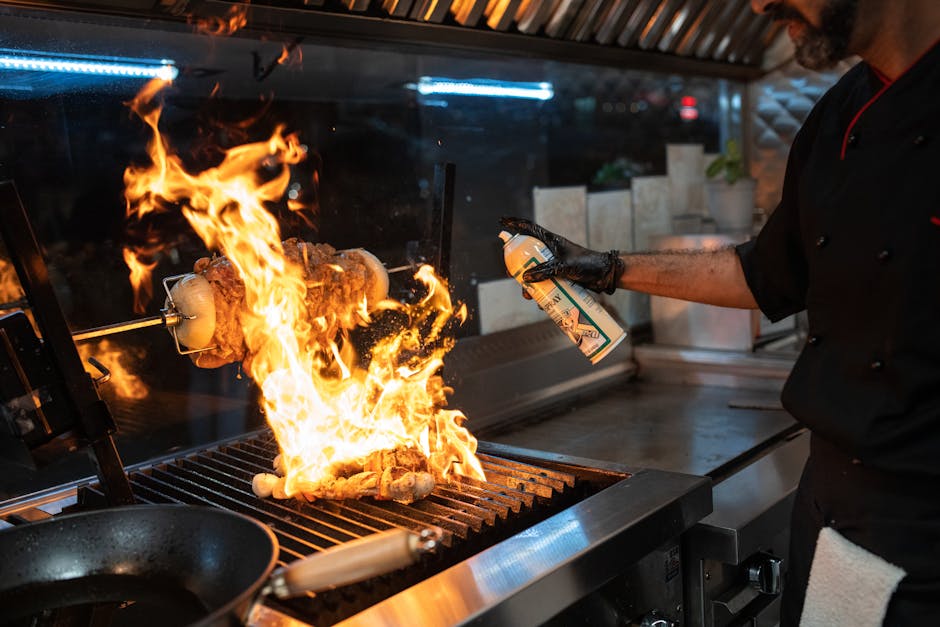
18 Surprising Facts About Fast Food

18 Surprising Facts About Fast Food

⏱️ 6 min read

Fast food has become an integral part of modern culture, feeding millions of people daily across the globe. While most of us are familiar with the golden arches and the whopper, there's a wealth of fascinating information about this industry that remains largely unknown to the average consumer. From surprising nutritional revelations to unexpected historical origins, the world of fast food is filled with intriguing details that challenge our assumptions and reveal the complex nature of this multi-billion dollar industry.

The Hidden Truths Behind Your Favorite Quick Meals

McDonald's Fries Contain More Ingredients Than You'd Expect

While you might assume that French fries are simply potatoes, oil, and salt, McDonald's fries actually contain approximately 19 different ingredients in the United States. These include natural beef flavor, dextrose, sodium acid pyrophosphate to maintain color, and various oils. The complexity of this seemingly simple side dish surprises most customers who believe they're eating nothing more than fried potatoes.

The Origin of Chicken Nuggets Was Surprisingly Scientific

Chicken nuggets weren't invented by a fast food chef but by a Cornell University food science professor named Robert C. Baker in the 1960s. He developed the processing technique and binding mechanism that made it possible to create these breaded chicken pieces. Baker never patented his invention, allowing it to become a fast food staple that generates billions in revenue annually.

Subway Has More Locations Than McDonald's Worldwide

Despite McDonald's dominant presence in popular culture, Subway actually operates more restaurant locations globally. As of recent counts, Subway has over 37,000 locations compared to McDonald's approximately 38,000. The sandwich chain's franchise model and lower startup costs have enabled its rapid expansion across numerous countries.

Fast Food Restaurants Engineer Their Ice to Melt Slower

Many fast food chains use specially designed ice machines that create harder, denser ice cubes than typical home freezers produce. This engineered ice melts more slowly, preventing drinks from becoming watered down too quickly. The strategic ice design ensures beverage quality remains consistent and customers don't feel shortchanged by diluted sodas.

The Color Red Is Deliberately Used to Stimulate Appetite

Major fast food chains like McDonald's, KFC, Wendy's, and In-N-Out Burger prominently feature red in their branding and restaurant design. Color psychology research indicates that red stimulates appetite and creates feelings of urgency, encouraging customers to eat more and make quicker purchasing decisions. This deliberate color choice is far from coincidental.

Taco Bell's Meat Filling Has Specific Legal Requirements

Taco Bell's seasoned beef mixture contains only 88% beef, with the remaining 12% consisting of spices, water, and other ingredients. Due to USDA regulations, the chain cannot legally call it "100% beef" or simply "meat." This composition allows for enhanced flavor and texture while maintaining cost efficiency across thousands of locations.

Fast Food Pickle Slices Are Strategically Placed for Maximum Impact

Burger chains don't randomly place pickles on sandwiches. The positioning is calculated to ensure that customers taste the pickle in their first bite, creating an immediate flavor impact. This strategic placement enhances the overall taste experience and makes the burger seem more flavorful than it might otherwise be.

The Average Fast Food Meal Contains a Full Day's Worth of Sodium

Many popular fast food combo meals contain between 2,000 to 3,000 milligrams of sodium, which exceeds or meets the recommended daily intake for most adults. A single burger, fries, and soft drink combination can deliver excessive salt levels, contributing to health concerns when consumed regularly.

Chick-fil-A's Sauce Recipes Are Closely Guarded Secrets

The popular chicken chain's signature sauces, particularly their Chick-fil-A sauce, have recipes that are known only to a select few employees. Similar to Coca-Cola's secret formula, these proprietary recipes are protected with extreme confidentiality measures, making exact replication virtually impossible for competitors.

Fast Food Restaurants Use Specific Scent Marketing Techniques

Many chains strategically control the aromas that emanate from their kitchens and dining areas. Cinnabon, for instance, deliberately places ovens near store entrances to maximize the spread of cinnamon scent. These olfactory marketing tactics significantly influence purchasing behavior and can increase sales by triggering hunger and cravings.

The First Drive-Through Was Created for Banking, Not Food

While drive-throughs are synonymous with fast food today, the concept was actually pioneered by banks in the 1930s. Red's Giant Hamburg in Missouri is credited with creating the first drive-through restaurant in 1947. The innovation revolutionized the fast food industry and transformed American dining habits forever.

Fast Food Salads Can Contain More Calories Than Burgers

Contrary to popular belief, many fast food salads contain higher calorie counts than standard hamburgers, particularly when dressed with creamy dressings, fried chicken, cheese, and croutons. Some salads exceed 1,000 calories, making them a less healthy option than consumers typically assume.

McDonald's Sells 75 Hamburgers Every Second Globally

The sheer scale of McDonald's operations is staggering. The corporation serves approximately 75 burgers every single second, translating to roughly 6.5 million burgers daily worldwide. This massive production requires an incredibly sophisticated supply chain and standardized cooking procedures across all locations.

Fast Food Chains Test Hundreds of Menu Items That Never Launch

For every new menu item that appears at a fast food restaurant, dozens or even hundreds have been tested and rejected. Chains conduct extensive market research, focus groups, and regional testing before national rollouts. Many bizarre test items—like pizza fries, bubblegum-flavored broccoli, and various unusual burger variations—never make it past initial trials.

The Soft Drink Fountain Yields Enormous Profit Margins

Soft drinks represent one of the highest profit margins in fast food, with some estimates suggesting that fountain drinks cost restaurants only pennies per serving while selling for several dollars. The syrup-to-water ratio and low ingredient costs make beverages significantly more profitable than food items.

Fast Food Packaging Is Engineered for Specific Purposes

The packaging used for fast food isn't merely functional—it's scientifically designed to maintain optimal temperature, prevent sogginess, and preserve crispness. Burger wrappers, fry containers, and drink cups undergo extensive research and development to ensure food quality during transport and consumption.

White Castle Created the Fast Food Industry Model

Founded in 1921 in Wichita, Kansas, White Castle is recognized as America's first fast food hamburger chain. The restaurant pioneered many concepts that became industry standards, including standardized food preparation, limited menus, and affordable pricing. Their innovative approach laid the groundwork for every fast food chain that followed.

Fast Food Employees Handle Thousands of Transactions Weekly

The average fast food worker at a busy location processes anywhere from 500 to 1,000 customer transactions per week. During peak hours, employees must maintain speed and accuracy while managing complex orders, operating multiple systems, and ensuring food safety standards—all for relatively modest wages.

Understanding the Bigger Picture

These surprising facts reveal that fast food is far more complex than it appears on the surface. From carefully engineered ingredients and strategic marketing techniques to impressive operational scales and hidden historical origins, the industry represents a fascinating intersection of food science, business strategy, and cultural evolution. While fast food continues to face criticism regarding health impacts and labor practices, understanding these lesser-known aspects provides valuable context for consumers making dining decisions. Whether you're an occasional indulger or a regular customer, knowing what goes into your fast food experience empowers more informed choices about what, where, and how often you choose to eat at these ubiquitous establishments.