
⏱️ 9 min read
When a golden retriever named Pal stepped onto a Hollywood set in 1943, nobody predicted he would become more famous than most human actors of his era. Throughout cinema history, four-legged and feathered performers have consistently upstaged their human co-stars, turning supporting roles into career-defining performances that audiences remember decades later. Some won awards, others launched franchises, and a few even changed how studios approached casting altogether.
Quick Facts
- Terry the Cairn Terrier earned $125 per week playing Toto in The Wizard of Oz (1939), more than many human actors in the cast.
- Crystal the Monkey appeared in over 20 films and TV shows, earning approximately $12,000 per episode for her television work.
- The horse population in Hollywood studios peaked at over 3,800 animals in the 1920s before sound films changed production needs.
- Animal actors cannot legally receive Academy Awards, though several have won honorary Patsy Awards (Picture Animal Top Star of the Year) from 1951 to 1986.
- Uggie the dog from The Artist (2011) became the first canine to leave pawprints in cement at Grauman’s Chinese Theatre.
1. Terry’s Career-Defining Performance in The Wizard of Oz (1939)
Terry, a female Cairn Terrier who played Toto, survived a broken foot when a Winkie guard accidentally stepped on her during filming, causing a two-week production delay. Her trainer, Carl Spitz, had taught her over 200 specific cues and tricks, far exceeding the typical repertoire of 30-50 commands for movie dogs of that era. Terry’s natural chemistry with Judy Garland became so iconic that she was renamed “Toto” after the film’s success and continued working under that stage name until her death in 1945, appearing in 15 additional films.
2. Ben the Rat’s Willard Sequel Becomes His Own Franchise (1972)
When Ben, a trained rat, starred alongside Lee Montgomery in the horror film bearing his name, he became the only rodent in cinema history to headline a major studio release. The film spawned the chart-topping title song performed by Michael Jackson, which reached number one on the Billboard Hot 100 for one week in October 1972. Trainer Moe Di Sesso worked with over 500 rats during production, but Ben’s distinctive white markings and calm temperament made him the primary performer for close-up shots, earning him a permanent place in horror film history.
3. Crystal the Monkey Dominates The Hangover Part II (2011)
Crystal, a female capuchin monkey, delivered such a memorable performance as the drug-dealing monkey in The Hangover Part II that director Todd Phillips dedicated additional scenes specifically for her during post-production. Her ability to execute complex sequences—including smoking a cigarette, performing a choreographed greeting, and showing aggressive behavior on command—required over eight months of training. Crystal had previously appeared in Night at the Museum (2006) and We Bought a Zoo (2011), but her scene-stealing antics in The Hangover sequel earned her widespread recognition and led to her being cast in 12 subsequent productions between 2011 and 2018.
4. Bart the Bear Commands Attention in The Edge (1997)
Bart, an Alaskan Kodiak bear weighing 1,500 pounds and standing 9.5 feet tall, worked with Anthony Hopkins and Alec Baldwin in this survival thriller, performing stunts that required years of specialized training. Trainers Doug and Lynne Seus spent over two decades working with Bart, teaching him to respond to over 50 verbal commands and hand signals. His performance was so nuanced that Hopkins later stated Bart was “the best actor I’ve ever worked with,” and the bear’s ability to convey menace while maintaining absolute safety protocols revolutionized how Hollywood approached working with large predators on set.
5. Keiko Makes Splash as Free Willy’s Star (1993)
Keiko, the orca who played Willy, weighed approximately 7,700 pounds during filming and became the catalyst for a real-life conservation movement that raised $20 million to relocate him from Reino Aventura park in Mexico City to a rehabilitation facility in Oregon. The film’s success directly influenced public perception of marine mammal captivity, leading to policy changes at aquariums worldwide. Warner Bros. allocated an unprecedented portion of the film’s marketing budget to promote Keiko’s welfare, and the orca’s performance—which required him to learn 45 specific behaviors including the famous tank-jump finale—generated more media coverage than the human cast combined.
6. Uggie’s Silent Performance Wins Hearts in The Artist (2011)
Uggie, a Jack Russell Terrier rescued from an animal shelter, performed over 30 distinct tricks in The Artist, including playing dead, skateboarding, and executing precisely timed reactions to enhance comedic moments. His trainer Omar Von Muller spent three years working with Uggie before the dog was ready for his breakthrough role, which ultimately earned him the Palm Dog Award at the 2011 Cannes Film Festival. When The Artist won five Academy Awards including Best Picture, Uggie attended all major ceremonies in a custom tuxedo, and his popularity spawned a semi-autobiographical book titled “Uggie: My Story” that reached number seven on The New York Times bestseller list.
7. Pal Creates Television Dynasty as Lassie (1943-1954)
Pal, a male Rough Collie, portrayed the female character Lassie in seven feature films starting with Lassie Come Home (1943), demonstrating acting range that required him to convey emotions from joy to grief through body language alone. His famous river-rescue scene in the debut film required 17 takes and nearly caused hypothermia, but his determination convinced MGM executives to build an entire franchise around him. Pal’s descendants continued playing Lassie across nine subsequent generations, making this the longest-running animal acting dynasty in entertainment history, spanning from 1943 to 2007 across film and television.
8. Joe the Pigeon Navigates Valiant’s Animated World into Reality (2005)
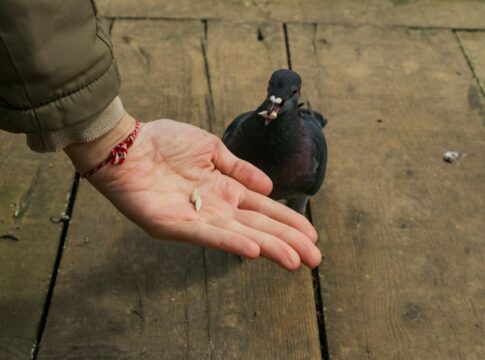
While Valiant used computer animation, the production team worked with real racing pigeons to capture authentic flight mechanics and behavior patterns, consulting with the Royal Pigeon Racing Association to ensure accuracy. The filmmakers spent six months studying 40 different pigeons at a specialized aviary in Surrey, England, recording over 200 hours of flight footage to inform their animation techniques. This research influenced how animated birds were depicted in subsequent films, with Disney and Pixar both citing Valiant’s methodology in their technical documentation for later productions.
9. Beethoven the St. Bernard Launches Franchise Empire (1992)
Chris, the primary St. Bernard who played Beethoven, worked alongside four identical stand-ins during production, collectively consuming 112 pounds of food per week and requiring six handlers on set at all times. The film’s success—grossing $147.2 million worldwide against a $18 million budget—spawned seven sequels and an animated television series, making it one of the most profitable animal-led franchises in cinema history. Chris’s ability to execute slobber-related comedy on command, including precisely timed head shakes that would spray saliva on actor Charles Grodin, required four months of specialized training and established new standards for canine physical comedy in Hollywood.
10. Mr. Ed’s Talking Horse Trick Transcends Species Barrier (1961-1966)
Bamboo Harvester, the golden palomino who portrayed Mr. Ed, appeared to talk through a combination of trainer Les Hilton’s technique of using a nylon thread to encourage lip movement and the horse’s natural tendency to move his mouth when peanut butter was placed on his gums. The show’s innovative approach to animal performances influenced decades of productions attempting to anthropomorphize animals, and Bamboo Harvester’s ability to maintain focus during 143 television episodes set industry records for equine actors. His performance required learning to respond to over 100 different cues, far exceeding the typical 30-40 commands expected of trained horses in the early 1960s.
Frequently Asked Questions
Do animal actors receive payment for their film appearances?
Animal actors do not personally receive payment; instead, their owners or trainers are compensated through standard contract agreements. Top-tier animal performers can command $5,000 to $15,000 per day of filming, with specialized animals like big cats or marine mammals earning significantly more. These contracts typically include provisions for the animal’s care, transportation, and insurance during production.
How long does it take to train an animal for a major film role?
Training duration varies dramatically based on the complexity of required behaviors and the animal’s prior experience, ranging from three months for basic performances to several years for complex roles. Dogs typically require 6-12 months of preparation for lead roles, while exotic animals like bears or primates may need 2-5 years of consistent training before they’re ready for film work. Trainers often begin working with animals from birth or early age to establish the trust and communication necessary for reliable on-set performance.
Can animals actually understand the stories they’re performing in?
Animals do not comprehend narrative structure or their character’s role within a story; they respond to immediate cues, rewards, and the environment their trainers create. Professional animal actors learn to associate specific commands with physical actions or emotional displays, performing behaviors in exchange for positive reinforcement. The illusion of understanding comes from skilled editing, precise timing, and trainers positioning themselves just off-camera to deliver real-time direction.
What happens to famous animal actors after their careers end?
Most retired animal actors live out their lives with their trainers or at specialized facilities that cater to former performing animals. Some, like Bart the Bear, become ambassadors for conservation education programs, while others transition to breeding programs to pass on their temperament to future generations of performing animals. In rare cases, animals like Keiko undergo rehabilitation efforts to return them to natural habitats, though this process remains controversial and technically challenging.
Key Takeaways
- Animal performances in cinema often require months or years of specialized training, with top performers learning 100+ commands compared to the typical 30-50 for standard trained animals.
- Several animal actors have directly influenced conservation efforts and public policy regarding animal welfare, with economic impacts reaching millions of dollars in rehabilitation and protection programs.
- The economic value of successful animal actors can rival or exceed human performers, with franchise potential generating hundreds of millions in revenue across films, merchandise, and licensing agreements.
- Modern animal acting dynasties span multiple generations, with descendants of famous performers continuing family legacies across decades of film and television production.