









1 / 10 Questions
0 Points

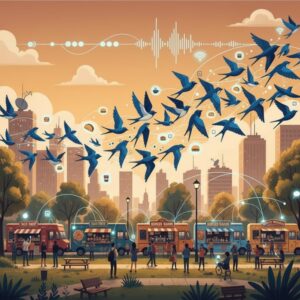
Which California city sparked the modern food truck revolution in 2008 with the launch of the Kogi Korean BBQ truck?

San Diego

Los Angeles

Sacramento

San Francisco

Points won
0
Correct score
0%

More Quizzes

More Articles

The Most Extreme Natural Transformations

The Most Extreme Natural Transformations

⏱️ 5 min read

Throughout the natural world, countless organisms undergo remarkable physical transformations that defy imagination. These metamorphoses represent some of the most dramatic changes observed in biology, where creatures completely restructure their bodies, behaviors, and ecological roles. From microscopic cellular reorganization to wholesale anatomical reconstruction, these transformations demonstrate nature's extraordinary capacity for reinvention and adaptation.

The Complete Reconstruction of Butterflies and Moths

Perhaps the most celebrated transformation in nature belongs to butterflies and moths. During metamorphosis, a caterpillar doesn't simply grow wings and emerge as an adult. Instead, it undergoes a process called histolysis, where specialized cells called imaginal discs literally digest most of the caterpillar's body from the inside. The creature essentially liquefies itself within the chrysalis, breaking down tissues, organs, and structures into a protein-rich soup. From this biological primordial mixture, an entirely new organism assembles itself through histogenesis, creating wings, compound eyes, reproductive organs, and a completely different body plan. This process can take anywhere from a few days to several months, depending on the species.

The transformation is so complete that the adult butterfly bears almost no physical resemblance to its larval form. Its diet changes dramatically—from leaf-munching mandibles to a delicate proboscis for sipping nectar. Its locomotive capabilities shift from crawling on multiple legs to flight. Even its sensory systems undergo complete overhaul, with simple eyes replaced by sophisticated compound vision capable of detecting ultraviolet light.

Amphibian Metamorphosis: From Water to Land

Frogs and salamanders execute one of nature's most extreme lifestyle transitions. A tadpole begins life as an entirely aquatic creature with gills, a tail for swimming, and a body designed for underwater existence. As metamorphosis progresses, the animal must reconfigure virtually every system to survive on land. The tail is reabsorbed into the body, with cells undergoing programmed death in a carefully orchestrated sequence. Gills disappear as lungs develop and take over respiratory functions. The digestive system reorganizes from a long intestine suitable for processing algae to a shorter system capable of digesting insects and other prey.

The skeletal structure fundamentally changes, with legs strengthening and the skull reshaping to accommodate different feeding mechanisms. In some species, the transformation occurs rapidly over just a few weeks, while others may take years. The wood frog can complete metamorphosis in as little as two months, while some bullfrog tadpoles may spend two to three years in their aquatic form before making the transition.

The Extraordinary Life Cycle of Jellyfish

Jellyfish demonstrate a transformation that seems almost supernatural in its complexity. These creatures alternate between two completely different body forms during their life cycle. They begin as tiny planula larvae that drift in ocean currents before settling on the sea floor and transforming into polyps—stationary, anemone-like creatures that can reproduce asexually. Through a process called strobilation, these polyps then produce multiple jellyfish through budding, releasing swimming medusae that mature into the familiar bell-shaped animals.

Some species, particularly Turritopsis dohrnii, the so-called "immortal jellyfish," can reverse this process entirely. When faced with stress, injury, or old age, this species can revert from its adult medusa stage back to its polyp stage, essentially resetting its life cycle and achieving biological immortality through transformation.

Parasitic Transformations: The Barnacle's Hidden Life

Barnacles undergo one of the most dramatic transformations from their larval to adult stages. Beginning life as free-swimming nauplius larvae with legs and eyes, they eventually settle headfirst onto a surface and cement themselves permanently in place. During this transformation, they lose their eyes, absorb their locomotory appendages, and develop the characteristic calcareous plates that protect their bodies. Their legs transform into cirri—feathery appendages that sweep food particles from the water.

Even more extreme are parasitic barnacles like Sacculina, which infect crabs. After a brief free-swimming phase, these creatures penetrate a crab's shell and transform into a root-like structure that spreads throughout the host's body, absorbing nutrients and eventually producing an external reproductive sac. The transformation is so complete that adult Sacculina bears no resemblance to typical barnacles and was initially classified as an entirely different organism.

Echinoderms: Radial Reorganization

Sea stars, sea urchins, and their relatives undergo a transformation that involves a complete restructuring of their body symmetry. These creatures begin life as bilateral larvae—with left and right sides like most animals. However, as they mature, they undergo a remarkable metamorphosis into radially symmetric adults, typically with five-fold symmetry. This transformation requires extensive reorganization of internal organs, nervous systems, and body structures. The larval left side becomes the oral surface, while the right side becomes the aboral surface. New structures like the water vascular system—unique to echinoderms—develop entirely during this transformation.

The Biological Significance of Extreme Transformations

These dramatic transformations serve crucial ecological and evolutionary purposes. By occupying different ecological niches at different life stages, organisms reduce competition between juveniles and adults of the same species. Larvae can focus on growth and dispersal while adults concentrate on reproduction. This strategy has proven so successful that metamorphosis has evolved independently in numerous lineages throughout the animal kingdom, from insects to fish to marine invertebrates. Understanding these natural transformations continues to provide insights into developmental biology, regenerative medicine, and the remarkable plasticity of life on Earth.
Did You Know Iceland Has No Mosquitoes?

Did You Know Iceland Has No Mosquitoes?

⏱️ 5 min read

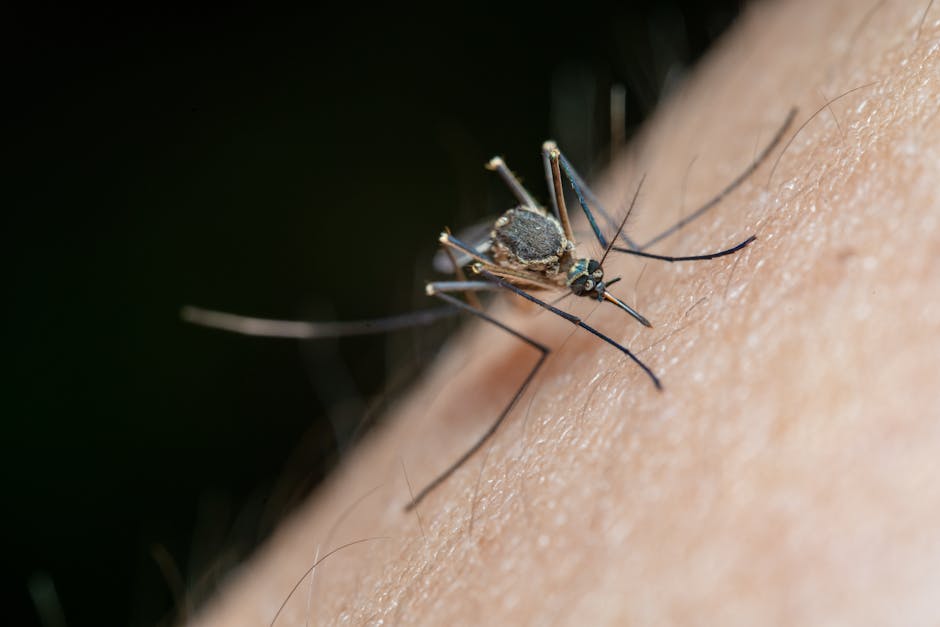
Iceland stands as one of the few places on Earth where travelers can enjoy the outdoors without the constant buzzing and biting of mosquitoes. This Nordic island nation, despite having the climate and environmental conditions that might seem suitable for these insects, remains remarkably mosquito-free. This peculiar geographical phenomenon has fascinated scientists, travelers, and nature enthusiasts alike, prompting deeper investigation into the unique combination of factors that keeps these persistent pests at bay.

The Science Behind Iceland's Mosquito-Free Status

The absence of mosquitoes in Iceland results from a perfect storm of environmental conditions that make the island inhospitable to these insects. While over 3,500 mosquito species exist worldwide and thrive across diverse climates—from tropical rainforests to Arctic tundra—Iceland's specific combination of factors creates an insurmountable barrier to mosquito colonization and survival.

The primary reason relates to Iceland's distinctive freeze-thaw cycle patterns. Mosquitoes require consistent environmental conditions during their developmental stages, particularly during their aquatic larval and pupal phases. In Iceland, the temperature fluctuates unpredictably around the freezing point, especially during critical seasons. This constant variation proves fatal to mosquito larvae, which cannot complete their life cycle when subjected to repeated freezing and thawing of their aquatic habitats.

Understanding Mosquito Life Cycles and Environmental Requirements

To appreciate why Iceland remains mosquito-free, understanding the mosquito life cycle provides essential context. Mosquitoes undergo complete metamorphosis, progressing through four distinct stages: egg, larva, pupa, and adult. The first three stages occur in water, making aquatic environments crucial for mosquito reproduction and development.

The larval stage typically lasts several days to weeks, depending on temperature and species. During this period, larvae require relatively stable water temperatures and conditions to feed, grow, and develop properly. In most Arctic and sub-Arctic regions where mosquitoes do exist, summer temperatures remain consistently above freezing for extended periods, allowing larvae to complete development before winter arrives.

Iceland's Unique Climate Patterns

Iceland's maritime climate creates temperature patterns distinctly different from other sub-Arctic regions. The island experiences three freezes per year on average—a critical detail in understanding mosquito absence. Even during summer months, overnight temperatures frequently drop below freezing, only to rise above it during the day. This erratic pattern prevents mosquito larvae from successfully developing, as they become trapped in ice overnight and then thawed during warmer daylight hours. This repeated stress proves lethal to developing mosquitoes, preventing any species from establishing a sustainable population.

Comparisons with Other Nordic Countries

The contrast between Iceland and its Nordic neighbors highlights how specific environmental conditions must align to exclude mosquitoes. Countries like Norway, Sweden, and Finland experience substantial mosquito populations, particularly during summer months. These nations, despite their northern latitudes and cold winters, provide the consistent summer warmth that mosquitoes need to complete their life cycles.

Greenland, Iceland's closest neighbor, also hosts mosquito populations in certain regions. The key difference lies in continental versus maritime climate influences. Greenland's more continental climate in ice-free areas provides the temperature stability necessary for mosquito development during brief Arctic summers, while Iceland's ocean-moderated climate maintains its characteristic temperature variability.

Other Mosquito-Free Locations Worldwide

Iceland joins an exclusive list of inhabited mosquito-free territories around the globe. These locations share certain characteristics that prevent mosquito colonization:

  • French Polynesia and New Caledonia (certain islands)
  • The Seychelles
  • Antarctica (due to extreme cold and lack of standing water during brief warm periods)
  • The Faroe Islands
  • Some high-altitude regions in the Andes and Himalayas

Each mosquito-free location has its unique combination of environmental factors creating inhospitable conditions. Some lack suitable breeding sites, others experience chemical properties in their water that prevent larvae development, and still others face the same temperature fluctuation challenges as Iceland.

Implications for Tourism and Quality of Life

Iceland's mosquito-free status significantly enhances the outdoor experience for both residents and visitors. Summer in Iceland allows for midnight sun hiking, camping, and outdoor activities without the nuisance and health concerns associated with mosquito bites. This advantage distinguishes Iceland from other popular Nordic destinations where mosquito repellent becomes essential gear during warmer months.

The absence of mosquitoes also eliminates the risk of mosquito-borne diseases such as malaria, dengue fever, Zika virus, and West Nile virus. While these diseases primarily affect tropical and subtropical regions, some mosquito-borne illnesses have expanded their range due to climate change, making mosquito-free zones increasingly valuable from a public health perspective.

Climate Change Considerations

As global temperatures rise, scientists monitor whether Iceland's mosquito-free status might change. Climate models predict that Iceland will experience warming trends like the rest of the planet, potentially altering the freeze-thaw patterns that currently prevent mosquito establishment.

However, current research suggests that Iceland's maritime climate and geographical position will likely maintain sufficient temperature variability to prevent mosquito colonization for the foreseeable future. The island's isolation also provides a natural barrier, as mosquitoes would need to travel significant distances over ocean to reach Iceland naturally, though human transport remains a potential introduction vector.

Broader Ecological Impact

The absence of mosquitoes affects Iceland's ecosystem in subtle ways. In regions where mosquitoes thrive, they serve as important food sources for birds, fish, and other insects. They also function as pollinators for certain plant species. Iceland's ecosystems have evolved without this component, with other insects filling ecological niches that mosquitoes might otherwise occupy.

This natural experiment in ecosystem function demonstrates how biodiversity and ecological relationships adapt to local conditions, creating functional systems even when common global species remain absent. Iceland's unique status continues to provide valuable insights into biogeography, climate science, and the specific environmental requirements of widespread insect species.