








1 / 10 Questions
0 Points

What color are airplane black boxes?

Black

Orange

Yellow

Red

Points won
0
Correct score
0%

More Quizzes

More Articles

Series That Improved Dramatically After Season One

Series That Improved Dramatically After Season One

⏱️ 5 min read

Television series often struggle to find their footing in the first season, as creators, writers, and actors work to establish chemistry, tone, and narrative direction. While some shows burst onto the scene with immediate acclaim, others require time to mature into the beloved series they eventually become. The phenomenon of dramatic improvement after a rocky first season is more common than many viewers realize, with several now-iconic programs nearly cancelled before hitting their stride in subsequent seasons.

The Challenge of Establishing a New Series

First seasons face unique pressures that can hinder a show's potential. Networks often interfere with creative decisions, budgets may be limited, and writers need time to understand their characters deeply. Additionally, actors require opportunities to inhabit their roles fully, and production teams must learn to work cohesively. These growing pains frequently result in uneven storytelling, inconsistent characterization, and tonal confusion that can alienate early audiences.

Understanding this context helps explain why patience with new series often pays dividends. Many programs that went on to achieve critical acclaim and cultural significance nearly disappeared after lackluster debut seasons, saved only by network faith, passionate fan bases, or fortuitous scheduling decisions.

Science Fiction Success Stories

Star Trek: The Next Generation

Perhaps no series better exemplifies dramatic improvement than Star Trek: The Next Generation. The show's first season, which aired in 1987, was plagued by behind-the-scenes turmoil, inconsistent writing, and stilted performances. The crew seemed uncomfortable in their roles, and storylines often felt derivative or underdeveloped. Episodes like "Code of Honor" and "The Naked Now" are frequently cited among the franchise's worst.

However, by the second season, and especially into the third, the series transformed dramatically. The writing became more sophisticated, tackling complex moral and philosophical questions. Characters developed distinct personalities and relationships, with Commander Riker growing a beard that fans jokingly credit with marking the show's turning point. The series eventually became one of the most celebrated science fiction programs in television history, running seven seasons and spawning multiple films.

Parks and Recreation

This beloved comedy series struggled significantly during its abbreviated six-episode first season. The show initially positioned itself as an office-style mockumentary set in local government, with protagonist Leslie Knope portrayed as incompetent and delusional. The humor felt derivative, and the Pawnee setting lacked the warmth that would later define the series.

The transformation beginning in season two was remarkable. Writers retooled Leslie Knope from a bumbling Michael Scott clone into an optimistic, highly competent public servant whose enthusiasm inspired those around her. Supporting characters received more development, with breakout performances from characters like Ron Swanson, Andy Dwyer, and April Ludgate. The show developed its own identity, focusing on genuine affection between characters rather than mockery, creating one of the most heartwarming comedies of the 2010s.

Character Development as a Catalyst

Seinfeld

Now considered one of the greatest sitcoms ever produced, Seinfeld's first season consisted of only five episodes and performed modestly in ratings. The show lacked the rhythm and confidence that would later define it. Jerry Seinfeld's stand-up segments felt disconnected from the narratives, and supporting characters hadn't yet developed their signature quirks and catchphrases.

As the series progressed into later seasons, the "show about nothing" found its voice. The characters became more selfish and neurotic, creating comedy gold. George Costanza evolved into a magnificently flawed character, Elaine became integral rather than peripheral, and Kramer's physical comedy reached new heights. The show's willingness to embrace darker humor and its characters' worst impulses separated it from traditional sitcoms and cemented its legacy.

Finding the Right Tone

Buffy the Vampire Slayer

While Buffy the Vampire Slayer's first season showed promise, it was hampered by limited budget, monster-of-the-week storytelling, and occasional cheesy dialogue. The twelve-episode season established the premise but didn't fully explore the emotional depth that would become the show's hallmark.

Season two elevated everything. The introduction of complex villains, serialized storytelling, and willingness to explore genuine darkness transformed the program. The relationship between Buffy and Angel provided emotional stakes, while episodes alternated between humor, horror, and heartbreak. The show began addressing real-world issues through supernatural metaphors, creating a template for genre television that influenced countless series that followed.

The Importance of Creative Freedom

Many series that improved dramatically after their first season share a common factor: creators gained more control over their vision. Network interference often diminishes during second seasons when executives see potential, allowing writers and producers to take risks and develop their stories organically.

This creative freedom enables shows to shed generic elements imposed during development and embrace unique voices. Characters become more nuanced, storylines grow more ambitious, and thematic elements deepen. The difference between a network-mandated pilot and a creator-driven second season can be transformative.

Lessons for Modern Viewers

The phenomenon of second-season improvement offers valuable lessons for contemporary audiences. In an era of immediate cancellations and snap judgments based on a few episodes, patience can be rewarding. Many series that went on to achieve greatness might never have survived under today's viewing conditions, where streaming metrics and social media reactions can seal a show's fate within days of premiere.

These success stories remind us that great television often requires time to develop, and initial stumbles don't necessarily predict a series' ultimate quality. The best shows frequently emerge from extended creative processes, rewarding loyal viewers who stick around long enough to witness their transformation.
Music Trends That Completely Disappeared

Music Trends That Completely Disappeared

⏱️ 5 min read

The music industry has witnessed countless trends rise to prominence only to fade into obscurity. These movements, once celebrated and seemingly permanent fixtures of popular culture, have become historical footnotes that remind us of music's ever-evolving nature. Understanding these vanished trends provides insight into how technology, culture, and listener preferences shape the soundscape of each generation.

The Demise of MTV-Style Music Videos as Cultural Events

During the 1980s and 1990s, music video premieres were appointment television. Networks would count down to the debut of highly anticipated videos, and artists invested millions in elaborate productions. Michael Jackson's "Thriller" and Madonna's "Like a Prayer" became cultural phenomena that transcended music itself. The music video was an art form that required dedicated programming and significant production budgets.

This trend disappeared as YouTube and streaming platforms democratized video distribution. The premiere event lost its significance when viewers could watch content on demand. While music videos still exist, they no longer command the same cultural attention or production investment. The dedicated music video channel has essentially become extinct, with MTV itself abandoning music programming in favor of reality television.

The Extinction of Novelty Songs in Mainstream Charts

Novelty songs once regularly climbed the charts, offering humorous or gimmicky content that captured public imagination. The 1950s through 1980s saw hits like "The Purple People Eater," "Pac-Man Fever," and "The Monster Mash" achieve significant commercial success. These songs were crafted specifically for their entertainment value rather than artistic merit, and radio stations embraced them as palate cleansers between serious recordings.

The trend vanished as music consumption became more fragmented and algorithm-driven. Modern streaming platforms and personalized playlists leave little room for the communal experience that novelty songs provided. The shared cultural moment of everyone knowing a silly song has been replaced by niche humor that spreads through social media rather than traditional music channels.

Power Ballads and the Arena Rock Formula

The power ballad dominated rock music from the mid-1980s through the early 1990s. Bands like Bon Jovi, Journey, and Whitesnake perfected the formula: start soft with piano or acoustic guitar, build gradually with drums and bass, then explode into an anthemic chorus with soaring guitar solos. These songs were specifically designed to fill arenas with lighter-waving audiences.

This trend disappeared alongside the decline of rock music's dominance in popular culture. Several factors contributed to its extinction:

  • The grunge movement actively rejected the polished, theatrical nature of power ballads
  • Hip-hop and electronic music offered new templates for emotional expression
  • Radio formats fragmented, reducing the universal rock station that championed these songs
  • Modern production aesthetics favor subtlety over bombast

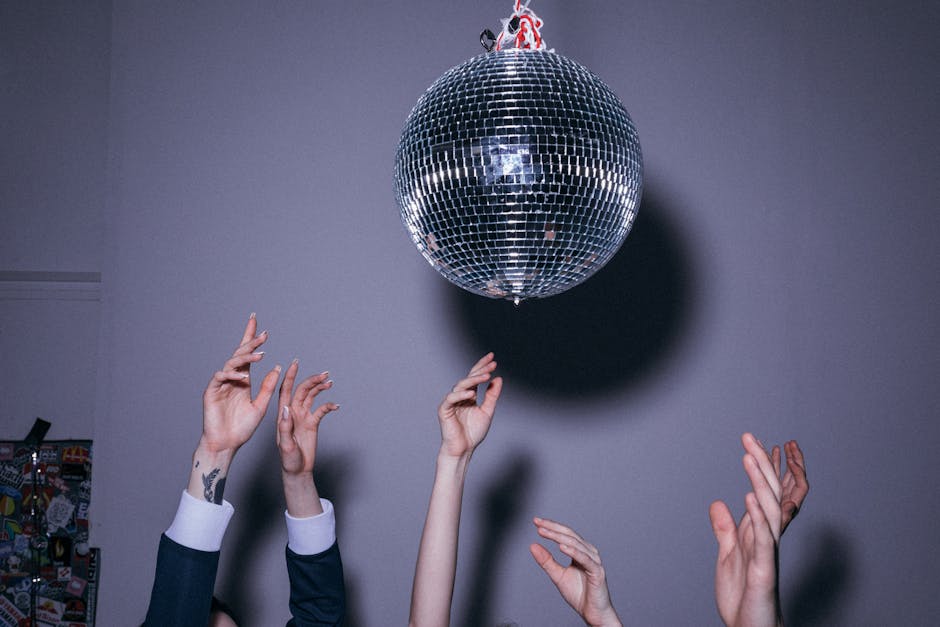
Disco's Complete Cultural Reversal

Few musical trends experienced as dramatic a disappearance as disco. At its peak in the late 1970s, disco dominated charts, fashion, and nightlife culture. Then, in an unprecedented backlash culminating in the infamous "Disco Demolition Night" in 1979, the genre became culturally toxic almost overnight. Radio stations reformatted, artists distanced themselves from the label, and the entire aesthetic was rejected.

While elements of disco survived and influenced house and electronic dance music, the specific trend of disco as a mainstream cultural force vanished completely. The disco club as a cultural institution, the Saturday Night Fever aesthetic, and the prominence of extended dance remixes all disappeared from mainstream consciousness for decades before being cautiously rehabilitated as retro nostalgia.

The Ringtone Rap Era

Between 2004 and 2008, hip-hop experienced a unique subgenre specifically designed for mobile phone ringtones. Artists created intentionally simple, catchy hooks meant to be purchased as personalized phone sounds. Songs like "Laffy Taffy" and "Lip Gloss" exemplified this trend with repetitive choruses and minimal lyrical complexity.

This trend disappeared when smartphones replaced feature phones and custom ringtones became less socially acceptable. The revenue stream that encouraged this simplified approach evaporated, and artists returned to creating music for its artistic and streaming potential rather than its ringtone viability.

Teen Pop Manufacturing Systems

The late 1990s and early 2000s saw an industrial approach to creating pop stars. Groups like *NSYNC, Backstreet Boys, and Spice Girls were carefully assembled, choreographed, and marketed through a formula that treated music as a product rather than art. Television shows and record labels controlled every aspect of these acts' images and sounds.

While manufactured pop still exists, the specific trend of boy bands and girl groups dominating charts through this assembly-line approach has largely disappeared. Social media allows artists to build authentic followings organically, and audiences have grown skeptical of overtly manufactured personas. The modern pop landscape values the appearance of authenticity over the polished, corporate approach that once ruled.

Guitar Hero Culture and Music Gaming

Between 2005 and 2010, music gaming became a dominant cultural force. Guitar Hero and Rock Band turned living rooms into virtual concert venues, influencing which classic rock songs received renewed attention and even how some new music was released. The trend represented a unique intersection of gaming and music consumption.

This phenomenon disappeared due to market oversaturation, expensive hardware requirements, and the shift toward mobile gaming and streaming. The dedicated music game with specialized controllers became economically unsustainable, and the trend that seemed revolutionary simply evaporated within a few years, leaving warehouses full of unused plastic guitars.

These disappeared trends demonstrate that music's evolution is not always forward progression but rather a constant cycle of experimentation, saturation, and eventual abandonment. What seems permanent in one decade becomes a curiosity in the next, replaced by trends that will inevitably face their own extinction.