









1 / 10 Questions
0 Points

What Did Firefighters Find When Rescuing A Trapped Child?

It was a doll

It was a small dog

It was a car alarm

It was a phone recording

Points won
0
Correct score
0%

More Quizzes

More Articles

Why Panic Is the Biggest Survival Enemy

Why Panic Is the Biggest Survival Enemy

⏱️ 5 min read

In life-threatening situations, the human body and mind face their ultimate test. While most people imagine that physical strength, outdoor skills, or survival gear determine who lives and who dies, seasoned survival experts consistently point to a different factor: mental state. The physiological and psychological response known as panic has proven to be more lethal than harsh weather, dangerous wildlife, or lack of supplies. Understanding why panic is so destructive—and learning how to prevent it—can mean the difference between life and death when facing a genuine emergency.

The Physiology of Panic in Crisis Situations

When confronted with immediate danger, the human body activates its sympathetic nervous system, triggering the well-known fight-or-flight response. This ancient survival mechanism floods the bloodstream with adrenaline and cortisol, accelerates heart rate, and redirects blood flow to major muscle groups. While this response evolved to help our ancestors escape predators, it creates serious problems in complex survival scenarios that require careful thinking and deliberate action.

During a panic response, the prefrontal cortex—the brain region responsible for rational thought, planning, and decision-making—becomes significantly impaired. Blood flow shifts toward the amygdala and other primitive brain structures that process fear and emotion. This neurological shift explains why panicked individuals often make catastrophic decisions that they would never consider under normal circumstances. The very cognitive abilities needed to assess danger, formulate plans, and execute survival techniques become compromised precisely when they're most needed.

How Panic Sabotages Survival Decision-Making

The impaired judgment caused by panic manifests in several predictable and dangerous patterns. Panicked individuals frequently abandon safe positions to flee toward perceived safety, often making their situations dramatically worse. Hikers lost in wilderness areas have been known to run frantically through terrain, traveling miles away from search zones and exhausting themselves in the process. This phenomenon, known as "woods shock" among search and rescue professionals, transforms a simple case of being temporarily lost into a life-threatening emergency.

Panic also causes people to fixate on single solutions while ignoring better alternatives. A person trapped in a burning building might pound uselessly on a locked door while ignoring an unlocked window nearby. Someone lost at sea might waste precious energy swimming in the wrong direction rather than conserving strength and assessing options. This cognitive tunneling effect eliminates the flexible, creative thinking that survival situations demand.

The Cascade Effect of Poor Decisions

One panic-driven mistake typically leads to another, creating a downward spiral that becomes increasingly difficult to escape. Consider a hiker who panics after losing the trail. They might run aimlessly, quickly becoming exhausted and dehydrated. This physical deterioration further impairs judgment, leading to more poor decisions like discarding gear to move faster or attempting dangerous shortcuts. Each bad decision compounds previous ones, exponentially reducing survival chances.

Physical Consequences Beyond Mental Impairment

The physical toll of panic extends well beyond the immediate stress response. Hyperventilation, a common symptom of panic, disrupts the blood's oxygen-carbon dioxide balance, potentially causing dizziness, confusion, and even loss of consciousness. The rapid breathing pattern can quickly lead to respiratory alkalosis, creating symptoms that further intensify feelings of panic in a vicious cycle.

Panic-induced muscle tension and uncontrolled movements waste enormous amounts of energy. A person treading water calmly can survive for hours, while someone thrashing in panic may exhaust themselves in minutes. In cold water immersion scenarios, panicked movements accelerate heat loss and hasten hypothermia. The physical exertion of panic also dramatically increases oxygen consumption and metabolic demands at precisely the moment when conservation becomes critical.

Real-World Evidence from Survival Statistics

Analysis of survival incidents across various scenarios consistently reveals panic as a primary killer. Maritime disasters provide particularly stark evidence. During shipwrecks, investigators have found drowning victims floating in life jackets—they died not from lack of flotation but from panic-induced behavior that prevented them from using their safety equipment effectively. Aviation accidents show similar patterns, with passengers who survived initial impacts sometimes dying because panic prevented them from executing simple evacuation procedures.

Search and rescue data reveals that lost individuals who maintain composure and stay put are found faster and in better condition than those who panic and wander. Wilderness survival instructors emphasize that the acronym STOP—Stop, Think, Observe, Plan—represents the antithesis of panic and the foundation of survival strategy.

Psychological Techniques to Combat Panic

Preventing and controlling panic requires specific mental techniques that can be learned and practiced before emergencies occur. Controlled breathing exercises represent the most immediate and effective panic intervention. By deliberately slowing respiration and focusing on deep, diaphragmatic breathing, individuals can interrupt the physiological panic response and restore blood flow to the prefrontal cortex.

Mental preparation through visualization and scenario planning builds psychological resilience. People who have mentally rehearsed emergency responses—even in abstract ways—demonstrate significantly better stress management when real crises occur. This mental conditioning creates familiar neural pathways that remain accessible even under extreme stress.

The Power of Structured Response Systems

Professional training programs for high-risk occupations rely heavily on creating automatic response protocols. Firefighters, military personnel, and emergency medical professionals drill specific procedures until they become muscle memory. This training allows them to function effectively even when fear and stress would otherwise trigger panic. The same principle applies to civilian survival preparation:

  • Learn and practice specific emergency procedures before they're needed
  • Develop simple mental checklists for common emergency scenarios
  • Rehearse controlled breathing and stress management techniques
  • Study actual survival cases to understand common panic-driven mistakes
  • Build familiarity with survival equipment and techniques through regular practice

Building Long-Term Psychological Resilience

Survival psychology experts emphasize that panic resistance isn't an innate trait but a developable skill. Regular exposure to controlled stress through activities like public speaking, cold water immersion, or challenging physical training can increase overall stress tolerance. This adaptation helps individuals maintain composure when facing genuine emergencies.

Understanding that panic itself is survivable—recognizing it as a temporary physiological state rather than an overwhelming force—provides psychological leverage. People who understand the panic response can identify its onset and consciously apply countermeasures, transforming a potentially lethal enemy into a manageable challenge that can be overcome through knowledge, preparation, and deliberate mental discipline.
How 3D Printing Is Revolutionizing Construction

How 3D Printing Is Revolutionizing Construction

⏱️ 5 min read

The construction industry, long characterized by traditional building methods and labor-intensive processes, is undergoing a dramatic transformation through additive manufacturing technology. Three-dimensional printing has emerged from the realm of small-scale prototyping to become a viable solution for creating full-scale buildings, offering unprecedented opportunities to address housing shortages, reduce construction waste, and reimagine architectural possibilities. This technological leap forward is reshaping how structures are designed, built, and delivered across the globe.

The Fundamentals of Construction 3D Printing

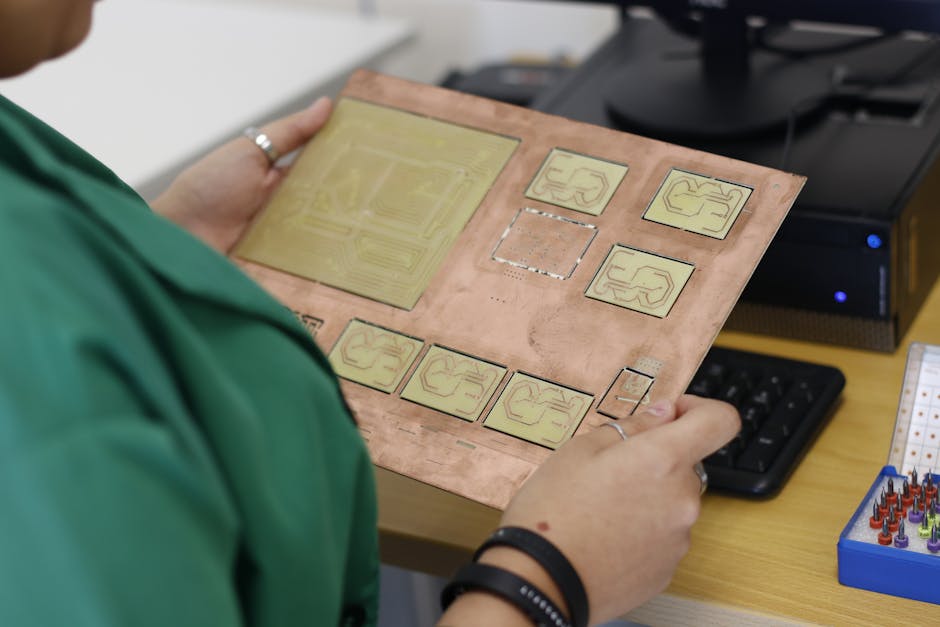
Construction-scale 3D printing operates on the same basic principles as desktop 3D printers but at a vastly larger scale. The process involves depositing material layer by layer according to digital architectural plans, building up structures from the ground level. The most common approach uses large robotic arms or gantry systems that extrude concrete-based materials through specialized nozzles, creating walls and structural elements with remarkable precision.

These systems typically use specially formulated concrete mixtures that maintain their shape immediately after extrusion while bonding effectively with previously laid layers. The materials must achieve the perfect balance between flowability for smooth extrusion and rapid strength development to support subsequent layers. Advanced formulations now incorporate additives that enhance durability, insulation properties, and curing characteristics specifically optimized for the printing process.

Speed and Efficiency Advantages

One of the most compelling benefits of 3D-printed construction is the dramatic reduction in building time. Traditional construction projects that might take months can be completed in days or even hours using additive manufacturing. A small residential structure that would typically require several weeks of on-site labor can be printed in as little as 24 to 48 hours, not including time for foundation work, roof installation, and interior finishing.

This acceleration stems from multiple factors. The automated nature of the printing process eliminates many time-consuming steps involved in traditional construction, such as formwork installation and removal. The continuous operation capability means construction can proceed around the clock without the limitations of human work schedules. Additionally, the precision of computer-controlled systems reduces errors that would otherwise require time-consuming corrections and rework.

Economic Implications and Cost Reduction

The financial advantages of 3D printing extend beyond labor savings. Material waste in conventional construction can reach 30% or more of total materials purchased, representing significant unnecessary costs. Three-dimensional printing uses only the exact amount of material needed, guided by precise digital models, reducing waste to near-zero levels in many cases.

Labor costs, which typically represent 40-50% of total construction expenses, decrease substantially when automated systems handle the primary structural work. While skilled operators are still required to manage the printing equipment, the overall workforce needed on-site is considerably smaller. These savings become particularly significant in regions facing labor shortages or where skilled construction workers command premium wages.

Addressing Global Housing Challenges

The technology holds particular promise for addressing affordable housing crises affecting communities worldwide. Organizations and companies are deploying 3D printing to create low-cost homes in developing regions where traditional construction infrastructure may be limited. The reduced material and labor costs make it economically feasible to produce housing at price points previously unattainable.

Several pilot projects have demonstrated this potential convincingly. Communities of 3D-printed homes have been constructed in Mexico, providing housing for families living below the poverty line. Similar initiatives in rural India and parts of Africa are proving that the technology can be adapted to local conditions and material availability, offering scalable solutions to housing insecurity.

Design Freedom and Architectural Innovation

Beyond practical advantages, 3D printing liberates architects from many constraints imposed by traditional construction methods. Complex curved walls, intricate geometric patterns, and organic shapes that would be prohibitively expensive or impossible to build conventionally become readily achievable. This design freedom enables more efficient structural forms that can optimize material usage while creating aesthetically striking buildings.

The technology also facilitates rapid prototyping of architectural concepts. Design iterations that once required extensive time and resources to model physically can now be tested quickly and economically. This accelerated design process encourages experimentation and innovation, potentially leading to breakthrough approaches in structural engineering and sustainable architecture.

Environmental Sustainability Benefits

The construction industry accounts for approximately 40% of global carbon emissions, making sustainability improvements critically important. Three-dimensional printing contributes to environmental goals through multiple mechanisms:

  • Dramatic reduction in material waste through precise material deposition
  • Lower transportation emissions due to on-site material usage and reduced equipment needs
  • Potential incorporation of recycled materials and sustainable alternatives to traditional concrete
  • Optimized structural designs that use less material while maintaining strength requirements
  • Reduced energy consumption during the construction process compared to conventional methods

Research into bio-based printing materials and carbon-negative concrete formulations promises to further enhance the environmental profile of 3D-printed construction in coming years.

Current Limitations and Technical Challenges

Despite its promise, construction 3D printing faces several obstacles to widespread adoption. Building codes and regulatory frameworks in most jurisdictions have not yet been updated to accommodate this technology, creating uncertainty for developers and builders. The lack of standardization across different printing systems and materials complicates efforts to establish universal quality standards and safety certifications.

Technical limitations also persist. Most current systems are best suited for printing walls and basic structural elements, with roofs, windows, electrical systems, and plumbing still requiring traditional installation methods. The technology performs optimally in controlled conditions, and weather factors like extreme temperatures or high winds can interfere with the printing process and material curing.

The Future Trajectory of Construction 3D Printing

The technology continues advancing rapidly, with research focusing on expanding capabilities and addressing current limitations. Multi-material printing systems under development will enable integration of insulation, reinforcement, and utilities during the printing process itself. Artificial intelligence and machine learning algorithms are being incorporated to optimize printing parameters in real-time, adjusting for environmental conditions and ensuring consistent quality.

As the technology matures and regulatory frameworks adapt, 3D printing is positioned to become a standard option within the construction industry's toolkit rather than a novelty. The combination of economic advantages, environmental benefits, and design possibilities suggests that additive manufacturing will play an increasingly central role in shaping the built environment of the future, fundamentally altering how humanity approaches the challenge of creating shelter and infrastructure.