



















1 / 20 Questions
0 Points

What does 'DV' stand for on nutrition labels?

Daily Value

Dietary Variety

Dietary Volume

Determined Value

Points won
0
Correct score
0%

More Quizzes

More Articles

Did You Know Pizza Was Invented in Naples, Italy?

Did You Know Pizza Was Invented in Naples, Italy?

⏱️ 5 min read

When people around the world think of comfort food, pizza often tops the list. This beloved dish has become a global phenomenon, with countless variations enjoyed from New York to Tokyo. However, the authentic origins of pizza trace back to the vibrant streets of Naples, Italy, where this culinary masterpiece was born in the late 18th and early 19th centuries. Understanding pizza's Neapolitan roots provides insight into not just a dish, but a cultural treasure that has shaped food history.

The Birth of Pizza in Naples

Naples, a bustling port city in southern Italy, became the birthplace of modern pizza during a time of economic hardship and innovation. In the 1700s and early 1800s, Naples was one of the largest cities in Europe, with a substantial working-class population. Street vendors and informal restaurants called "pizzerias" began selling flatbreads topped with simple, affordable ingredients to feed the masses.

The word "pizza" itself likely derives from the Latin word "pinsa," meaning flatbread, though its exact etymology remains debated among historians. What is certain is that Neapolitan bakers transformed this simple concept into something extraordinary by adding locally available ingredients like tomatoes, cheese, oil, garlic, and anchovies.

The Tomato Revolution

A crucial turning point in pizza's evolution came with the acceptance of tomatoes in Italian cuisine. Brought to Europe from the Americas in the 16th century, tomatoes were initially viewed with suspicion and even fear, as many Europeans believed them to be poisonous. By the late 18th century, however, impoverished Neapolitans began using tomatoes as an affordable topping for their flatbreads.

The combination of dough, tomatoes, and cheese created the foundation for what we recognize as pizza today. The volcanic soil surrounding Mount Vesuvius near Naples produced exceptional tomatoes, particularly the San Marzano variety, which became prized for their sweet flavor and low acidity—perfect for pizza sauce.

Pizza Margherita: A Royal Endorsement

The most famous moment in pizza history occurred in 1889 when pizzaiolo Raffaele Esposito created a special pizza for Queen Margherita of Savoy. According to popular legend, during the queen's visit to Naples, Esposito was commissioned to prepare pizzas for the royal guest. He created three varieties, but one particularly captured the queen's favor.

This pizza featured tomatoes, mozzarella cheese, and fresh basil—ingredients that coincidentally represented the colors of the Italian flag: red, white, and green. Esposito named this creation "Pizza Margherita" in honor of the queen. This royal endorsement elevated pizza from peasant food to a dish worthy of national pride, cementing its place in Italian culinary tradition.

Characteristics of Authentic Neapolitan Pizza

True Neapolitan pizza adheres to strict guidelines that have been preserved for generations. The Associazione Verace Pizza Napoletana (True Neapolitan Pizza Association), established in 1984, maintains official standards for authentic preparation.

Essential Requirements Include:

  • Dough made exclusively from wheat flour, natural yeast, salt, and water
  • Hand-kneaded dough, never rolled with a pin or mechanical press
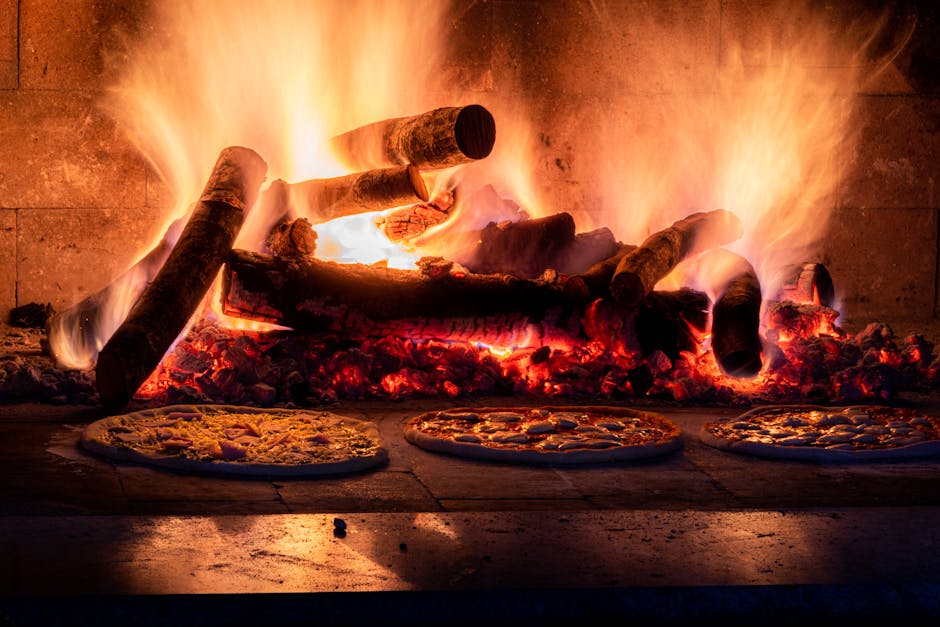
  • Cooking in a wood-fired dome oven at approximately 485°C (905°F)
  • Baking time of no more than 60-90 seconds
  • A thin center with a puffy, slightly charred crust known as the "cornicione"
  • Use of specific ingredients like San Marzano tomatoes and buffalo mozzarella

The Two Traditional Varieties

Authentic Neapolitan pizza traditionally comes in two basic varieties. The Pizza Marinara, the older of the two, features tomatoes, garlic, oregano, and extra virgin olive oil—notably without cheese. Its name doesn't refer to seafood but rather to the fishermen who would eat this simple, easily preserved pizza when returning from the sea.

The Pizza Margherita, as mentioned earlier, includes tomatoes, mozzarella cheese (traditionally fior di latte or buffalo mozzarella), fresh basil, and olive oil. These two classic preparations remain the gold standard against which all other pizzas are measured in Naples.

Naples' Lasting Pizza Culture

Walking through Naples today, pizza culture permeates every neighborhood. The city boasts hundreds of pizzerias, many of which have been family-operated for generations. Establishments like Antica Pizzeria Port'Alba, which opened in 1830 and claims to be the world's first pizzeria, continue serving customers using time-honored methods.

In 2017, UNESCO recognized "The Art of Neapolitan Pizzaiuolo" as an Intangible Cultural Heritage of Humanity. This designation acknowledges that making Neapolitan pizza involves not just culinary skill but cultural knowledge passed down through generations, encompassing specific gestures, songs, and expressions that pizzaioli (pizza makers) use in their craft.

From Naples to the World

Italian immigrants brought pizza to various parts of the world in the late 19th and early 20th centuries, particularly to the United States. Cities with large Italian populations, such as New York, Chicago, and New Haven, developed their own regional pizza styles while maintaining connections to the Neapolitan tradition.

Despite pizza's global evolution into countless variations—from deep-dish to California-style to Japanese okonomiyaki-inspired versions—Naples remains the spiritual home of pizza. Pizza enthusiasts and chefs worldwide continue to make pilgrimages to Naples to study authentic techniques and taste pizza in its birthplace.

The story of pizza's invention in Naples represents more than just culinary history; it exemplifies how simple, honest ingredients combined with skill and tradition can create something that transcends borders and generations, becoming a universal language of deliciousness enjoyed by millions daily.

The Concept of the Metaverse Explained

The Concept of the Metaverse Explained

⏱️ 5 min read

The term "metaverse" has rapidly evolved from science fiction terminology to one of the most discussed concepts in technology and business circles. As digital and physical realities continue to converge, understanding this emerging paradigm becomes increasingly important for anyone interested in the future of human interaction, commerce, and entertainment. The metaverse represents a fundamental shift in how people might experience the internet, moving from viewing flat screens to immersing themselves in three-dimensional virtual environments.

Defining the Metaverse: Beyond Virtual Reality

The metaverse can be understood as a collective virtual shared space created by the convergence of virtually enhanced physical reality and physically persistent virtual spaces. This includes the sum of all virtual worlds, augmented reality, and the internet. The concept extends beyond simple virtual reality experiences to encompass a persistent, synchronous, and interconnected digital universe where users can work, play, socialize, and conduct business.

Unlike traditional online experiences that exist in isolation, the metaverse is characterized by its continuity and persistence. Events occur in real-time, changes are permanent, and the virtual world continues to exist and evolve even when individual users log off. This persistent nature creates an environment similar to physical reality, where actions have lasting consequences and digital assets maintain their value and utility across different platforms and experiences.

Core Technologies Powering the Metaverse

Several technological pillars form the foundation of metaverse development, each contributing essential capabilities that enable immersive digital experiences.

Virtual and Augmented Reality Systems

VR and AR technologies serve as primary gateways into metaverse experiences. Virtual reality creates fully immersive digital environments through headsets and controllers, while augmented reality overlays digital information onto the physical world through devices like smart glasses or smartphone cameras. These technologies provide the sensory input and output mechanisms necessary for natural interaction within virtual spaces.

Blockchain and Cryptocurrency

Distributed ledger technology enables true digital ownership through non-fungible tokens (NFTs) and facilitates economic transactions using cryptocurrencies. Blockchain provides the infrastructure for decentralized metaverse platforms, allowing users to own, buy, sell, and trade virtual assets with verifiable authenticity and scarcity. This technology addresses fundamental questions about property rights and value exchange in virtual environments.

Artificial Intelligence and Machine Learning

AI systems populate the metaverse with intelligent agents, enable natural language processing for communication, generate content procedurally, and create responsive environments that adapt to user behavior. Machine learning algorithms help scale content creation, moderate interactions, and personalize experiences for millions of simultaneous users.

Cloud Computing and Edge Processing

The computational demands of rendering complex virtual environments for numerous concurrent users require robust infrastructure. Cloud computing provides the processing power and storage capacity needed, while edge computing reduces latency by processing data closer to users, ensuring smooth, real-time interactions essential for immersive experiences.

Potential Applications Across Industries

The metaverse presents transformative possibilities across numerous sectors, extending far beyond gaming and entertainment.

Professional Collaboration and Remote Work

Virtual workspaces in the metaverse offer alternatives to traditional video conferencing, providing spatial audio, gesture recognition, and presence that more closely mimics in-person interaction. Companies are exploring virtual offices where remote employees can gather, collaborate on 3D models, and maintain social connections despite physical distance.

Education and Training

Immersive learning environments enable students to explore historical events, conduct virtual science experiments, or practice skills in safe, controlled simulations. Medical students can perform virtual surgeries, engineering students can manipulate complex machinery, and history students can walk through ancient civilizations, all within metaverse platforms.

Retail and E-Commerce

Virtual showrooms allow customers to examine products in three dimensions, try on clothing using digital avatars, and experience services before purchasing. Brands establish permanent virtual presences where they can engage customers through interactive experiences that transcend traditional online shopping.

Healthcare and Therapy

Medical professionals utilize metaverse technologies for exposure therapy, treating conditions like PTSD and phobias in controlled virtual environments. Telemedicine expands through immersive consultations, while medical conferences and training occur in virtual venues accessible to participants worldwide.

Challenges and Considerations

Despite its potential, the metaverse faces significant obstacles that must be addressed for widespread adoption and responsible development.

  • Privacy and data security concerns arise from the massive amounts of personal information collected in immersive environments, including biometric data, behavioral patterns, and social interactions
  • Accessibility barriers exist due to the cost of hardware, required internet bandwidth, and the technical literacy needed to navigate these platforms effectively
  • Interoperability challenges prevent seamless movement of avatars, assets, and data between different metaverse platforms, fragmenting the experience
  • Digital divide issues may exacerbate existing inequalities if access to metaverse opportunities depends on expensive technology and high-speed internet
  • Regulatory frameworks lag behind technological development, creating uncertainty around digital property rights, content moderation, and jurisdictional authority

The Road Ahead

The metaverse remains in its formative stages, with competing visions for its ultimate form. Some advocate for decentralized, open platforms controlled by users rather than corporations, while others develop proprietary ecosystems with centralized governance. The technology continues evolving rapidly, with improvements in hardware affordability, network infrastructure, and software capabilities gradually removing barriers to entry.

As development progresses, society faces important decisions about the metaverse's governance, ethical standards, and integration with physical reality. Whether the metaverse becomes a transformative force comparable to the internet itself or remains a collection of specialized applications depends on technological advancement, user adoption, and how effectively the industry addresses current challenges. Understanding these concepts positions individuals and organizations to participate meaningfully in shaping this emerging digital frontier.