








⏱️ 5 min read
Throughout Earth's history, the ability to adapt has determined which species thrive and which fade into extinction. While humans pride themselves on intelligence and innovation, the animal kingdom demonstrates remarkable adaptive capabilities that often surpass our own biological evolution. From rapid genetic mutations to behavioral flexibility, animals possess sophisticated mechanisms that enable them to respond to environmental changes with astonishing speed.
The Biological Foundation of Rapid Adaptation
Animals possess several inherent advantages when it comes to evolutionary adaptation. The primary factor lies in generation time—the period between the birth of parents and the birth of their offspring. Many animal species, particularly insects, rodents, and bacteria, reproduce at rates that dwarf human reproduction cycles. Fruit flies, for instance, can produce a new generation in just two weeks, while bacteria can replicate in minutes. This accelerated reproduction allows beneficial mutations to spread through populations exponentially faster than in humans, whose average generation time spans approximately 25-30 years.
This rapid generational turnover creates opportunities for natural selection to act swiftly. When environmental pressures emerge, populations with shorter generation times can evolve advantageous traits within years or even months, while humans would require centuries or millennia to achieve similar genetic changes through natural selection alone.
Genetic Flexibility and Mutation Rates
The genetic architecture of many animal species provides them with enhanced adaptive potential. Some organisms possess highly variable genetic regions that facilitate rapid evolutionary responses. Immune system genes, particularly those in vertebrates, demonstrate extraordinary diversity that allows species to combat new pathogens quickly. Fish, amphibians, and reptiles often maintain larger effective population sizes than humans, which preserves greater genetic diversity—the raw material for adaptation.
Certain animals also exhibit higher mutation rates in specific genomic regions, creating a natural laboratory for evolutionary experimentation. While most mutations are neutral or harmful, the sheer volume of genetic variation produced increases the probability that beneficial adaptations will emerge when environmental conditions change.
Environmental Pressure and Selective Advantage
Animals face more direct and immediate selective pressures than modern humans. In the wild, organisms must adapt or perish—there is no middle ground. Consider the peppered moth in industrial England, which shifted from predominantly light-colored to dark-colored within decades as pollution darkened tree bark. This classic example of rapid evolution demonstrates how intense selective pressure can transform populations quickly.
Humans, by contrast, have largely insulated themselves from natural selection through technology, medicine, and social structures. We modify our environment rather than waiting for our bodies to adapt to it. While this represents a different form of adaptation, it means our biological evolution has slowed considerably compared to species still subject to harsh environmental filters.
Behavioral Plasticity Versus Genetic Change
Many animals demonstrate remarkable behavioral plasticity—the ability to modify behavior in response to environmental changes without requiring genetic evolution. This learned adaptation can occur within a single generation, providing immediate survival advantages.
- Urban crows have learned to use automobiles as nutcrackers, dropping hard-shelled nuts at intersections and waiting for cars to crush them
- Japanese macaques adapted to cold climates by learning to bathe in hot springs, a cultural behavior passed down through generations
- Octopuses display problem-solving abilities that allow individual animals to overcome novel challenges within their lifetimes
- Some bird species have modified their migration patterns in response to climate change within just a few decades
This behavioral flexibility allows animals to cope with changing conditions while slower genetic adaptations catch up, providing a two-tiered adaptive response that humans also possess but may not employ as effectively in purely biological contexts.
Physiological Adaptations in Extreme Environments
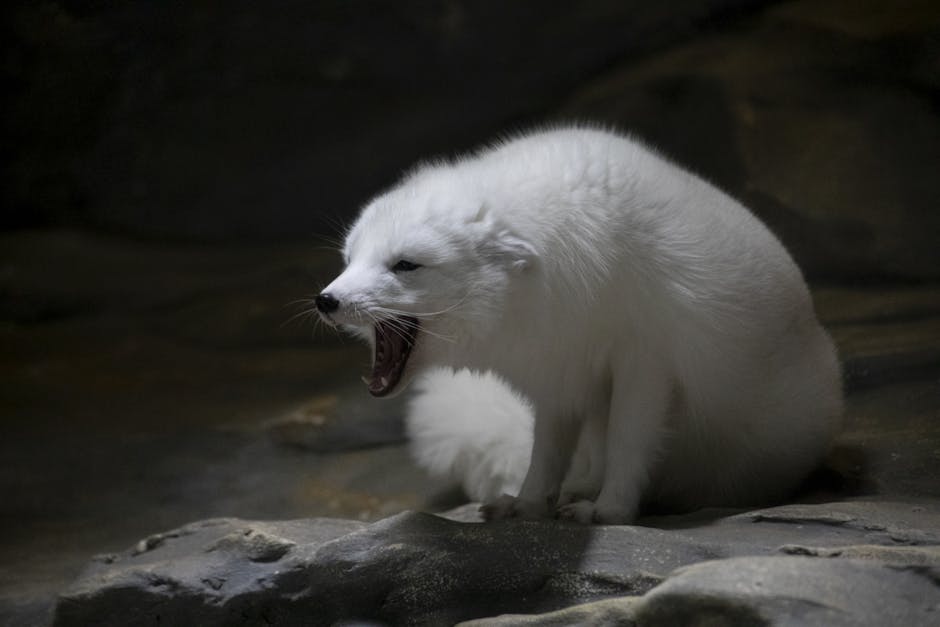
Animals inhabiting extreme environments showcase adaptation capabilities that highlight the limitations of human biology. Deep-sea fish have evolved to withstand crushing pressures that would kill humans instantly. Arctic mammals develop thick blubber and specialized circulatory systems that prevent freezing—adaptations that appeared relatively quickly in evolutionary time as these species colonized harsh environments.
Desert creatures like camels and kangaroo rats have developed extraordinary water conservation mechanisms, producing highly concentrated urine and extracting maximum moisture from food. These physiological innovations represent complex biological solutions that emerged through natural selection acting on populations facing survival challenges.
The Role of Epigenetics in Rapid Response
Recent discoveries in epigenetics have revealed another mechanism through which animals adapt quickly. Epigenetic changes—modifications to gene expression without altering DNA sequences—can occur within a single generation and sometimes be inherited by offspring. This allows organisms to respond to environmental stresses rapidly, with effects potentially lasting multiple generations.
Research on water fleas, fish, and various insects has shown that epigenetic modifications enable swift responses to toxins, temperature changes, and predation pressure. These changes provide adaptive benefits much faster than traditional genetic mutations, effectively bridging the gap between immediate behavioral responses and long-term evolutionary change.
Symbiotic Relationships and Rapid Adaptation
Many animals leverage symbiotic relationships with microorganisms to adapt quickly to new diets, environments, and challenges. Gut bacteria allow herbivores to digest plant materials that would otherwise be inedible. When animals encounter new food sources, changes in their microbial communities can occur within days or weeks, effectively granting them new digestive capabilities without genetic evolution.
Coral reefs demonstrate this principle dramatically, with corals hosting photosynthetic algae that provide nutrients. When environmental conditions change, corals can sometimes exchange their algal partners for more stress-tolerant varieties, adapting to warming waters faster than genetic evolution alone would permit.
Implications for Conservation and Understanding Evolution
Understanding how animals adapt faster than humans has profound implications for conservation biology and our comprehension of evolutionary processes. As climate change accelerates, scientists study which species possess the adaptive capacity to survive rapid environmental shifts. Species with longer generation times, smaller populations, and specialized ecological niches face greater extinction risks precisely because they cannot adapt quickly enough.
This knowledge emphasizes the urgency of protecting biodiversity and habitats, as many species lack the time necessary for adaptive evolution to rescue them from human-induced environmental changes. While animals possess remarkable adaptive capabilities, the current pace of change may exceed even their impressive evolutionary flexibility.