
















⏱️ 8 min read
A six-second drum solo recorded in 1969 by a little-known funk band has been copied, looped, and reimagined more than any other recorded sound in music history. This brief percussion sequence appears in thousands of songs across virtually every modern genre, from hip-hop and jungle to pop and rock. The drummer who performed it never received royalties during his lifetime, yet his work became the rhythmic foundation for entire musical movements.
Quick Facts
- The Amen Break is a 5.2-second drum solo from "Amen, Brother" by The Winstons, recorded in 1969.
- Drummer Gregory Coleman performed the break that has been sampled in an estimated 5,000+ songs.
- The sample became the rhythmic backbone of drum and bass, jungle, and breakbeat hardcore genres.
- Coleman died homeless in 2006 without receiving royalties from the most sampled drum loop in music history.
- The original recording remains under copyright, though enforcement has been minimal due to widespread use.
The Origins of a Revolutionary Sound
The Winstons, a Washington D.C.-based funk and soul group, released "Amen, Brother" as the B-side to their 1969 single "Color Him Father." Gregory Sylvester Coleman, the band's drummer, performed a brief solo interlude approximately one minute and twenty-six seconds into the track. This unassuming four-bar break featured syncopated rhythms and crisp snare patterns that would prove extraordinarily versatile for sampling. The A-side "Color Him Father" won a Grammy Award and reached number seven on the Billboard Hot 100, while "Amen, Brother" remained relatively obscure for over a decade.
Richard Lewis Spencer, who led The Winstons and wrote both songs, registered the copyright for "Amen, Brother" but never anticipated its future significance. The band continued performing into the 1970s, but like many soul and funk groups of the era, they eventually disbanded without achieving sustained commercial success. Coleman himself struggled financially throughout his life, working various jobs outside music and facing periods of homelessness before his death from heart failure and kidney disease in 2006 at age 64.
How a B-Side Became Hip-Hop's Secret Weapon
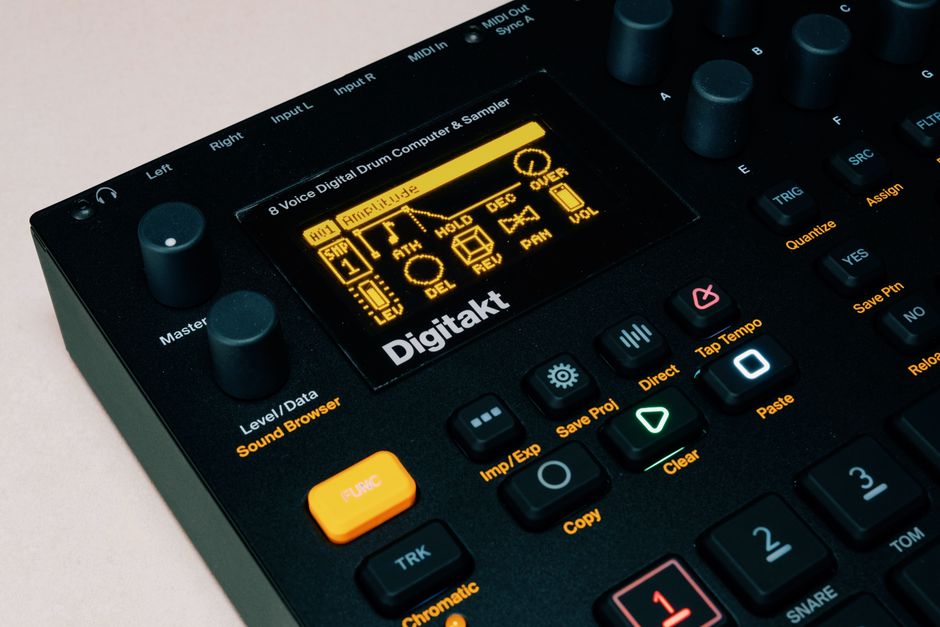
The transformation of the Amen Break from obscurity to ubiquity began in the early 1980s when hip-hop producers and DJs discovered breakbeat records—vinyl singles featuring instrumental drum breaks ideal for looping. "Amen, Brother" appeared on compilation albums marketed to DJs, including the influential "Ultimate Breaks and Beats" series that launched in 1986. These collections provided source material for producers who sampled, sliced, and manipulated breaks using turntables, drum machines, and early samplers like the E-mu SP-1200 and Akai MPC60.
Pioneering hip-hop tracks featuring the Amen Break include N.W.A.'s "Straight Outta Compton" (1988), which used a slowed-down version to create an aggressive, hard-hitting backdrop. Salt-N-Pepa's "Tramp" (1987) incorporated the break alongside other samples, while Mantronix manipulated it with cutting-edge production techniques for the era. The break's distinctive sound—particularly Coleman's crisp snare hits and the slight syncopation in his cymbal work—made it immediately recognizable to producers yet flexible enough to fit countless musical contexts.
The Birth of Jungle and Drum and Bass
The Amen Break reached its cultural apex in early 1990s Britain when producers in the emerging jungle and drum and bass scenes discovered they could time-stretch and manipulate the sample to extraordinary effect. Unlike hip-hop producers who typically looped the break at its original tempo of approximately 136 beats per minute, jungle producers accelerated it to 160-180 BPM and chopped it into individual hits. This technique, enabled by samplers like the Akai S950 and software such as Steinberg Cubase, allowed producers to create entirely new rhythmic patterns from Coleman's original performance.
Tracks like "We Are I.E." by Lennie De Ice (1991), "The Burial" by Leviticus (1991), and countless productions by artists including Shy FX, Goldie, and Roni Size built entire compositions around manipulated versions of the break. The sample became so central to jungle and drum and bass that the genres' characteristic sound is virtually inseparable from variations of the Amen Break. Producers developed signature techniques for processing it, including chopping it into 16th or 32nd note segments, rearranging hits, applying distortion, and layering multiple versions at different pitches.
Cross-Genre Domination and Modern Usage
Beyond electronic music, the Amen Break has appeared in surprising contexts across the musical spectrum. Oasis used it in "D'You Know What I Mean?" (1997), exposing millions of Britpop fans to the sample. The Prodigy incorporated it throughout their breakthrough album "Music for the Masses," while Nine Inch Nails, Björk, and David Bowie all deployed variations in their productions. Even commercial advertisements and television productions have featured the break, though often without proper licensing or credit.
Contemporary producers continue sampling and reimagining the Amen Break despite decades of use. Artists like Squarepusher, Aphex Twin, and Venetian Snares have pushed the sample to experimental extremes, stretching, pitch-shifting, and granularly synthesizing it beyond recognition. The break has also influenced live drummers who study Coleman's original performance to incorporate its patterns into their playing. Music production forums and YouTube channels regularly feature tutorials on manipulating the sample, ensuring new generations of producers discover its possibilities.
The Copyright Question and Coleman's Legacy
The widespread sampling of the Amen Break raised complex legal and ethical questions about copyright, fair use, and artist compensation. Richard Lewis Spencer, who held the copyright until his death in 2016, occasionally mentioned pursuing licensing fees but never mounted serious legal action against the thousands of artists who sampled his composition. The sheer scale of unauthorized use made enforcement practically impossible, and Spencer himself acknowledged in interviews that he appreciated the sample's cultural impact even while regretting the lost revenue.
Gregory Coleman's situation sparked particular outrage among music advocates when his poverty and homelessness became widely known following his death. In 2015, DJ and journalist Steve Goodman (known as Kode9) and music rights organization PRS for Music launched a crowdfunding campaign to support Coleman's family. The campaign raised over £24,000 (approximately $30,000), which was paid to Coleman's family as a symbolic gesture recognizing his contribution to music history. The effort highlighted the disconnect between the commercial value generated by creative work and the compensation received by some creators.
Cultural Impact Beyond Music Production
The Amen Break has transcended its role as a mere sample to become a cultural touchstone and educational case study. Nate Harrison's 2004 video lecture "Can I Get an Amen?" introduced countless viewers to the break's history through an eighteen-minute presentation that went viral online. The video explores themes of copyright, cultural evolution, and artistic creativity, using the break as a lens to examine how culture builds upon itself. It has been screened at universities, museums, and film festivals worldwide.
Music technology courses and production programs routinely use the Amen Break as a teaching tool to demonstrate sampling techniques, audio manipulation, and music history. The sample appears in discussions about intellectual property reform, with legal scholars citing it as evidence that current copyright frameworks may inadequately address cumulative creativity and cultural commons. Ethnomusicologists and cultural theorists have written academic papers analyzing the break's journey from a soul B-side to a global phenomenon, examining questions of cultural appropriation, innovation, and the social construction of musical value.
Frequently Asked Questions
Who originally performed the Amen Break?
Gregory Coleman, drummer for The Winstons, performed the break on the 1969 B-side "Amen, Brother." Coleman died in 2006 without receiving royalties from the sample despite its extensive use across thousands of recordings.
Is it legal to sample the Amen Break without permission?
Technically, sampling "Amen, Brother" without licensing constitutes copyright infringement, as the composition remains under copyright protection. However, enforcement has been minimal due to the sample's widespread use, and many producers have used it without facing legal consequences.
Why is the Amen Break so popular among producers?
The break's popularity stems from its crisp, clear recording quality, versatile rhythm pattern, and the syncopated groove that works across multiple tempos and genres. Its individual drum hits are distinct and easy to isolate, making it ideal for chopping and rearranging into new patterns.
What genres most commonly use the Amen Break?
Drum and bass, jungle, and breakbeat hardcore rely most heavily on the sample, but it also appears extensively in hip-hop, trip-hop, industrial, pop, and rock music. Electronic music subgenres including neurofunk, darkstep, and intelligent dance music frequently feature manipulated versions of the break.
Key Takeaways
- The Amen Break's journey from a 1969 B-side to the most sampled drum loop demonstrates how obscure recordings can achieve cultural immortality through reinterpretation and technology.
- Gregory Coleman's unrewarded contribution highlights ongoing debates about fair compensation for sampled artists and the need for copyright reform that recognizes cumulative creativity.
- The sample's dominance in jungle and drum and bass shaped these genres' sonic identity so completely that the break remains essential to their sound three decades later.
- Understanding the Amen Break's history provides insight into sampling culture, music technology evolution, and how digital tools transformed music production in the late 20th century.